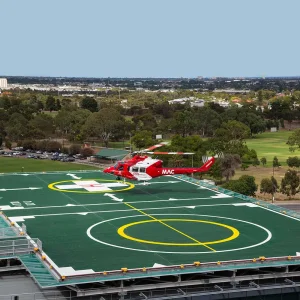
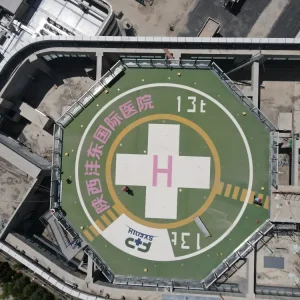
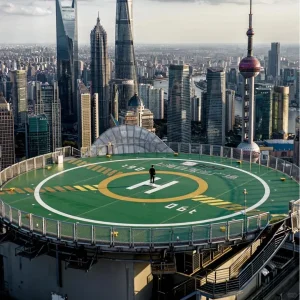
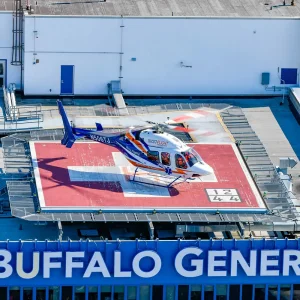
Explore our high-strength engineering solutions designed for offshore, urban skyscraper, and marine operations.
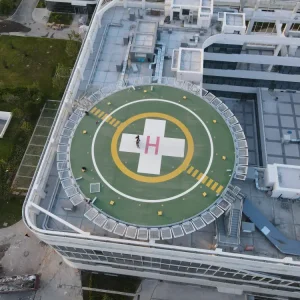
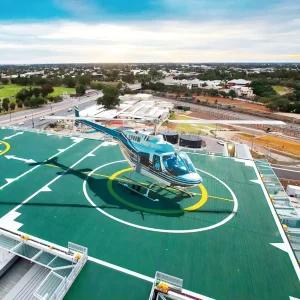
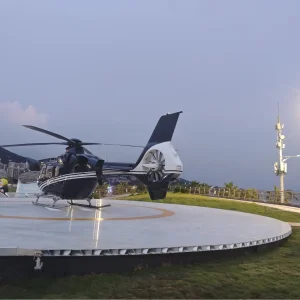
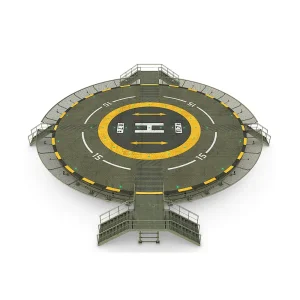
Within the marine, offshore oil and gas extraction, and high-altitude aviation logistics industries, safety and structural optimization are paramount. The term Deck Net describes the vital perimeter and overlay netting safety frameworks designed to wrap helicopter landing decks (helidecks) on ocean-going vessels, drilling platforms, and skyscraper roofs. These components mitigate wind-shear dynamics and structural slippage, ensuring stable landings under challenging conditions.
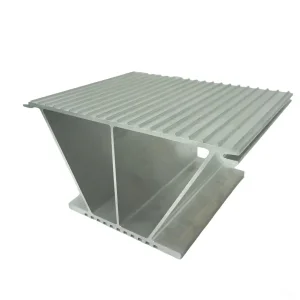
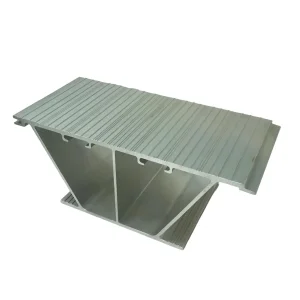
Historically, heavy steel grating systems represented the default construction material, presenting persistent maintenance challenges through rust, corrosion, and deadweight. Modern specifications mandate advanced extruded aluminum alloy decking systems equipped with integrated perimeter safety net solutions. Extruded aluminum helipads provide superior strength-to-weight performance, low-maintenance longevity, and inherent resistance to marine corrosion.
By implementing a highly engineered aluminum alloy structure combined with custom-tensioned perimeter safety netting, developers reduce deadweight by up to 50% compared to traditional steel layouts. This weight reduction directly enhances the load-bearing capacity of offshore vessels and skyscrapers.
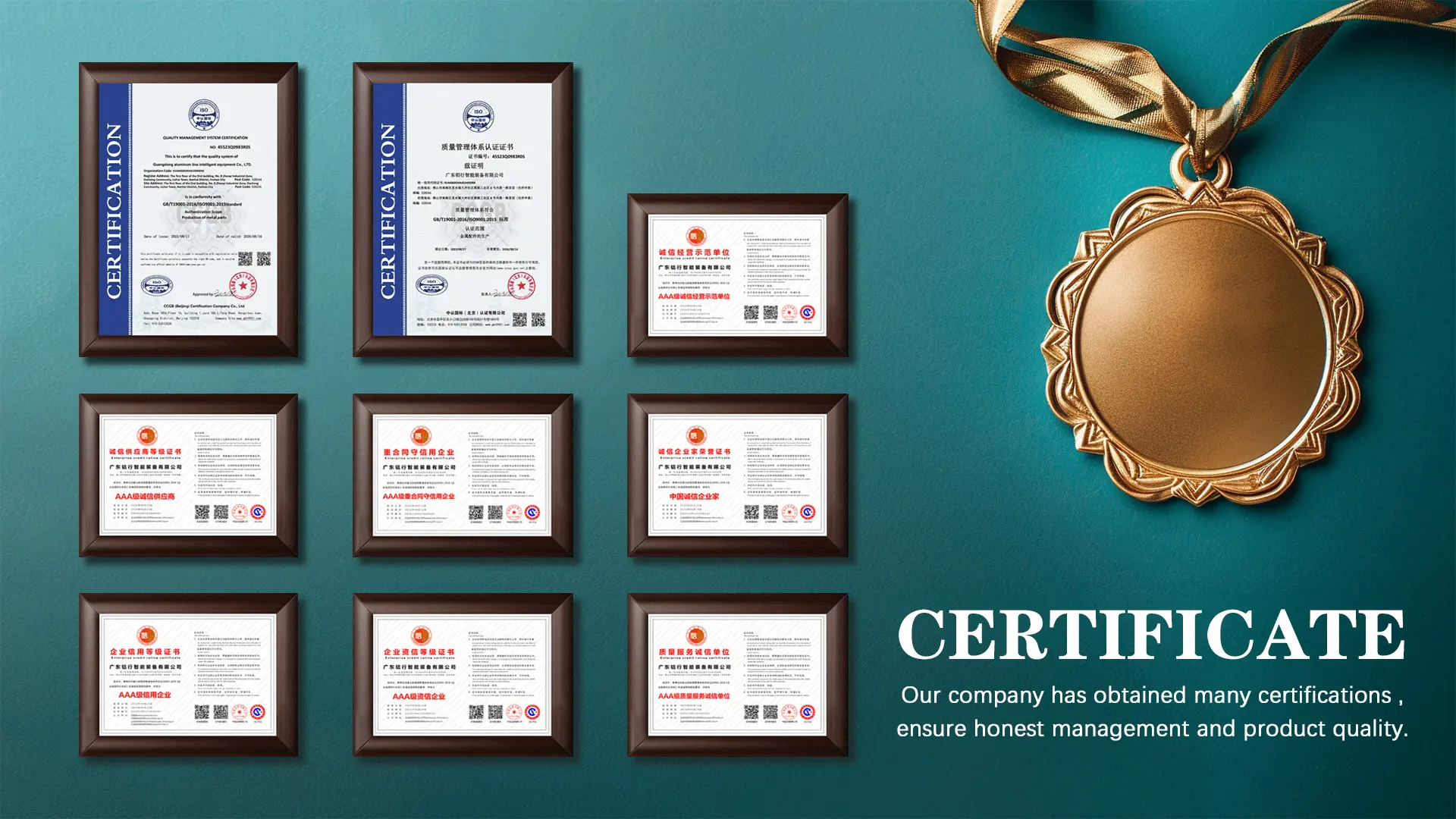
*All installations conform to international regulatory standards, including ICAO Annex 14, CAP 437, and CE certifications.
Established in 2015 and located in the Foshan City manufacturing hub of Guangdong, LvXing Intelligent Equipment Co., Ltd. coordinates a highly trained R&D department focused on aluminum profile design and processing. We leverage extensive technical experience to translate customer concepts into highly structured landing platform assemblies.
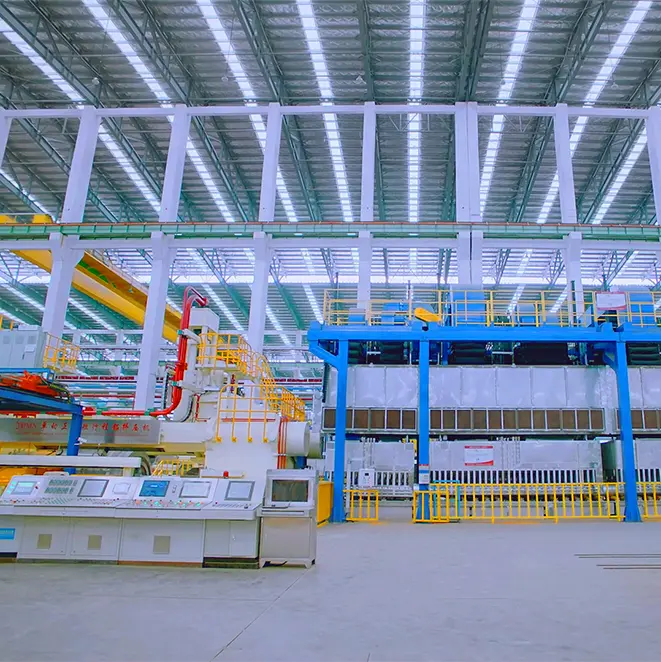
We utilize premium-grade Fenglu aluminum, delivering a robust selection of profiles for complex structural application. Our heavy-duty extrusion lines range from 800T to 20,000T. This enables processing across 1xxx, 2xxx, 3xxx, 5xxx, 6xxx, and 7xxx series alloy configurations.
Our capabilities permit the production of shaped products with cross-section profiles up to 1.2 meters in width and continuous lengths up to 28 meters. These tight-tolerance profiles serve critical applications across the aerospace, military, marine, medical, and specialized industrial sectors.
Understanding mechanical tolerances is a key requirement for international procurement agents and engineering teams. Our manufacturing workflows are structured to meet precise design demands:
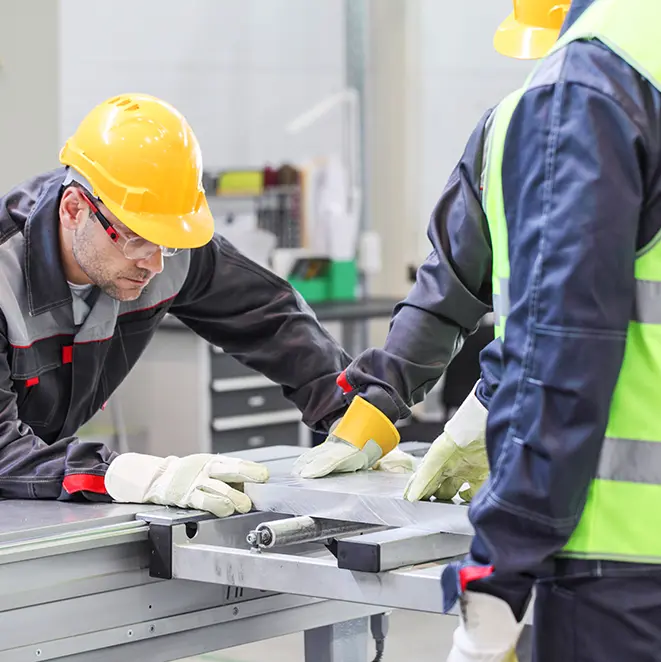
Our quality assurance workflows span raw material intake inspection, dimensional verification, heat-treatment tracking, mechanical load testing, and custom packaging designed to protect shipments during long-distance maritime transport.
Max Extrusion Capacity
Max Section Width
Technical Experience
Quality Standard Certified
Why leading global operators and EPC partners choose Lvxing for critical helideck and deck profile infrastructure.
Aerospace Validation
We hold the “Special Aluminium Materials for Aerospace” Certificate. Our processes adhere to strict structural regulations, ensuring all components resist micro-cracking and fatigue under high-frequency operational stresses.
Advanced Alloys
Utilizing high-performance Fenglu raw stock profiles across alloys 1xxx to 7xxx. Extrusion capacities up to 20,000T support profile widths up to 1.2m and continuous lengths up to 28m, helping minimize mechanical assembly seams.
Expert R&D Team
Our engineering team leverages 15 years of technical experience in aluminum design. We identify structural issues early, translating conceptual diagrams into verified products designed for your specific applications.
Global architectural, marine, and aviation safety groups are transitioning from legacy steel decks to structural aluminum equivalents. This shift is driven by three core criteria:
Additionally, modern standards require integrated deck safety nets (Deck Nets) along the perimeter of landing zones. These nets must be strong enough to catch personnel, equipment, or sliding aircraft without presenting a hard collision hazard. Integrating safety nets directly into the aluminum structural channels creates a unified, reliable safety system.
Operating from Foshan City, Guangdong Province—the global hub for aluminum extrusion—Lvxing benefits from a highly integrated local industrial ecosystem. This location provides several advantages for global procurement teams:
Where safety, reliability, and precision engineering meet the demands of modern infrastructure.
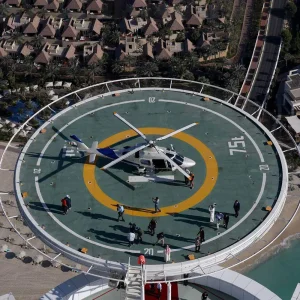
For offshore drilling platforms, FPSOs, and support vessels, helideck structures must withstand high winds, saltwater exposure, and dynamic landing impacts. Lvxing profiles provide the structural strength and corrosion resistance required for these demanding marine environments.
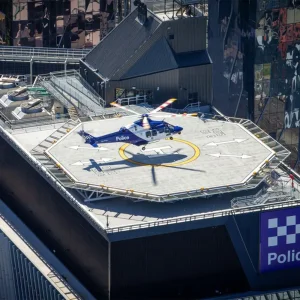
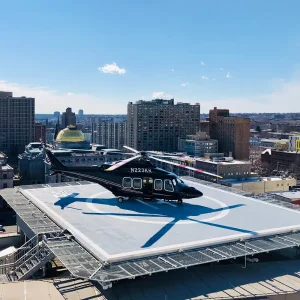
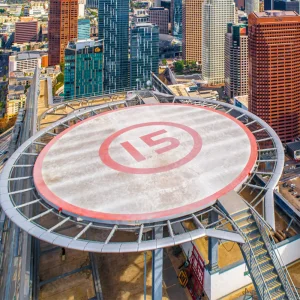
Rooftop landing platforms require low-profile, lightweight designs that distribute weight efficiently across building columns. Integrated safety nets are critical for preventing accidents on elevated rooftop platforms.
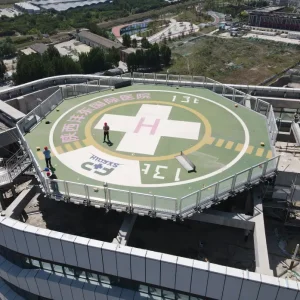
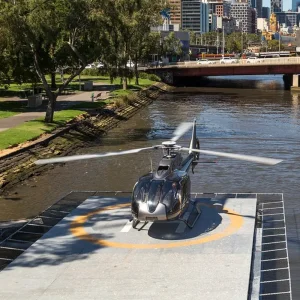
Time-critical medical flights rely on safe, reliable landing platforms. Our square and circular helipad configurations, certified to international standards, are built to support emergency transport services.
1. Integration of LED Lighting and Heating Elements: Next-generation landing platforms are designed with channels built into the extruded profiles to house LED safety lighting and surface heating systems. These systems help prevent ice buildup on decks operating in cold climates.
2. Transition to Low-Carbon Recycled Alloys: As corporate sustainability goals become more common, engineering firms increasingly specify low-carbon aluminum. Lvxing works with suppliers utilizing clean smelting methods to help meet these green building requirements.
3. Growth of Urban Air Mobility (UAM) and eVTOL Hubs: The rise of electric vertical takeoff and landing (eVTOL) aircraft is driving demand for new rooftop vertiports. These structures require lightweight, durable aluminum decking systems and integrated safety nets designed for rapid, high-frequency operations.
4. Strict Regulatory Compliance: Strict adherence to standards like CAP 437 and CE certification ensures landing systems are built for long-term safety and performance.
What engineering managers consider when sourcing aluminum decking and safety net systems.
When requesting quotes for aluminum decks and safety netting, procurement teams should confirm the following details to ensure a reliable quote:
For custom profile requirements, providing detailed structural drawings helps accelerate the engineering review. Our R&D team works with standard design formats to assess extrusion feasibility and simulate load capacities under dynamic landing conditions.
Once design parameters are confirmed, we provide detailed cost estimates including material processing, anodizing, assembly checks, packaging, and maritime delivery schedules. This helps ensure transparency from initial design to final delivery.
Technical details regarding material characteristics, safety compliance, and custom ordering processes.
We typically recommend marine-grade 6000-series alloys, such as 6082-T6 and 6005A-T6. These alloys offer high yield strength, excellent weldability, and strong resistance to corrosion in saltwater environments. For specific applications requiring high stress resistance, specialized 5xxx or 7xxx series alloys can be integrated.
Our products meet international aviation safety standards. This includes CE certification, adherence to ICAO Annex 14 recommendations, and compliance with CAP 437 guidelines for offshore helicopter landing areas. Additionally, our manufacturing plant operates under GB/T19001-2016 and ISO9001:2015 quality standards.
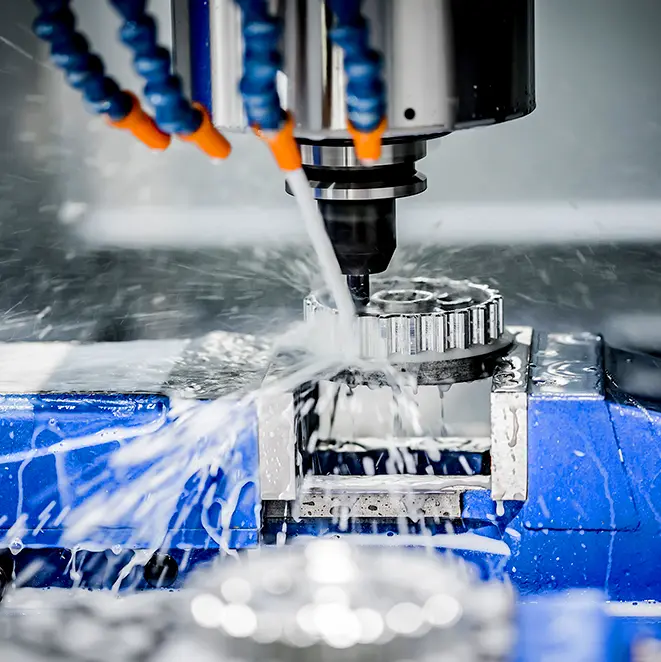
We operate extrusion lines ranging from 800T to 20,000T, allowing us to manage profile widths up to 1.2 meters. During production, we run continuous laser measurement checks and mechanical tests to verify dimensional stability and profile tolerances across the entire run.
Lead times depend on design complexity and production scale. Developing a custom extrusion die typically takes 15–20 days, after which pilot production and full-scale runs begin. Standard profiles are manufactured and delivered on a pre-planned schedule to align with shipyards or construction milestones.
Yes, we design custom aluminum edge profiles with channels that support integrated safety net attachments. This simplifies onsite installation, ensuring safety nets can be quickly secured to the deck edge without requiring field welding.
Yes. Our proximity to major shipping ports in southern China allows us to handle large-scale ocean freight shipments, including long-length extrusions up to 28 meters. We utilize specialized export packaging to prevent damage during transport and handling.
Explore our wider range of aluminum profiles, custom landing structures, and transit station safety barriers.