Engineered to international standards, providing robust perimeter protection for critical operations
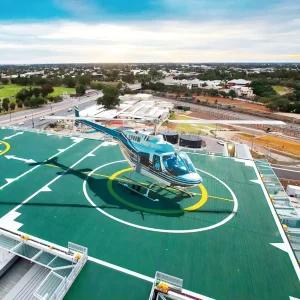
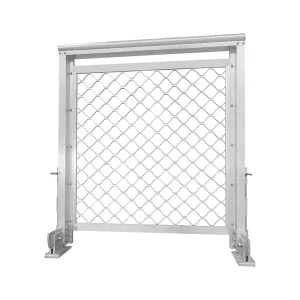
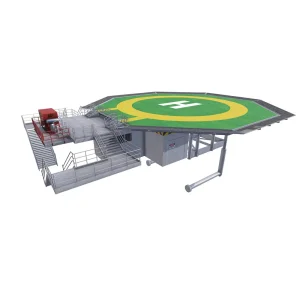
In high-stakes marine, offshore oil and gas, and skyscraper aviation environments, security is non-negotiable. Helideck safety nets (often referred to as customized deck nets) serve as the final line of defense against catastrophic falls for personnel and equipment alike.
Internationally, structural regulations such as CAP 437 (Standards for Offshore Helicopter Landing Areas), FAA Advisory Circulars, and various maritime classification society guidelines dictate the performance criteria for these systems. Modern deck nets must withstand severe environmental degradation, intense UV exposure, corrosive saline air, and extreme dynamic load impacts without failing. Traditional steel mesh systems are rapidly being phased out due to their heavy weight and susceptibility to galvanic corrosion. Today, the global commercial sector prioritizes lightweight, high-tensile aluminum alloy frameworks and advanced synthetic or stainless steel safety netting designed for fast maintenance cycles and long lifespans.
Global procurement teams focus heavily on verified material performance. Standard requirements for safety deck nets include:
The industrial synergy of Foshan City combined with advanced manufacturing infrastructure yields unmatched value for global commercial procurement.
Established in 2015 and located in the industrial heart of Foshan City, Guangdong, LvXing Intelligent Equipment Co., Ltd. stands as a premier manufacturer of high-precision aluminum solutions. We maintain a strong commitment to engineering innovation, helping clients convert complex architectural drawings and engineering concepts into physical, high-performance deck safety systems.
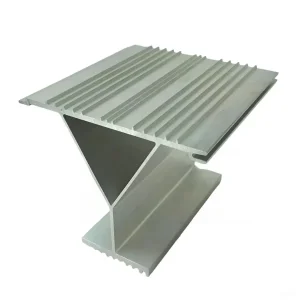
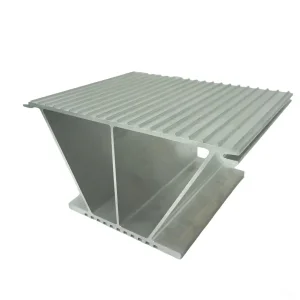
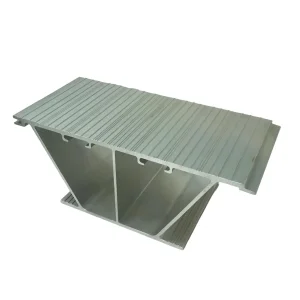
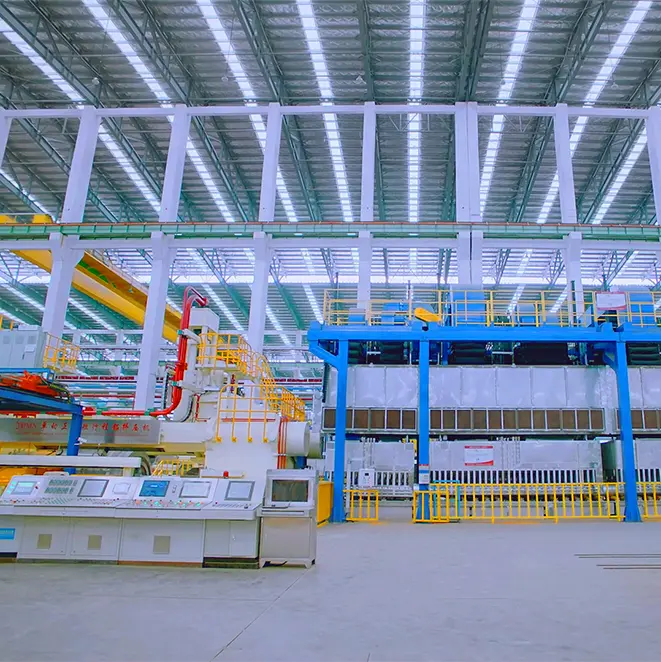
Our competitive leverage is grounded in our raw material supply chain. By utilizing premium Fenglu aluminum, we ensure that every profile extruded possesses superior grain structure, mechanical strength, and chemical uniformity. Our extrusion capabilities range from 800T up to a monumental 20,000T line. This deep capacity allows us to process complex alloys across the 1xxx, 2xxx, 3xxx, 5xxx, 6xxx, and 7xxx series, outputting massive shapes up to 1.2 meters in width and 28 meters in length.
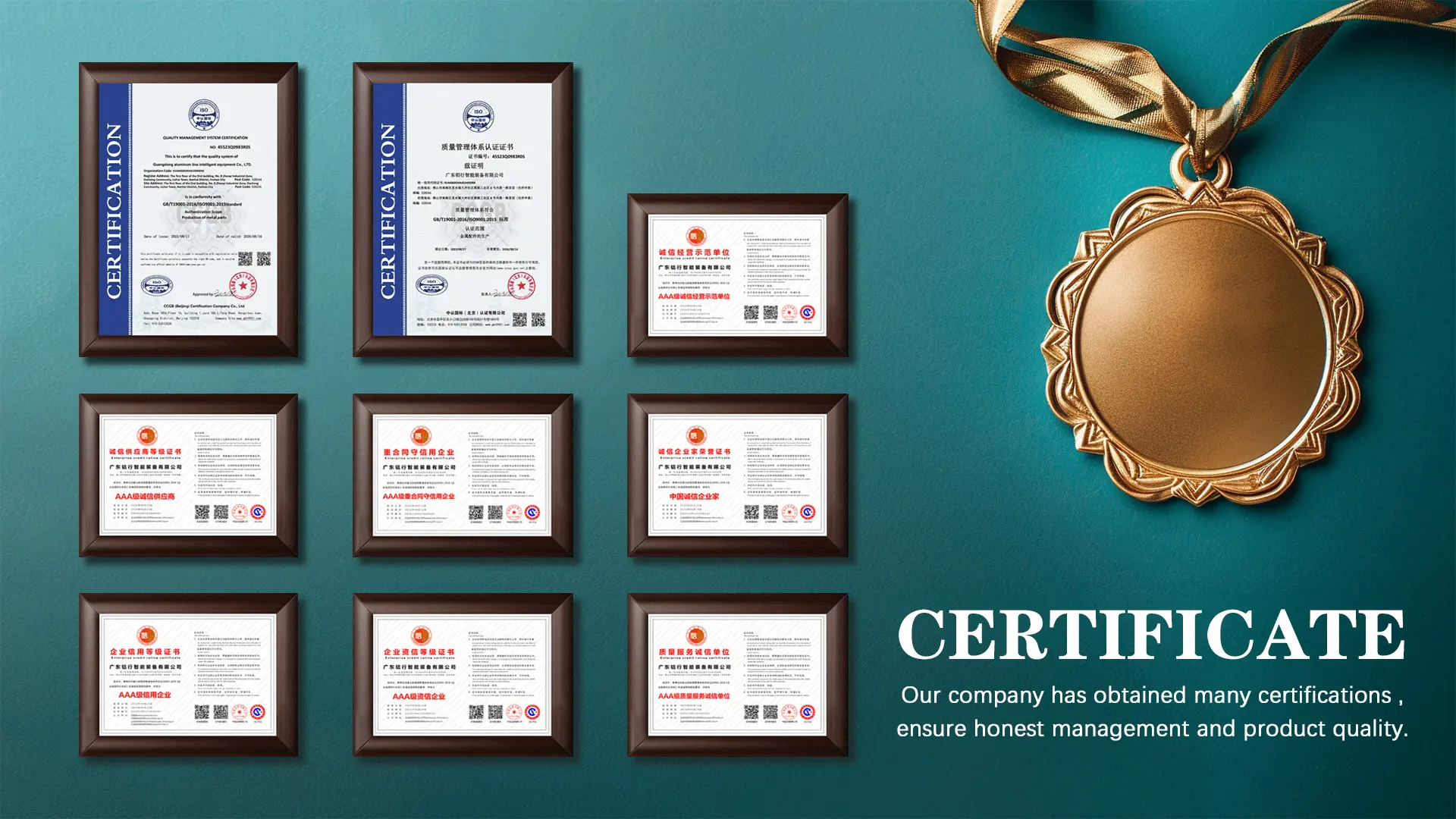
LvXing is recognized as a national excellent and honest enterprise. Our design, production, and quality control systems are fully certified under the GB/T19001-2016/ISO9001:2015 standard, ensuring absolute consistency in every batch of customized deck safety nets and helipad profiles shipped worldwide.
Verified technical excellence, premium raw material processing, and deep engineering design experience

We have obtained the "Special Aluminium Materials for Aerospace" Certificate, validating our ability to supply critical high-durability environments.
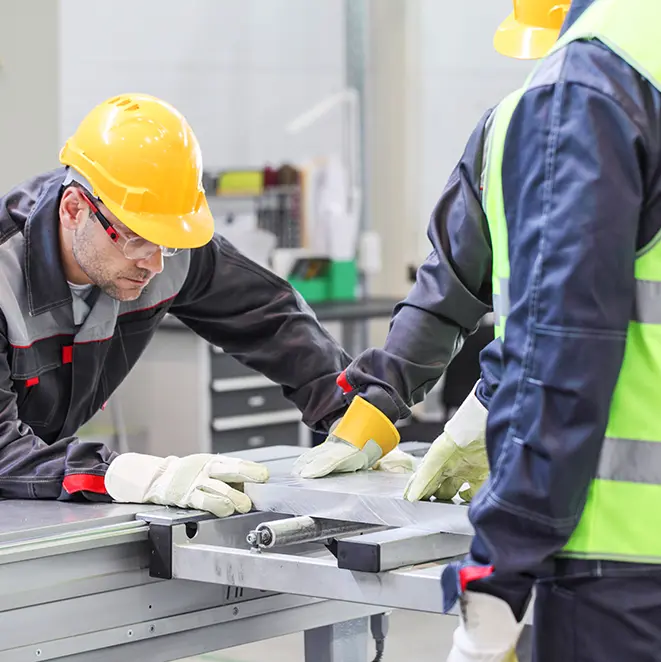

Utilizing high-quality Fenglu profiles and 800T to 20,000T extrusion lines. We process alloys 1xxx to 7xxx, creating profiles up to 1.2m width or 28m length.
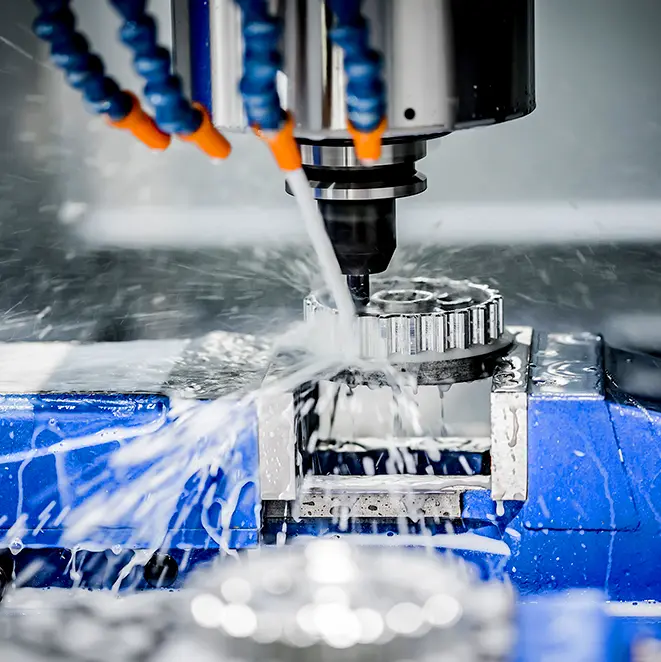

Our team of technicians boasts 15 years of experience. We turn ideas into products that meet specific requirements and identify potential structural issues early.
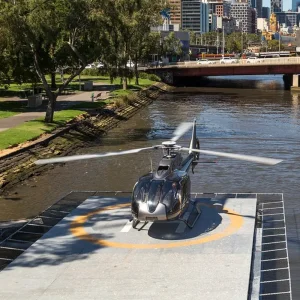
Customized deck nets and helipad safety perimeters are vital across diverse demanding environments.
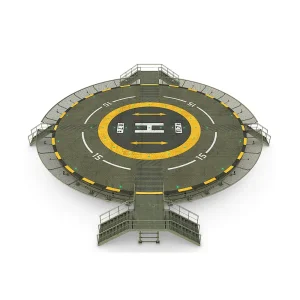
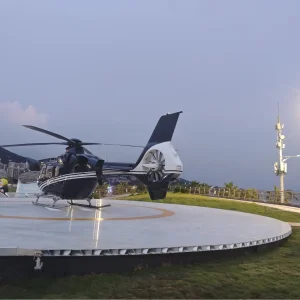
Used on deep-sea drillships, FPSOs, superyachts, and military vessels. These environments require severe marine-grade corrosion defense (typically 6061-T6/6082-T6 aluminum alloys) to survive constant exposure to high-saline ocean spray and extreme UV radiation.
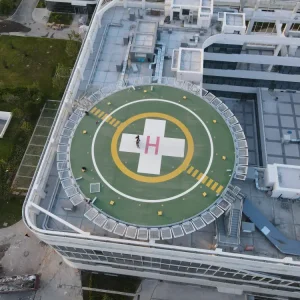
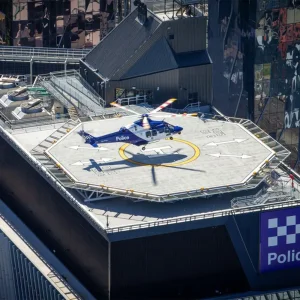
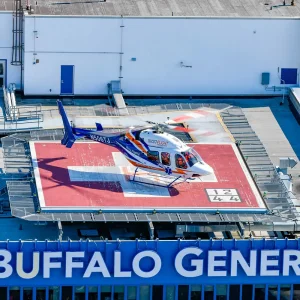
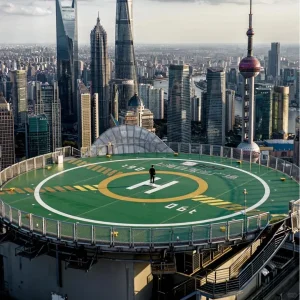
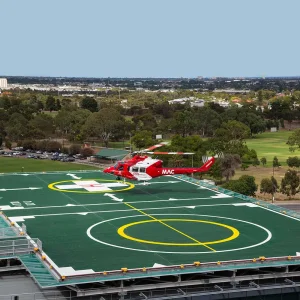
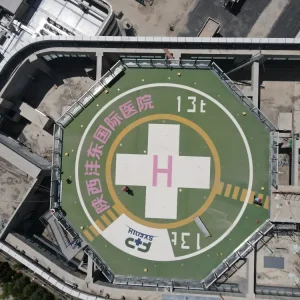
Emergency rescue landing zones atop skyscrapers demand lightweight aluminum structural frames to minimize structural loads on buildings. Safety nets must be tension-adjustable, durable, and highly visible, providing secure containment for EMS crew and personnel during rapid transit.
High-wind shear profiles are critical for skyscraper rooftops. Our aerodynamic aluminum profiles and heavy-duty safety netting structures resist lift forces under high-altitude wind conditions, maintaining platform structural integrity and compliance with national fire code safety requirements.
Globally, the market is undergoing a transition from traditional steel-woven meshes to highly engineered, modular aluminum structural systems. The primary driver is the total cost of ownership (TCO) and occupational health and safety (OHS) regulations. Lightweight aluminum alloys mean easier installation without heavy-duty cranes, reduction of structural deadweight on offshore platforms, and zero maintenance costs associated with rust prevention. Furthermore, the rising volume of emergency medical transport flights has triggered stricter enforcement of perimeter safety protocols globally, driving demand for CAP 437 certified customized deck nets.
To facilitate engineering procurement, we offer extensive custom manufacturing parameters. The table below represents the standard physical properties of our structural aluminum materials and safety netting designs.
| Property / Specification | Technical Details & Values | Standards Compliance |
|---|---|---|
| Alloy Series Capability | 1xxx, 2xxx, 3xxx, 5xxx, 6xxx, 7xxx Series | GB/T 3190-2020 / ASTM B221 |
| Extrusion Capabilities | From 800T up to 20,000T presses | Industrial Precision Extrusion |
| Max Section Dimensions | Width: up to 1.2m | Length: up to 28m | Custom structural tooling designs |
| Tensile Strength (6082-T6) | ≥ 310 MPa | EN 755-2 / ASTM B221 |
| Yield Strength (6082-T6) | ≥ 260 MPa | EN 755-2 |
| Net Type Options | Stainless steel cable mesh, high-strength aluminum wire mesh, synthetic CAP437 nets | CAP 437 / FAA AC 150/5390-2C |
| Surface Processing | Anodizing, Powder Coating, Electrophoresis, PVDF coating | AAMA 2604 / Qualicoat standards |
For international supply chain directors, buying deck nets from China requires evaluating factory capability beyond price points. Procurement professionals must scrutinize testing procedures. At LvXing, we welcome third-party inspections (such as SGS, BV, or DNV) to verify that raw chemical configurations and load testing correspond to project specifications. Our close proximity to the port of Guangzhou/Shenzhen minimizes shipping logistics times, and our structural packaging prevents physical damage during ocean freight transit.
We solve the "design gap" by employing an engineering team that translates initial customer ideas into high-fidelity CAD/BIM models. We analyze parameters such as wind drag coefficients, environmental exposure profiles, and assembly tolerances. This ensures that when components arrive on site, they bolt together seamlessly without on-site cutting or welding, ensuring immediate compliance and structural safety.
Addressing the core queries of marine engineers, architects, and industrial procurement agents
Providing heavy-duty profiles and custom nets to meet diverse industrial engineering needs
 LvXing