Precision Engineering, Large-Scale Heavy-Duty Extrusions, and Bespoke Structural Solutions for Global Infrastructure, Marine Systems, and Aerospace Applications
Explore our specialized line of high-performance architectural and industrial structural systems certified for critical safety applications.
Established in 2015 and located in the core industrial hub of Foshan City, Guangdong, LvXing Intelligent Equipment Co., Ltd. has developed into a premier force in high-precision aluminum extrusion manufacturing. Backed by a highly experienced R&D team, we continuously push the boundaries of structural engineering to convert complex client concepts into physical reality, matching stringent parameters across various extreme-demand sectors.
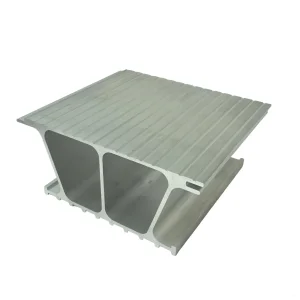
We strictly utilize premium raw materials, primarily sourced from industry-benchmark Fenglu aluminum, to ensure the absolute purity, mechanical reliability, and structural predictability of our extrusions. Operating advanced presses ranging from 800T to 20,000T, our extrusion capabilities comfortably encompass processing high-strength alloys across the 1xxx, 2xxx, 3xxx, 5xxx, 6xxx, and 7xxx series. This expansive press capacity enables us to produce massive profile cross-sections up to 1.2 meters in width and up to 28 meters in linear length.
Every phase of our production—from precision billet preheating and die design to secondary CNC machining, chemical surface treatments, and packing—is governed by our GB/T19001-2016/ISO9001:2015 certified quality management system. LvXing stands as an accredited national excellent and honest enterprise, trusted by industry leaders globally.
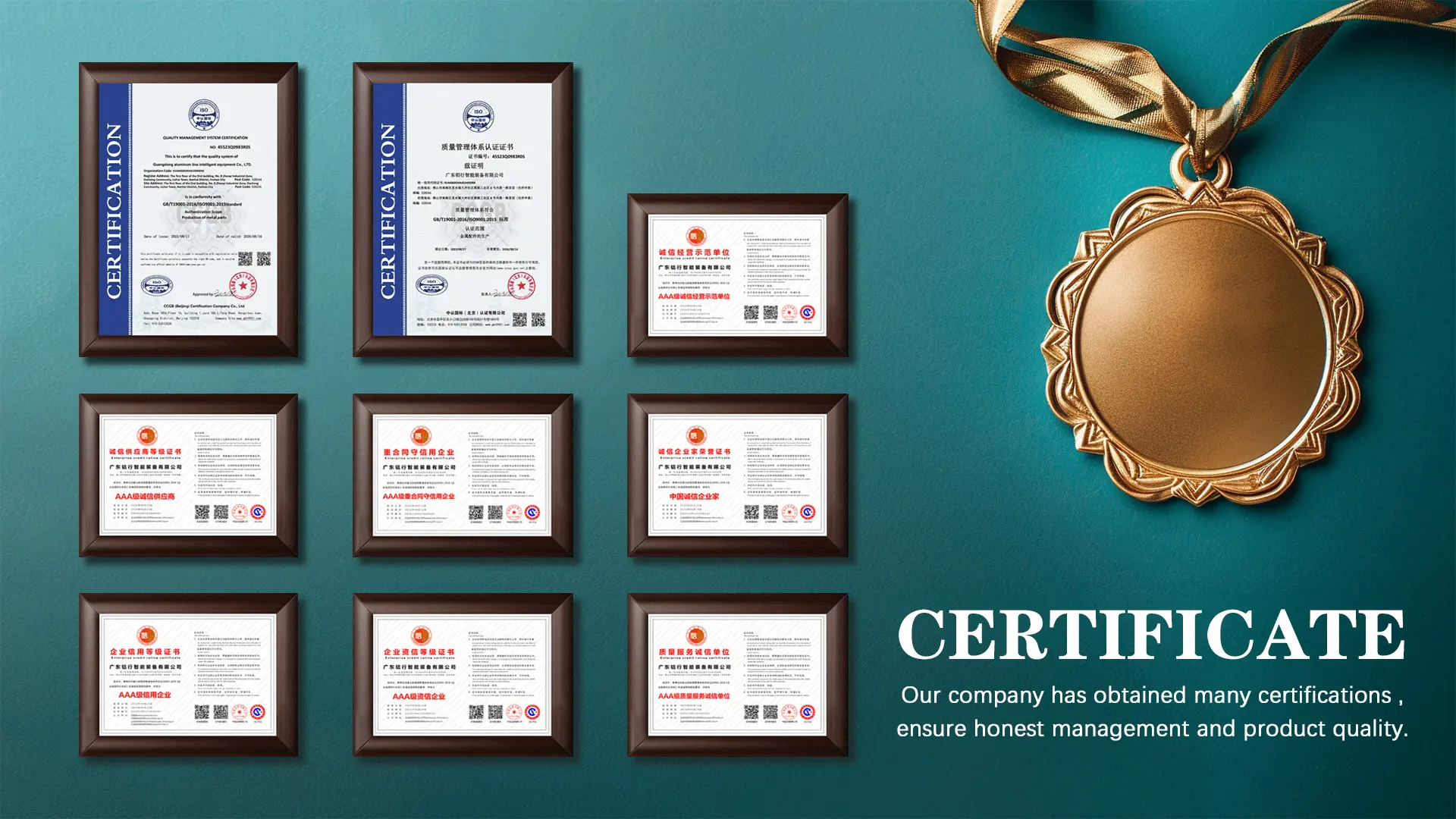
How we leverage high-tonnage metallurgy, specialized certifications, and deep design expertise to outclass industry benchmarks.
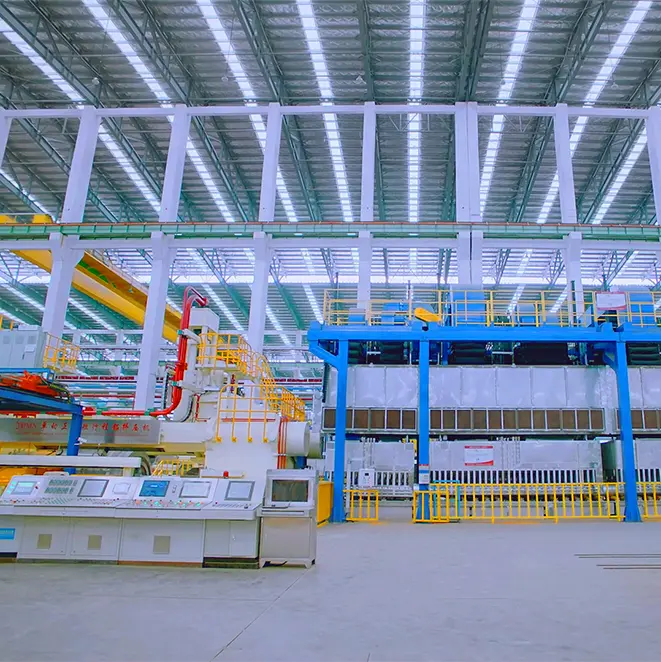

We have successfully obtained the highly sought-after "Special Aluminium Materials for Aerospace" Certificate. This ensures our 2xxx, 7xxx, and high-performance 6xxx series extrusions meet international aerospace tolerances, providing superior fatigue limit resistance and micro-structural consistency for load-bearing configurations.
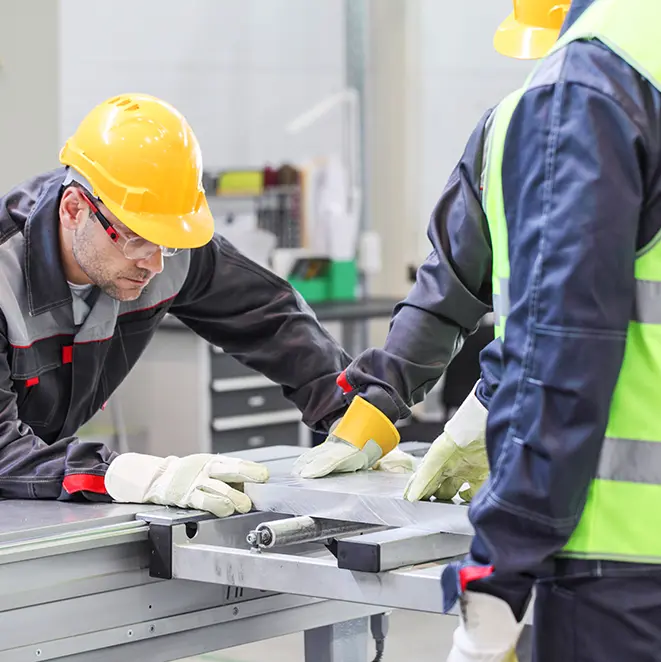

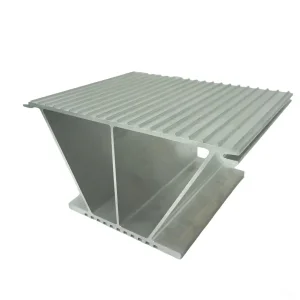
We provide and utilize high-quality Fenglu aluminum profiles. Utilizing our heavy-duty extrusion lines ranging from 800T up to 20,000T, we process standard and custom profiles in alloys 1xxx, 2xxx, 3xxx, 5xxx, 6xxx, and 7xxx. This machinery allows the fabrication of ultra-wide, one-piece structural shapes measuring up to 1.2m wide or 28m long, drastically reducing weld interfaces and weak points.
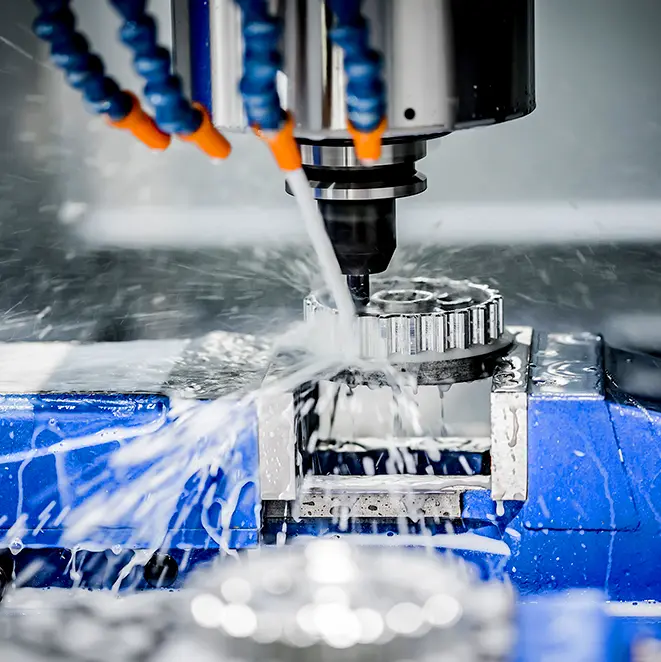

Our dedicated engineering department consists of veteran technical advisors boasting over 15 years of hands-on metallurgical and mechanical experience. By analyzing raw concept models, structural finite elements (FEA), and architectural requirements, we identify potential issues early in the design stage, suggesting structural optimizations to match strict physical parameters.
Strategic insights for procurement directors, structural engineers, and logistics managers handling high-volume aluminum sourcing.
The global industrial sector is undergoing a rapid decarbonization shift. Standard aluminum smelting is energy-intensive, pushing leading contractors in Europe and North America to mandate low-carbon extrusions. Procurement directors are actively filtering manufacturers based on clear environmental indicators, including:
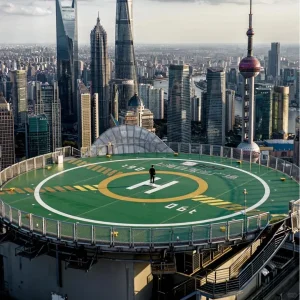
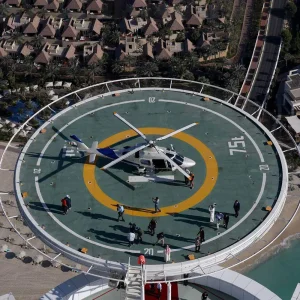
With infrastructure applications growing increasingly complex—especially in high-elevation urban skyscraper helipads and marine vessel decks—there is zero room for micro-cracks or dimensional deviations. Structural specifications are tighter than ever:
Providing specialized engineering packages tailored for structural challenges in demanding physical environments.
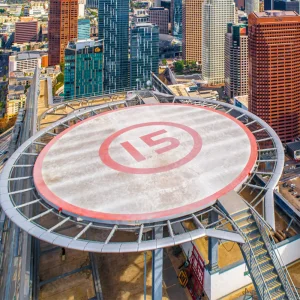
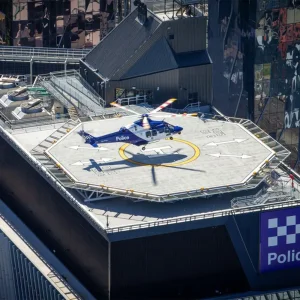
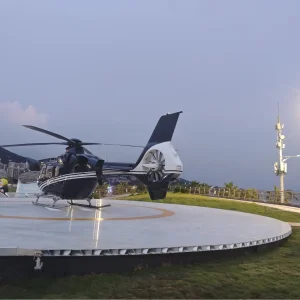
Our aluminum structural profiles are custom-engineered to dynamic loads and aerodynamic turbulence at extreme heights. Lightweight properties minimize roof dead-load, reducing primary building concrete support costs while guaranteeing ultimate strength limits for commercial helicopter landings.
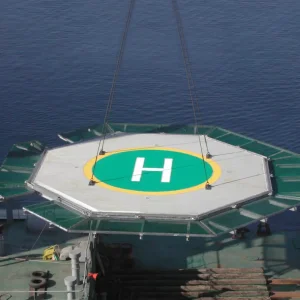
To resist salt-spray corrosion (C5-M environment), we offer tailored 5xxx and 6xxx series profiles. These profiles undergo advanced marine-grade anodizing or electrophoretic coating, satisfying strict marine certification requirements for offshore gas rigs, logistics vessels, and luxury yachts.
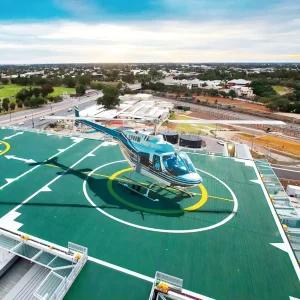
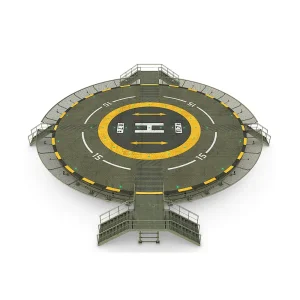
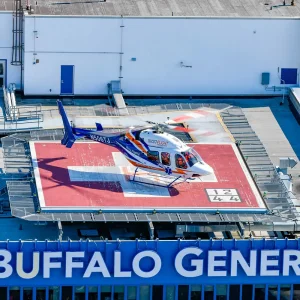
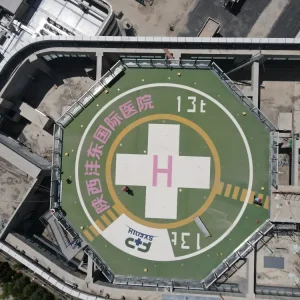
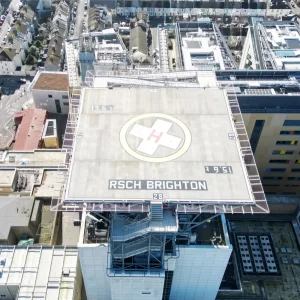
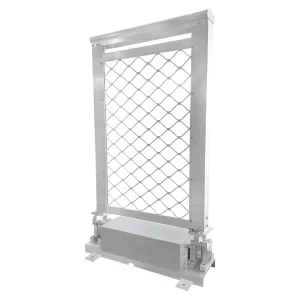
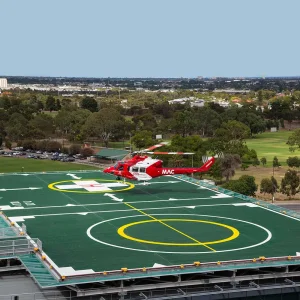
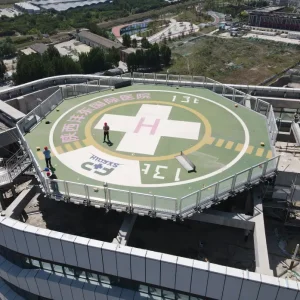
Time is critical in medical emergencies. Our prefabricated modular aluminum helipad systems allow rapid assembly, immediate certification compliance, and low maintenance. Integrated perimeter safety nets and warning light channels fit seamlessly into the extruded shapes.
Sourcing structural metal products from China requires strict quality checks and verification. At LvXing, we reduce global procurement risks through structural validation:
Navigating anti-dumping duties and global tariff codes requires specialized knowledge. We work closely with experienced customs brokers and shipping agents to provide transparent H.S. Code classifications and flexible shipping terms (FOB, CIF, DDP).
Additionally, by supplying modular prefabricated components rather than raw metal bars, we help clients utilize optimal import categories, lowering overall duty rates and speeding up customs clearance.
A strategic look at how we adapt to next-generation structural demands and technological advancements.
Developing custom chemical trace structures in 6xxx/7xxx series alloys to boost mechanical yield strength by 15% without reducing profile ductilities.
Using real-time sensor technologies to monitor temperature and metal flow speed, avoiding internal micro-porosity during extrusions.
Expanding our FSW welding bays to combine wide extruded profiles with minimal heat-affected zones (HAZ) for marine structures.
Implementing digital product passports showing carbon footprints per kilogram of aluminum shipped to European partners.
Common questions answered by our engineering and metallurgical departments.
Examine the second half of our specialized structural profiles portfolio, certified for critical architectural and industrial installations.
 LvXing