Explore our elite portfolio of high-strength structural profiles, aluminum safety nets, and customizable helideck components designed to secure aerospace installations globally.
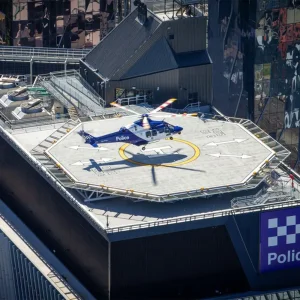
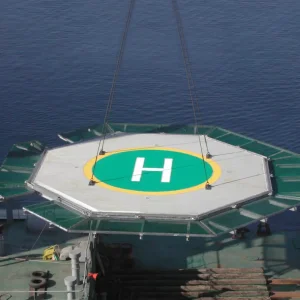
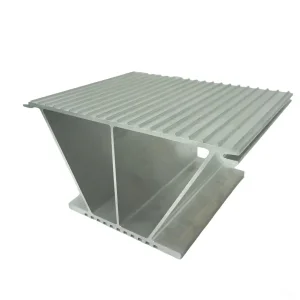
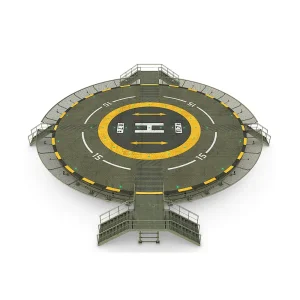
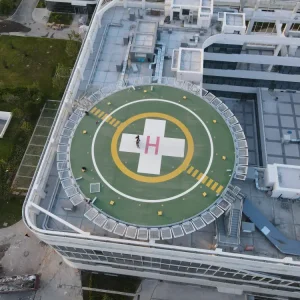
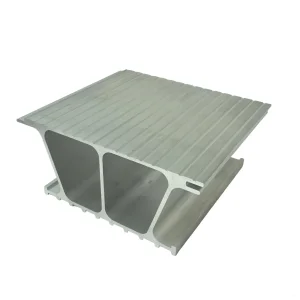
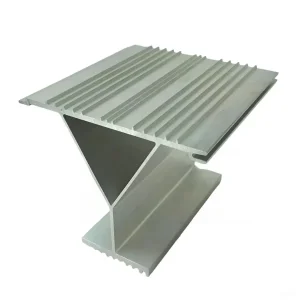
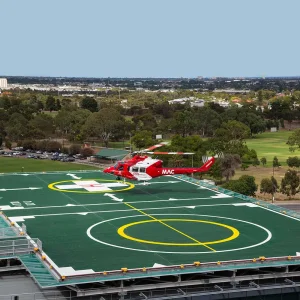
Helicopter Landing Zone (HLZ) perimeter safety nets are not merely secondary barrier systems; they are critical life-safety infrastructure designed to withstand intense dynamic loads, high wind forces, and severe maritime or municipal environments. From deep-sea oil platforms facing corrosive marine conditions to urban rooftop emergency medical services (EMS) pads, the architectural and structural integrity of safety netting systems is paramount.
As a premier supplier specializing in high-performance aluminum landing systems, LvXing Intelligent Equipment Co., Ltd. offers customized wire mesh, heavy-duty alloy profiles, and complete perimeter nets engineering. With a solid engineering framework governed by international standards such as CAP 437 (Standards for Offshore Helicopter Landing Areas) and FAA AC 150/5390-2D, our solutions ensure absolute landing pad boundary safety, protecting crews, equipment, and structural investments worldwide.
Dynamic absorption of impact loads to prevent helideck rebound while ensuring reliable perimeter capture.
Manufactured using premium Fenglu aluminum to optimize lightweight structural efficiency and durability.
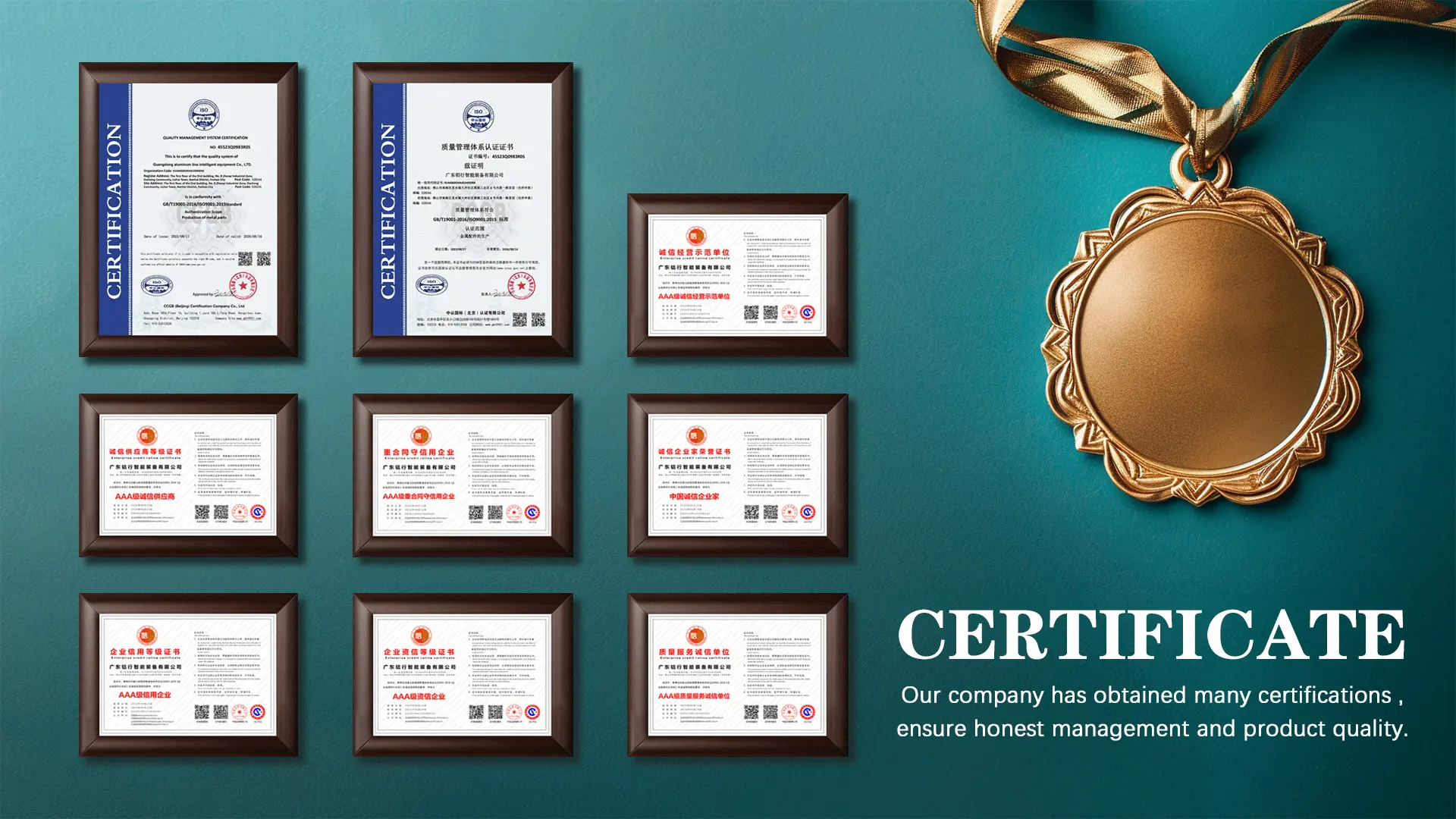
Why global aerospace, military, and maritime operations trust Lvxing Intelligent Equipment for helideck solutions.
Lvxing has officially obtained the coveted "Special Aluminium Materials for Aerospace" Certificate. This ensures our metal processing and composition control meet stringent global standards for commercial, civil, and military aerospace applications.
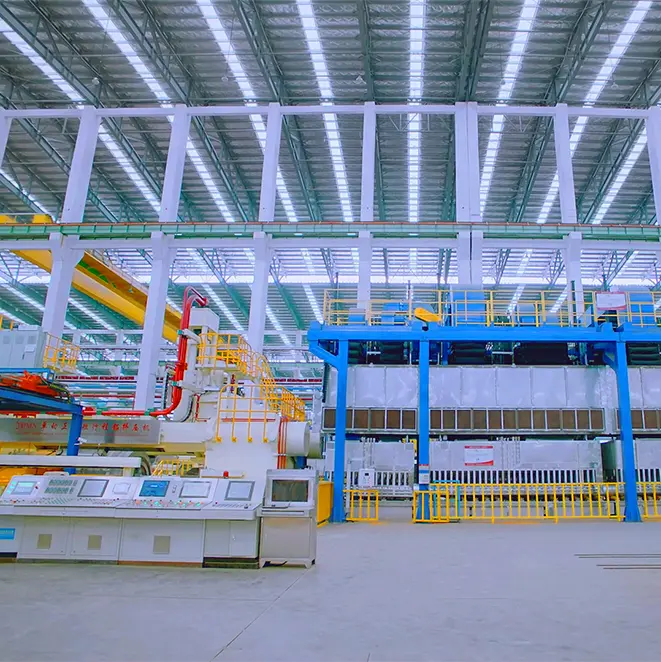
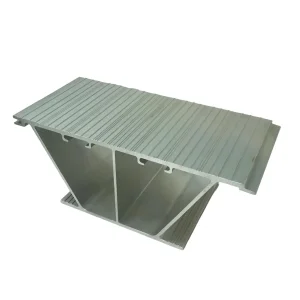
Utilizing high-grade Fenglu aluminum, our state-of-the-art facilities host extrusion presses ranging from 800T to 20,000T. We process 1xxx, 2xxx, 3xxx, 5xxx, 6xxx, and 7xxx series alloys, outputting massive shapes up to 1.2m wide and 28m long.
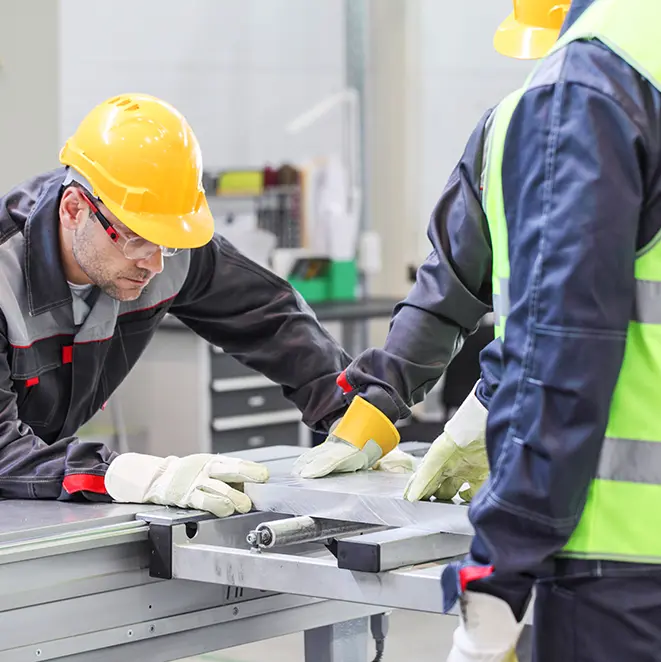
Our dedicated team of engineering specialists holds over 15 years of technical expertise in aluminum structures. We work in tandem with clients to identify potential structural issues, optimize designs, and turn abstract layouts into highly functional physical nets.
Engineered variations adapting to highly specialized operating environments.
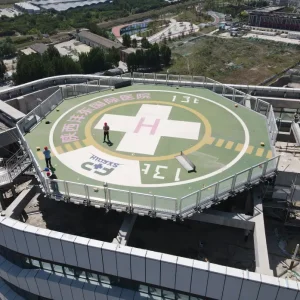
Operating in salt-spray heavy offshore platforms requires landing zones resistant to extreme corrosion. Our aluminum alloy profiles (primarily seawater-resistant 5xxx and marine-grade 6xxx series) matched with robust structural nets prevent rapid degradation while matching CAP 437 guidelines for structural stability.
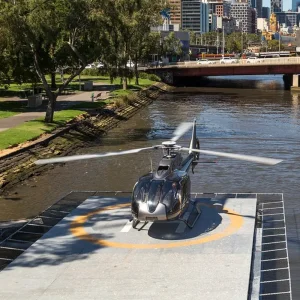
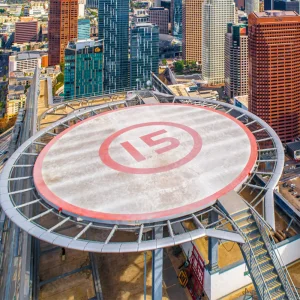
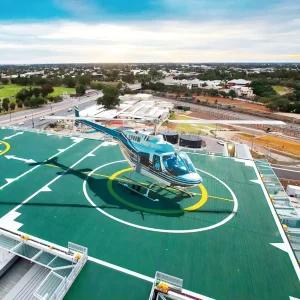
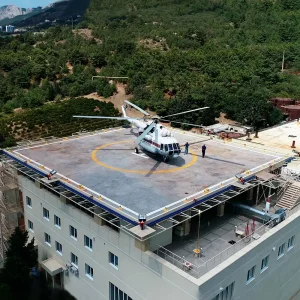
Rooftop landing zones on medical centers or corporate skyscrapers demand ultra-lightweight structural configurations to mitigate load stresses on building structures. We engineer custom aluminum framework profile configurations that distribute landing impact, along with unobtrusive drop-protection perimeter nets.
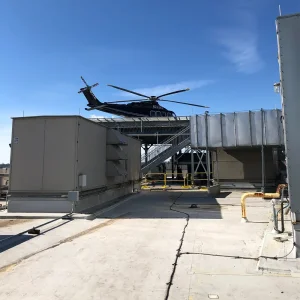
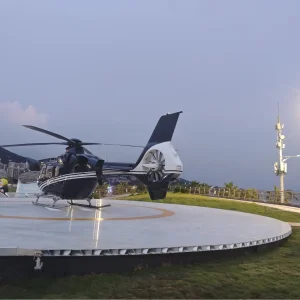
Tactical deployment fields and rapid-assembly landing surfaces require modularity and rapid assembly features. Our lightweight aluminum wire mesh combined with high-toughness alloy profiles allows rapid field integration, guaranteeing stable, predictable flight-deck barriers in remote regions.
Pioneering the next generation of smart, high-performance safety structures.
As aviation design trends move toward larger, heavy-lift commercial and military helicopters (such as the Sikorsky CH-53K or multi-rotor eVTOL configurations), standard safety parameters must adapt. Lvxing Intelligent Equipment is continuously updating its technology roadmap to match these structural evolutions:
How Foshan's manufacturing intelligence enables premium quality at scale.
Located in the heart of China’s advanced aluminum hub, Foshan City, Guangdong, our factory operates on modern production parameters. Leveraging localized access to raw materials and top-tier partners like Fenglu Aluminum, Lvxing minimizes raw material lead times and avoids supply chain bottlenecks.
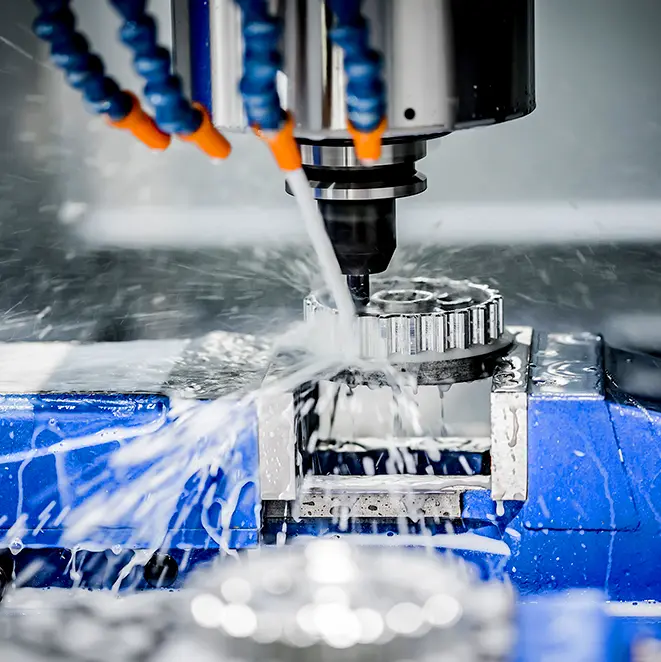
Our quality management architecture is certified under GB/T19001-2016 / ISO9001:2015, meaning every millimeter of profile extrusion, anodization layer, and safety net weave is fully traceable. From raw billet inspection using optical spectrometers to post-machining tolerance testing under laser gauges, we eliminate defects before shipment.
With a production footprint capable of handling extrusion profiles up to 28 meters long, we provide global logistics partners with pre-modularized structures that assemble quickly on-site, cutting labor requirements and ensuring high-accuracy mechanical fitment.
Aligning with commercial and military logistics criteria.
Large procurement offices require clarity on regulatory compliance, risk mitigation, and packaging safety. We simplify cross-border sourcing through structured quality checkpoints, comprehensive documentation, and direct engineering consultations.
Every shipment is accompanied by Mill Test Reports (MTR) verifying metal chemical composition, yield strength, elongation properties, and compliance with ASTM and EN structural standards.
We perform rigorous salt spray and chemical exposure tests on finished safety mesh and anodized profiles to verify life expectancy in offshore maritime operations.
We pack oversized extrusions (up to 28m long) in reinforced steel-framed crates, ensuring zero warping or physical damage during sea freight transit.
Answers to common structural engineering, procurement, and design questions.
Our structural aluminum profiles and safety nets are manufactured in compliance with international aerospace and maritime regulations, including CE, ISO9001:2015, and Chinese GB/T19001-2016. Furthermore, we design components to align with CAP 437 (Offshore Helideck Standards) and FAA Advisory Circulars for safety perimeter designs.
We highly recommend utilizing 5xxx or 6xxx series alloys (such as 5083, 6061-T6 or 6082-T6) due to their exceptional corrosion resistance against chloride ions in marine air. Our partnership with Fenglu allows us to secure raw materials with verified metallurgical traits for extreme conditions.
Absolutely. Our in-house technical department features design engineers with over 15 years of industry experience. We can accept engineering drawings (CAD, STP, PDF), assist in design optimization, check structural integrity, and produce custom extrusion dies to meet exact geometric profiles.
With our advanced manufacturing setup, which features extrusion presses up to 20,000T, we can extrude complete aluminum components with a maximum width profile section of 1.2 meters and a continuous length of up to 28 meters.
Select custom structural netting components and structural alloys to round out your system build.
 LvXing