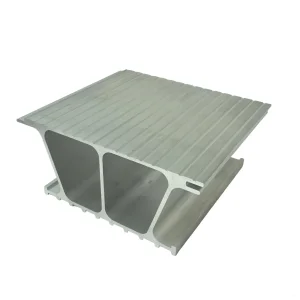
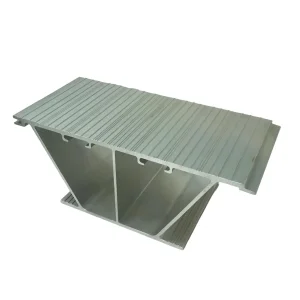
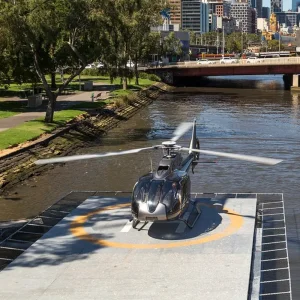
The technical imperative for high-strength aluminum alloy perimeter safety structures in modern landing operations.
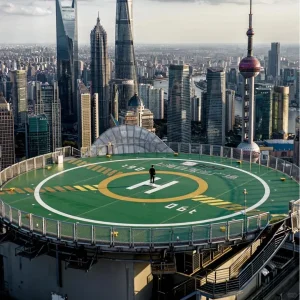
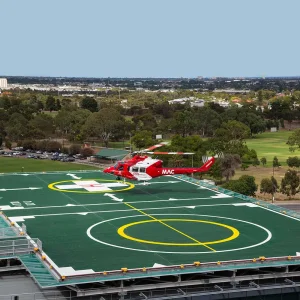
In high-risk marine, offshore, and rooftop aviation environments, the helideck perimeter safety net functions as a vital component of the overall structural protective system. As commercial, emergency, and military helicopter movements rise globally, the requirements for perimeter containment systems have transcended simple netting. Today, they represent deeply engineered safety systems designed to prevent personnel and heavy objects from falling over the deck margins during intense wind shear or mechanical anomalies, while absorbing kinetic energy without failing.
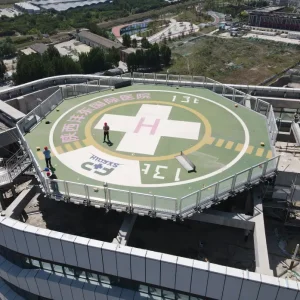
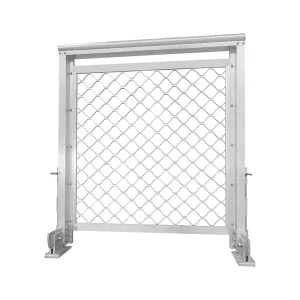
Civil Aviation Authority publications such as CAP 437 (Standards for Offshore Helicopter Landing Areas) dictate that safety nets must be installed around the perimeter of the helideck unless structural features themselves offer adequate protection. Crucially, the net must extend outward by at least 1.5 meters from the deck line, displaying an upward inclination of approximately 10 degrees to hold an impacted individual securely. Traditional stainless steel net structures, though robust, present significant self-weight issues and susceptibility to crevice corrosion. Lvxing's advanced structural aluminum alloy mesh represents a massive architectural evolution, yielding lower structural loads on cantilevered framing while offering outstanding tensile and shear capacities.
Strictly manufactured to comply with CAP 437, FAA Advisory Circulars, SOLAS, and major international marine classification society specifications.
Leveraging high-tensile 6000 and 7000 series aerospace-grade aluminum alloys, optimized to lower static structural deck load calculations.
Engineered to resist high salinity, marine atmospheric exposure, extreme UV degradation, and chemical cleaning agents over extended operational lifetimes.
Pioneering precision aluminum engineering with massive production capacity and verified quality standards.
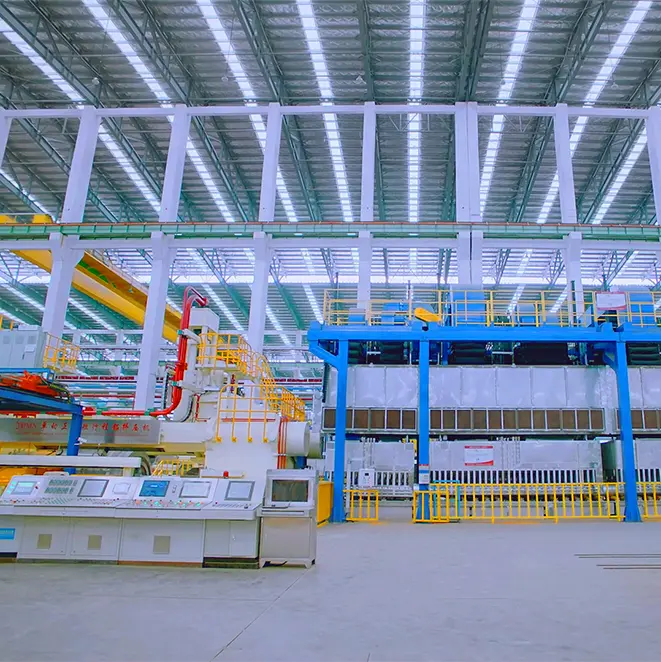
Established in 2015 and located in Foshan City, Guangdong, LvXing Intelligent Equipment Co., Ltd. boasts a skilled R&D team with extensive experience. We leverage exceptional technical expertise to effectively transform customers' ideas into reality, consistently meeting their precise requirements.
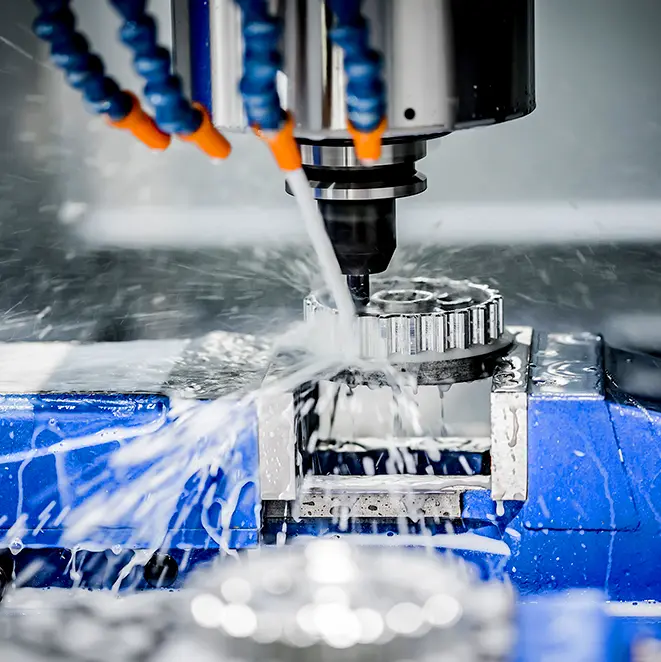
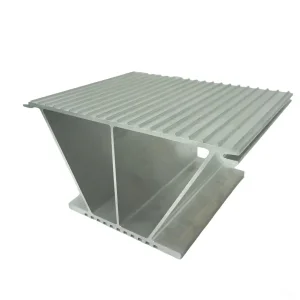
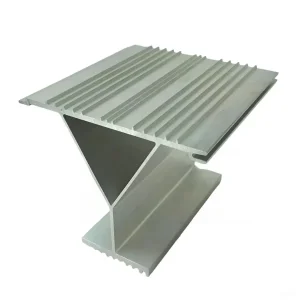
We utilize premium Fenglu aluminum, offering a diverse range of profiles for flexible applications. Our extrusion lines, ranging from 800T to 20,000T, accommodate alloys 1xxx, 2xxx, 3xxx, 5xxx, 6xxx, and 7xxx, allowing us to produce shaped products with section dimensions up to 1.2 meters in width and 28 meters in length. These products are recognized for their precision and meticulous processing, finding broad application in aerospace, military, medical, and industrial sectors.
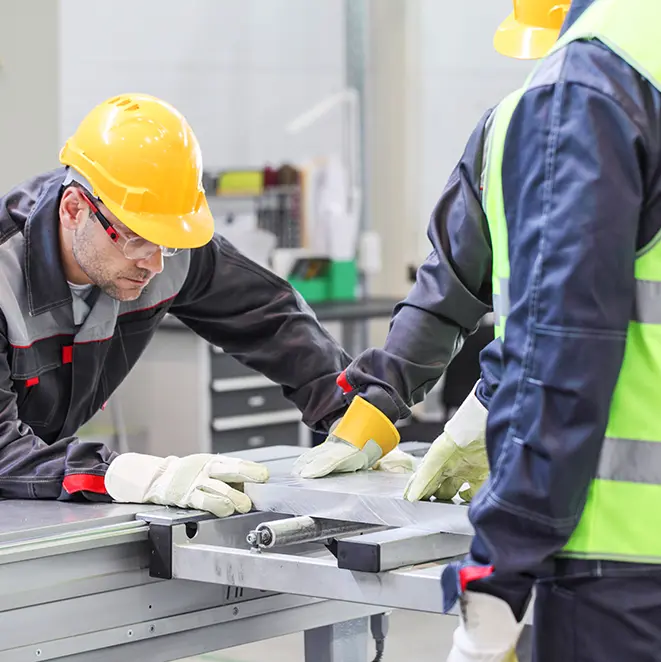
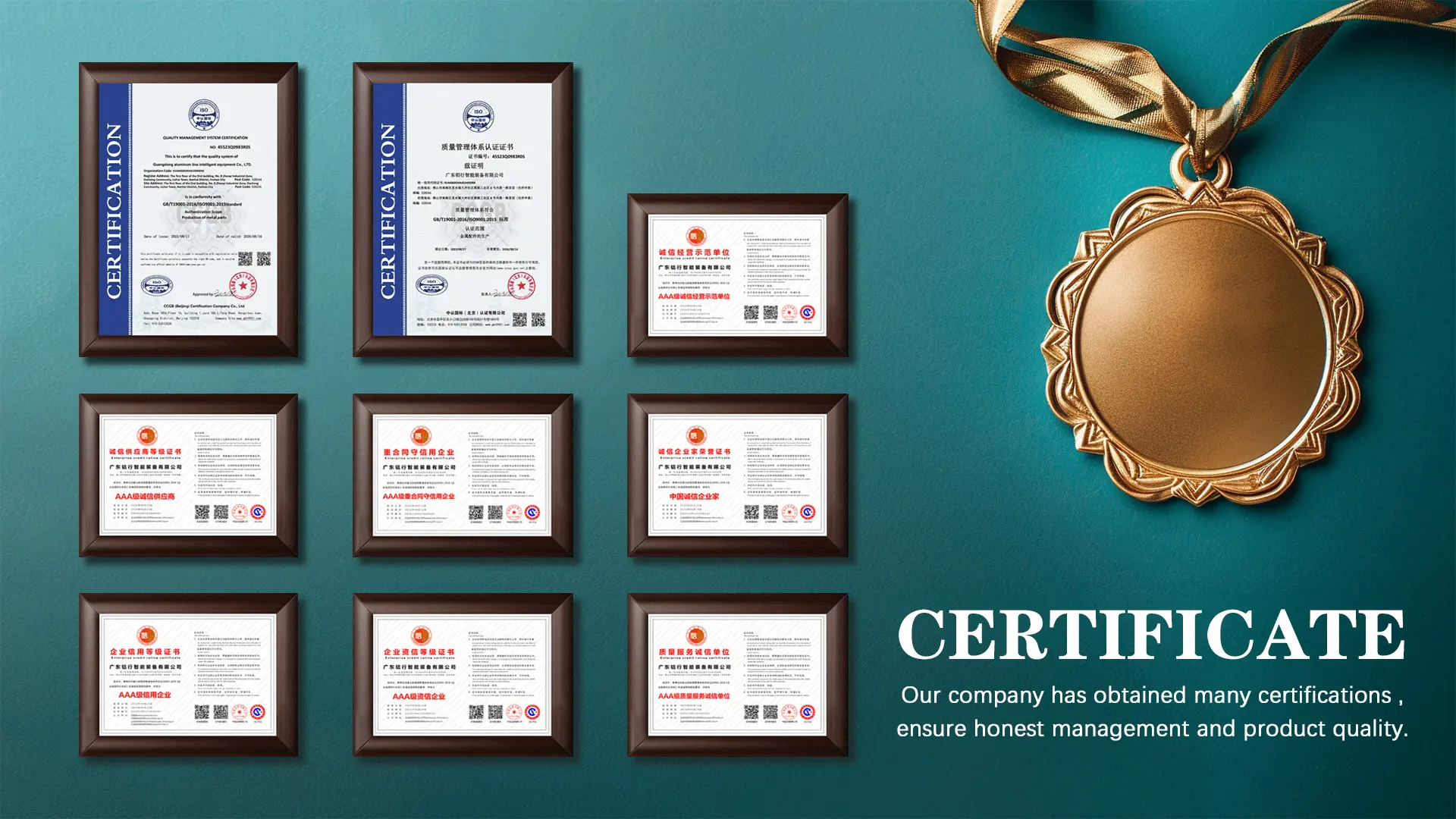
Our commitment to excellence is evident throughout the manufacturing process, rigorous quality control, thorough packaging, and efficient shipping procedures. This dedication has earned us recognition as a national excellent and honest enterprise, along with quality system certification in accordance with GB/T19001-2016/ISO9001:2015 standards.

We have obtained the "Special Aluminium Materials for Aerospace" Certificate, verifying our structural profiles meet demanding load parameters.

Utilizing Fenglu profiles from 800T to 20,000T lines. Able to produce alloys 1xxx to 7xxx, up to 1.2m wide or 28m long.

Our experienced team turns concept designs into real products, managing structural calculations and resolving potential integration issues proactively.
Optimized structural designs specifically developed for various global geographical and architectural locations.
Engineered for harsh environments like the North Sea and Gulf of Mexico. Designed with 316 Stainless Steel mesh panels combined with marine-grade 6082-T6 aluminum frames to resist continuous salt spray and extreme wind loads.
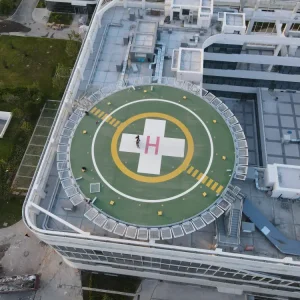
Prioritizing weight reduction, ease of maintenance, and emergency response safety. Features integrated custom high-strength modular frames that minimize static loading on urban buildings.
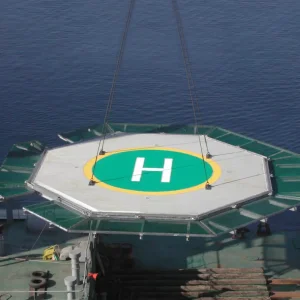
Custom fold-down mechanisms and swing-away framing designs that accommodate tight deck configurations. Offers rapid manual or semi-automated deployment without interfering with the ship's gunwale operations.
A complete breakdown of alloys, mechanical properties, and structural parameters.
Selecting the correct aluminum alloy profile dictates the long-term safety factor of your safety perimeter. Under high wind turbulence, the structure must absorb cyclical stress without developing micro-fissures. Lvxing's capability to extrude 6082-T6 and 7075 alloys via our 20,000T line ensures maximum metal density and alignment of structural grain patterns.
| Parameters | Alloy 6061-T6 | Alloy 6082-T6 | Alloy 7075-T6 | 316 Stainless Steel (Ref) |
|---|---|---|---|---|
| Tensile Strength (MPa) | ≥ 310 | ≥ 340 | ≥ 570 | ≥ 515 |
| Yield Strength (MPa) | ≥ 276 | ≥ 290 | ≥ 503 | ≥ 205 |
| Density (g/cm³) | 2.70 | 2.71 | 2.81 | 8.00 |
| Corrosion Resistance | Very Good | Excellent (Marine Grade) | Moderate | Excellent |
| Primary Application | Standard Frame Structures | Heavy Marine / Offshore Rigs | High-Stress Military Decking | Mesh Cable Fillers |
Any helideck perimeter safety net must undergo proof load testing. The system must successfully arrest a 125 kg body dropped from a height of 1.0 meter (simulating a fall from the deck edge) without structural failure of the mesh or anchor brackets. The net must trap the weight safely without allowing it to bounce off or escape under the framing structure.
How sensor integration and advanced materials are shaping the next generation of vertiport safety.
With the rise of Advanced Air Mobility (AAM), eVTOL aircraft, and urban vertiports, helideck structures are evolving. The next generation of safety nets must transition from passive capture barriers to active sensor platforms.
Integrating micro-electronic strain gauges directly into the structural aluminum brackets. These sensors report load values in real-time, notifying structural engineers of impacts, heavy snow loads, or fatigue from high offshore winds.
Implementing super-hydrophobic nano-coatings onto the anodized aluminum profiles to prevent ice accumulation in sub-zero environments, which can create dangerous falling-ice hazards for personnel and helideck machinery.
Developing pre-engineered modular hinge brackets that allow a single technician to replace damaged net frames in under 15 minutes, minimizing downtime on busy commercial helidecks.
Expert technical answers regarding structural design, compliance, and material specifications.
 LvXing