Engineered to comply with CAP 437, FAA, and ICAO regulations. High structural durability for harsh marine and rooftop installations.
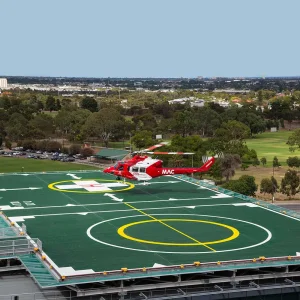
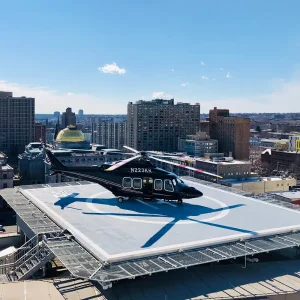
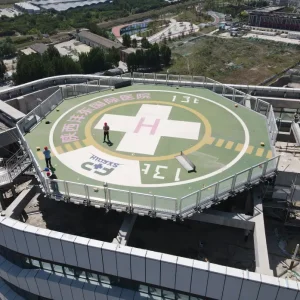
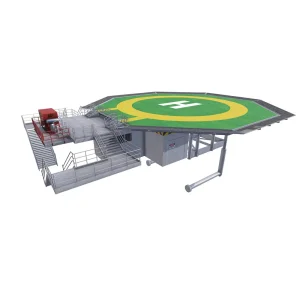
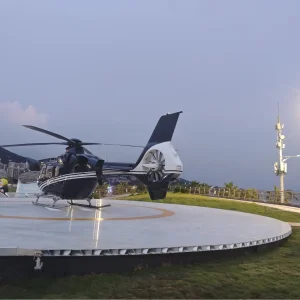
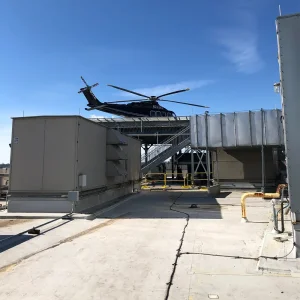
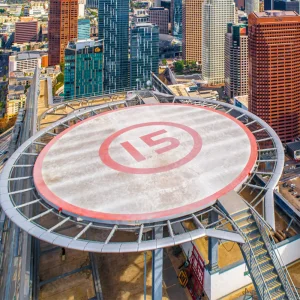
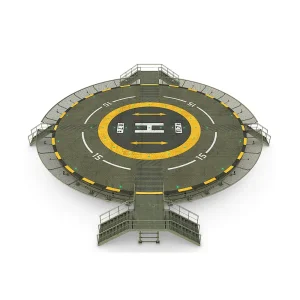
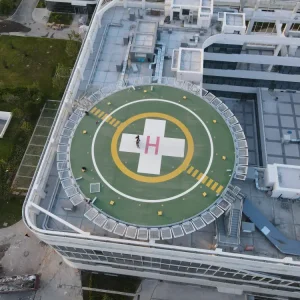
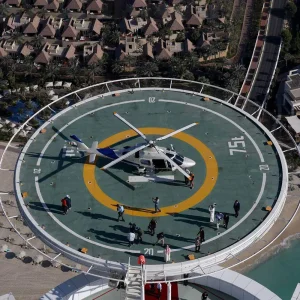
Helideck safety nets are critical passive safety barriers installed around the perimeter of offshore platforms, floating production storage and offloading (FPSO) vessels, marine ships, and high-rise commercial rooftop helipads. Their primary function is to prevent personnel from falling overboard or off the deck structure, without presenting an obstacle to helicopter operations.
In accordance with Civil Aviation Authority (CAA) CAP 437 standards and International Civil Aviation Organization (ICAO) Annex 14 requirements, perimeter safety nets must be installed around all helideck drop zones. The nets must project at least 1.5 meters outward, have an upward inclination of approximately 10 degrees, and display no upward projection above the landing deck surface.
Modern helidecks require materials that resist severe sea-spray corrosion while maintaining structural integrity. Using high-strength marine-grade 316 stainless steel cable mesh or advanced structural aluminum alloys guarantees long-term durability. These materials are optimized to absorb dynamic kinetic loads from falls without permanent deformation.
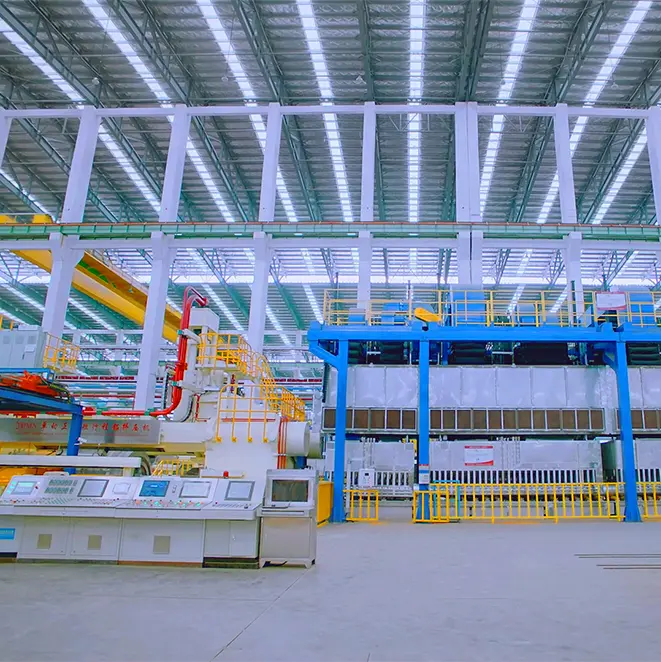
Transforming engineering concepts into robust structural solutions for high-risk offshore and urban operations.
Established in 2015 and located in Foshan City, Guangdong, LvXing Intelligent Equipment Co., Ltd. boasts a skilled R&D team with extensive experience. We leverage exceptional technical expertise to effectively transform customers' ideas into reality, consistently meeting their precise requirements.
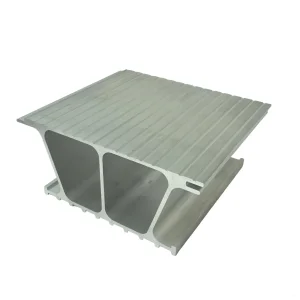
We utilize premium Fenglu aluminum, offering a diverse range of profiles for flexible applications. Our extrusion lines, ranging from 800T to 20,000T, accommodate alloys 1xxx, 2xxx, 3xxx, 5xxx, 6xxx, and 7xxx, allowing us to produce shaped products with section dimensions up to 1.2 meters in width and 28 meters in length. These products are recognized for their precision and meticulous processing, finding broad application in aerospace, military, medical, and industrial sectors.
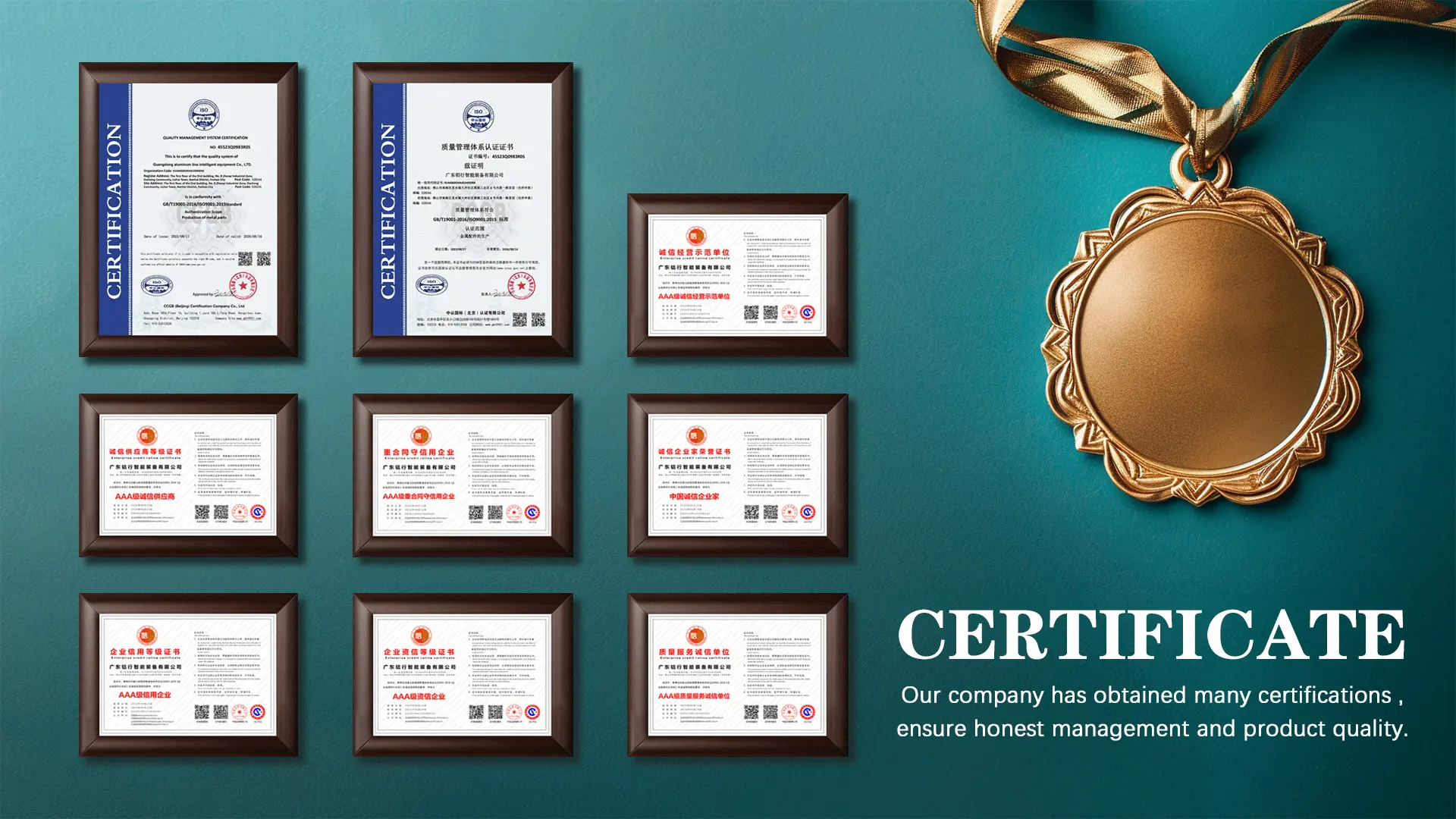
Our commitment to excellence is evident throughout the manufacturing process, rigorous quality control, thorough packaging, and efficient shipping procedures. This dedication has earned us recognition as a national excellent and honest enterprise, along with quality system certification in accordance with GB/T19001-2016/ISO9001:2015 standards. We aspire to be your trusted business partner and warmly invite you to visit our factory.
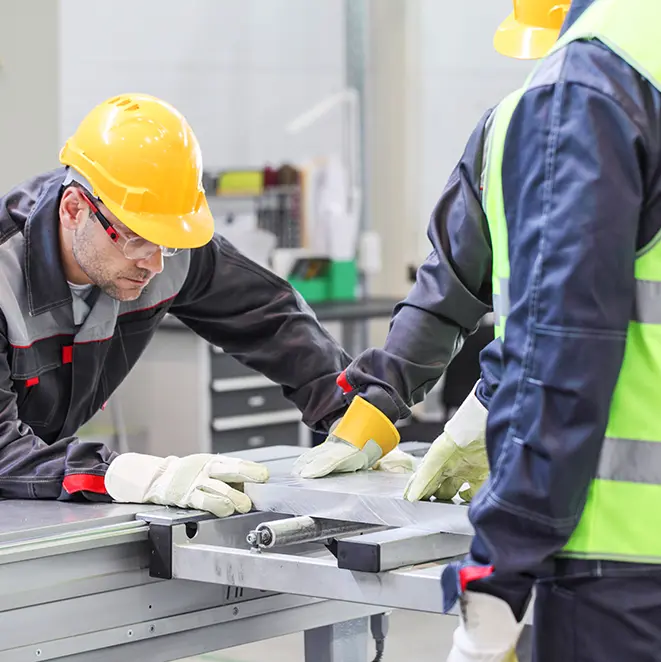

We have obtained the “Special Aluminium Materials for Aerospace” Certificate, guaranteeing that the alloys and structural profiles we deliver meet the highest industry safety regulations.
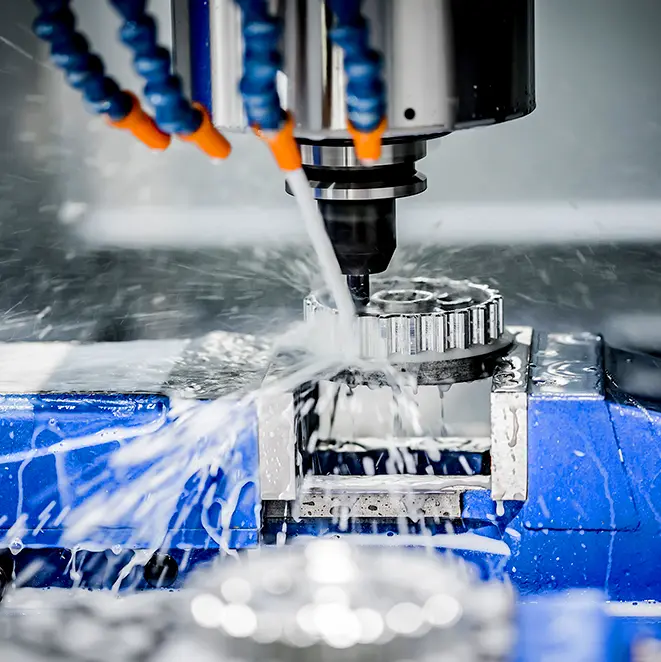

Utilizing high-quality Fenglu aluminum profiles with extrusion capacities from 800T to 20,000T. We produce alloys in the 1xxx–7xxx series, with dimensions up to 1.2m wide or 28m long.

Our technical team possesses over 15 years of experience. We identify potential structural challenges early, offering practical insights that turn conceptual blueprints into certified final products.
How helideck perimeter safety systems protect lives across offshore energy, maritime, and commercial environments globally.
The demand for highly engineered helideck safety nets is surging. Global offshore wind farms, deepwater hydrocarbon exploration, and rapid commercial rooftop development drive this growth. Modern marine structures face severe environmental loads. Wind shear, heavy corrosion, and thermal cycling require high-strength, lightweight containment netting.
Industry regulations have transitioned from basic chain-link barriers to high-performance, tensioned-cable systems. Conventional carbon steel nets suffer from high fatigue and corrosion rates, requiring frequent replacement. Modern operators specify marine-grade aluminum systems and 316 stainless steel cable mesh.
Aluminum perimeter nets offer a high strength-to-weight ratio. Using marine-grade 6082-T6 and 6061-T6 aluminum alloys provides excellent structural performance, reducing dead load on cantilevered deck structures by up to 60% compared to traditional steel frames.
C5-M (Very High Marine environment suitability without constant painting or galvanization).
Developing next-generation helideck perimeter safety structures.
Utilizing high-ductility 6xxx & 7xxx series aluminum alloys. These materials maintain high tensile strength while providing excellent energy absorption during dynamic load impacts.
Integrating fiber-optic sensors and load cells into the safety net perimeter. This technology enables real-time structural health monitoring (SHM), tracking tension drops and corrosion damage.
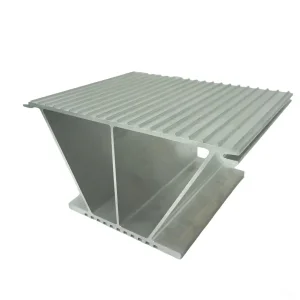
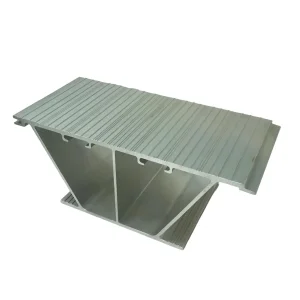
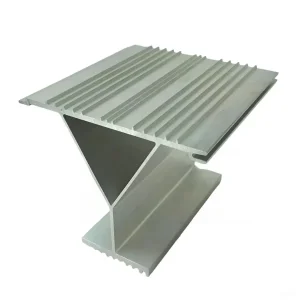
Designing airfoil-shaped aluminum extrusion profiles to minimize wind resistance, reduce turbulence above the helideck, and improve safety during helicopter landings.
Tailoring safety systems to specific industrial, marine, and urban applications.
Installed on drilling rigs and FPSO vessels operating in harsh marine environments. These systems resist high salinity, constant vibrations, and potential heavy impacts from dropped objects.
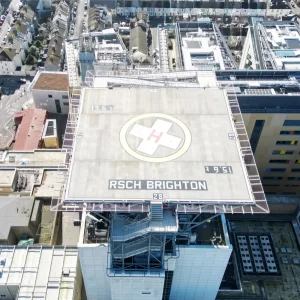
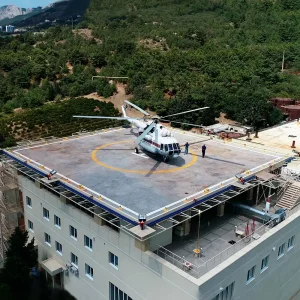
Ensures safety during emergency medical services (EMS). The lightweight aluminum structure fits easily onto existing buildings without exceeding structural load limits, meeting strict urban building codes.
Non-magnetic, lightweight deck netting solutions for naval frigates and supply ships. Engineered for rapid deployment and storage during high-frequency landing exercises in rough seas.
Essential insights for procurement managers, structural engineers, and safety directors.
Under CAP 437, the safety net must pass dynamic load testing. This is typically verified by dropping a 100 kg bag of sand (or a similar weight) from a height of 1 meter onto the net's center. The net and its support frame must absorb the kinetic energy without sustaining damage or permanent deformation that could compromise safety.
Marine-grade aluminum alloys, such as 6082-T6 or 6061-T6, offer an excellent balance of strength, lightweight performance, and natural corrosion resistance. Aluminum is roughly one-third the weight of steel, which significantly reduces the structural load on cantilevered helideck designs. This weight reduction is crucial for offshore platforms and old building retrofits.
We use premium Fenglu aluminum and manage the entire production process in-house. This includes extrusion on our 800T to 20,000T lines, heat treatment, and precision CNC machining. We maintain certification under GB/T19001-2016/ISO9001:2015, and our materials hold aerospace-grade certification, ensuring consistent structural quality.
Yes. Our heavy extrusion lines (up to 20,000T) enable us to manufacture complex profiles up to 1.2 meters wide and 28 meters long. This capability minimizes the need for welding and mechanical joining, resulting in stronger, more reliable structural frames.
The safety net must project at least 1.5 meters outward from the edge of the helideck. It should be inclined upward at approximately 10 degrees to catch falling personnel effectively. Importantly, no part of the net or its support structure should rise above the level of the landing deck.
Annual visual inspections are recommended to check for corrosion, loose fasteners, and physical wear. Material strength tests, such as pull tests or drop tests, should be conducted every two to three years in accordance with local maritime authority guidelines.
Explore our range of extruded aluminum profiles and certified safety netting designs.
Get in touch with our engineering team for customized profiles, material specs, and competitive pricing for your offshore or rooftop projects.
Request Engineering Quote LvXing