Engineered for extreme structural load capabilities, corrosion resistance, and global safety standard compliance.
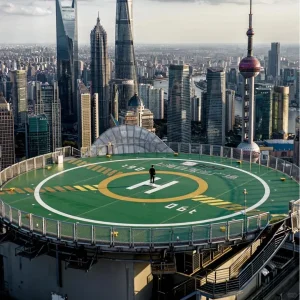
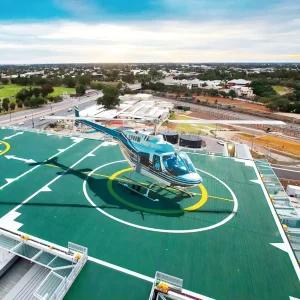
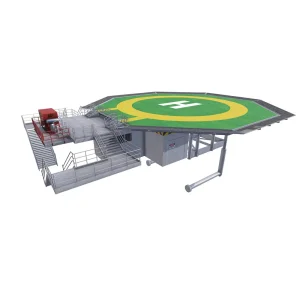
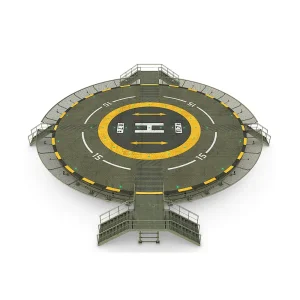
In modern structural design, helideck installation projects mandate zero-compromise safety standards. Whether deployed on offshore oil platforms, hospital rooftops, or coastal superyachts, a helipad fall protection net acts as the final critical safeguard for personnel. These perimeter safety net systems must operate under the harshest atmospheric conditions, withstand strong aerodynamic forces from rotary-wing aircraft descent, and prevent accidental falls without encroaching on flight clearances. This engineering white paper investigates the materials, testing protocols, design requirements, and manufacturing improvements that define global safety benchmarks.
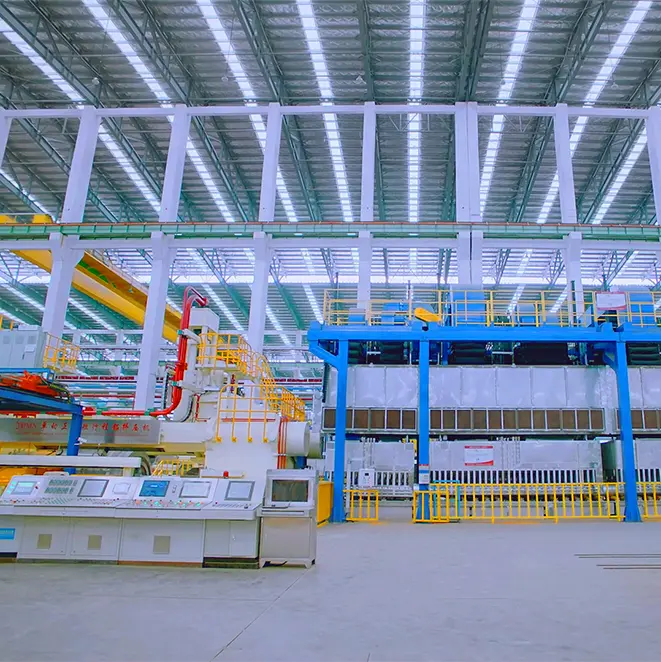
Established in 2015 and located in Foshan City, Guangdong, LvXing Intelligent Equipment Co., Ltd. boasts a skilled R&D team with extensive experience. We leverage exceptional technical expertise to effectively transform customers' ideas into reality, consistently meeting their precise requirements.
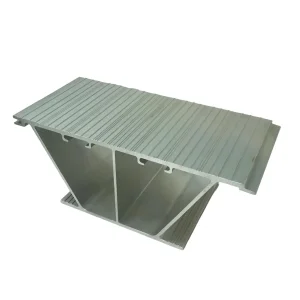
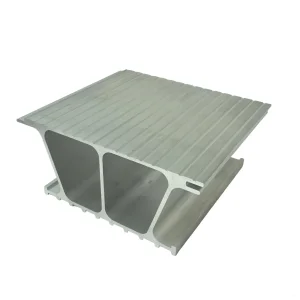
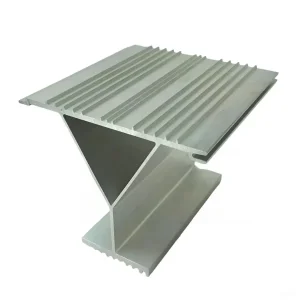
We utilize premium Fenglu aluminum, offering a diverse range of profiles for flexible applications. Our extrusion lines, ranging from 800T to 20,000T, accommodate alloys 1xxx, 2xxx, 3xxx, 5xxx, 6xxx, and 7xxx, allowing us to produce shaped products with section dimensions up to 1.2 meters in width and 28 meters in length. These products are recognized for their precision and meticulous processing, finding broad application in aerospace, military, medical, and industrial sectors.
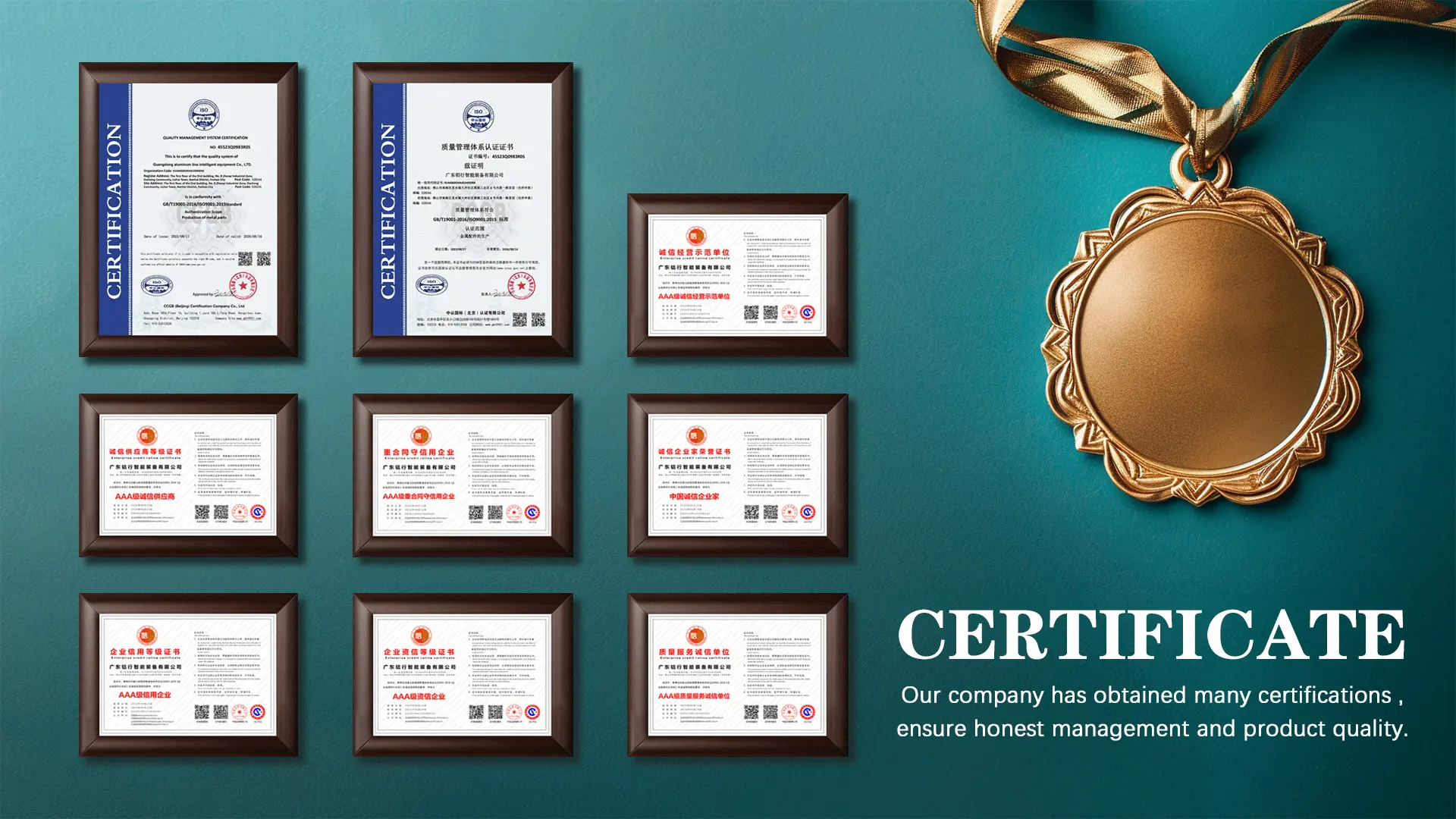
Our commitment to excellence is evident throughout the manufacturing process, rigorous quality control, thorough packaging, and efficient shipping procedures. This dedication has earned us recognition as a national excellent and honest enterprise, along with quality system certification in accordance with GB/T19001-2016/ISO9001:2015 standards.
We aspire to be your trusted business partner and warmly invite you to visit our factory.
Backed by specialized aerospace certification and elite material extrusion capabilities.

We have obtained the "Special Aluminium Materials for Aerospace" Certificate.
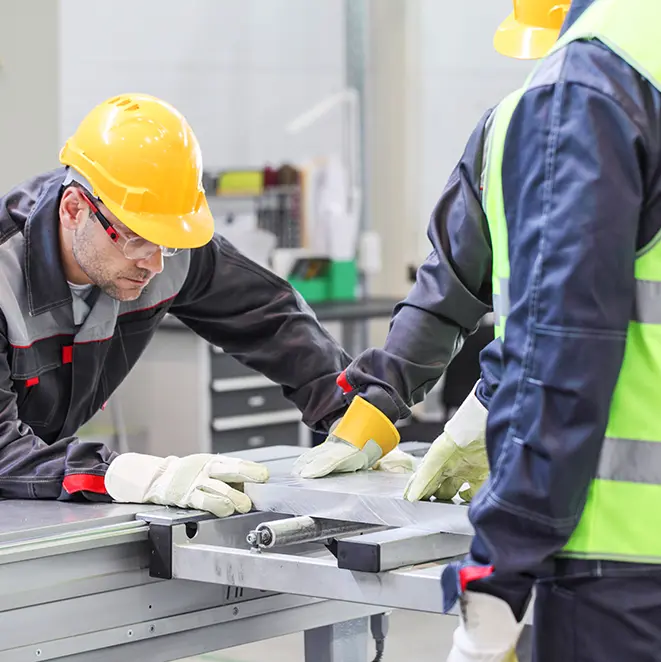

We provide and utilize high-quality Fenglu aluminum profiles. With extrusion lines ranging from 800T to 20,000T, we can produce alloys 1xxx, 2xxx, 3xxx, 5xxx, 6xxx, and 7xxx. We can manufacture fully shaped products with section dimensions up to 1.2 meters in width or 28 meters in length.
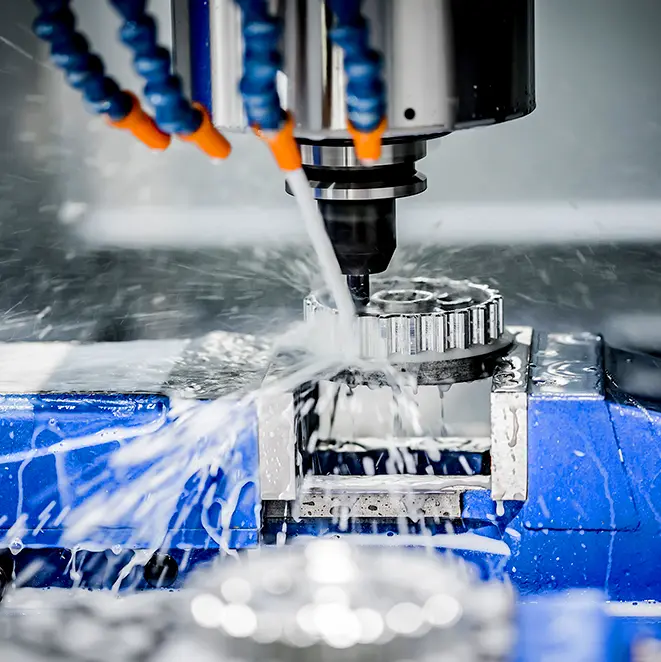

We have a team of technicians with 15 years of invaluable experience. Our deep understanding of customer requirements allows us to identify potential issues and offer practical insights, turning customer ideas into tangible products that meet specific needs.
The integrity of a helideck safety net depends heavily on its primary material composition and structural assembly. The system must prevent deterioration from salt spray, solar UV radiation, and fuel exposure. Below, we compare the mechanical attributes of typical structural materials used in safety frame profiles and mesh configurations.
| Property / Specification | Marine-Grade Stainless Steel (SUS 316/316L) | Structural Aluminum Alloy (6061-T6 / 6082-T6) | Standard Synthetic Nylon / Polymer (For Comparison) |
|---|---|---|---|
| Tensile Strength (MPa) | 515 - 620 | 290 - 310 | ~70 (Degrades over time) |
| Corrosion Resistance | Excellent (Active Passivation Layer) | Superior (Anodized protective film) | Poor (Affected by salt degradation) |
| UV Degradation Rate | 0% | 0% | High (Requires annual replacement) |
| Standard Compliance | CAP 437 / FAA compliant | CAP 437 / ICAO Annex 14 compliant | Rarely certified for permanent offshore landing zones |
| Structural Lifespan | 25+ Years | 20+ Years | 2 - 3 Years |
According to civil aviation standards, a helipad fall protection net must withstand a dynamic drop force of at least 2.3 kilojoules (kJ) without structural failure. This replicates a 100 kg worker falling from a height of 1 meter onto the perimeter net structure.
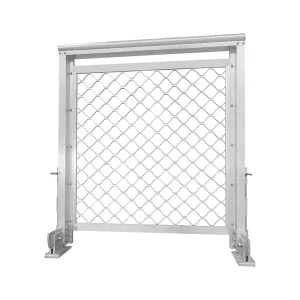
Our manufacturing engineering utilizes a cable-mesh tensioning configuration that transfers kinetic energy across adjacent joints. This prevents localized shearing of the frame structure. Anodized aluminum support frames work as structural dampeners, bending slightly to absorb peak dynamic impact without permanent deformation.
As flight safety criteria evolve, next-generation helideck systems require smart structural integration. At LvXing, our technology division focuses on three main developments:
Fiber-optic sensors built directly into safety mesh boundary frames to detect structural load decay and structural shifts in real-time.
Active trace-heating integration within the structural profiles to prevent ice accumulation in sub-zero offshore and high-altitude locations.
Fast-latch, swing-down folding designs that streamline maintenance and deck clearing for multi-role landing zones.
Different structural layouts impose distinct operational challenges on safety nets. Our custom-engineered perimeter systems are designed to address the specific needs of these main industries:
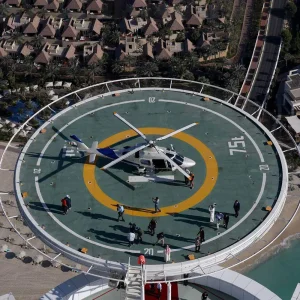
Located in environments with extreme salt spray, high wind speeds, and constant vibration, offshore helidecks demand marine-grade materials. Our perimeter nets utilize SUS 316 stainless steel cable mesh paired with structural aluminum frames, ensuring continuous operations without rust or deterioration.
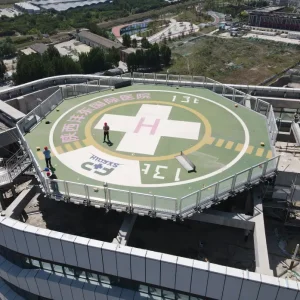
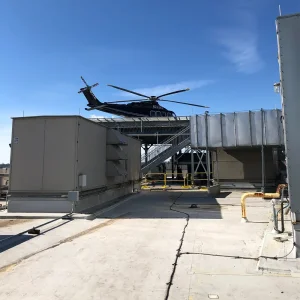
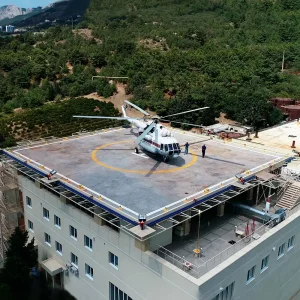
Rooftop landing pads must account for high-altitude wind shear and structural weight limitations. Lightweight structural aluminum alloy profiles minimize dead load on the building structure while maintaining the tensile strength required to secure the perimeter.
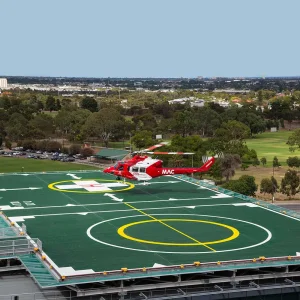
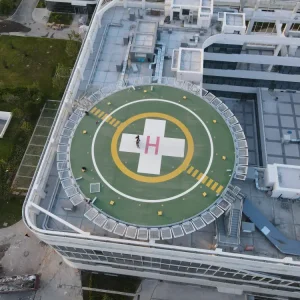
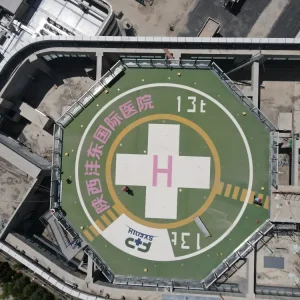
For critical medical evacuation zones, rapid deployment and safety compliance are paramount. Flame-resistant, low-abrasion mesh keeps patient transport teams safe and prevents snagging of medical equipment.
Our facility in Foshan City, Guangdong, uses an advanced manufacturing setup to deliver consistent, high-precision structural products at a global scale.
For large-scale construction or offshore projects, selecting the right helideck fall protection system requires verifying critical certifications and material characteristics. Use this checklist during technical evaluations:
1. Alloy Grade Verification: Request Mill Test Certificates (MTC EN 10204 3.1) to confirm the chemical composition of aluminum profiles (e.g., 6061-T6 or 6082-T6).
2. Structural Load Rating: Verify dynamic drop test records confirming energy absorption capacities of 2.3 kJ or higher.
3. Frame Assembly: Specify folding or rigid frames depending on whether regular maintenance access is required outside the helideck perimeter.
CAP 437: Crucial for UK sector offshore operations; mandates a 1.5-meter wide safety net sloping 10 degrees upward.
FAA AC 150/5390-2C: Standard for US domestic hospital and urban helipads.
ICAO Annex 14 Vol II: Global framework regulating international helideck dimensions and impact-resistance parameters.
Technical and compliance queries answered by our senior engineering division.
Explore our full line of specialized profiles, structural wire mesh, and rooftop installations.
 LvXing