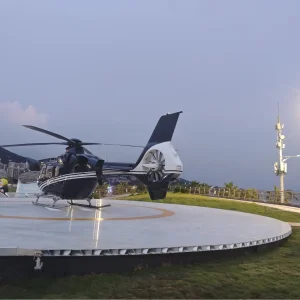
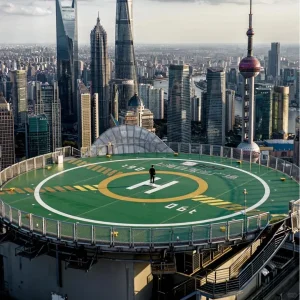
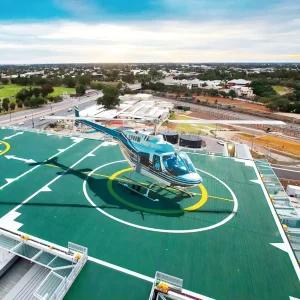
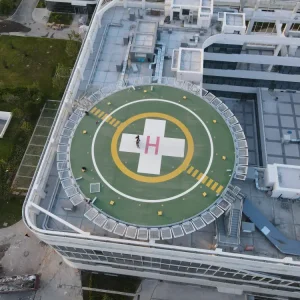
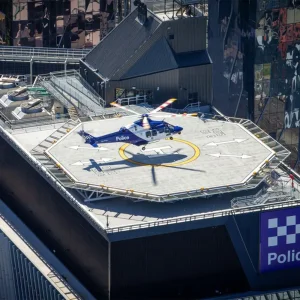
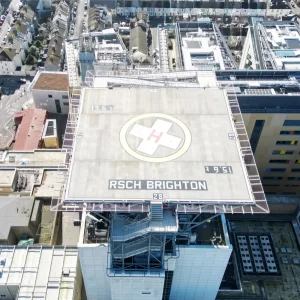
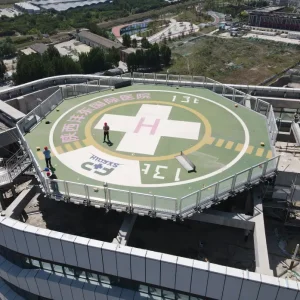
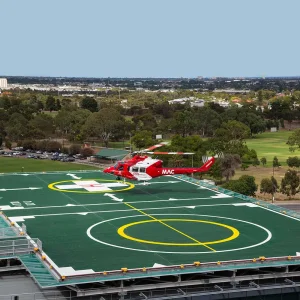
In modern aviation engineering, safety is paramount. Elevated helicopter landing pads (helidecks) on offshore oil platforms, drillships, skyscraper roofs, and hospital emergency zones require strict fall protection safety structures. The safety perimeter net is the final, crucial physical barrier designed to save lives of ground crew and flight operations staff who might fall or be blown off the platform edges during helicopter landing and take-off cycles.
Historically, safety netting systems were fabricated from steel chainlink meshes. However, the extreme exposure to corrosive marine elements (in offshore platforms) or massive wind-shear dynamics (atop urban high-rises) prompted the transition to high-strength, lightweight, and long-lived aluminum alloy structural panels. Engineered perimeter safety net systems must comply with rigorous international regulations, including CAP 437 (Standards for offshore helicopter landing areas), ICAO Annex 14 Volume II, and FAA guidelines.
"Under CAP 437 regulations, the perimeter safety net must extend at least 1.5 meters outwards from the landing deck edge. It must be inclined upwards and outwards at an angle of 10 degrees. Furthermore, the net frame structure must withstand a drop test of a 100 kg weight falling from a height of 1 meter without structural failure, displaying appropriate kinetic energy absorption capacity."
Established in 2015 and located in Foshan City, Guangdong, LvXing Intelligent Equipment Co., Ltd. boasts a skilled R&D team with extensive experience. We leverage exceptional technical expertise to effectively transform customers' ideas into reality, consistently meeting their precise requirements.
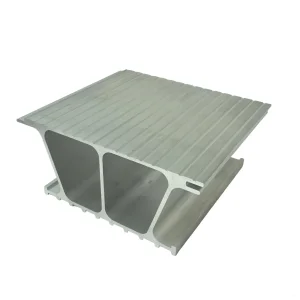
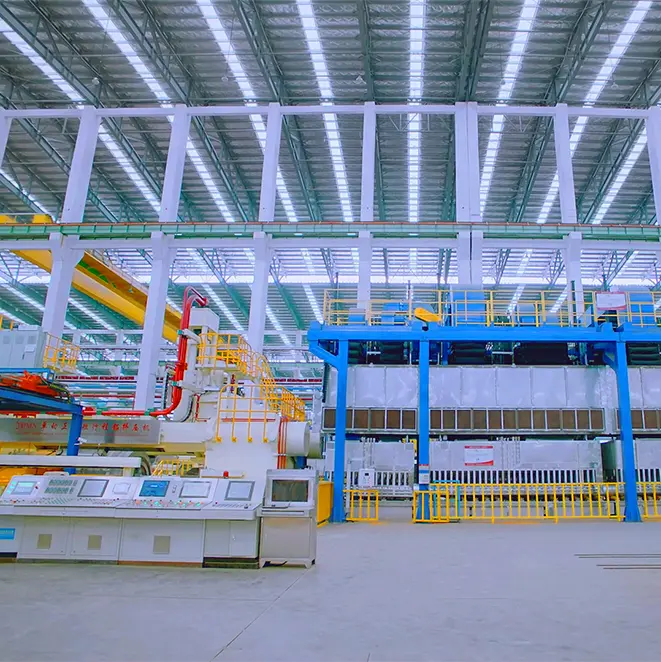
We utilize premium Fenglu aluminum, offering a diverse range of profiles for flexible applications. Our extrusion lines, ranging from 800T to 20,000T, accommodate alloys 1xxx, 2xxx, 3xxx, 5xxx, 6xxx, and 7xxx, allowing us to produce shaped products with section dimensions up to 1.2 meters in width and 28 meters in length. These products are recognized for their precision and meticulous processing, finding broad application in aerospace, military, medical, and industrial sectors.
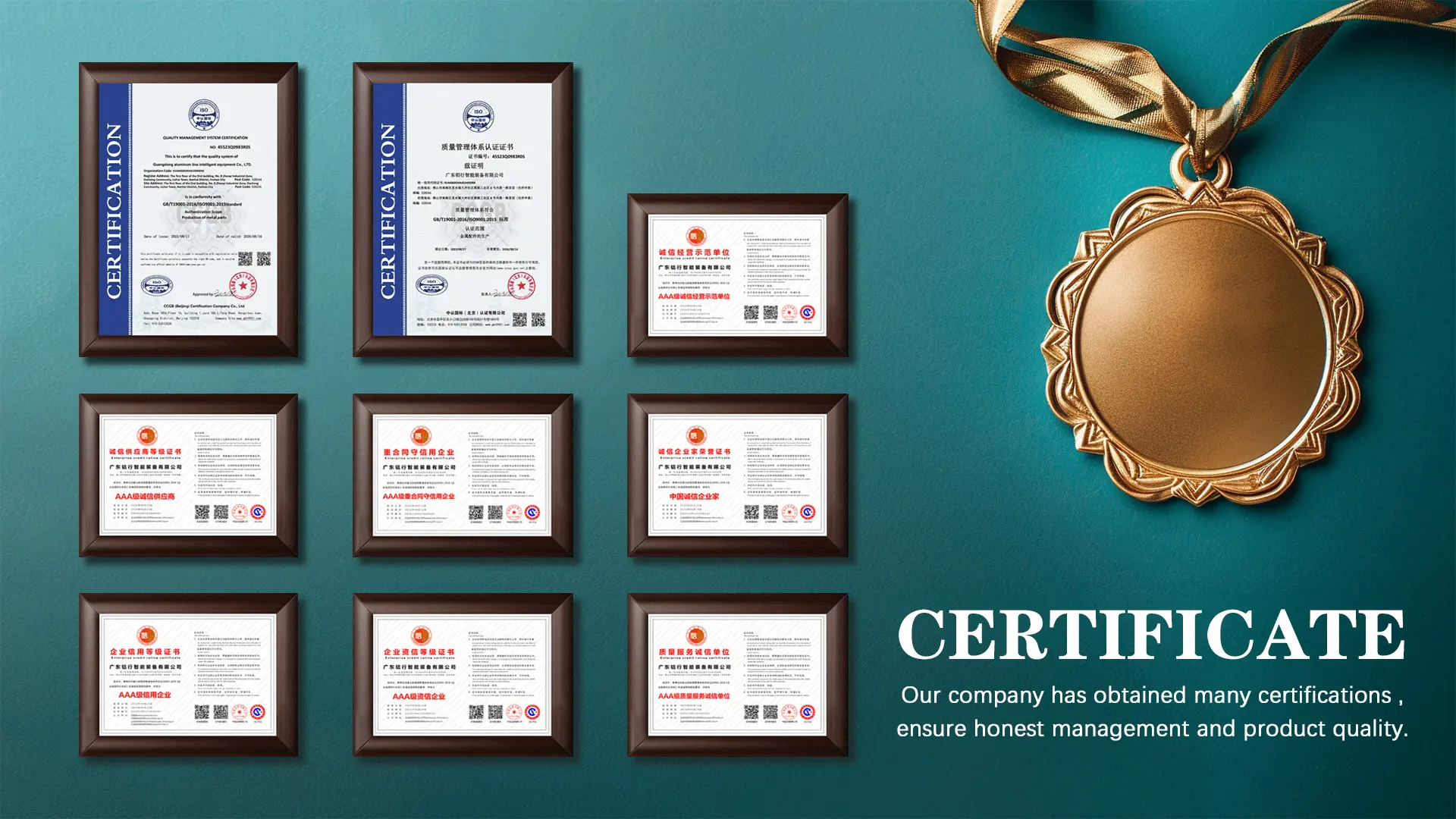
Our commitment to excellence is evident throughout the manufacturing process, rigorous quality control, thorough packaging, and efficient shipping procedures. This dedication has earned us recognition as a national excellent and honest enterprise, along with quality system certification in accordance with GB/T19001-2016/ISO9001:2015 standards.

We have obtained the "Special Aluminium Materials for Aerospace" Certificate.
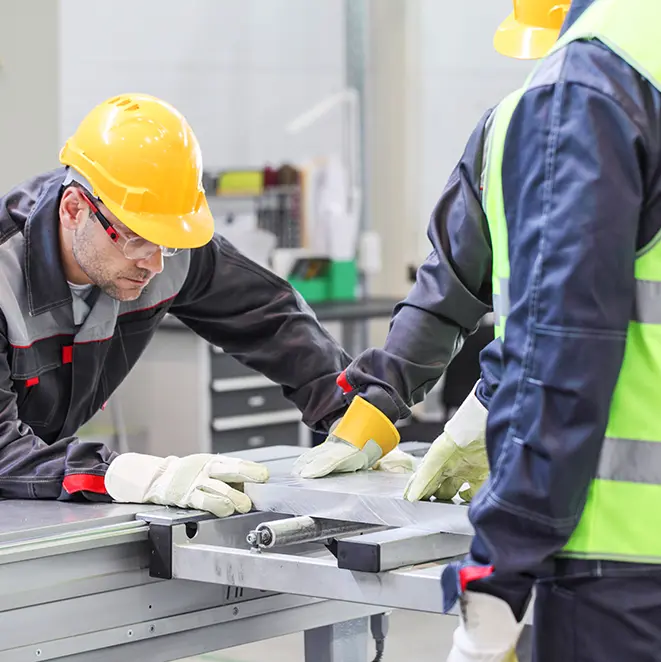

We provide and utilize high-quality Fenglu aluminum profiles. Extrusion lines from 800T to 20,000T support alloys 1xxx to 7xxx, up to 1.2m in width or 28m in length.
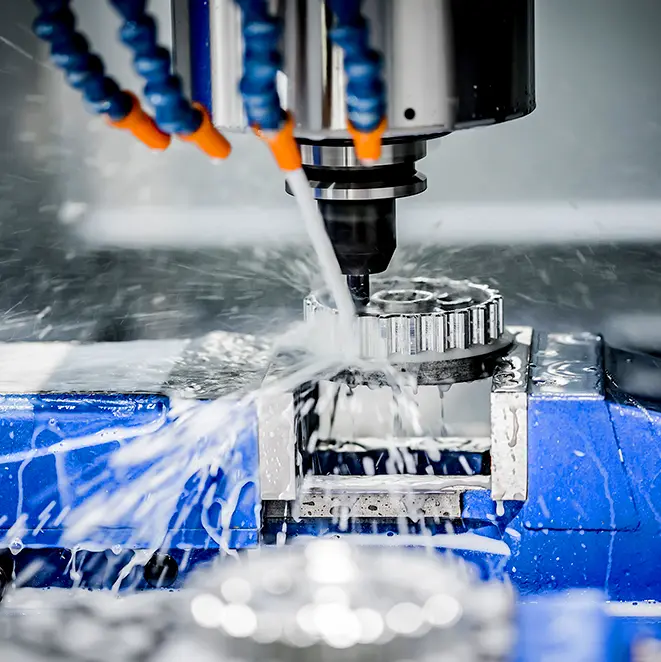

Our team of technicians possesses 15 years of invaluable experience, offering practical insights and turning customer concepts into reality.
Floating platforms and offshore vessels experience continuous hydrodynamic motions. Salt spray accelerates the galvanic corrosion of steel, rendering conventional carbon steel nets weak and hazardous within a short timeframe. High-strength aluminum structural decks and perimeter net panels provide ultimate marine-grade protection, eliminating rust risk while lowering weight aloft.
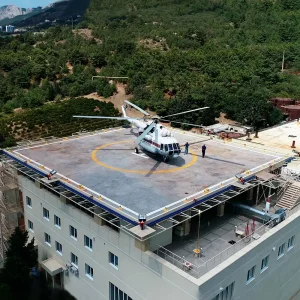
Structural load distributions limit the weight that building roofs can hold. LvXing's custom structural aluminum alloy deck profiles distribute dynamic landing shocks efficiently while exerting minimal dead load on structural building cores. Integrating safety nets with building perimeter aesthetics ensures both passive security and compliance with architectural visual guidelines.
Medical roof helipads require zero downtime, quick evacuation, and reliable operations under high turbulence and downwash pressures. Light, rapid-erection frame modules enable hospital helipads to adapt to structural modifications. High structural damping in 6000-series alloy frames significantly dampens vibration transmission to the surgical units below.
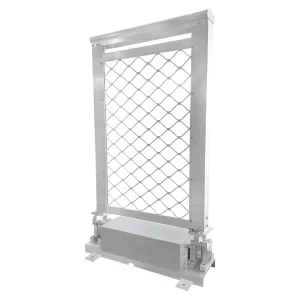
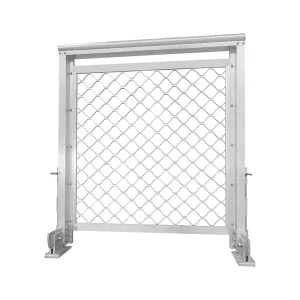
Safety netting relies heavily on the load-bearing framework and physical configuration of the mesh. Aluminum alloys in the 6xxx (Al-Mg-Si) family, such as 6061-T6 and 6082-T6, offer the best balance of mechanical strength, weldability, and corrosion resistance. The mesh panels are constructed with either high-tensile stainless steel wire ropes (Grade 316) woven into patterns or high-strength aluminum mesh panels designed to remain rigid under standard conditions but flex elastically under sudden impact.
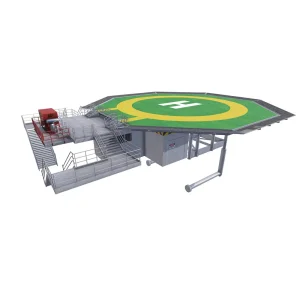
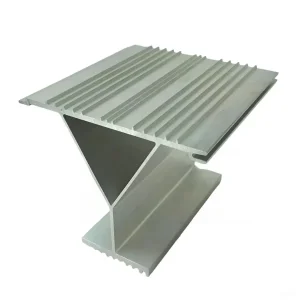
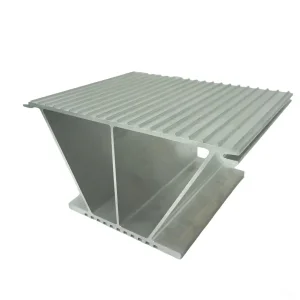
LvXing utilizes 20,000T extrusion lines to create monolithic profiles. By minimizing the number of welded joints, the helipad deck and the surrounding support frames reduce structural vulnerability, ensuring maximum reliability under extreme conditions.
Development of remote-controlled motor systems that fold or deploy safety nets as the helicopter approaches or takes off. This feature is particularly useful on multi-use rooftops and marine vessels where deck space is limited.
Integrating strain gauges and optic sensors inside the aluminum profiles and mesh nets. Any impact, dynamic overload, or structural deterioration is continuously recorded, providing data for preventive maintenance.
Adapting the shape of the safety net mesh border to act as a spoiler. This reduces wind shear and updrafts at the helipad's edge, creating a safer landing window for pilots during high winds.
Different regions follow specific standards for helipad safety net systems. In the European Economic Area (EEA), safety nets must bear the CE Mark, certifying compliance with EN standards for safety, health, and environmental protection. For marine installations, classification societies like DNV, ABS, and Lloyd’s Register regulate helideck structures. These standards govern the tension, durability, and corrosion resistance of the materials used.
In China, domestic projects comply with regional specifications, civil aviation standards, and the GB/T19001-2016/ISO9001:2015 quality management standard. LvXing's design process starts with 3D model simulations, followed by finite element analysis (FEA) to confirm structure reliability before moving to physical production.
Key information and technical insights about helideck perimeter safety nets, installation requirements, and material selection.
High-grade aluminum (like 6000-series alloys) combined with stainless steel mesh generally has a service life exceeding 25 years. The natural oxide layer of aluminum prevents aggressive corrosion, even in harsh maritime environments. This minimizes replacement and maintenance costs compared to galvanised steel nets.
Manual safety nets are fixed or folded down by hand using mechanical locking pins. Electric safety nets feature motorized actuators that fold the net frame automatically. This is ideal for helidecks on warships, luxury yachts, and multi-purpose skyscrapers where space optimization is critical.
Fenglu aluminum is recognized for high structural purity, consistent grain structure, and mechanical reliability. Utilizing Fenglu aluminum ensures that structural extrusions maintain uniform tensile strength and high yield ratings across large spans, which is essential for landing platforms and safety net frames.
The safety net must withstand a drop test where a 100 kg weight is dropped from 1 meter. The net must arrest the fall and absorb the impact energy without tearing or breaking. Additionally, the frame must not touch the structural deck below during deflection to prevent injury to falling personnel.
Yes. Our engineering team designs custom structural configurations to distribute landing loads across load-bearing pillars of existing structures. Aluminum's lightweight profile makes retrofitting feasible for structures that cannot support the weight of concrete or steel helipads.
 LvXing