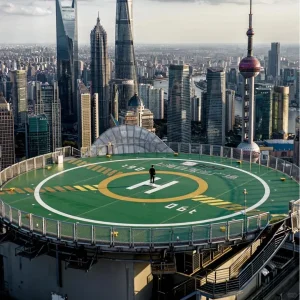
Custom Urban Skyscraper Helipad Manufacturers, Quotes
View Details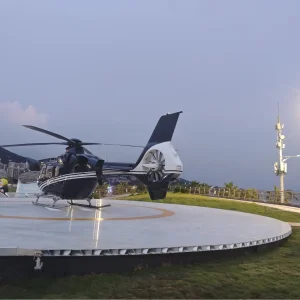
China Aluminum Rescue Helicopter Landing Pad Manufacturer, Quotes
View Details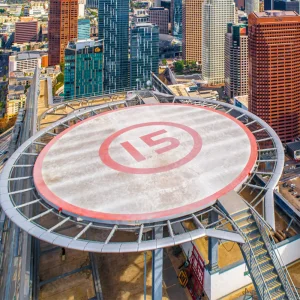
Custom Round helipad Manufacturer, Suppliers
View Details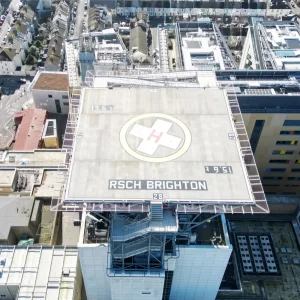
Custom Hospital roof square helipad Factory, Factories
View Details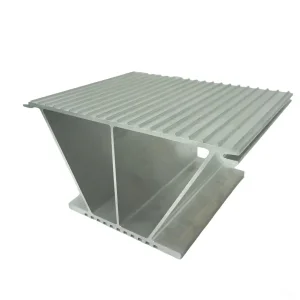
Custom LX-HP04 Helipad Aluminum Profile Suppliers, Pricelist
View Details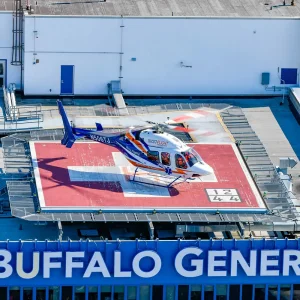
CE Certification Hospital emergency rescue helipad Suppliers, Pricelist
View Details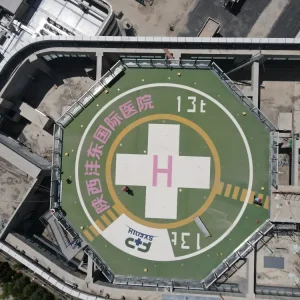
Custom Hospital Helipad Factories, Pricelist
View Details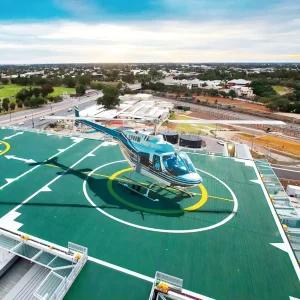
Wholesale All-Aluminum Helicopter Landing Pad Suppliers, Factory
View DetailsHelipad safety is governed by a stringent array of international standards designed to prevent catastrophic failures, personal injury, and aircraft damage. As a leading China Helipad Security Nets Manufacturer, we engineer structures that serve as the last line of defense against fall accidents on elevated landing platforms, including rooftop skyscraper helipads, maritime oil platforms, and commercial hospital ports.
The civil aviation authorities worldwide, particularly under the guidance of the Civil Aviation Authority (CAA)
LvXing Intelligent Equipment Co., Ltd. delivers structural grade perimeter meshes and aluminum profiles engineered to tolerate high-wind speeds, seawater salinity, and extreme structural load requirements. Our focus lies in providing certified, durable, and highly adaptive aluminum alloys that eliminate maintenance costs while offering life-saving safety guarantees.
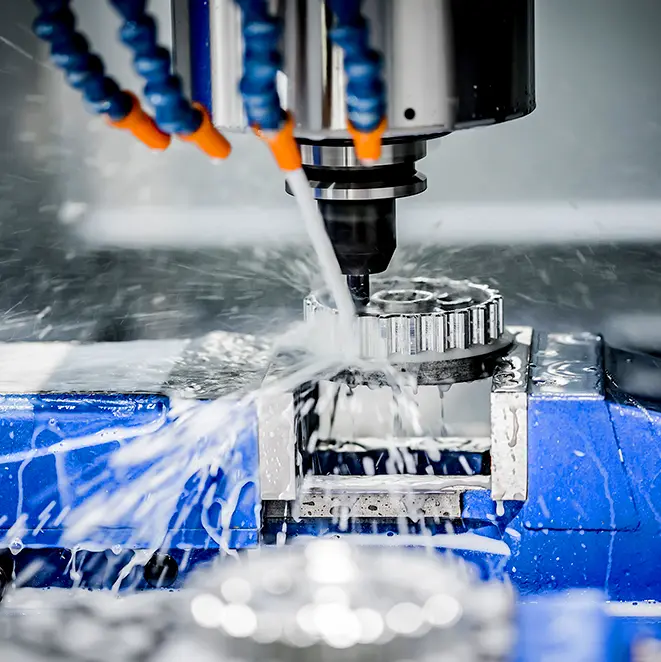
Established in 2015 in Foshan City, Guangdong Province, LvXing is a premier manufacturer specializing in high-performance aluminum solutions for aviation, military, aerospace, and medical sectors.
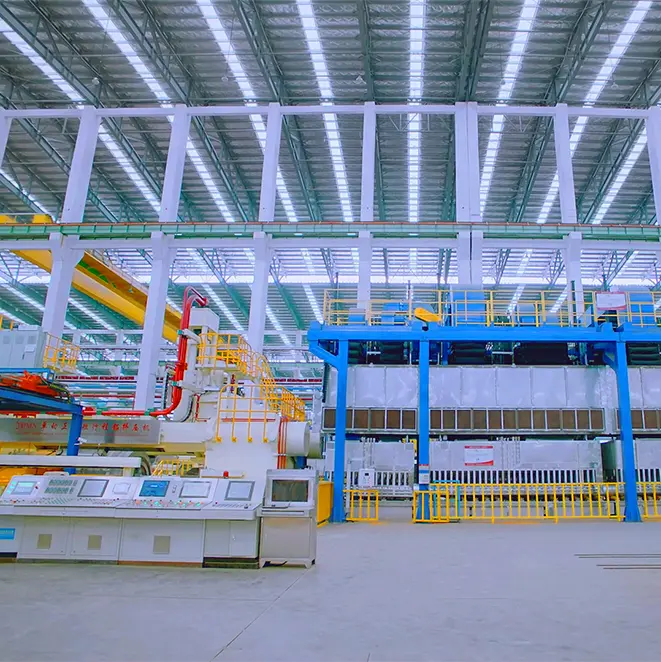
At LvXing Intelligent Equipment Co., Ltd., we utilize premium Fenglu aluminum to manufacture a diverse range of safety profile systems. Our production lines feature extrusion configurations ranging from 800T to 20,000T, enabling the fabrication of custom structural alloys across the 1xxx, 2xxx, 3xxx, 5xxx, 6xxx, and 7xxx series. Our precision processing can deliver profiles with section dimensions up to 1.2 meters in width and 28 meters in length, making our production infrastructure uniquely qualified for major international infrastructure projects.
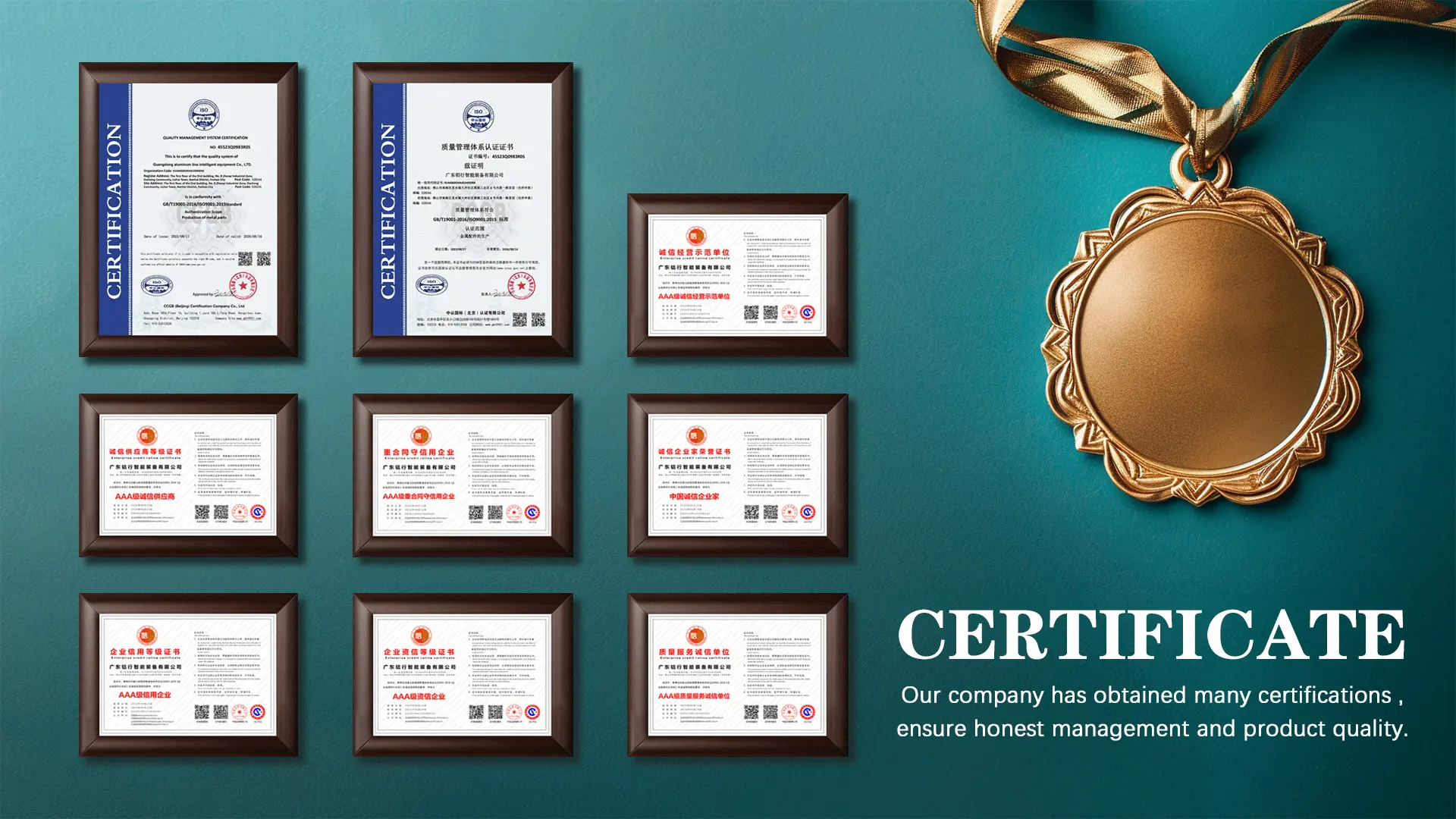
Our quality management system is fully certified under the

We have obtained the prestigious “Special Aluminium Materials for Aerospace” Certificate, confirming our metallurgical superiority.

Utilizing high-quality Fenglu aluminum, our 800T to 20,000T extrusion lines cover alloys 1xxx through 7xxx, scaling up to 1.2m in width or 28m in length.

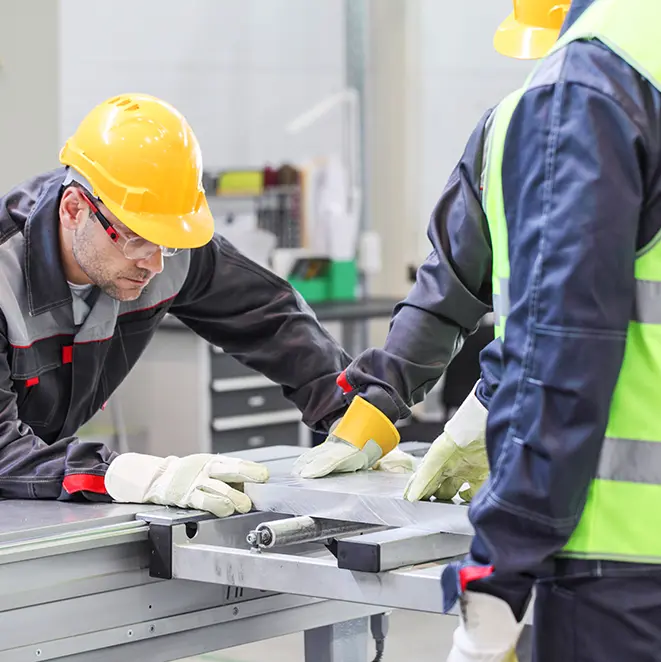
Our team of technicians boasts 15 years of invaluable experience, translating complex design layouts into robust safety products.
When procurement officers and offshore construction managers evaluate suppliers of helideck safety systems, they operate under strict risk-mitigation guidelines. A failure in perimeter safety netting can lead to legal liability, operational downtime, and tragic loss of life.
Nets used on offshore oil rigs or coastal marine vessels must withstand relentless exposure to saltwater spray and high humidity without degradation.
Nets must demonstrate the capability to withstand an impact test of a 125 kg weight dropped from a height of 1 meter to verify energy absorption.
Heavy steel structures place unnecessary loads on elevated platforms. Using high-tensile 6000-series aluminum frames reduces structural fatigue.
Historically, stainless steel cable nets were the industry standard. However, advanced anodized aluminum wire mesh and extruded profiles have become the modern standard due to their outstanding performance metrics:
| Feature | Marine Grade Aluminum Mesh | 316 Stainless Steel Mesh |
|---|---|---|
| Unit Weight | Approx. 3.2 kg/m² (Ultra-lightweight) | Approx. 7.5 kg/m² |
| Corrosion Mechanism | Self-passivating oxide layer | Chloride pitting susceptibility |
| Lifespan in Marine Env. | 25+ Years (No maintenance required) | 10-15 Years (Requires inspection) |
| Yield Strength | High (6082-T6 or similar alloy) | High |
| Erection Ease | Pre-assembled modular panels | Tension-heavy manual stringing |
Providing specialized security architectures tailored for diverse operating environments worldwide.
Wind-tunnel tested frame systems designed for high-altitude turbulence. Fits seamlessly into architectural profiles without ruining building aesthetics.
CAP 437 compliant marine-grade perimeter nets constructed to withstand the harshest offshore chemical environments and heavy gale-force winds.
Zero-maintenance emergency helipad installations ensuring rapid, obstacle-free access. Fireproof profile construction reduces emergency hazards.
Reinforced structural configurations for variable heavy-load military and public safety helicopters operating under volatile rescue scenarios.
The engineering of helipad perimeter safety nets is shifting from passive barriers to active smart protection systems. LvXing is at the forefront of this evolution, developing technologies that define next-generation helideck operations.
1. Automated Motorized Actuation: We design electrical folding safety nets that retract at the touch of a button. This allows multi-use helipads to safely lower barriers when the landing pad is being cleaned or when cranes require clear clearance.
2. Structural Strain Integration: Our prospective models integrate strain-gauge sensors along the tension boundaries of the aluminum netting. This allows facility managers to monitor structural fatigue and impact loads in real-time, providing immediate maintenance alerts.
3. Edge Lighting Integration: Working alongside aviation lighting suppliers, we are embedding low-profile LED warning strips into the outer frames of our mesh networks to give pilots clear boundary guidance during zero-visibility operations.
As a certified national excellent and honest enterprise in China, LvXing partners with world-recognized certification bodies (including CE & ISO organizations) to validate structural calculations. Our materials undergo destructive testing protocols to ensure the tensile strength and alloy chemistry meet strict aerospace requirements.
Every shipment is dispatched with detailed raw material reports, anodizing thickness records, structural calculation analysis, and installation guides.
Critical insights from our 15-year experienced engineering team regarding compliance, installation, and materials.
CAP 437 (UK CAA) is the global benchmark for offshore helicopter landing areas, specifying that perimeter nets must project at least 1.5 meters outwards from the deck level and have an upward slope of approximately 10 degrees. The netting must not act as a trampoline but instead absorb energy. FAA AC 150/5390-2C guidelines cover civil and hospital helipads, focusing heavily on safety barriers that do not present flight path obstructions. Our designs are custom-engineered to satisfy both regulatory authorities depending on the site location.
Large capacity extrusion allows us to manufacture structural deck profiles (like the LX-HP02 and LX-HP04) and net framing systems in single, continuous pieces up to 28 meters long. This minimizes the need for joints and welds, which are the primary weak points in heavy marine or high-vibration skyscraper applications. By reducing assembly components, we increase structural integrity and reduce installation times.
Anodized marine-grade aluminum (specifically 6000-series alloys) develops a protective oxide layer that shields it from saline corrosion, preventing rust run-off which can stain building facades or corrode deck connections. Additionally, aluminum offers a massive weight reduction (approx. 50-60% lighter than stainless steel systems). This drastically decreases the dead load on elevated architectural cantilever supports.
Under standard testing conditions, a test frame containing the perimeter safety net is mounted horizontally. A rigid dummy body weighing 125 kg is dropped from a height of 1.0 meter directly onto the center of the mesh. The net must arrest the fall without tearing or causing structural damage to the perimeter frame. The residual deformation is measured to verify the impact absorption performance.
Yes. Our aluminum framing profiles (such as the LX-HP04 series) are engineered with modular mounting brackets that can support foam piping and deck integrated fire-fighting (DIFFS) nozzles, ensuring the safety net doesn't obstruct emergency fire suppression operations.
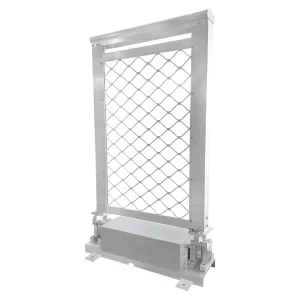
CE Certification Helideck perimeter safety net(Electric) Manufacturer, Pricelist
View Details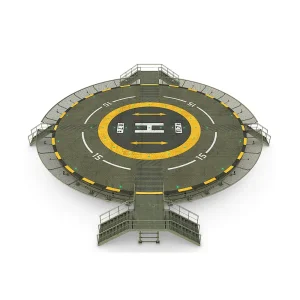
China Helipad and aluminum wire mesh Suppliers, Factory
View Details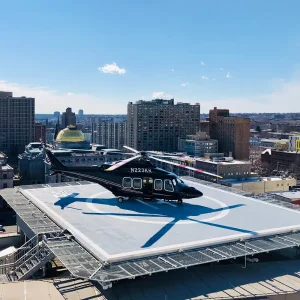
Wholesale Aircraft rooftop helipad Factories, Pricelist
View Details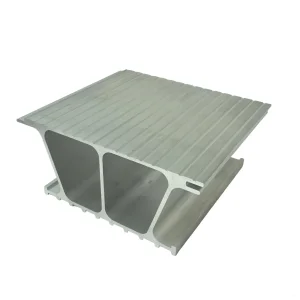
CE Certification LX-HP02 Helipad Aluminum Profile Factories, Pricelist
View Details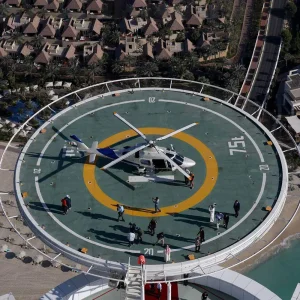
China Hotel rooftop helipad Factories, Quotes
View Details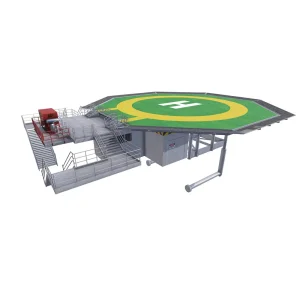
CE Certification Helipad and aluminum net Manufacturer, Suppliers
View Details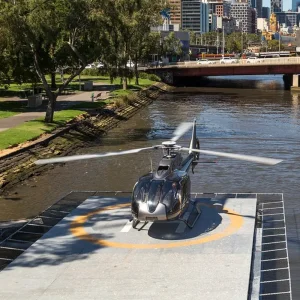
China Helipad and safety mesh Manufacturer, Supplier
View Details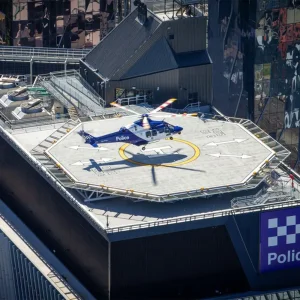
CE Certification Police station rooftop helipad Manufacturers, Quotes
View Details LvXing