Explore our leading collection of aluminum heliport decks, perimeter safety nets, and extrusion solutions engineered for high-rise and rooftop infrastructure.
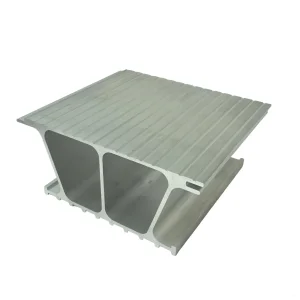
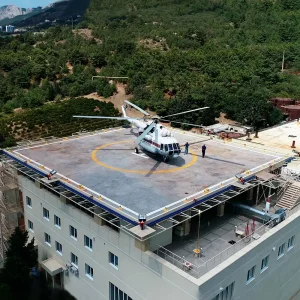
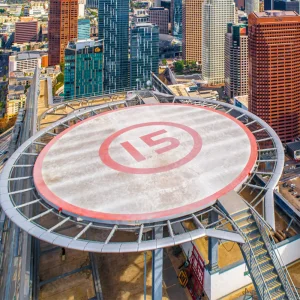
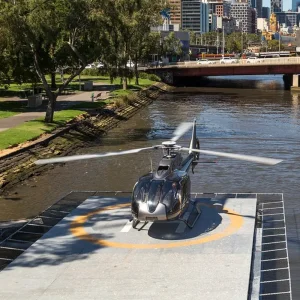
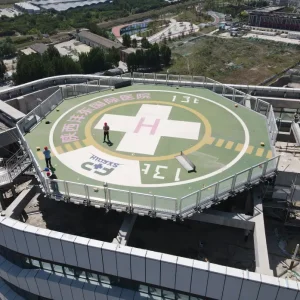
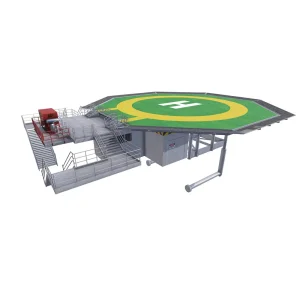
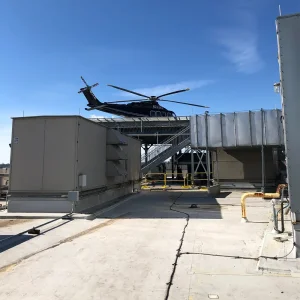
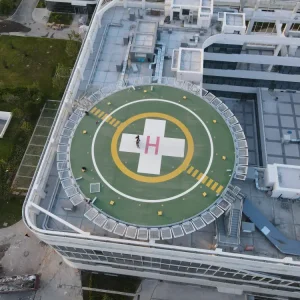
As modern megacities rise, high-rise rooftops are increasingly utilized as key logistical, medical, and executive transit hubs. The engineering complexity of rooftop aviation operations demands absolute compliance with international aviation protocols. The heliport perimeter safety net is not merely an optional guardrail; it is a critical, high-performance kinetic capture system engineered to absorb dynamic fall impacts and withstand intense wind conditions, aerodynamic rotor washes, and severe environmental stresses.
Traditional fencing cannot meet these demands. An optimized high-rise helipad safety mesh must feature flexibility, corrosion resistance, and high structural durability. Utilizing marine-grade alloys such as 6061-T6 and 316 stainless steel meshes ensures that the safety boundaries remain intact for decades without requiring extensive structural maintenance.
Extrusion Capability
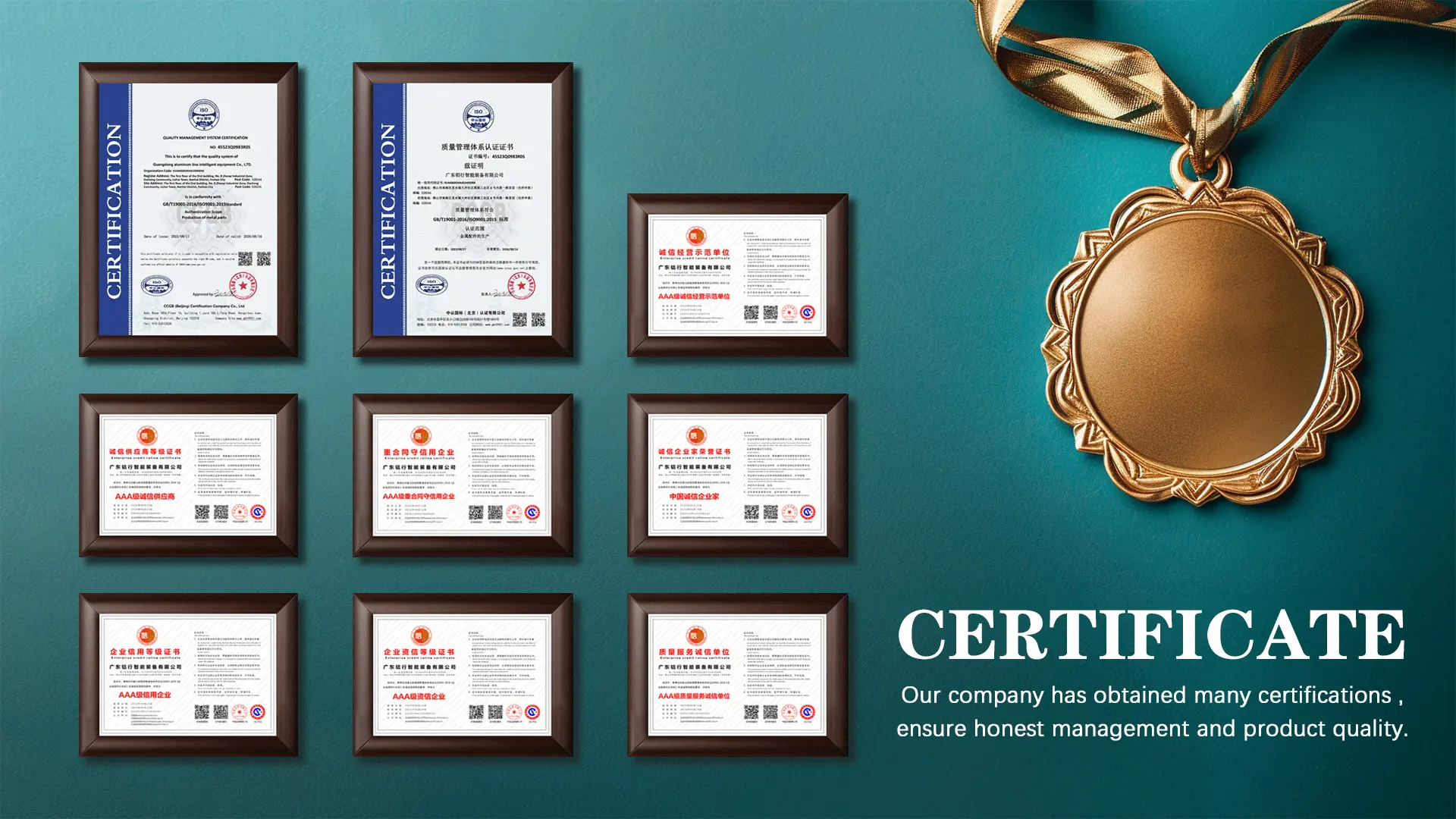
CE & ISO Compliance
Max Profile Width
R&D Specialist Experience
LVXING, SPECIALIZES IN ALUMINUM SOLUTIONS.
Established in 2015 and located in Foshan City, Guangdong, LvXing Intelligent Equipment Co., Ltd. boasts a skilled R&D team with extensive experience. We leverage exceptional technical expertise to effectively transform customers' ideas into reality, consistently meeting their precise requirements.
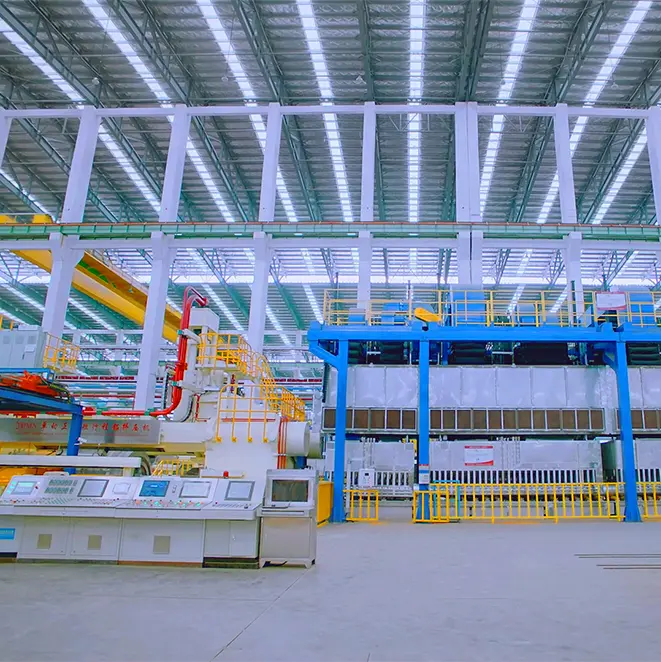
We utilize premium Fenglu aluminum, offering a diverse range of profiles for flexible applications. Our extrusion lines, ranging from 800T to 20,000T, accommodate alloys 1xxx, 2xxx, 3xxx, 5xxx, 6xxx, and 7xxx, allowing us to produce shaped products with section dimensions up to 1.2 meters in width and 28 meters in length. These products are recognized for their precision and meticulous processing, finding broad application in aerospace, military, medical, and industrial sectors.
Our commitment to excellence is evident throughout the manufacturing process, rigorous quality control, thorough packaging, and efficient shipping procedures. This dedication has earned us recognition as a national excellent and honest enterprise, along with quality system certification in accordance with GB/T19001-2016/ISO9001:2015 standards.

We have obtained the “Special Aluminium Materials for Aerospace” Certificate.

We provide and utilize high-quality Fenglu aluminum profiles with extrusion lines ranging from 800T to 20,000T, producing alloys across multiple categories.

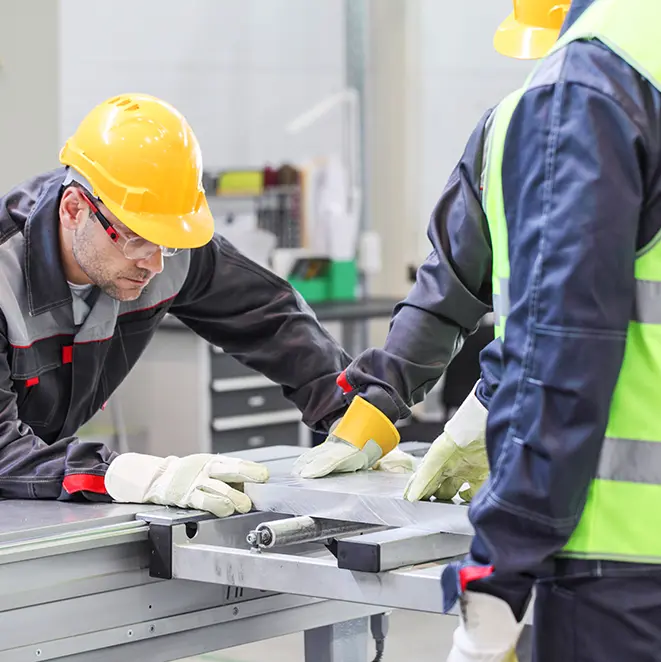
Our technical team possesses 15 years of invaluable experience, translating complex design constraints into reliable physical realities.
Driving innovation in heliport structural engineering, safety barriers, and materials science to adapt to urban air mobility (UAM) and eVTOL evolution.
Developing IoT-enabled safety net systems with real-time strain sensors, notifying maintenance teams immediately if an impact or deformation occurs.
Thermal-conductive structural profile innovations that prevent winter ice buildup on landing decks and perimeter frames, securing landings year-round.
Automated collapsible safety net systems configured to drop and rise in sync with air traffic control systems, removing the need for manual setup.
Optimizing profiles for heavier vertical takeoff vehicles, designing for increased acoustic absorption and dynamic load redistribution.
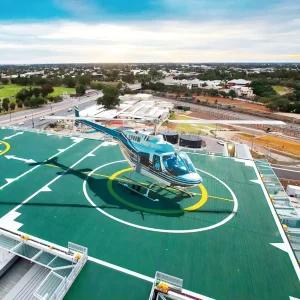
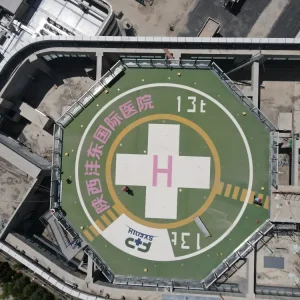
Custom-engineered helipad solutions designed for critical infrastructure, harsh environments, and architectural requirements.
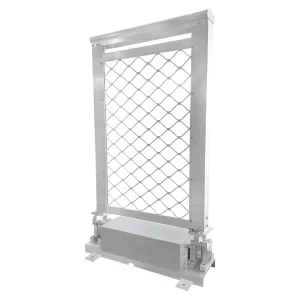
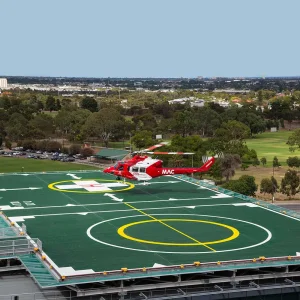
Integrated with non-glare LED perimeter systems and high-resiliency manual fall protection nets. Engineered to withstand heavy rescue helicopter wash and accommodate immediate ambulance transferring platforms.
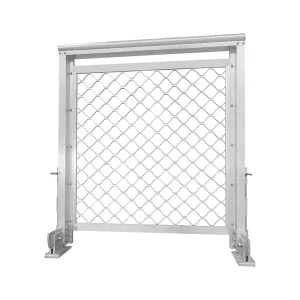
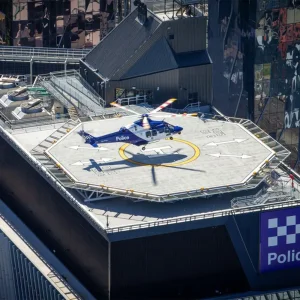
Architecturally blended aluminum mesh systems designed with retractable elements. Features high aesthetics and low wind resistance, ensuring maximum visibility and strict compliance with local building envelopes.
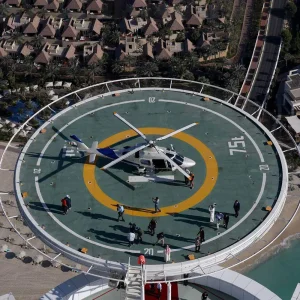
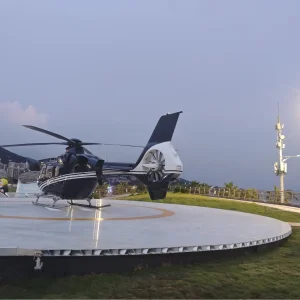
Engineered with marine-grade 6061-T6 and 316 stainless steel to battle harsh ocean mist, salt spray, and extreme wind load. Rigorously tested under CAP 437 guidelines for maximum safety in maritime conditions.
Our facility leverages automated precision manufacturing, driven by a deep manufacturing ecosystem in Foshan, the aluminum processing capital of China. With access to advanced 800T to 20,000T extrusion lines, we are capable of processing large structural profile shapes that are typically unavailable in standard manufacturing facilities.
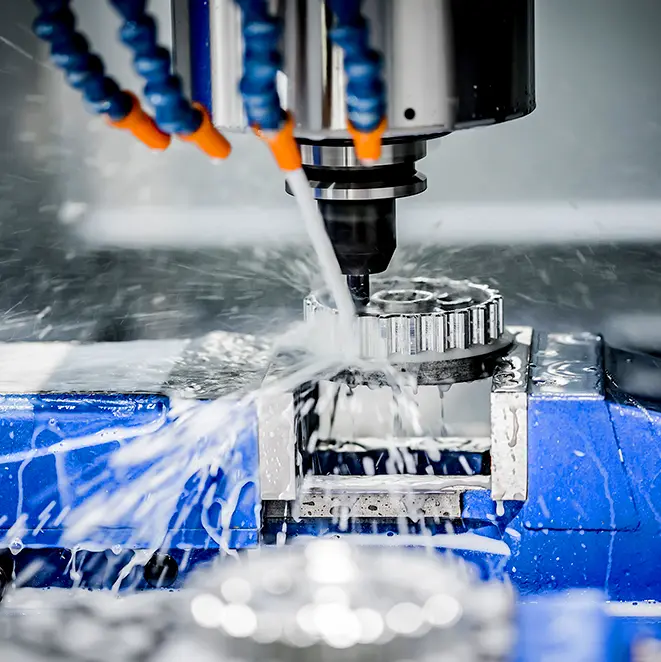
By digitizing our supply chain workflow from casting raw aluminum ingots to the final anodization and CNC machining phases, we drastically reduce production lead times while maintaining strict control over product tolerance. Our material verification processes include ultrasound flaws checking, spectral element analysis, and mechanical tensile testing, ensuring every batch meets rigorous aviation-grade structural expectations.
Global general contractors, EPC specialists, and urban architectural planners require robust documentation. We supply comprehensive structural load calculations, wind tunnel simulation reports, and detailed installation schematics. Our technical engineers provide design assistance during the project pre-bid phase, ensuring that the designed helipad perimeter dimensions and safety net deflection values are structurally optimized before production begins.
From custom packaging to prevent offshore marine shipping oxidation, to containerized tracking systems, we manage complete export logistics to minimize jobsite handling risks and speed up global delivery timelines.
Aligning safety net infrastructure with global aviation authorities and localized building regulations.
Our perimeter safety nets are certified to absorb kinetic impacts up to 2.3 kJ, ensuring full compliance with the UK CAA Standard CAP 437 for Offshore Helicopter Landing Areas.
Designed according to FAA AC 150/5390-2C (Heliport Design) and ICAO Annex 14 Volume II guidelines for structural safety margins, netting width, and slope layout.
Our systems carry valid CE certifications, verifying structural safety integrity, welding compliance, and mechanical properties across European Union territories.
Expert answers regarding structural requirements, material selection, and international safety compliance for rooftop helipads.
International regulations, including ICAO Annex 14 and FAA guidelines, generally require safety nets to extend at least 1.5 meters (approx. 5 feet) outward from the edge of the helipad deck safety zone. The net must slope upwards at an angle of 10 degrees to safely contain falling personnel.
Aluminum (particularly 6000-series alloy) is light, corrosion-resistant, and provides an excellent strength-to-weight ratio. It reduces the dead load on rooftop structures, lowering engineering reinforcement costs while maintaining equivalent structural support compared to steel.
According to CAP 437 guidelines, heliport perimeter safety nets should undergo visual inspections daily and formal load testing (typically a drop test or pull test simulating at least 122 kg weight drop) every 12 to 24 months depending on exposure conditions.
Yes. Our safety nets are designed with optimized mesh openings to allow snow to pass through, reducing structural load. Additionally, we offer custom integration with trace heating systems within the framing profile to melt ice accumulation.
Absolutely. We provide bespoke structural design for round, square, or irregular deck configurations. Our engineering team calculates the required support structure and delivers custom-extruded profiles and matching nets according to specific site requirements.
Explore our specialized range of electric, manual, and customized structural safety solutions for high-demand installations.
 LvXing