Explore our integrated structural profiles, precision containment elements, and custom engineering portfolio designed to meet demanding performance requirements.


Max Extrusion Capacity
Established Year
Technical Expertise
Quality Certified
A technical guide to permanent magnet motor performance, magnet retention sleeves, and precision aluminum alloy containment components.
The transition toward electrification, high-power-density traction drives, and ultra-high-speed industrial machinery has placed demanding requirements on rotor motor magnet assemblies. In permanent magnet synchronous motors (PMSMs) and brushless DC motors (BLDCs), the rotor is subjected to extreme centrifugal, thermal, and electromagnetic forces. The selection of materials, manufacturing tolerances, and retention methods directly dictate the efficiency, reliability, and operating limits of the machine.
As a leading Chinese manufacturing specialist, we deliver integrated rotor component systems that pair performance magnetics with high-strength structural containment. Modern permanent magnet rotors utilize high-coercivity materials—such as Neodymium Iron Boron (NdFeB) and Samarium Cobalt (SmCo)—which must be mechanically secured to the rotor assembly to withstand speeds exceeding 20,000 RPM. This whitepaper analyzes the engineering behind high-speed rotors, the properties of magnet retention sleeves, and how advanced metallurgy supports these critical systems.
“Maximum motor power density is achieved at the intersection of high magnetic flux density and high rotor surface speeds. Sourcing an integrated solution that combines magnets with structural sleeves is crucial for system reliability.”
Rotor motor magnets are selected based on their magnetic properties, temperature limits, and mechanical durability. Depending on the application, engineers choose between different magnet configurations:
Established in 2015 and located in Foshan City, Guangdong, LvXing Intelligent Equipment Co., Ltd. has developed a reputation for executing technical projects. Leveraging our deep background in metallurgical processing, advanced extrusion, and mechanical components, we convert complex engineering concepts into precise physical systems.
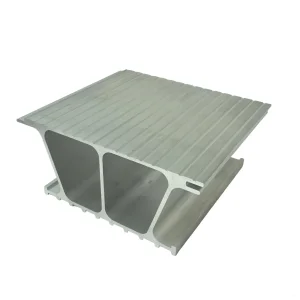
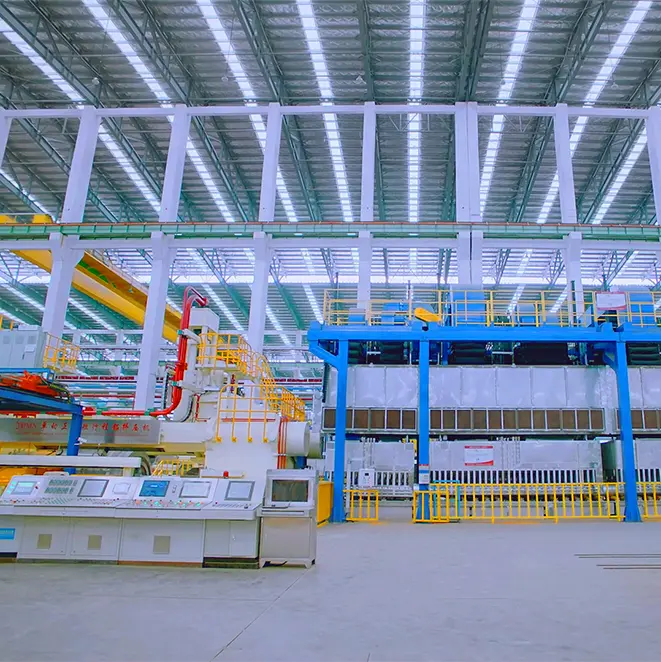
We specialize in the engineering of high-precision structural sleeves and containment housings essential for rotor assemblies. By utilizing premium Fenglu aluminum, we offer an expansive catalog of material grades. Our extrusion capabilities range from 800T up to a massive 20,000T line, allowing us to process alloys across the 1xxx, 2xxx, 3xxx, 5xxx, 6xxx, and 7xxx series. We produce structural products with cross-sectional widths up to 1.2 meters and continuous lengths up to 28 meters, satisfying strict dimensional tolerances for aerospace and industrial applications.
High-speed surface-mounted permanent magnet (SPM) rotors rely heavily on containment sleeves to resist centrifugal forces that can cause magnet delamination and structural failure. The choice of containment sleeve material is a critical design decision:
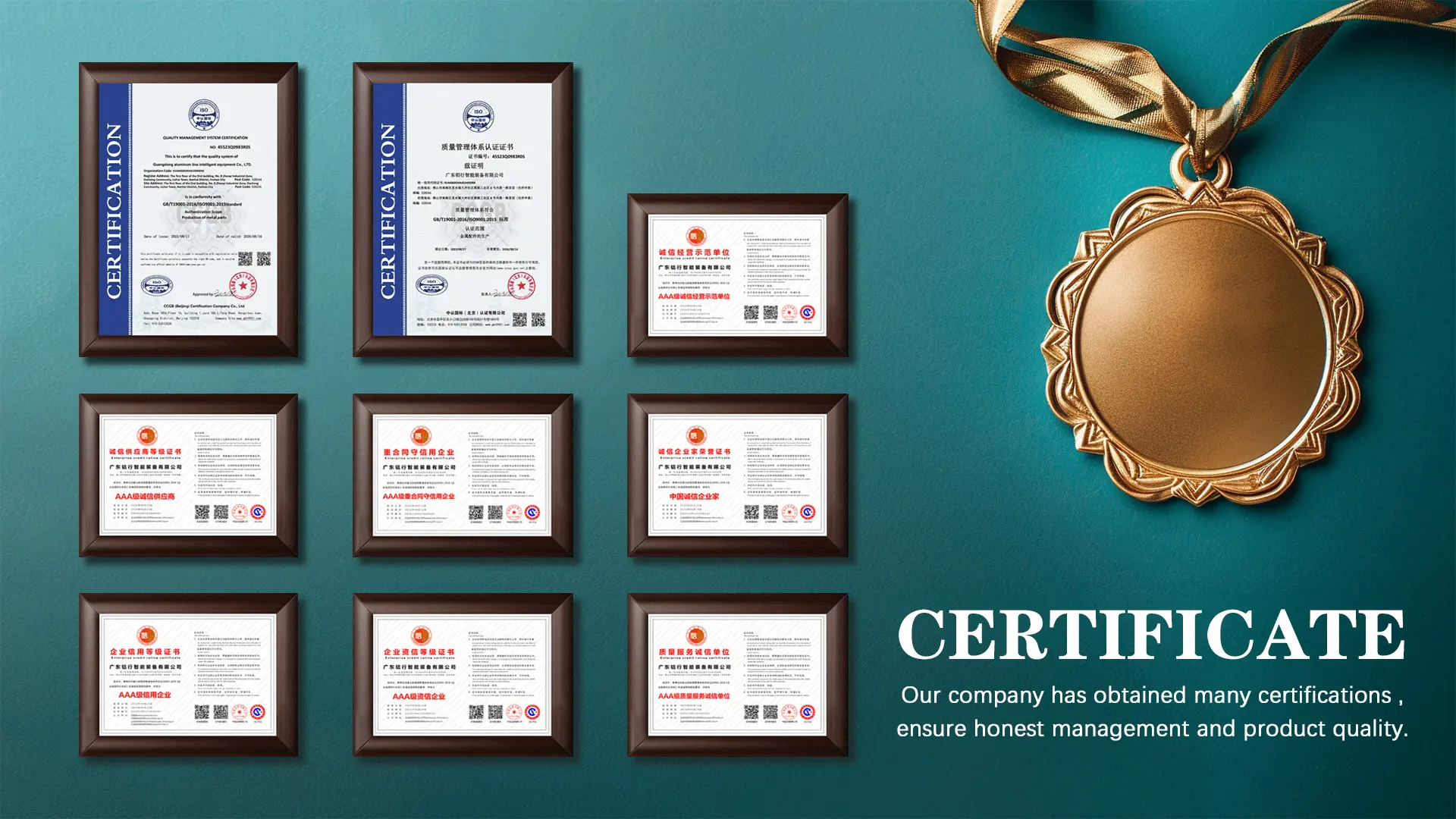
Our quality system is certified in accordance with GB/T19001-2016/ISO9001:2015 standards, ensuring every containment component exhibits structural uniformity, free of micro-voids or inclusion defects that could compromise high-speed operations.
How we leverage advanced materials, precise production tolerances, and robust quality control to support global engineering teams.
We have obtained the prestigious “Special Aluminium Materials for Aerospace” Certificate, validating our capabilities for high-reliability systems.
Utilizing premium Fenglu aluminum. With extrusion lines from 800T to 20,000T, we handle alloys across 1xxx to 7xxx series, up to 1.2m wide and 28m long.
Our technicians possess over 15 years of experience. We analyze application-specific needs, anticipate dynamic challenges, and deliver tailored solutions.
Sourcing rotor motor magnets and structural aluminum components from China provides global OEMs with distinct competitive advantages, provided they partner with established manufacturers who implement rigorous quality standards. China represents the complete ecosystem for permanent magnet production, housing over 80% of the world’s rare earth mining, refining, and alloy processing capacity. This vertical integration translates into stable material supply chains and reduced lead times.
Furthermore, the concentration of high-end extrusion tooling, such as our 20,000T production line in Foshan, allows for structural integration that would be cost-prohibitive elsewhere. Integrating the magnet fabrication and the containment sleeve assembly under synchronized quality controls prevents dynamic testing issues downstream.
Global procurement teams must navigate local safety and environmental regulations. As an export-capable supplier, we ensure compliance across multiple jurisdictions:
The convergence of rare-earth magnetics and high-strength aluminum containment systems serves critical high-speed, high-stress environments:
Get answers to common technical queries regarding rotor magnets, containment sleeves, and structural aluminum design.
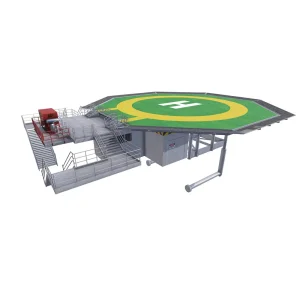
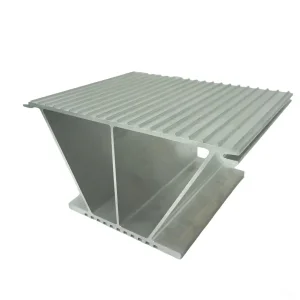
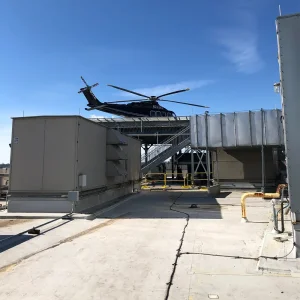
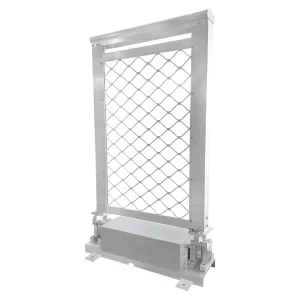
Discover our range of heavy industrial, aviation-ready, and maritime profile designs engineered for long-term durability.

 LvXing