Discover our state-of-the-art aluminum deck profiles, perimeter safety nets, and rooftop landing components certified to international aviation safety directives.
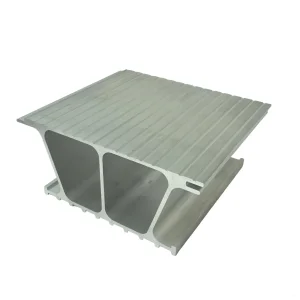
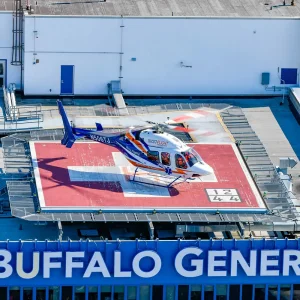
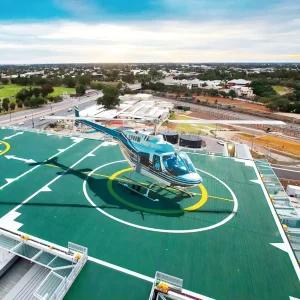
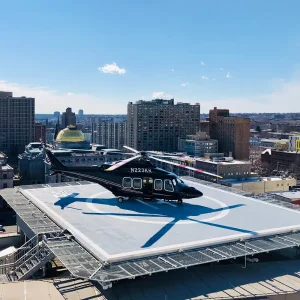
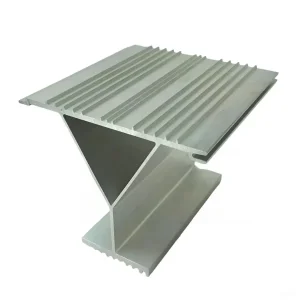
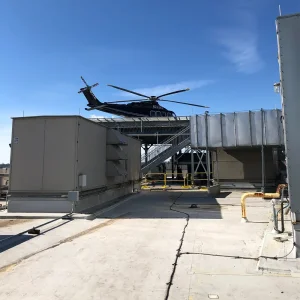
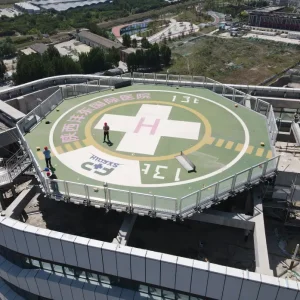
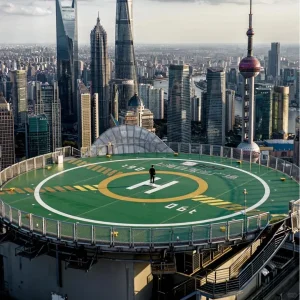
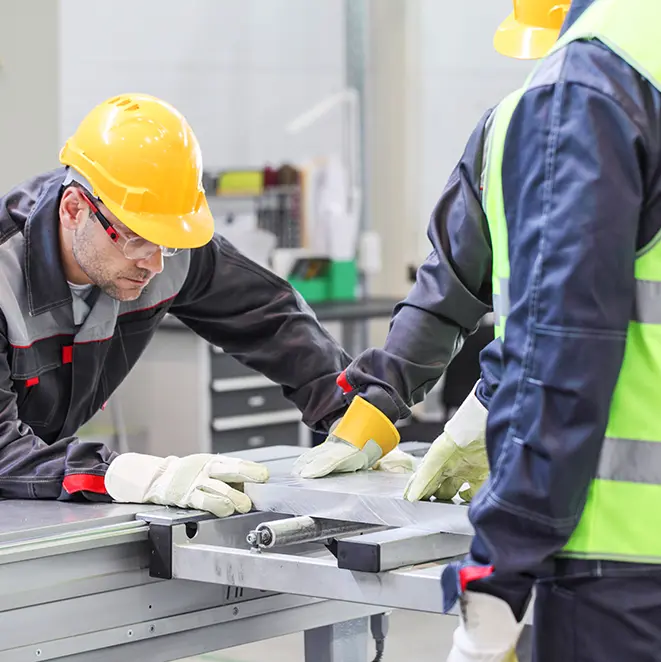
Located in the heart of Foshan City, Guangdong, LvXing Intelligent Equipment Co., Ltd. represents the absolute standard in custom aluminum extrusion manufacturing and mechanical helideck engineering. Over the years, we have built a robust infrastructure driven by a highly skilled Research and Development unit with deep cross-disciplinary engineering competencies. Our technical team works hand-in-hand with our clients to transform conceptual models into deployment-ready installations, adhering to the most stringent aerospace and structural tolerances.
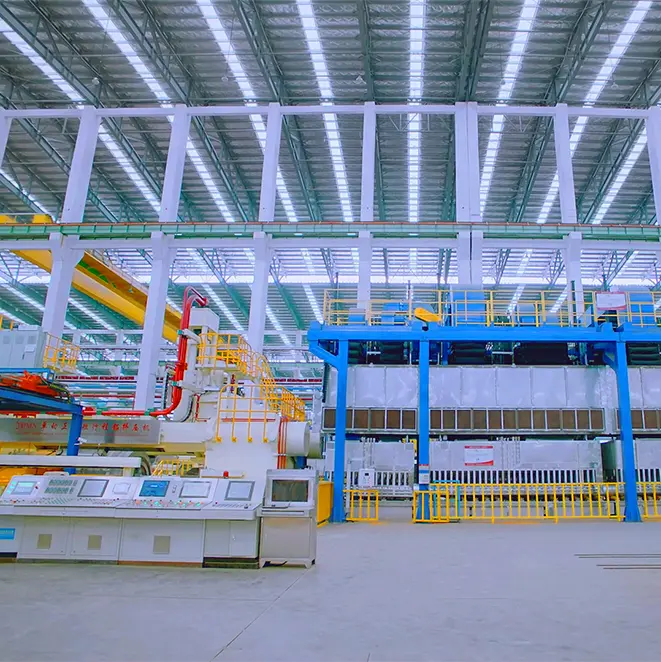
Our manufacturing philosophy centers on sourcing top-tier raw materials, predominantly Utilizing Premium Fenglu Aluminum. By operating high-output extrusion press lines ranging in force capability from 800T to a massive 20,000T, we are fully equipped to process specialized high-strength structural alloys. Our processing bandwidth covers the full material spectrum, including 1xxx, 2xxx, 3xxx, 5xxx, 6xxx, and 7xxx series alloys, allowing the manufacture of complex profiles up to 1.2 meters in cross-sectional width and up to 28 meters in length.
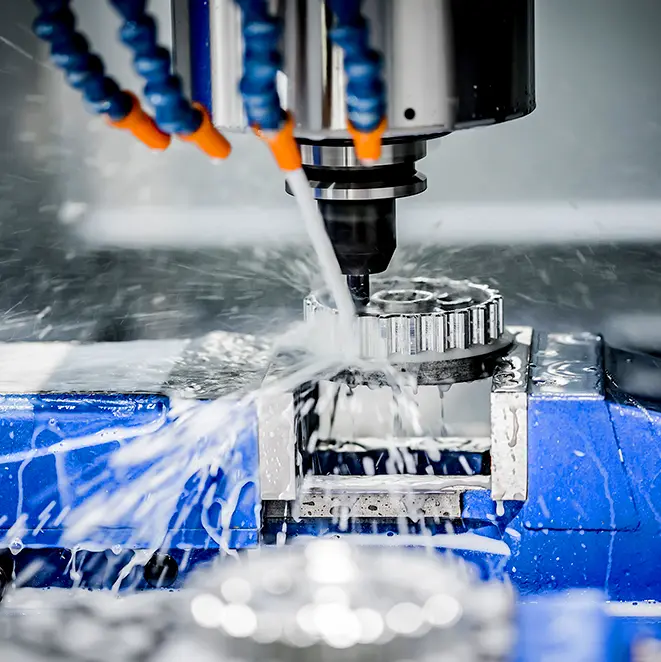
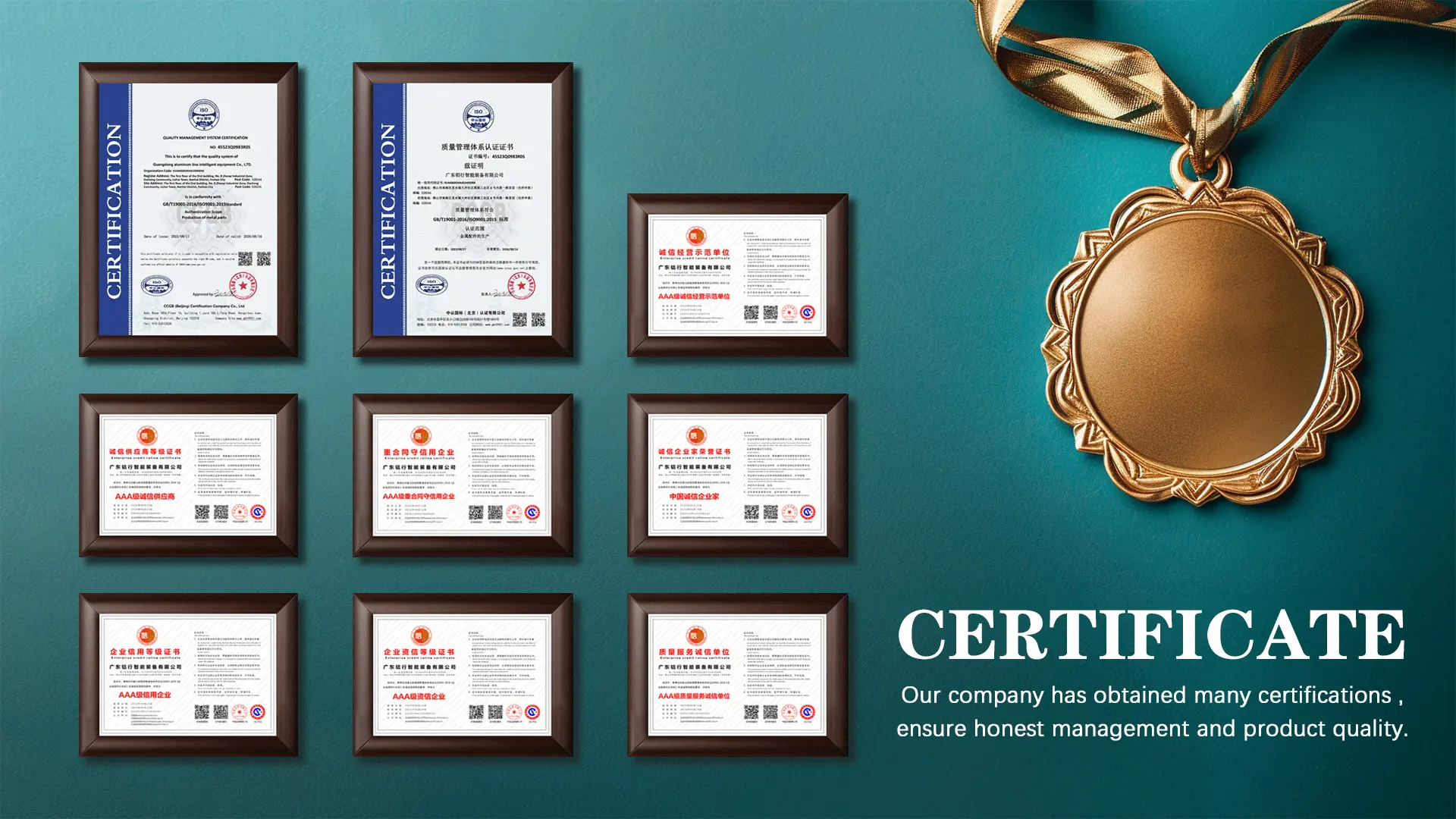
These ultra-precise structures find vital application across aerospace landing decks, tactical military operations, healthcare facility emergency networks, and high-load industrial infrastructures. By implementing meticulous quality controls through each extrusion phase, heat treatment cycle, surface finishing process, and packaging procedure, we have secured formal certifications including GB/T19001-2016 and ISO9001:2015. We welcome international EPC contractors, airport planners, and commercial developers to visit our advanced Foshan factory for physical audits.
Through continuous investments in metallurgical research and dynamic force simulation software, we deliver helideck systems designed to survive extreme environments.
We have obtained the “Special Aluminium Materials for Aerospace” Certificate, ensuring compliance with strict weight-to-strength ratios and safety regulations required for helicopter landing configurations.
We provide and utilize high-quality Fenglu aluminum profiles. With extrusion lines ranging from 800T to 20,000T, we can produce alloys 1xxx, 2xxx, 3xxx, 5xxx, 6xxx, and 7xxx. We can manufacture fully shaped products with section dimensions up to 1.2 meters in width or 28 meters in length.
We have a team of technicians with 15 years of invaluable experience. Our deep understanding of customer requirements allows us to identify potential issues and offer practical insights, turning customer ideas into tangible products that meet specific needs.



Analyzing global regulatory metrics, corrosion resistance profiles, and impact absorption physics for structural engineers and project developers.
In global offshore exploration, municipal skyscraper development, and medical transport infrastructure, heliport perimeter safety netting is not a mere structural accessory; it is a legally mandated, lifesaving barrier. Civil Aviation Authorities globally recognize CAP 437 (Standards for Offshore Helicopter Landing Areas) as the benchmark for safety regulations. Chapter 3 of CAP 437 details the exact structural parameters for perimeter safety nets. It dictates that helideck safety nets must extend at least 1.5 meters outward from the boundary of the landing deck and possess an upward inclination of approximately 10 degrees to catch falling personnel without causing serious injury.
Furthermore, standard compliance requires that the perimeter safety net must not rise above the plane of the landing area itself to avoid posing a dynamic collision threat to the helicopter's rotor system or landing gear. As a premier China Tower Heliport Safety Netting Manufacturer, LvXing engineers systems utilizing 316-grade marine-grade stainless steel cables or aviation-grade structural aluminum frame extrusions. These assemblies undergo strict finite element analysis (FEA) to confirm they can withstand drop-test standards (e.g., dropping a 100kg test weight from a height of 1 meter) simulating real-world human drop stresses without structural failure.
"A certified perimeter safety net must absorb at least 2.3 kilojoules of kinetic impact energy over its lifespan. Standard industrial nets quickly degrade under severe UV exposure and salt spray, emphasizing the necessity of high-grade alloy frames."
For offshore drilling rigs, floating production storage and offloading (FPSO) vessels, and coastal medical heliports, atmospheric conditions are notoriously harsh. The presence of chloride-heavy marine spray paired with intense ultraviolet radiation initiates accelerated galvanic corrosion on standard steel fixtures. By engineering high-performance structural aluminum profiles using alloys like 6061-T6 and 6082-T6, LvXing provides an naturally corrosion-resistant support frame. Our extrusion technology guarantees consistent wall thickness and optimal structural grain flow, minimizing internal material stresses that could lead to stress corrosion cracking (SCC).
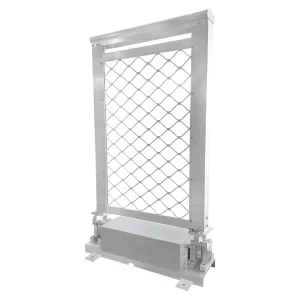
When combined with our manual or electric drop-down stainless steel safety nets, these aluminum extrusions form a lightweight, high-strength system. The electric retractable safety nets, highlighted in our product line, integrate advanced actuator technology. This permits automated retraction during helicopter operations or cargo crane maneuvers, significantly reducing manual labor and the safety risks associated with high-altitude manual adjustments on offshore platforms.
Below is the core material matrix utilized in our Foshan extrusion facility to manufacture international helideck systems.
| Material / Profile Specification | Applicable Alloy Series | Yield Strength (Typical) | Structural Application & Environment |
|---|---|---|---|
| Helideck Decking Profiles (LX-HP01/LX-HP02) | 6000 & 7000 Series (e.g., 6082-T6, 7005) | ≥ 260 MPa | Rooftop skyscrapers, offshore platforms, hospital decks. High friction, heavy load bearing. |
| Perimeter Net Frame Extrusions | 6061-T6, 6063-T6 Structural Alloys | ≥ 240 MPa | Corrosion-resistant support arms designed for high wind load deflection. |
| Safety Netting Cables & Mesh | 316 / 316L Stainless Steel Cable System | Tensile Strength ≥ 800 N/mm² | Offshore marine platforms, high UV rooftop environments. High mechanical load damping. |
| Custom Heliport Connectors | 5000 & 6000 Series Alloys | ≥ 215 MPa | Corrosion-resistant structural brackets connecting the main concrete/steel tower to the aluminum deck. |
From seismic-engineered skyscrapers to dynamic marine vessels, our customized structural packages adapt to challenging structural demands.
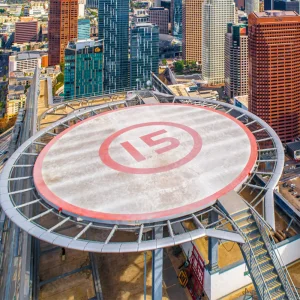
Urban verticality requires that modern skyscrapers feature operational helipads for VIP transport and emergency evacuation. Designing a helipad on top of a 300-meter skyscraper introduces severe architectural challenges, including aerodynamic turbulence, wind shear, and seismic displacement. Our lightweight aluminum alloy helipad profiles significantly reduce the dead load on the building's core column structure. Working alongside structural engineers, we develop customized safety netting systems that blend seamlessly with the building’s aesthetics while providing 100% fall protection. The manual and electric perimeter safety nets prevent tools, debris, or personnel from falling, meeting municipal building codes and civil aviation safety guidelines.
Every second counts during emergency medical flights. Hospital trauma center helipads require reliable systems that operate in all weather conditions. Standard steel structures are prone to rust and demand routine maintenance, which can temporarily close the helideck. In contrast, our maintenance-free aluminum alloy configurations remain clean and operational. To ensure zero-obstruction access for emergency gurneys, we offer hospital helipad safety nets with custom recess details. These keep the perimeter clear of safety components while remaining fully compliant with regional healthcare safety mandates.
As Urban Air Mobility (UAM) and eVTOL aircraft enter commercial operation, helideck infrastructure must evolve to support automated electric flight networks.
Future aviation safety systems will rely on real-time structural health monitoring. Our technical roadmap includes incorporating fiber-optic strain gauges and load sensors directly into the aluminum support arms of the perimeter safety net. These sensors continuously monitor structural load profiles, record severe weather wind gusts, and immediately alert facility maintenance teams if the net sustains an impact. This proactive approach eliminates manual inspection guesswork, ensuring the installation remains structurally sound and certified for continuous operation.
To support next-generation commercial aircraft and cargo drones, future vertiports will require dynamic perimeter systems. Our electric drop-down safety nets are designed to interface with the airport's master control systems. They automatically lower during high-load cargo transfers or emergency firefighting operations, and return to their safety configuration once the aircraft takes off, guaranteeing complete site safety without manual operator intervention.
Answers to common structural design, material certification, and international logistics questions for heliport developers.
Our structural aluminum profiles are extruded from high-performance structural alloys, specifically 6082-T6, 6061-T6, and 7005 series aluminum. We source raw material exclusively from premium Fenglu aluminum billets. These alloys provide excellent yield strength (often exceeding 260 MPa) and outstanding corrosion resistance in marine and industrial environments, making them ideal for heavy-load heliport decks and perimeter netting frameworks.
Our helideck safety nets and structural profiles are designed and engineered to meet the requirements of CAP 437, FAA Advisory Circulars (AC 150/5390-2D), and ICAO Annex 14 standards. We utilize advanced Finite Element Analysis (FEA) software to simulate impact loads and verify that our safety nets absorb the minimum 2.3 kJ energy requirement. In addition, we conduct physical drop tests (100kg mass drop) on prototype frames to confirm our structural designs perform as engineered.
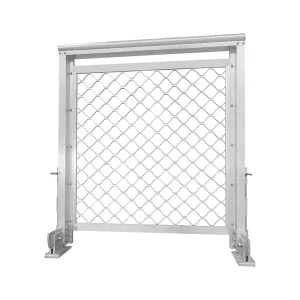
Manual safety netting is a fixed, passive barrier system that remains locked in a 10-degree inclined safety position. It can be folded down manually when maintenance or crane access is required. Electric safety netting integrates motorized actuators, allowing operations teams to lower or raise the netting system from the primary control room. This is highly recommended for automated logistics centers, high-traffic offshore platforms, and commercial heliports where manual access is dangerous or inefficient.
Yes. With extrusion lines ranging from 800T to 20,000T, we can manufacture customized shapes and profiles. We produce structural members with section widths up to 1.2 meters and lengths up to 28 meters. This capability allows us to fabricate circular, polygonal, and cantilevered landing decks tailored to the structural constraints of your building or vessel.
LvXing Intelligent Equipment operates under a quality management system certified to GB/T19001-2016 and ISO9001:2015. Additionally, our aluminum raw materials hold the Aerospace Special Aluminium Material certificate. Our safety netting systems and aluminum profiles carry CE certifications, satisfying import and engineering requirements for projects in Europe, North America, the Middle East, and Asia.
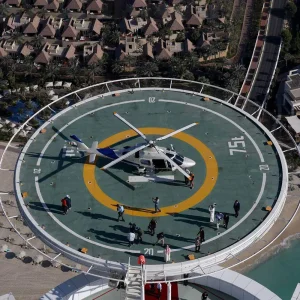
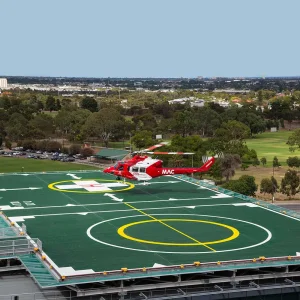
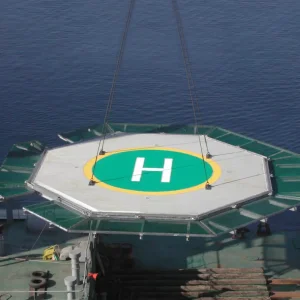
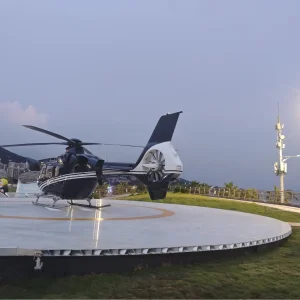
Review our specialized systems, including hotel rooftop designs, marine shipboard helidecks, and heavy-duty manual/electric perimeter nets.
 LvXing