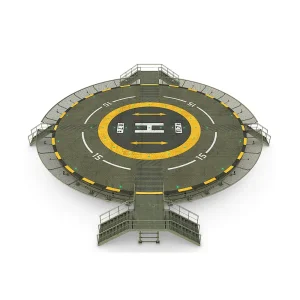
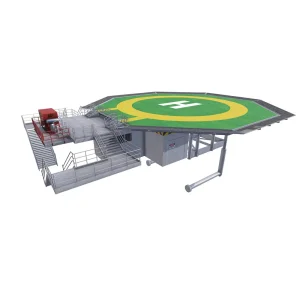
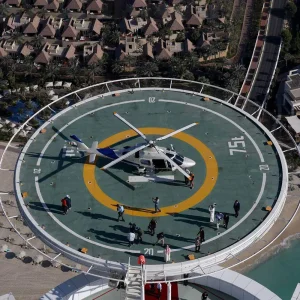
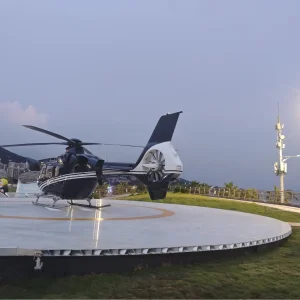
Analyzing critical procurement criteria for high-stakes municipal, defense, and maritime helideck construction programs worldwide.
The acceleration of modern urban planning (supertall skyscrapers), regional healthcare logistics (rooftop hospital emergency platforms), and offshore oil exploration demands highly resilient Vertical Landing Pad Safety Nets. These systems are not decorative fences; they are critical life-safety containment barriers capable of stopping a falling technician or passenger in harsh crosswind conditions.
Global procurement teams prioritize three macro trends:
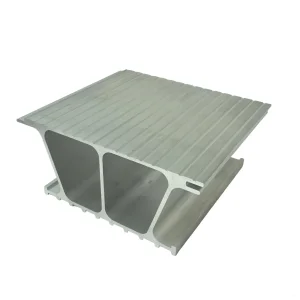
LvXing Intelligent Equipment meets these demanding specifications by leveraging raw Fenglu aluminum profiles processed through extrusion presses up to 20,000 Tons, ensuring optimal structural homogeneity and flawless metallurgical performance.
| Compliance Metric | Standard Requirement | LvXing Aluminum Performance |
|---|---|---|
| Dynamic Load | Dynamic drop-load of 100 kg / 1.0 m drop | Exceeds 150 kg drop testing without plastic deformation |
| Corrosion Resist. | C5-M extreme marine classification | High-thickness anodized 6xxx series (Fenglu profile) |
| Lifespan expectation | Minimum 15 years in marine air | Designed for 25+ years with zero maintenance |
| System Weight | < 15 kg/m² target for rooftops | Slashes weight by 45% compared to steel frames |
A deep technical breakdown of why aluminum alloys represent the modern pinnacle of helicopter landing pad structural design.
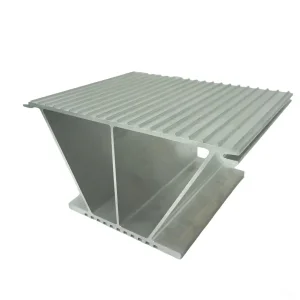
Utilizing high-end alloys including 1xxx, 2xxx, 3xxx, 5xxx, 6xxx, and 7xxx series. Our capabilities range from flexible industrial grades to hyper-tough aerospace-grade tempers, preventing micro-stress fractures in high-vibration landing areas.
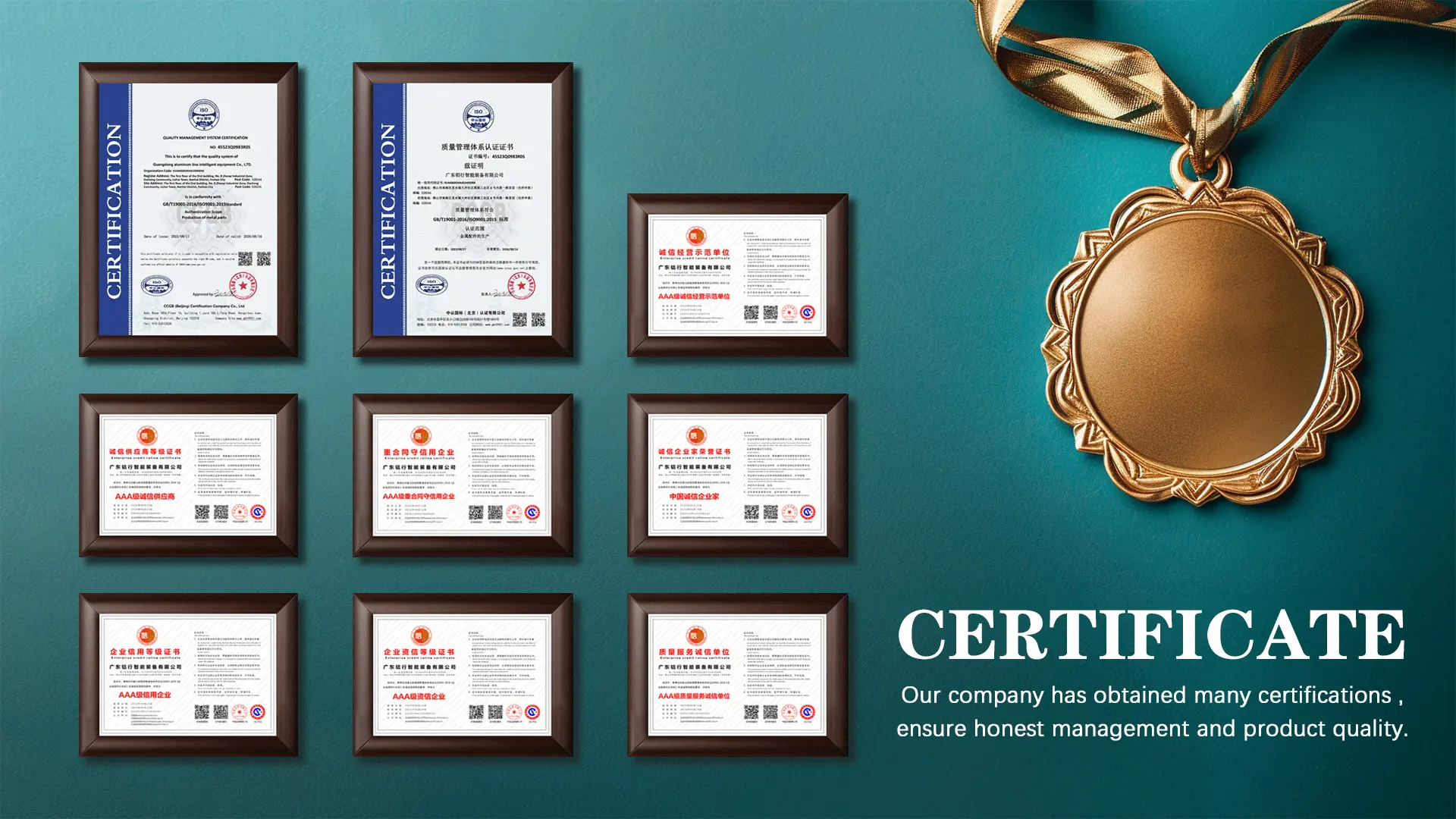
We hold the highly coveted "Special Aluminium Materials for Aerospace" Certificate. This ensures our material traceability and grain structures meet critical defense-grade standards for structural longevity.
With an experienced R&D team, we transition custom concepts into physical profiles. Whether you need integrated safety net channels, electrical heating slots (for de-icing), or custom geometry, our 15-year expert engineering team delivers.
Examining how safety net configurations must adapt to different physical installations to prevent failure under unique environmental stresses.
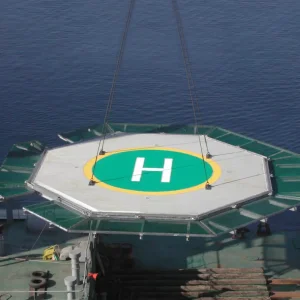
In deepwater exploration, platforms are continuously lashed by C5-M extreme marine environments, corrosive humidity, and powerful winds. Standard mesh corrodes quickly and fails drop-load tests.
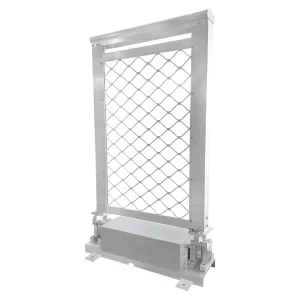
Our solutions rely on high-grade anodized structural aluminum mesh designed to fit helideck safety net profiles (such as our LX-HP02 or LX-HP04). The mesh and frames expand at identical rates under intense sun, avoiding tension slack or buckling.
Furthermore, we offer motorized electric helideck perimeter safety nets, allowing safety operators to deploy or lower barriers dynamically from a control booth, reducing risk to platform crew members.
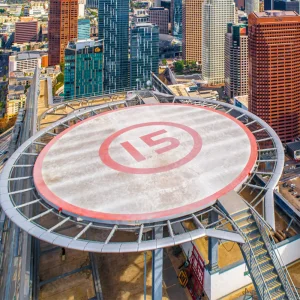
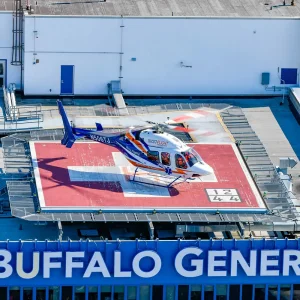
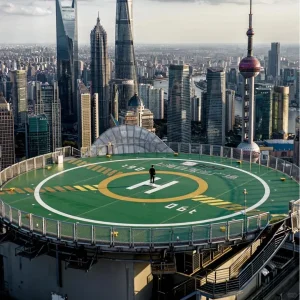
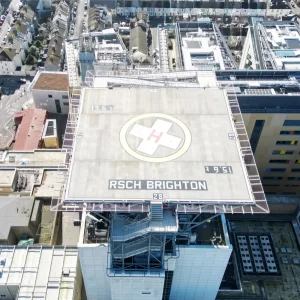
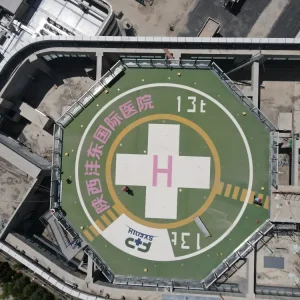
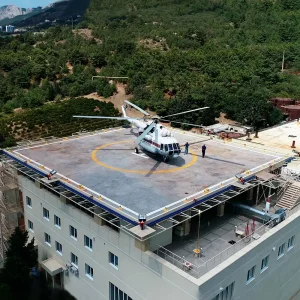
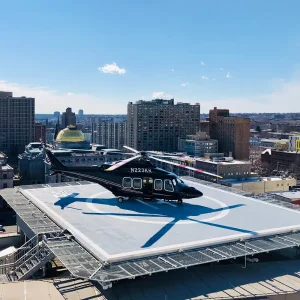
For hospital and skyscraper landing pads, thermal updrafts, building movements, and wind shear pose critical challenges. The structural support must absorb the load of a horizontal helicopter rotor blast while maintaining structural integrity to catch any falling personnel or equipment.
Our lightweight aluminum-alloy structures slash dead-load stresses on roof slabs, allowing architects to design thinner cantilevered helipad support struts, saving massive concrete and steel costs overall.
Your strategic partner in structural aluminum extrusions and helideck containment safety solutions.
Established in 2015 and located in Foshan City, Guangdong, LvXing Intelligent Equipment Co., Ltd. boasts a skilled R&D team with extensive experience. We leverage exceptional technical expertise to effectively transform customers' ideas into reality, consistently meeting their precise requirements.
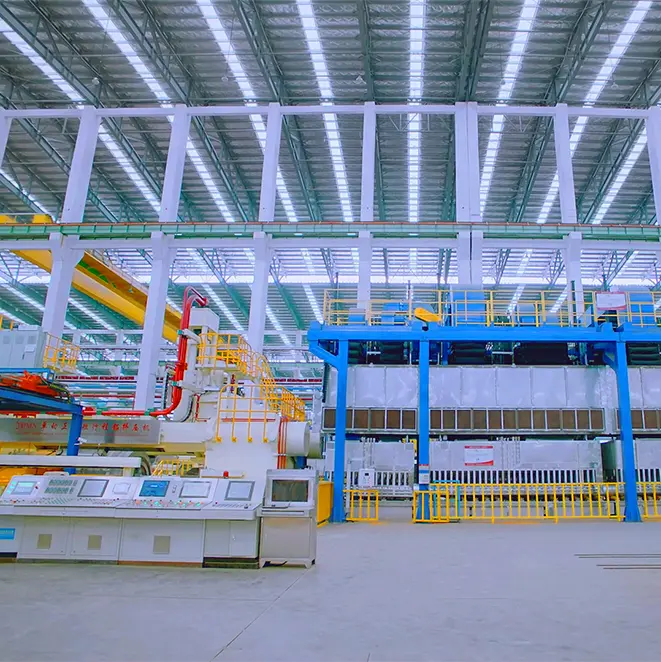
We utilize premium Fenglu aluminum, offering a diverse range of profiles for flexible applications. Our extrusion lines, ranging from 800T to 20,000T, accommodate alloys 1xxx, 2xxx, 3xxx, 5xxx, 6xxx, and 7xxx, allowing us to produce shaped products with section dimensions up to 1.2 meters in width and 28 meters in length. These products are recognized for their precision and meticulous processing, finding broad application in aerospace, military, medical, and industrial sectors.
Our commitment to excellence is evident throughout the manufacturing process, rigorous quality control, thorough packaging, and efficient shipping procedures. This dedication has earned us recognition as a national excellent and honest enterprise, along with quality system certification in accordance with GB/T19001-2016/ISO9001:2015 standards.
Certified Manufacturing Excellence
Our state-of-the-art facility in Foshan operates under ISO9001:2015 protocols. Every production run is tracked, from premium aluminum alloy ingot melting to final tension testing of safety nets.

We have obtained the "Special Aluminium Materials for Aerospace" Certificate.

We provide and utilize high-quality Fenglu aluminum profiles. With extrusion lines ranging from 800T to 20,000T, we can produce alloys 1xxx, 2xxx, 3xxx, 5xxx, 6xxx, and 7xxx. We can manufacture fully shaped products with section dimensions up to 1.2 meters in width or 28 meters in length.
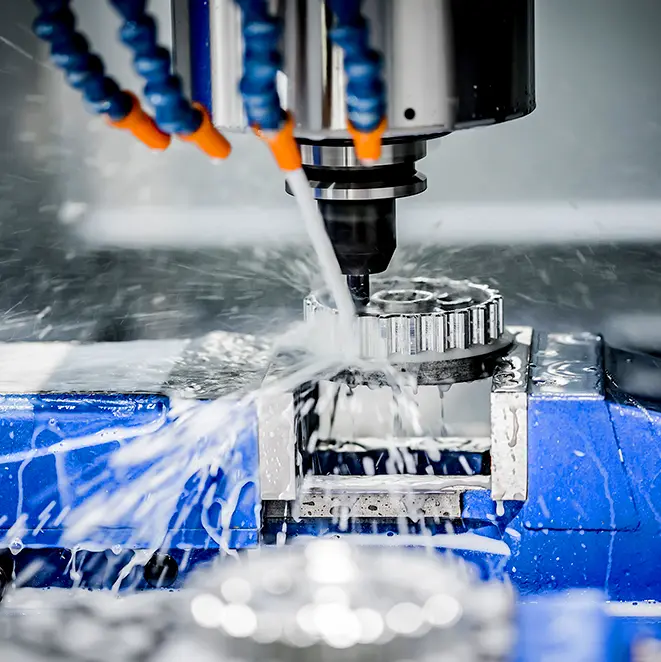

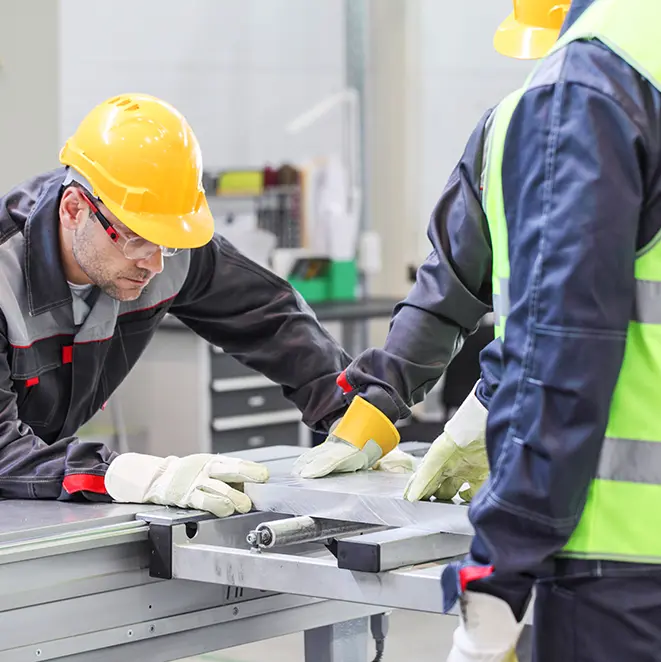
We have a team of technicians with 15 years of invaluable experience. Our deep understanding of customer requirements allows us to identify potential issues and offer practical insights, turning customer ideas into tangible products that meet specific needs.
Understanding cost structures, customization parameters, and factors affecting total cost of ownership (TCO).
When requesting a Landing Pad Safety Nets Pricelist, procurement specialists must avoid evaluating upfront costs in isolation. Low-grade nets fail prematurely in marine or high-salinity air, resulting in massive replacement downtime costs on working offshore platforms or hospital roofs.
LvXing Intelligent Equipment structural systems offer optimized CAPEX and OPEX balances. The primary cost-influencing dimensions of our landing pad safety nets include:
To ensure our R&D engineering team provides you with a precise pricelist, please prepare the following details before reaching out:
Crucial engineering and procurement answers regarding helideck perimeter safety systems.
According to standard aviation regulations (including ICAO Annex 14 and CAP 437), perimeter safety nets must extend at least 1.5 meters (approximately 5 feet) outward from the edge of the landing platform. This width ensures that any falling personnel or equipment is caught before descending past the deck edge.
Aluminum structural alloys (such as 6xxx series) provide an optimal strength-to-weight ratio. They are roughly 60% lighter than structural steel, reducing structural stresses on building roofs. Additionally, aluminum develops a natural oxide protective film, offering outstanding corrosion resistance in salt-heavy offshore environments without requiring paint or zinc coatings.
Our safety nets undergo rigorous quality control, including dimensional checks, anodization thickness validation, and dynamic drop testing. We verify that our safety nets withstand drop impacts of 100 kg dropped from 1 meter, ensuring they meet CAP 437 dynamic absorption standards.
Yes, we specialize in high-capacity custom aluminum extrusions. Utilizing our 800T to 20,000T extrusion lines, we can produce shapes up to 1.2 meters in width and 28 meters in length, using custom dies designed to match your specific engineering layouts and support points.
 LvXing