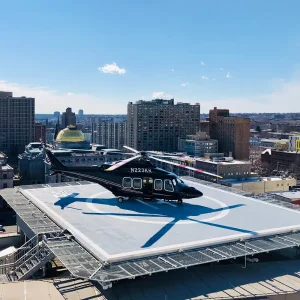
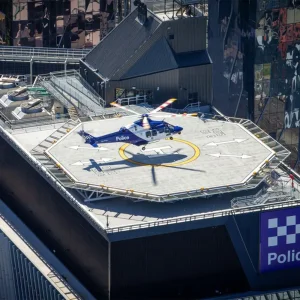
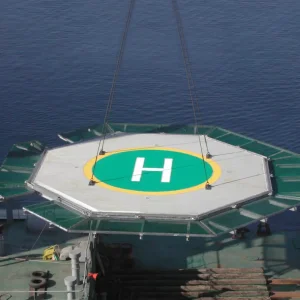
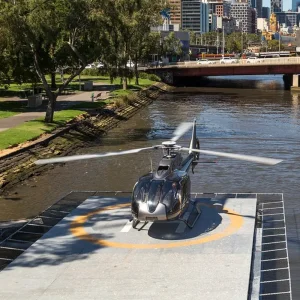
Explore our engineering portfolio. High-strength extrusions, marine-grade mesh, and structural helideck safety systems manufactured to international aviation regulations.
Established in 2015 and located in the industrial manufacturing hub of Foshan City, Guangdong, LvXing Intelligent Equipment Co., Ltd. has grown to become a premium supplier of high-tech aluminum structural platforms. Our core competencies focus on structural helipads, helicopter landing deck components, and custom-engineered perimeter safety net systems. Backed by a high-caliber R&D unit with decades of material-science and engineering experience, we seamlessly transition complex custom structural ideas into reality, conforming to the exact demands of international aviation regulatory frameworks.
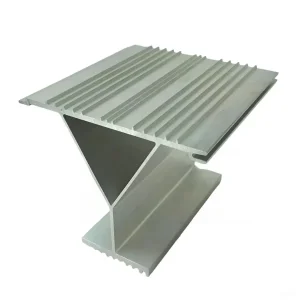
We leverage top-tier raw materials from premium supplier Fenglu Aluminum, offering a diverse array of structural and custom profiles. Utilizing extrusion lines ranging from 800 Tons up to an industry-leading 20,000 Tons capacity, we fabricate structures with high-grade alloys spanning the 1xxx, 2xxx, 3xxx, 5xxx, 6xxx, and 7xxx series. Our capability allows the manufacture of fully-shaped structural components with section widths up to 1.2 meters and single continuous lengths reaching 28 meters. These precise tolerances and robust dimensional structures are certified for critical, heavy-use applications across the aerospace, marine, military, healthcare, and industrial sectors.
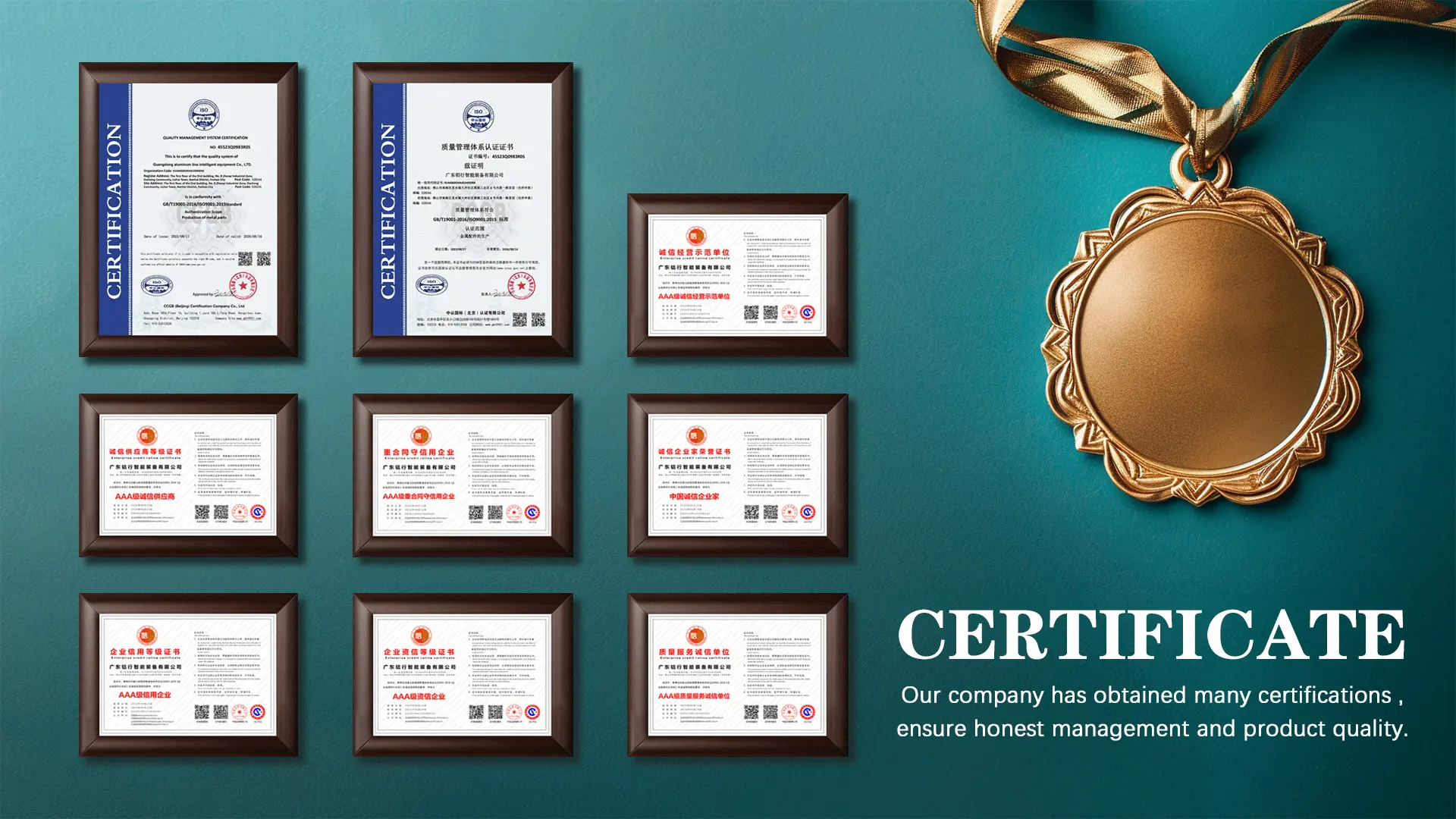
Lvxing’s quality management processes encompass every stage of the lifecycle: from design verification through finite element analysis (FEA), to precision extrusion, rigorous destructive & non-destructive quality testing, and robust packaging systems configured for safe marine transit. Operating in accordance with GB/T19001-2016/ISO9001:2015 standards, we welcome global EPC contractors, structural engineers, and airport infrastructure developers to partner with our manufacturing team.
Extrusion Press Capacity
Max Profile Length
Quality System Certified
Technician Engineering Expertise
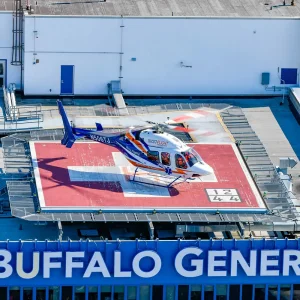
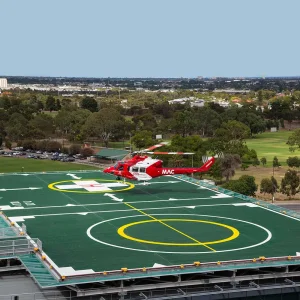
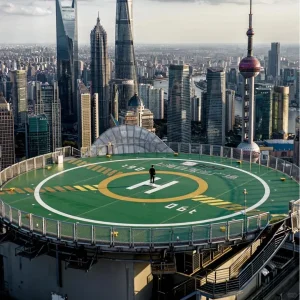
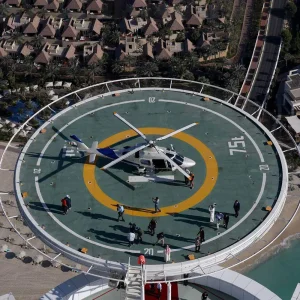
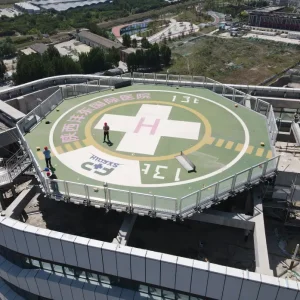
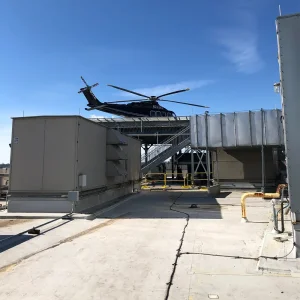
Helipad design demands strict adherence to dynamic load-bearing standards, aerodynamics, and structural physics. The perimeter safety net is not a mere decorative feature; it is an active hazard-mitigation mechanism designed to capture personnel, equipment, or debris in the event of an excursion beyond the landing deck limits. Because helidecks—especially on offshore drilling rigs, ocean vessels, urban skyscrapers, and hospital rooftops—are subjected to extreme environmental forces, the material choices and manufacturing tolerances of these net frames dictate operational safety.
Historically, heavy steel configurations were common. However, steel nets present severe design challenges. Under marine atmospheres, steel undergoes rapid galvanic corrosion and chloride-induced pitting. This degrades the mesh's mechanical properties, presenting structural vulnerabilities that risk catastrophic failure under sudden dynamic loads. Furthermore, steel's high weight adds structural dead-load to marine hulls or cantilevered building frames. The transition to marine-grade aluminum alloys, coupled with high-strength synthetic or stainless-steel mesh infills, has revolutionized helipad security. Aluminum offers an optimized strength-to-weight ratio, structural elasticity, and self-passivating oxide layers that resist harsh atmospheric conditions.
For international procurement departments, understanding regional and global standards is critical to compliance and risk management. Lvxing designs, simulates, and manufactures its safety net systems in compliance with the world's most rigorous certification frameworks:
By using premium alloys like 6061-T6 and 6082-T6, Lvxing engineers net frames that sustain these high tension loads. Through FEA (Finite Element Analysis) prototyping, we verify that our extruded frames dissipate energy throughout the structural members, preventing local stresses from causing fatigue cracks at joint connections.
Lvxing’s manufacturing core relies on Fenglu’s premium aluminum profiles, processed through high-tonnage extrusion lines. The choice of alloy is custom-tailored to the application scenario:
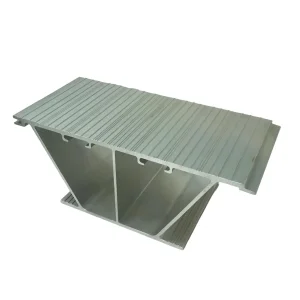
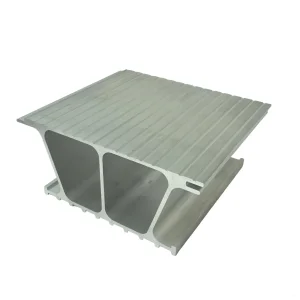
Our capabilities with extrusion forces up to 20,000 Tons permit the production of complex, multi-hollow profiles in single, continuous runs. This eliminates welded seams, which are traditionally the weakest links under fatigue stress. The section widths of up to 1.2m and length capabilities up to 28m mean we can deliver continuous frame spans for large-scale offshore decks, significantly simplifying site installation and saving labor costs.
Located in Foshan, the global hub for aluminum extrusion manufacturing, LvXing Intelligent Equipment Co., Ltd. represents China’s Industry 4.0 paradigm. Our supply chain configuration combines immediate access to high-purity aluminum smelting facilities, raw billet casting, and precision extrusion lines with advanced down-stream CNC machining, surface finishing, and compliance testing.
This geographic concentration creates unmatched supply-chain resilience and efficiency:
A multi-disciplinary approach to engineering, material selection, and rigorous structural verification processes.
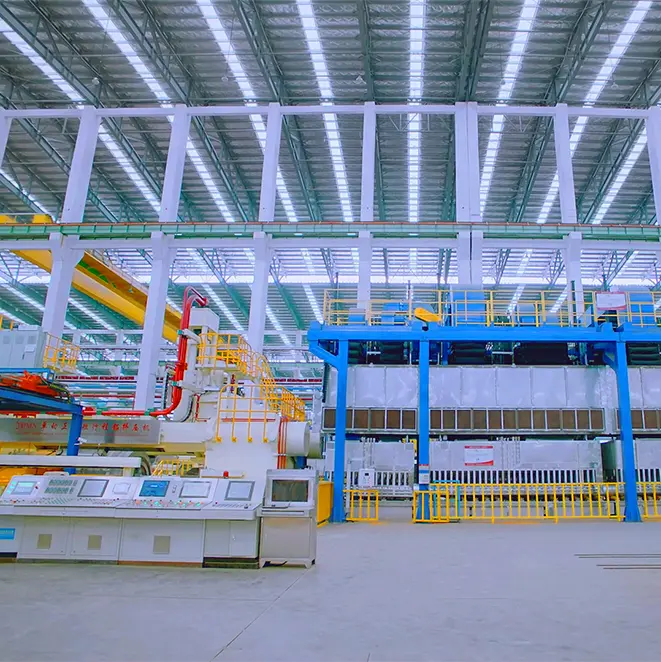

We hold the prestigious "Special Aluminium Materials for Aerospace" Certificate, confirming our raw materials and extrusion processes satisfy strict safety guidelines for aerospace landing structures and deck assemblies.
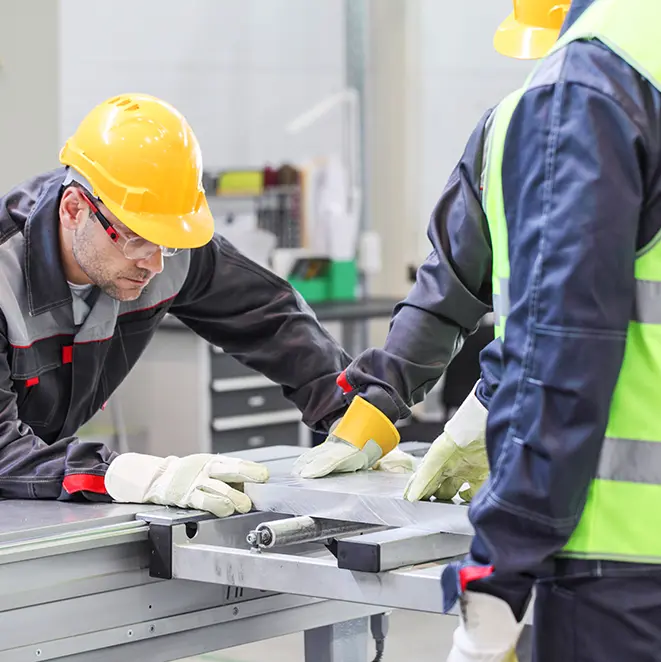

Utilizing high-end Fenglu aluminum profiles. Our extrusion systems range from 800T to 20,000T, processing alloys 1xxx through 7xxx, with maximum dimension outputs of up to 1.2m width or 28m in length.
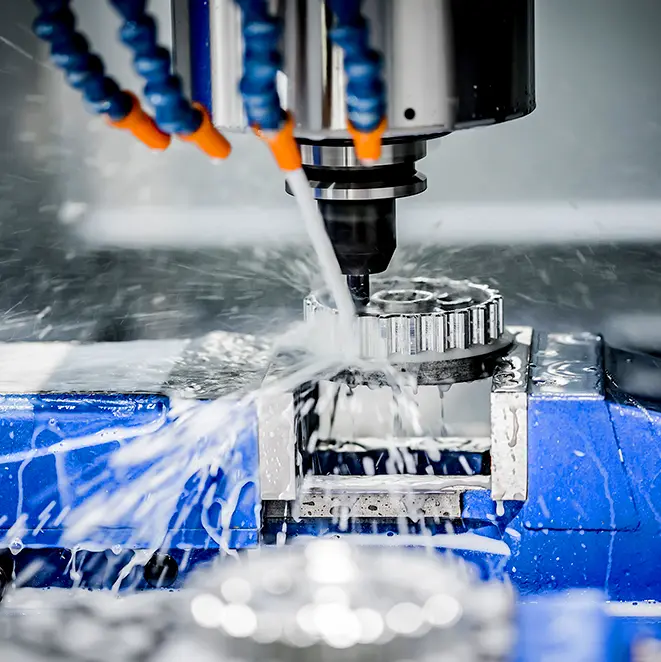

Our engineering team has 15 years of industrial experience. We identify structural and wind-resistance issues before fabrication, converting complex blueprints into optimized, physical safety net assets.
Helipad safety net systems require customized configurations based on the operating environment. A one-size-fits-all solution is ineffective in marine or high-altitude operations:
Browse our complete range of certified helicopter deck structural assemblies, specialized mesh, and custom aluminum extrusion products.
 LvXing