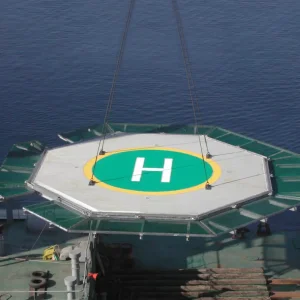
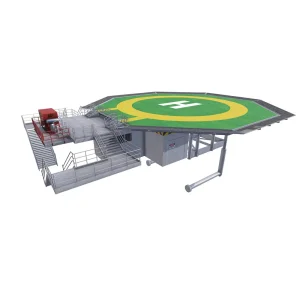
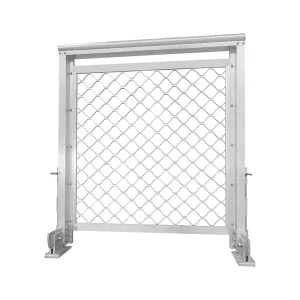
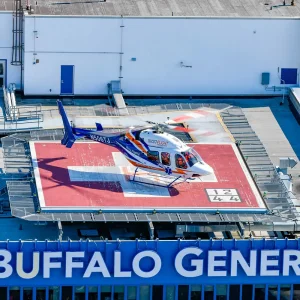
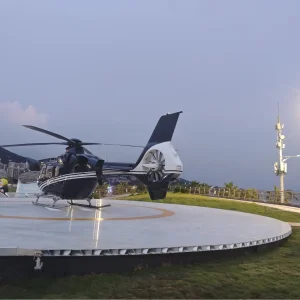
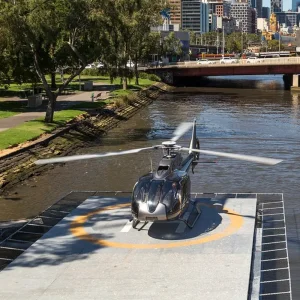
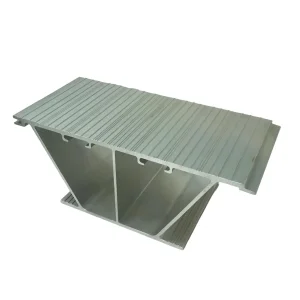
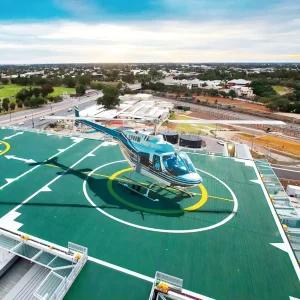
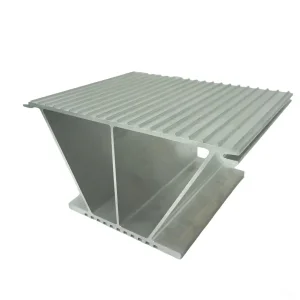
Discover our primary heavy-duty structural profiles and assemblies designed for critical landing zones, marine heliports, and modular architectural frameworks. These profiles represent our signature custom extrusion capabilities.
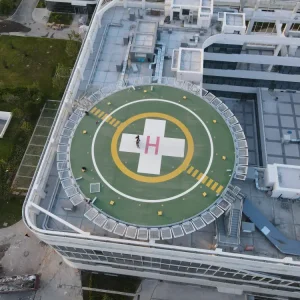
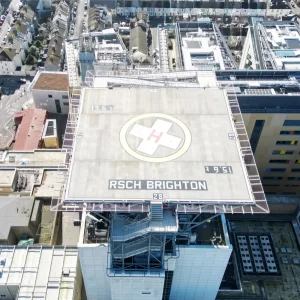
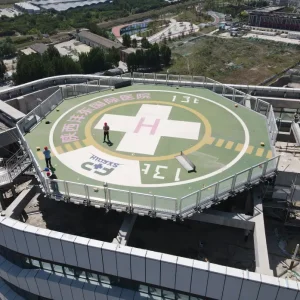
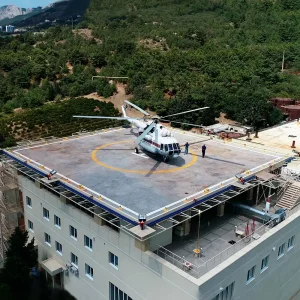
In the global B2B procurement environment, the 30*30 aluminum profile (30mm x 30mm cross-section) represents the foundational benchmark for lightweight modular frame construction. This document outlines structural properties, design limits, cost considerations, and production capabilities to help procurement teams source reliably.
T-slot and V-slot profiles eliminate the need for welding, drastically reducing assembly time while allowing for immediate modifications, adjustments, and re-usability across complex test setups and machine enclosures.
Depending on structural requirements, extrusions are available in various tempers. While 6063-T5 is standard for modular framing, 6061-T6 and specialized 7xxx alloys are chosen for heavy marine and aerospace landing systems.
Standardizing on a 30*30mm grid simplifies hardware sourcing (brackets, roll-in T-nuts, slot covers) and helps procurement teams optimize shipping volumes and freight costs.
Designing durable structures requires understanding the mechanical properties of different 30*30 profile geometries. Below is a structural data table comparing standard 30*30 cross-sections.
| Profile Designation | Wall Thickness | Cross-Sectional Area | Moment of Inertia (Ix) | Moment of Inertia (Iy) | Mass (kg/m) | Tensile Strength (MPa) |
|---|---|---|---|---|---|---|
| 3030 Standard Light (T-Slot) | 1.5 mm | 2.78 cm² | 2.45 cm⁴ | 2.45 cm⁴ | 0.75 kg/m | 185 (6063-T5) |
| 3030 Heavy-Duty (T-Slot) | 2.0 mm | 3.45 cm² | 2.98 cm⁴ | 2.98 cm⁴ | 0.93 kg/m | 215 (6063-T6) |
| 3030 Ultra-Strong (V-Slot) | 2.2 mm | 3.82 cm² | 3.21 cm⁴ | 3.21 cm⁴ | 1.03 kg/m | 290 (6061-T6) |
| Specialized Aero-3030 | 2.5 mm | 4.10 cm² | 3.58 cm⁴ | 3.58 cm⁴ | 1.15 kg/m | 510 (7075-T6) |
To determine if a 30*30 profile is suitable for a specific load, engineers use the deflection formula for a simply supported beam with a center load:
δ = (F × L³) / (48 × E × I)
Where:
For high-load frames, switching from standard 6063-T5 to 6061-T6 profiles increases the yield strength by approximately 75%, allowing structures to support greater forces before plastically deforming.
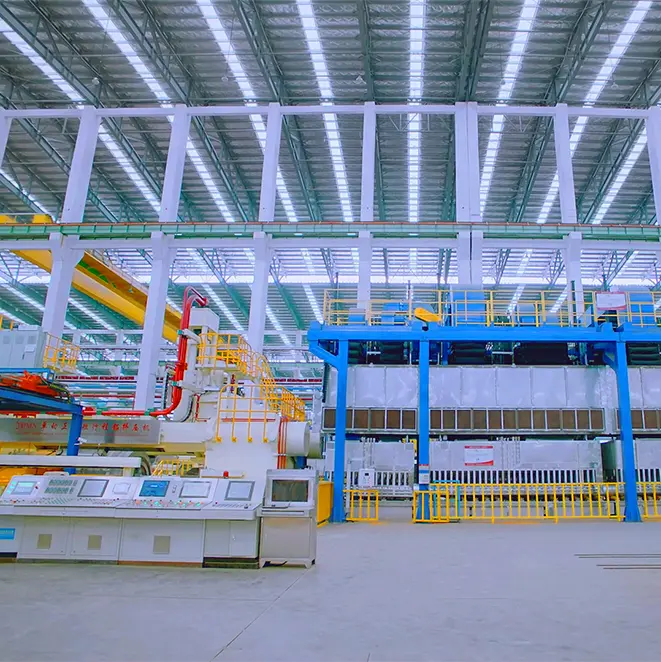
Operating from the industrial manufacturing hub of Foshan City, Guangdong, LvXing Intelligent Equipment Co., Ltd. (established in 2015) provides custom aluminum solutions for demanding industrial applications.
Established in 2015 and located in Foshan City, Guangdong, LvXing Intelligent Equipment Co., Ltd. is backed by a skilled R&D team with extensive experience. We leverage technical expertise to help turn customers' design concepts into reality, consistently meeting precise performance requirements.
We source premium Fenglu aluminum to offer a diverse range of profiles for flexible applications. Our extrusion lines, ranging from 800T to 20,000T, accommodate alloys in the 1xxx, 2xxx, 3xxx, 5xxx, 6xxx, and 7xxx series. This allows us to produce shaped profiles with section dimensions up to 1.2 meters in width and 28 meters in length. These products are known for their precise tolerances and detailed processing, and they find wide application in the aerospace, military, medical, and industrial automation sectors.
Our commitment to quality is reflected throughout our manufacturing process, which includes rigorous quality control, secure packaging, and efficient logistics. This dedication has earned us recognition as a trusted domestic enterprise, backed by quality system certification in accordance with GB/T19001-2016/ISO9001:2015 standards.
Understanding how custom extrusions are priced helps procurement teams budget effectively. Production pricing is typically calculated using the formula below:
B2B Pricing Formula:
Total Price = [Raw Aluminum Ingot Cost (LME/SMM Index) + Processing Fee (Extrusions)] × Volume (Tons) + Die Tooling Charge + Post-Processing CNC Machining + Surface Treatment + Packaging & Freight
| Order Volume (MOQ: 500 kg) | Processing Fee (per Ton) | Anodizing Cost (Silver/Black) | Die Tooling Fee (One-Time) | Lead Time (Days) |
|---|---|---|---|---|
| 500 kg - 2 Tons | $650 - $800 USD | $250 USD / Ton | $300 - $450 USD (Refundable) | 12 - 15 Days |
| 2 Tons - 10 Tons | $500 - $600 USD | $220 USD / Ton | Waived / Free | 15 - 20 Days |
| 10+ Tons (Contract) | $350 - $450 USD | $180 USD / Ton | Waived / Free | 20 - 25 Days |
*Note: Processing fees vary based on design complexity, wall thickness, and choice of alloy (e.g., 6xxx vs. 7xxx series). Contact our sales team for an exact quote based on your CAD files.
We maintain strict quality control standards throughout the extrusion and processing stages to meet the requirements of aerospace, defense, and heavy industrial applications.
We have obtained the "Special Aluminium Materials for Aerospace" Certificate, demonstrating our ability to supply critical high-load landing structures.
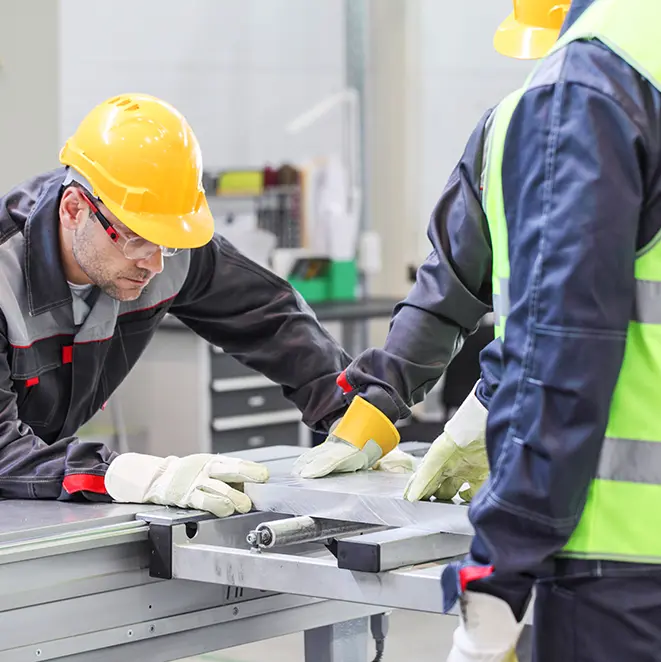
Using premium Fenglu aluminum, our 800T to 20,000T extrusion lines support alloys 1xxx through 7xxx, producing profiles up to 1.2m wide or 28m long.
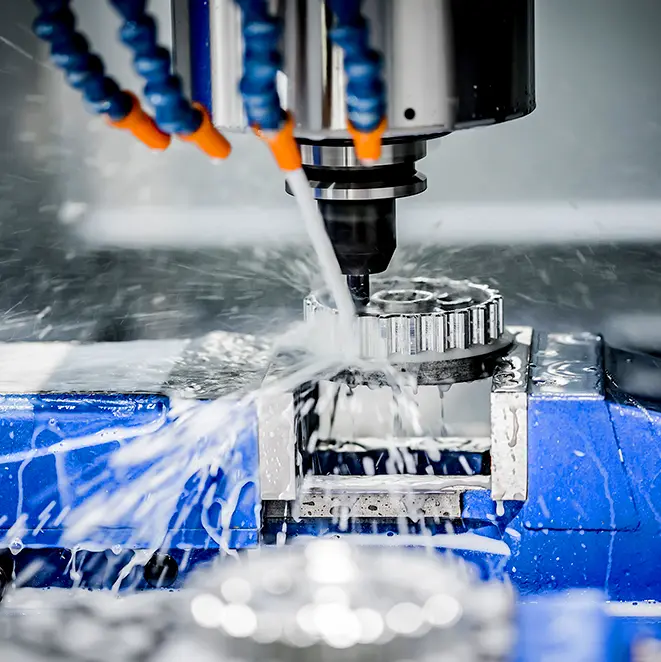
Our engineering team draws on over 15 years of technical experience to analyze customer specifications, resolve design issues, and optimize profiles for manufacturing.

Aerospace Certification & High-load verification

Fenglu aluminum billets & advanced billet casting

Custom CAD reviews and assembly optimization
Modern engineering applications call for robust integration of 30*30 profiles with larger, specialized components. We support several major industries globally:
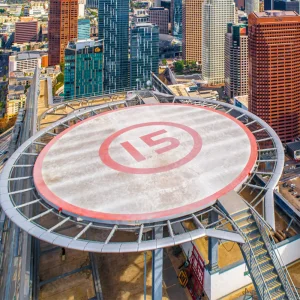
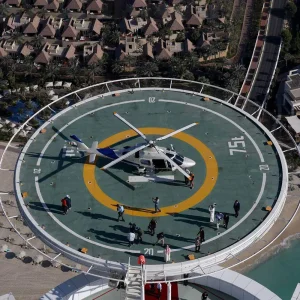
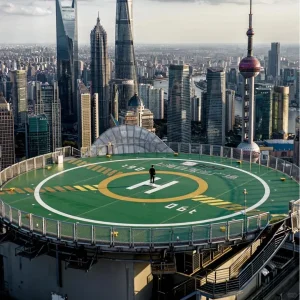
Aluminum profiles are widely used in structural landing decks, including marine helidecks and skyscraper platforms. These environments require high load-bearing capacity and excellent resistance to saltwater corrosion.
30*30 profiles serve as the foundation for robotic work cells, sensor mounts, linear actuator guides, protective safety enclosures, and material handling systems.
With clear anodized, anti-microbial coatings, our profiles are built for sterile environments, medical equipment frames, laboratory workstations, and cleanroom partitioning.
As industrial design advances, the requirements for profile precision and material performance continue to increase. Our engineering roadmap focuses on three main developments:
By adding precise amounts of zirconium (Zr) and titanium (Ti) to our 6xxx series alloys, we are improving structural resilience and fatigue life without increasing the profile's weight.
We are shifting to hydro-powered smelting to offer green aluminum profiles that help multinational buyers meet their scope-3 emissions reduction goals.
We are developing profile designs with integrated pathways for optical fibers and smart stress sensors to enable real-time structural health monitoring in high-load assemblies.
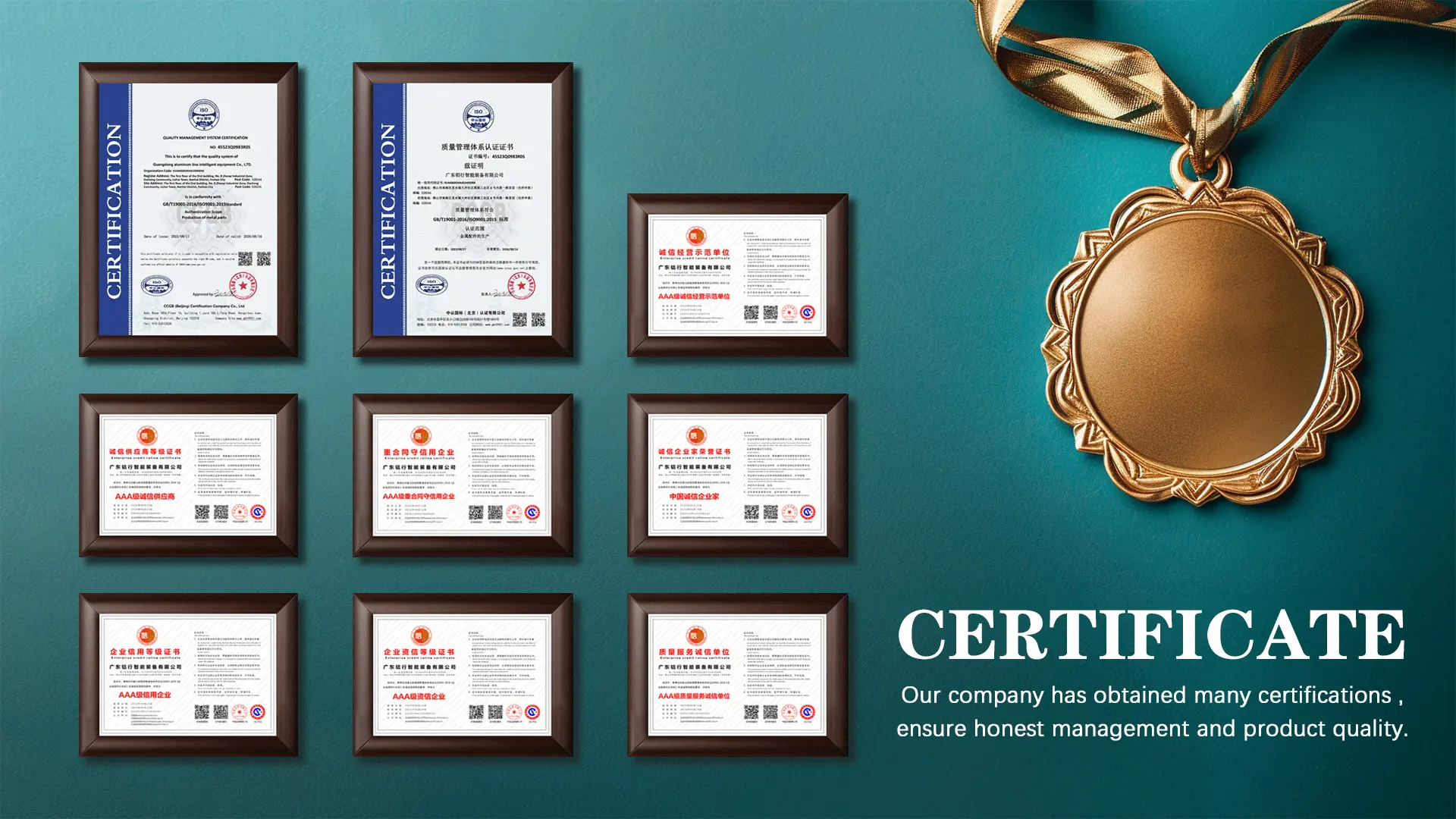
When ordering custom 30*30 profiles from overseas manufacturers, using a structured sourcing checklist helps ensure product compliance and project alignment.
Provide detailed 2D (PDF) and 3D CAD files (STEP or IGES format). Ensure tolerances align with standard ISO 2768-m (or class-fine for high-precision components).
Specify the required anodizing thickness (typically 10-15 microns for indoor use, 20+ microns for marine environments) to prevent pitting corrosion.
Request wood-crate packaging with interstitial paper layers to protect the surface finish during maritime transit and handling.
Here are answers to typical technical and commercial questions about sourcing 30*30 profiles.
Explore our selection of heavy structural profiles, specialized helipads, and custom perimeter safety systems designed for high-stress B2B industrial projects.
 LvXing