Explore our premium selection of certified aluminum profiles and structural systems designed for commercial helipads, skyscrapers, and marine infrastructure.
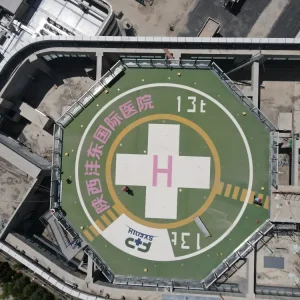
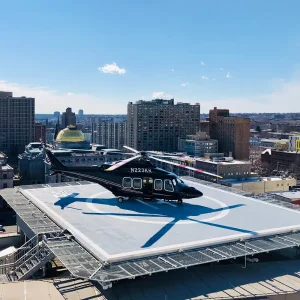
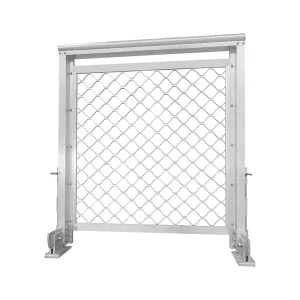
In modular metal frameworks, the integrity of a structure relies almost entirely on the connection nodes. A custom aluminum profile corner bracket serves as the critical mechanical anchor that redistributes bending moments and shear stresses. When assembling complex aluminum frame arrays—ranging from lightweight automated machinery enclosures to heavy-duty structural helipads—choosing the correct bracket specification directly influences the lifecycle safety of the assembly.
Industrial designers must balance torsional stiffness, tensile yield strength, and galvanic corrosion risks. Standard off-the-shelf brackets often fall short in high-vibration applications or environments subjected to dynamic forces. This is where customized, precision-milled or heavy-extrusion corner brackets become necessary, providing targeted reinforcement where stress concentrations are maximized.
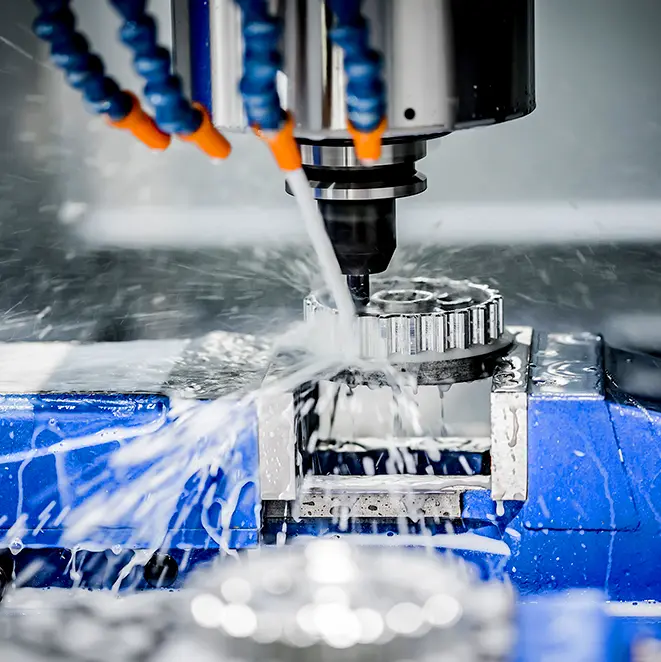
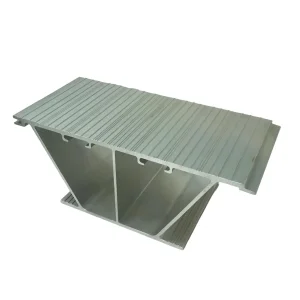
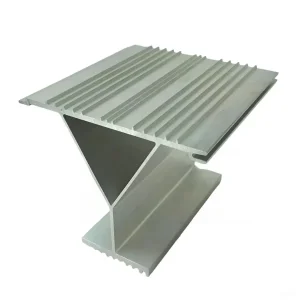
By utilizing custom extrusion cross-sections and CNC-machined anchoring points, developers can ensure structural configurations remain stable under loads exceeding several metric tons, without adding unnecessary dead weight to the overall assembly.
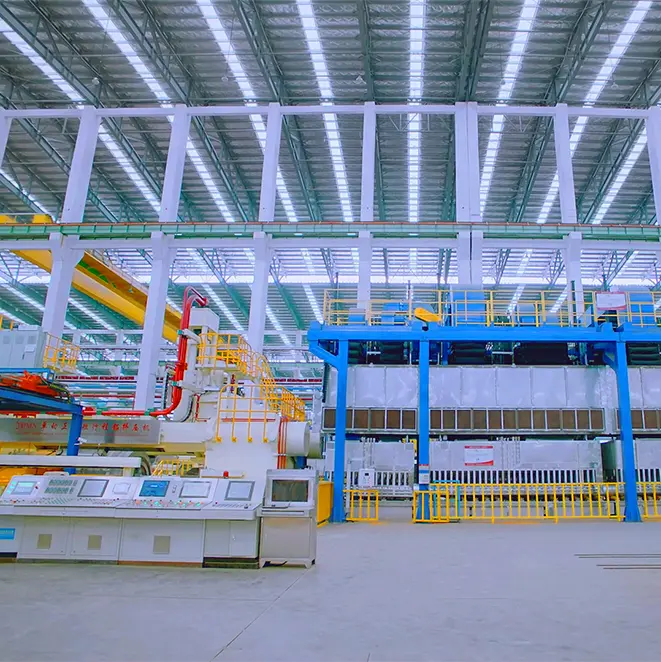
Established in 2015 and located in Foshan City, Guangdong, LvXing Intelligent Equipment Co., Ltd. boasts a skilled R&D team with extensive experience. We leverage exceptional technical expertise to effectively transform customers' ideas into reality, consistently meeting their precise requirements.
We utilize premium Fenglu aluminum, offering a diverse range of profiles for flexible applications. Our extrusion lines, ranging from 800T to 20,000T, accommodate alloys in the 1xxx, 2xxx, 3xxx, 5xxx, 6xxx, and 7xxx series, allowing us to produce shaped products with section dimensions up to 1.2 meters in width and 28 meters in length. These products are recognized for their precision and meticulous processing, finding broad application in aerospace, military, medical, and industrial sectors.
How we combine advanced materials, heavy industrial machinery, and deep engineering design expertise to deliver high-performance connections.
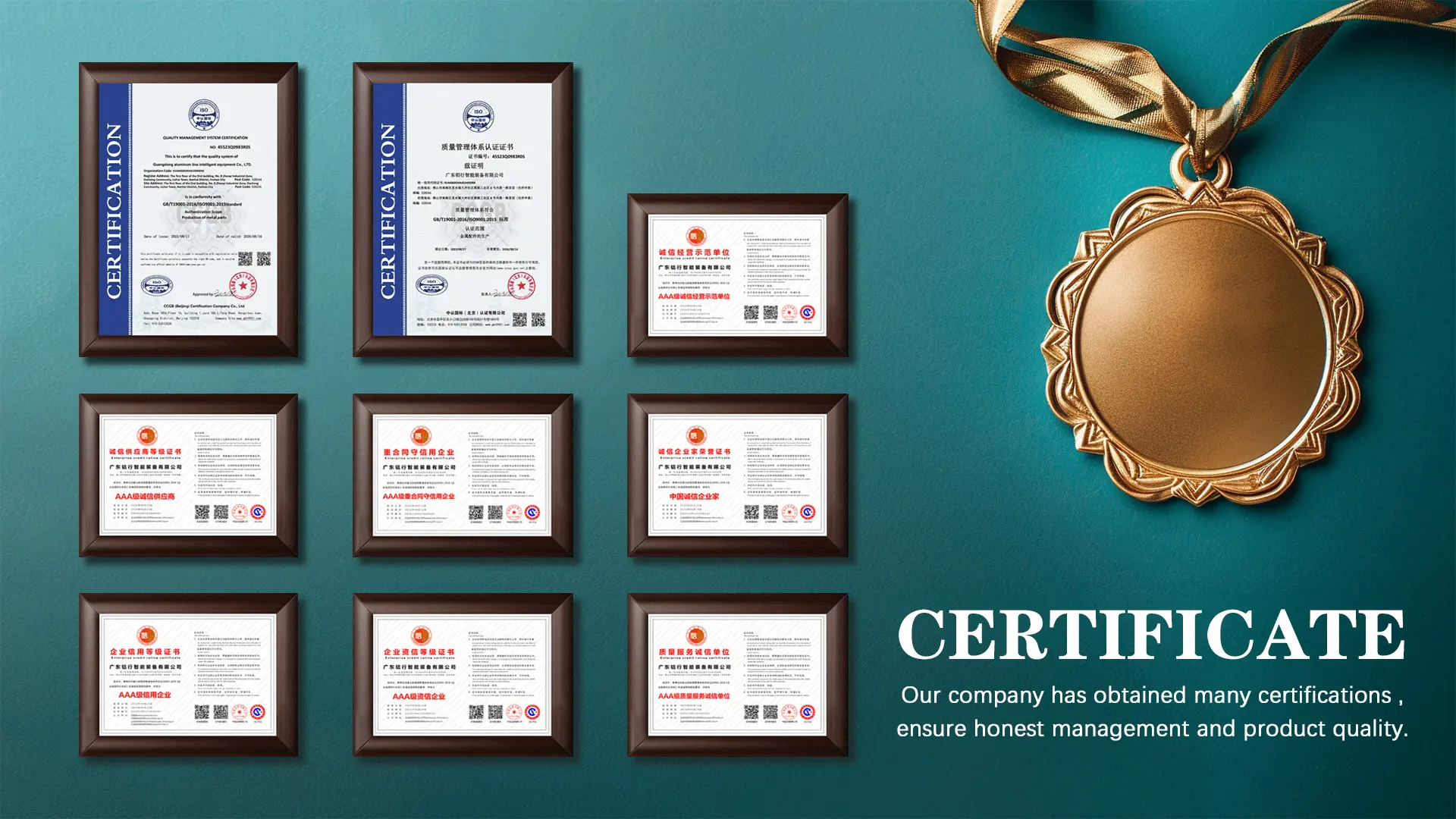
We have obtained the “Special Aluminium Materials for Aerospace” Certificate. This validation ensures that our raw material refinement, crystalline structure control, and mechanical tensile strengths comply with rigorous aerospace standards.
We provide and utilize high-quality Fenglu aluminum profiles. With extrusion lines ranging from 800T to 20,000T, we can produce alloys in 1xxx, 2xxx, 3xxx, 5xxx, 6xxx, and 7xxx series. We can manufacture fully shaped products with section dimensions up to 1.2 meters in width or 28 meters in length.
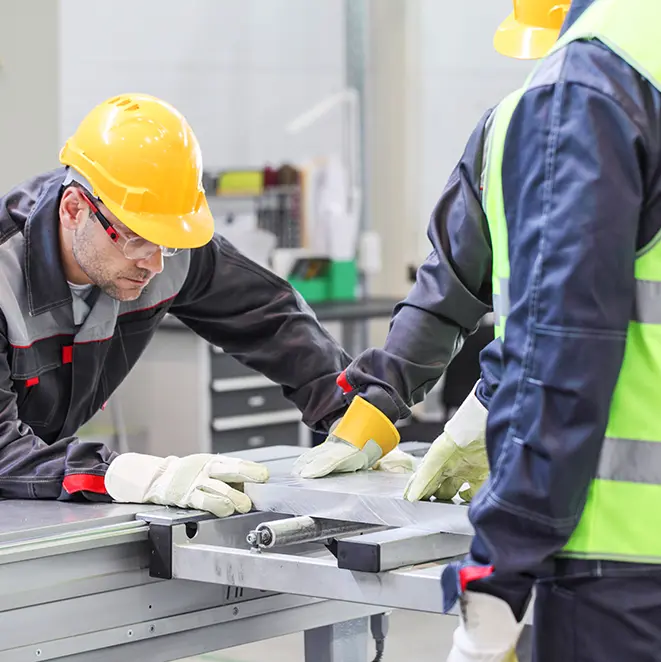
Our team of technicians has 15 years of experience. Our deep understanding of customer requirements allows us to identify potential structural issues and offer practical design insights, turning concepts into reliable products.
To choose the right aluminum corner bracket, you must understand the mechanical properties of different alloys. The table below outlines the core differences among the alloys we extrude using our 800T to 20,000T press systems.
| Alloy Series | Common Designation | Tensile Strength (MPa) | Yield Strength (MPa) | Corrosion Resistance | Primary Industrial Applications |
|---|---|---|---|---|---|
| 6xxx Series | 6063-T5 / T6 | 186 - 240 | 145 - 214 | Excellent | Standard modular frame channels, architectural window systems, trim profiles. |
| 6xxx Series | 6061-T6 | 290 - 310 | 240 - 276 | Very High | Heavy-duty structural joints, marine helidecks, train chassis frames. |
| 5xxx Series | 5052-H32 / 5083 | 230 - 340 | 190 - 280 | Outstanding (Marine) | Marine vessels, offshore helipad support frameworks, chemical tanks. |
| 7xxx Series | 7075-T6 | 510 - 570 | 430 - 500 | Moderate | Aerospace structural brackets, defense military frames, high-stress joints. |
| 2xxx Series | 2024-T3 | 400 - 470 | 280 - 325 | Low (Requires Anodizing) | Aircraft structural components, tension tension members, high-fatigue components. |
We manufacture three primary design styles of corner brackets to meet different spatial and structural requirements:
Since corner brackets are often exposed to harsh elements (such as marine air on ship decks or industrial exhaust in factories), we offer several finishing treatments to extend their service life:
Our custom aluminum profiles and brackets support key structural applications worldwide, ensuring strength and alignment in demanding environments.
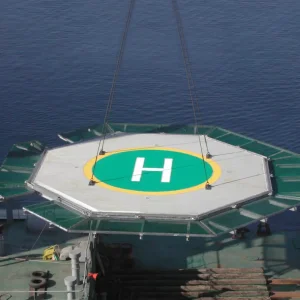
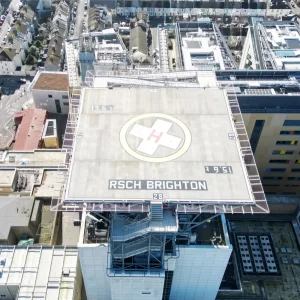
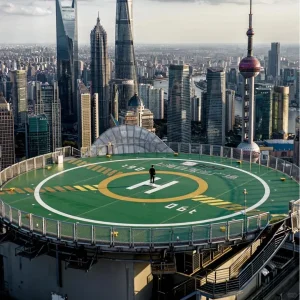
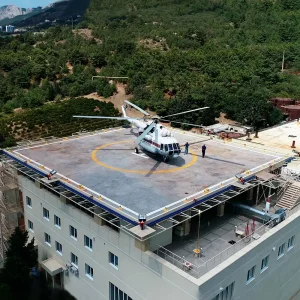
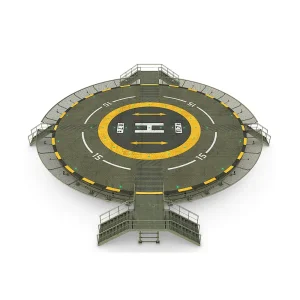
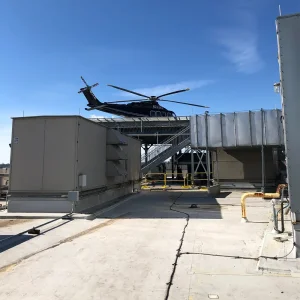
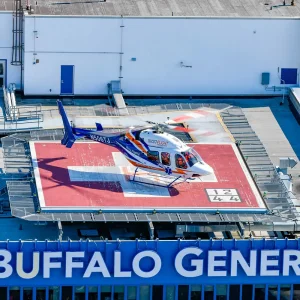
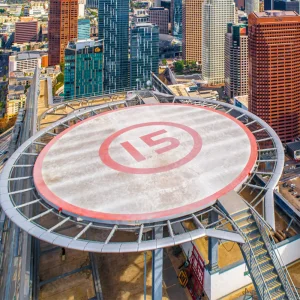
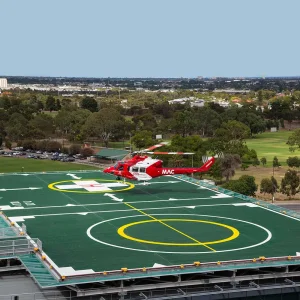
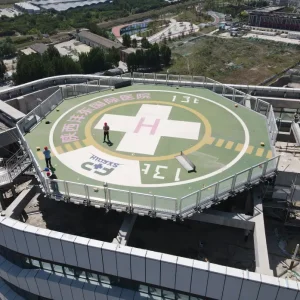
Helipads on hospitals and ship decks experience significant dynamic impacts and wind shear. Our 6061-T6 and 5083 alloy profiles are joined with heavy-duty gusseted brackets, creating structural networks that distribute point impact loads safely across the supporting structure.
Modern manufacturing plants use modular aluminum framing for conveyor lines and robotic work cells. Custom 6063-T5 corner brackets make assembly fast, allow for easy adjustments, and withstand the constant vibrations of high-speed automation machinery.
Using 2xxx and 7xxx aerospace-grade alloys, we manufacture high-strength structural joinery for ground support equipment, aircraft assembly tooling, and transportation fixtures. These components combine high structural strength with a lightweight design.
The cost of custom corner brackets varies based on material weight, design complexity, surface finish, and order volume. The table below provides a pricing reference to help you plan your project budget.
| Profile Series / Size (mm) | Bracket Class | Material / Temper | Estimated Price (USD/pc) | Tooling / Setup Cost | Minimum Order (MOQ) | |
|---|---|---|---|---|---|---|
| 20x20 Series | Standard Flat L-Plate | 6063-T5 Anodized | $0.45 – $1.20 | Free (Standard Die) | 1,000 pcs | Standard modular frame channels, architectural window systems, trim profiles. |
| 40x40 / 45x45 Series | Gusseted Cast Corner | 6061-T6 Powder Coated | $1.50 – $3.80 | Free (Standard Die) | 500 pcs | Heavy-duty structural joints, marine helidecks, train chassis frames. |
| 80x80 / 90x90 Series | Heavy Duty Structural Joint | 6061-T6 Hard Anodized | $5.50 – $12.00 | $450 (If custom layout) | 200 pcs | Marine vessels, offshore helipad support frameworks, chemical tanks. |
| Custom Structural Nodes | CNC Milled Corner Block | 7075-T6 Aerospace Grade | $22.00 – $65.00 | Dependent on CNC files | 50 pcs | Aerospace structural brackets, defense military frames, high-stress joints. |
When requesting a quote, keep these three factors in mind to balance performance and cost:

To ensure reliability in critical applications, every production run at our Foshan facility goes through a rigorous quality assurance process. We test raw materials for chemical purity and check finished components to ensure they meet precise dimensional tolerances.
Our testing protocols include:
These practices ensure all shipments align with GB/T19001-2016 / ISO9001:2015 standards, providing dependable structural components for your project.
Proper installation is essential to maximize the load capacity of your structural frames. Follow these steps to ensure secure, long-lasting joints.
Ensure the cut ends of the aluminum profiles are square (90°), clean, and free of burrs. Any alignment errors at this stage can cause stress concentration points once the brackets are tightened.
Match T-nuts and hex bolts to your profile slot size. For structural projects, use high-tensile steel fasteners with a zinc plate or nickel coat to prevent galvanic corrosion with the aluminum.
Tighten fasteners using a torque wrench. Under-tightening can lead to joints loosening under vibration, while over-tightening can strip the aluminum threads or deform the profile slot walls.
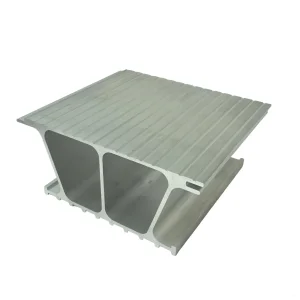
Explore our range of heavy-duty profile extrusions, safety nets, and hospital rescue deck systems designed for challenging environments.
As industries look to reduce weight, lower carbon footprints, and simplify assembly, the technology behind structural connections continues to evolve. Our R&D team is focused on three main areas to meet these shifting demands:
Using finite element analysis (FEA), we design brackets that put material only where stress is highest. This topology optimization reduces bracket weight by up to 30% while maintaining the necessary load-bearing capacity.
We are increasing our use of recycled aluminum and low-carbon primary smelting processes. These practices reduce the carbon footprint of our profiles and brackets without compromising their structural integrity.
For critical installations like offshore helipads or high-vibration equipment, we are developing smart brackets with integrated strain sensors. These allow real-world structural loads to be monitored in real time.
Common technical and logistics questions answered by our engineering and production teams.
 LvXing