Direct-from-factory aluminum profiles engineered to meet strict CE certifications and global structural safety parameters.
Evaluating alloy properties, cross-sectional thresholds, and mechanical precision for enterprise structural engineering applications.
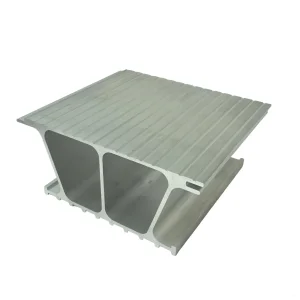
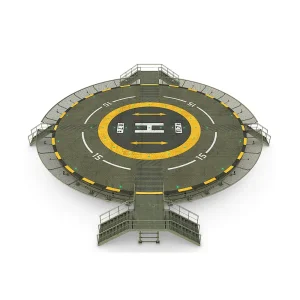
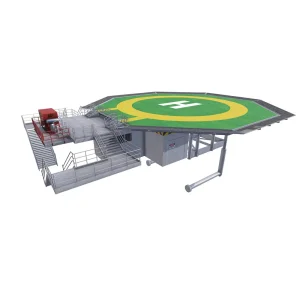
The physical capability of a custom extrusion profile is determined at the alloy formulation phase. While 6000 series alloys (specifically 6061-T6 and 6082-T6) offer excellent weldability and structural integrity for structural applications such as helideck platforms, high-stress maritime or aerospace operations demand the integration of specialized alloys such as the 5xxx series (5083, 5086) for extreme corrosion resistance, or 7xxx series (7075) where maximum yield strength is the primary operational metric.
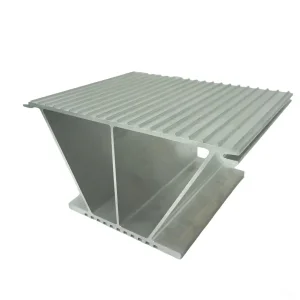
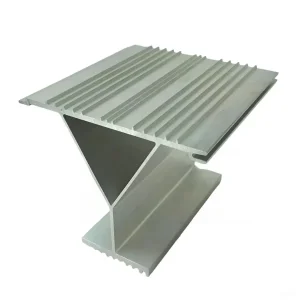
Extrusion force dictate the geometry threshold. Standard industrial mills operate under 4,000T limit press loads, restricting max width. Utilizing heavy-duty tonnage systems spanning up to 20,000T enables the design of complex profiles up to 1.2 meters wide in single-extrusion forms. Large structural spans eliminate secondary longitudinal welding, minimizing joint fatigue zones and improving mechanical durability under cyclic loads.
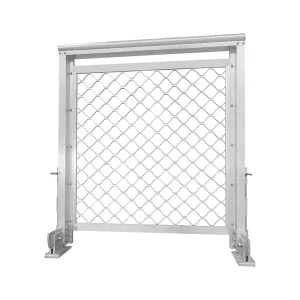
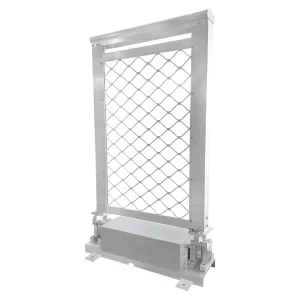
Converting extruded shapes into ready-to-assemble components requires high-precision post-processing. Multi-axis CNC milling centers enable precise control of mechanical parameters (straightness, twist, flatness) exceeding standard EN 755-9 benchmarks. This precise control is critical for safety netting and safety-lock mechanisms in helicopter landing systems, where structural failure is not an option.
Established in 2015 and located in Foshan City, Guangdong, LvXing Intelligent Equipment Co., Ltd. boasts a skilled R&D team with extensive experience. We leverage exceptional technical expertise to effectively transform customers' ideas into reality, consistently meeting their precise requirements.
We utilize premium Fenglu aluminum, offering a diverse range of profiles for flexible applications. Our extrusion lines, ranging from 800T to 20,000T, accommodate alloys 1xxx, 2xxx, 3xxx, 5xxx, 6xxx, and 7xxx, allowing us to produce shaped products with section dimensions up to 1.2 meters in width and 28 meters in length. These products are recognized for their precision and meticulous processing, finding broad application in aerospace, military, medical, and industrial sectors.
Our commitment to excellence is evident throughout the manufacturing process, rigorous quality control, thorough packaging, and efficient shipping procedures. This dedication has earned us recognition as a national excellent and honest enterprise, along with quality system certification in accordance with GB/T19001-2016/ISO9001:2015 standards.
We aspire to be your trusted business partner and warmly invite you to visit our factory.
Why international enterprise buyers choose China-based precision manufacturing hubs for strategic OEM/ODM scale.
Located in Foshan City, Guangdong, our factory operates within the world's most concentrated aluminum smelting and extrusion cluster. Utilizing primary high-purity ingots from Fenglu ensures consistent microstructural composition. This reduces mechanical property variances in structural components compared to recycled scrap, which often contains high iron contaminants.
The proximity to advanced tooling centers reduces engineering turnaround times. Custom extrusion dies that typically require 4–6 weeks for fabrication elsewhere are regularly designed, simulated via flow-stress software, machined on CNC wire cut machines, and tested in our facility within 10–14 days. This shortens the prototype-to-production timeline for complex profiles.
High-volume production lines are integrated with automated anodizing, powder coating, and PVDF paint shops. This vertical integration allows us to supply complete assemblies without the risk of handling-induced surface damage, while also ensuring consistent salt-spray resistance performance across marine-grade helideck structures.
Discover how our specialized credentials and advanced manufacturing capabilities drive industrial reliability.
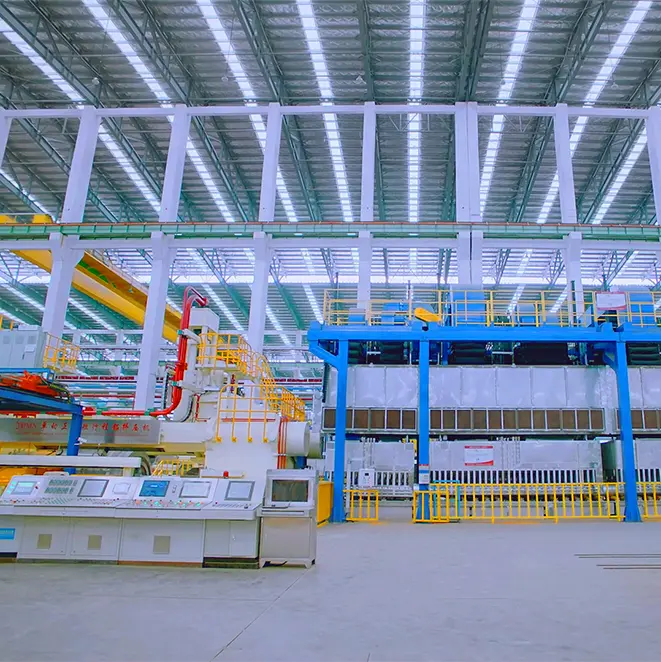

We have obtained the “Special Aluminium Materials for Aerospace” Certificate.
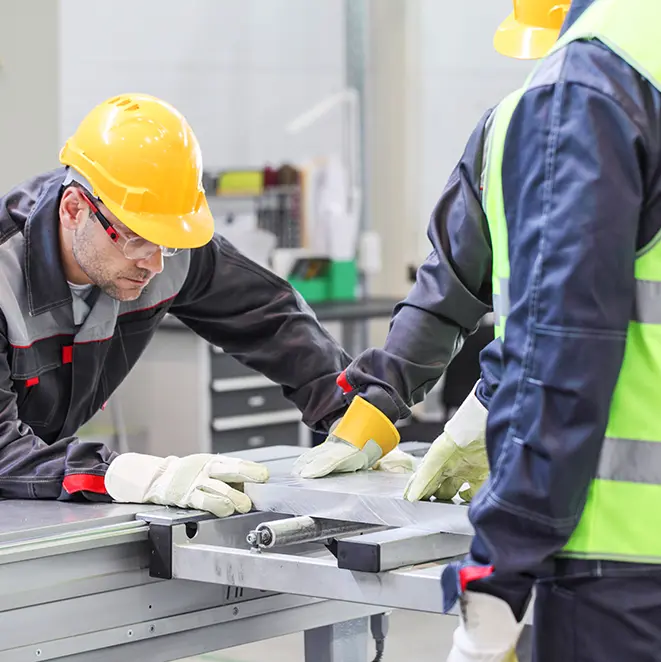

We provide and utilize high-quality Fenglu aluminum profiles. With extrusion lines ranging from 800T to 20,000T, we can produce alloys 1xxx, 2xxx, 3xxx, 5xxx, 6xxx, and 7xxx. We can manufacture fully shaped products with section dimensions up to 1.2 meters in width or 28 meters in length.
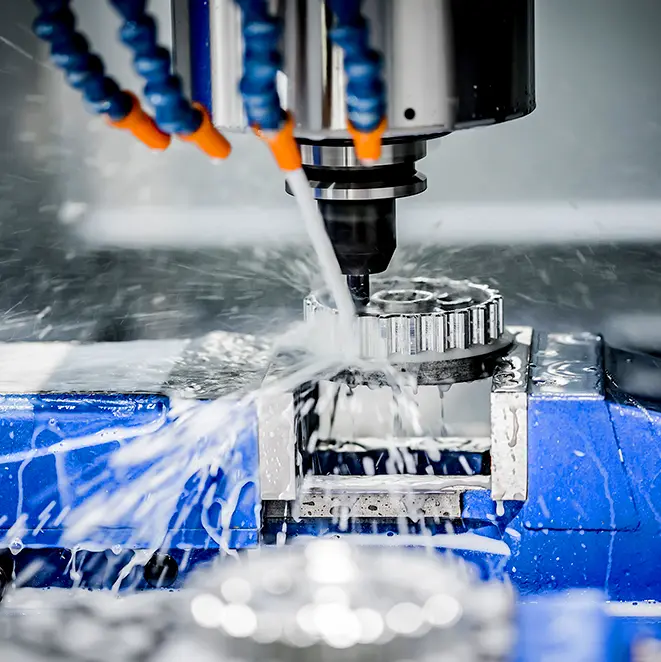

We have a team of technicians with 15 years of invaluable experience. Our deep understanding of customer requirements allows us to identify potential issues and offer practical insights, turning customer ideas into tangible products that meet specific needs.
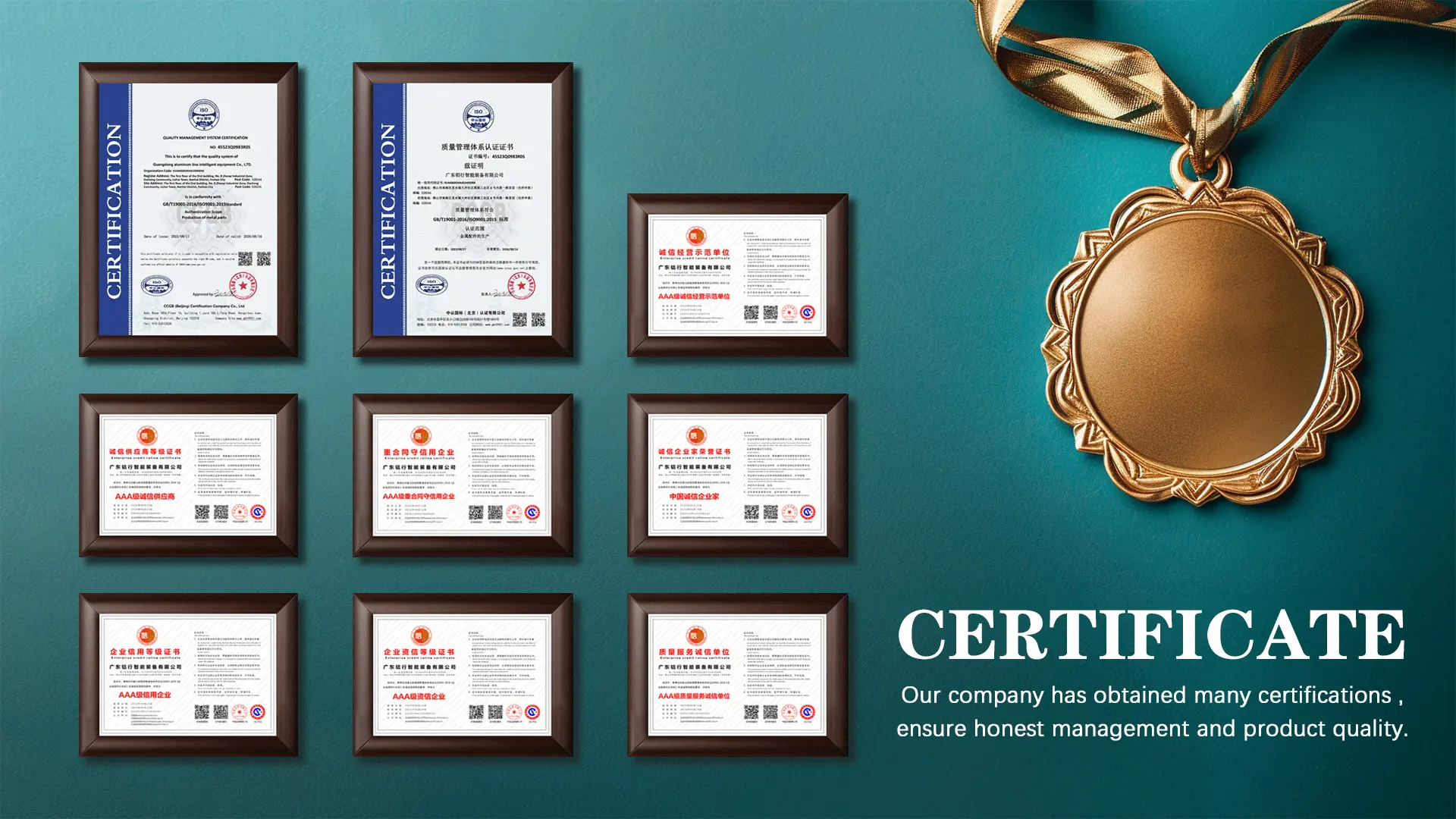
Meeting international building, marine, and aviation codes for high-risk applications.
Helipads must comply with international aviation codes, including ICAO Annex 14 and UK CAA CAP 437 standards. Our custom landing system profiles carry CE certifications, ensuring compliance with structural, aerodynamic, and surface friction requirements for helicopter landing decks.
For ship deck and offshore installations, profiles must withstand severe coastal corrosion. We manufacture profiles according to class rules (DNV-GL, ABS, Lloyd’s Register), utilizing 6082-T6 or 5083 alloys to prevent stress corrosion cracking (SCC) under continuous marine exposure.
Every shipment of structural material is fully traceable. Mill test reports (MTR) are provided in accordance with EN 10204 3.1, detailing mechanical properties (tensile strength, yield strength, elongation) and chemical compositions to meet local European and North American building codes.
How weight optimization and material science innovations are shaping the next generation of industrial extrusions.
As global markets transition to net-zero frameworks, structural projects are increasingly specifying low-carbon primary aluminum. Incorporating hydropower-smelted raw material allows projects to achieve LEED certifications and comply with EU Carbon Border Adjustment Mechanism (CBAM) requirements.
Advanced formulations incorporating scandium and zirconium refine grain structures, improving joint strength at weld seams. This allows designers to use thinner profiles without compromising safety parameters in aviation structures.
Modern structural elements are increasingly engineered to include internal channels for fiber-optic sensors. This allows operators of offshore helipads and large industrial spans to monitor structural health, stress levels, and temperature variations in real time.
Designed to handle severe environmental conditions across aviation, maritime, and urban rooftop structures.
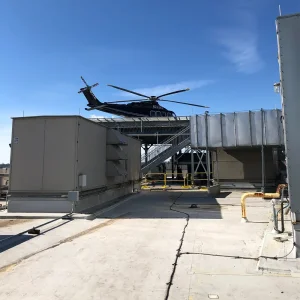
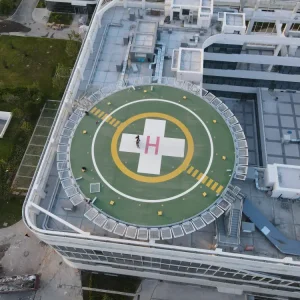
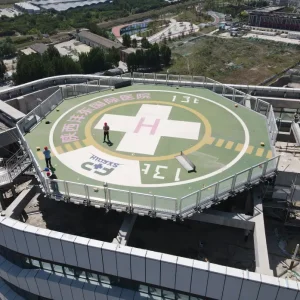
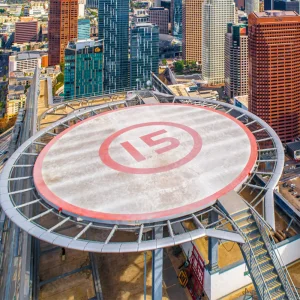
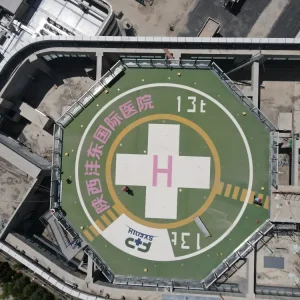
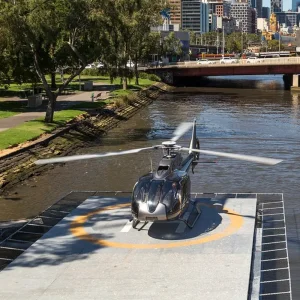
Rooftop installations on medical facilities demand lightweight structures to minimize structural loads on the building. Customized modular aluminum profiles allow for rapid installation with minimal mechanical load-bearing footprint, while providing fire-suppression drainage paths.
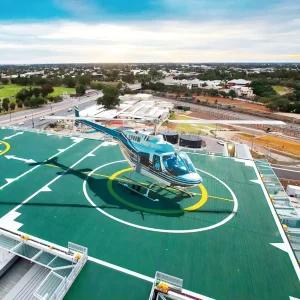
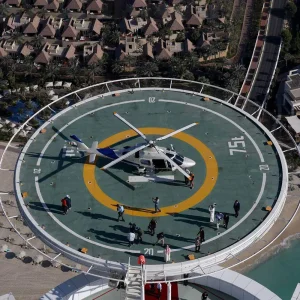
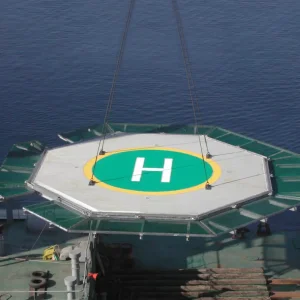
Offshore drilling locations require materials that resist saltwater spray and wind-induced shear. Marine-grade 6082-T6 extruded decks provide excellent corrosion resistance and structural integrity for helicopter operations in harsh environments.
Marine vessels require materials that balance lightweight design with structural strength. Integrating high-performance aluminum helideck profiles helps lower the vessel's center of gravity, improving stability while meeting safety and landing requirements.
Get answers to critical technical questions regarding extrusion design, material verification, and order processing.
High-quality profiles and safety systems for marine, hospital, commercial, and military infrastructure.
 LvXing