Explore our foundational structural assemblies and custom extrusion solutions designed for extreme load-bearing and architectural configurations.
Established in 2015 and located in Foshan City, Guangdong, LvXing Intelligent Equipment Co., Ltd. boasts a skilled R&D team with extensive experience. We leverage exceptional technical expertise to effectively transform customers' ideas into reality, consistently meeting their precise structural requirements.
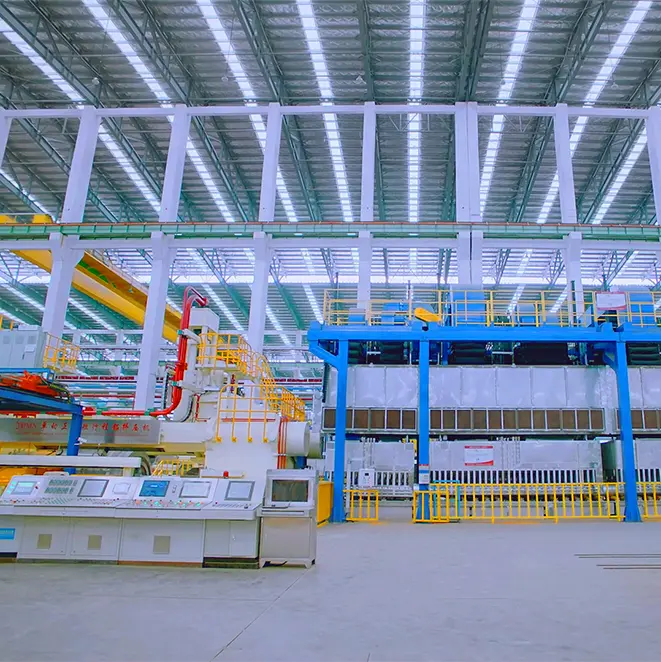
We utilize premium Fenglu aluminum, offering a diverse range of profiles for flexible applications. Our extrusion lines, ranging from 800T to 20,000T, accommodate alloys 1xxx, 2xxx, 3xxx, 5xxx, 6xxx, and 7xxx, allowing us to produce shaped products with section dimensions up to 1.2 meters in width and 28 meters in length. These products are recognized for their precision and meticulous processing, finding broad application in aerospace, military, medical, marine, and industrial sectors.
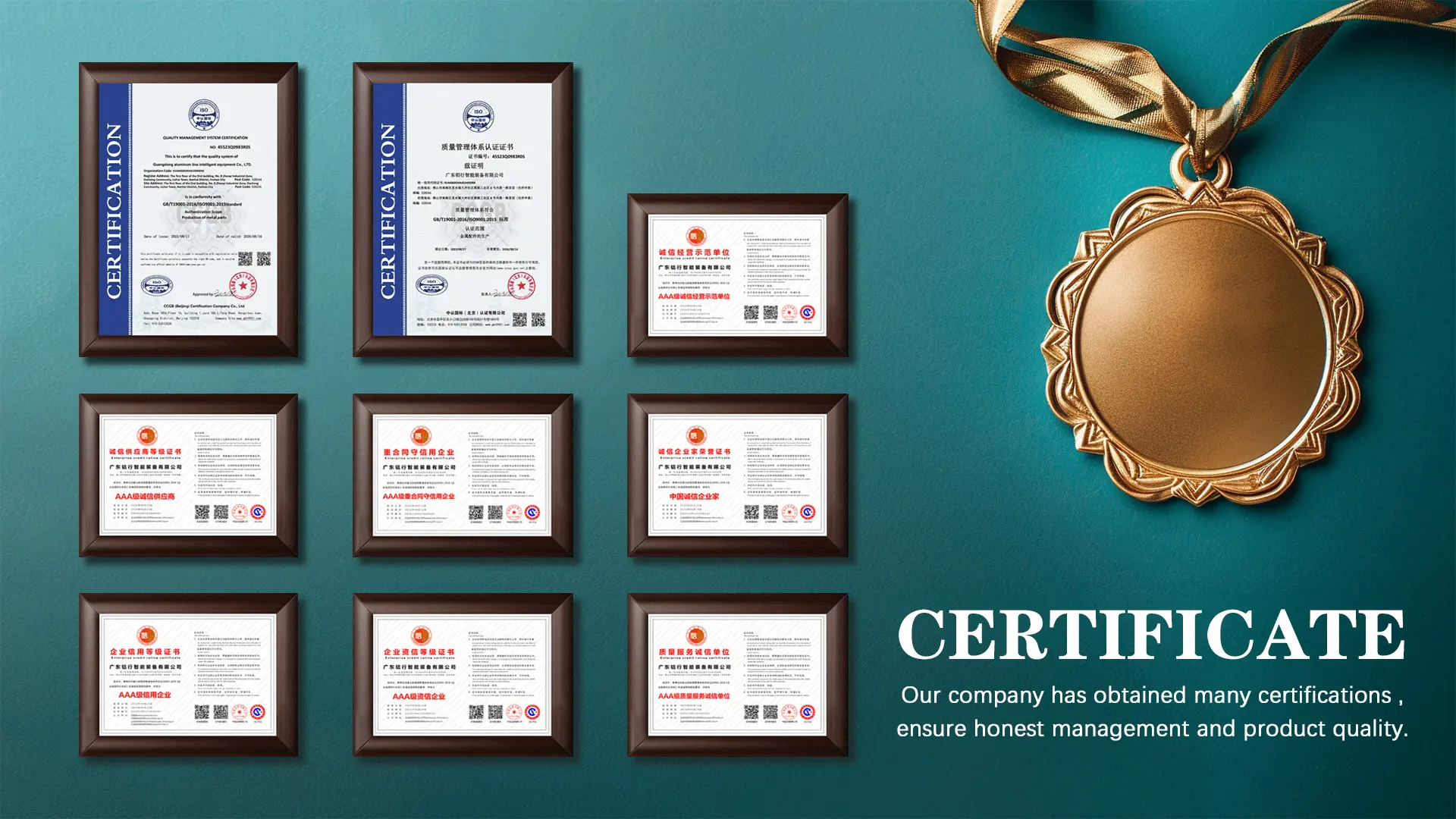
Our commitment to excellence is evident throughout the manufacturing process, rigorous quality control, thorough packaging, and efficient shipping procedures. This dedication has earned us recognition as a national excellent and honest enterprise, along with quality system certification in accordance with GB/T19001-2016/ISO9001:2015 standards. We aspire to be your trusted business partner and warmly invite you to visit our factory.
Extrusion presses up to 20,000T capable of ultra-wide 1.2m and ultra-long 28m single profiles.
Certified under GB/T19001-2016 and ISO9001:2015 with specialized aerospace manufacturing credentials.
A comprehensive analysis of metallurgical chemistry, structural load distribution, and architectural trends.
Deployment of Grade 6063-T5, 6063-T6, and 6061-T6 aluminum alloys for optimum structural yield strength and weatherability.
Deflection resistance engineering engineered to survive extreme wind-loads, high-rise shear dynamics, and seismic displacements.
Multi-cavity thermal break designs using PA66 GF25 (polyamide reinforced with glass fiber) to minimize thermal transmittance.
The global demand for custom aluminum profiles for sliding windows is experiencing a profound technological shift. No longer viewed as basic containment frames, modern sliding window systems serve as crucial barriers in high-performance building envelopes. The rapid growth of sustainable construction practices, combined with strict energy codes such as the EU's Energy Performance of Buildings Directive (EPBD) and ASHRAE 90.1 in North America, has changed window design criteria. Manufacturers must now balance large glass areas for natural light with low U-factors (thermal transmittance) and excellent acoustic isolation.
Currently, urbanization in regions subject to severe weather—such as monsoon zones in Southeast Asia and hurricane alleys along the Americas—requires structural designs that can withstand extreme wind loads and wind-driven rain. Consequently, modern extrusion factories are shifting away from standard commodity profiles. Instead, they are moving toward customized, thick-walled profiles made from 6000-series alloys, which are designed to support heavy triple-glazed insulating glass units (IGUs) without bowing or structurally failing under load.
High-quality sliding window profiles rely on precise alloy selection and thermal treatment. At Lvxing, utilizing premium Fenglu aluminum billets ensures that the chemical composition is kept within strict tolerances. The primary alloy used is 6063, known for its excellent surface finish, corrosion resistance, and extrudability. For larger structural profiles or high-rise sliding doors where wind resistance is critical, we utilize 6061 or 6082 alloys, heat-treated to a T6 temper to maximize yield strength.
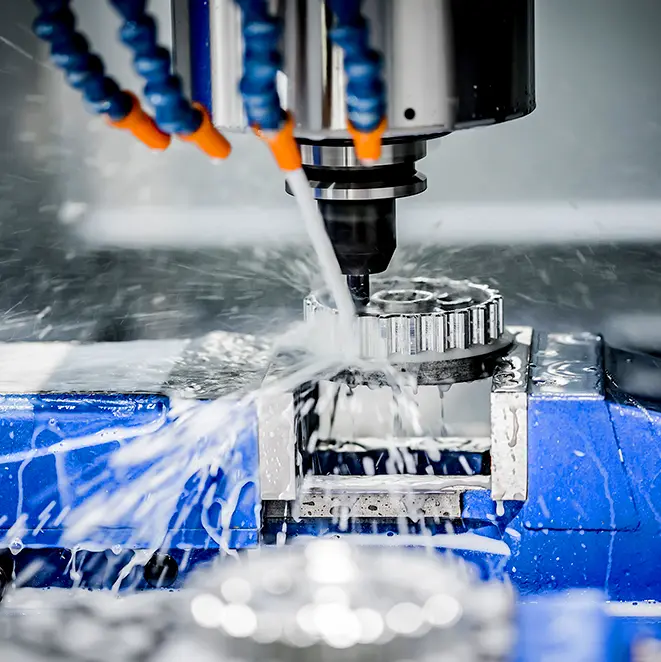
The extrusion process, supported by our versatile press lines ranging from 800T to 20,000T, allows us to control grain structure, minimize internal stress, and maintain tight dimensional tolerances. Whether manufacturing intricate, multi-cavity thermal break window frames or massive structural framing for commercial storefront systems, our capability to extrude widths up to 1.2 meters ensures seamless assembly and superior load-bearing capacity.
Environmental conditions vary significantly by region, requiring specialized designs for sliding window systems:
Looking ahead, window systems will become key components of smart buildings. The technical roadmap for next-generation aluminum profiles includes:
Integration of Micro-Sensor Technology: Profiles designed with internal channels to house smart sensors, enabling automated sliding systems, security monitoring, and integration with Building Management Systems (BMS).
Slim-Line High-Strength Profiles: A growing architectural trend is the "invisible frame," which maximizes the viewing area. Achieving this requires developing stronger aluminum-silicon-magnesium alloys that maintain structural integrity even with very narrow visible profile widths.
Circular Economy & Low-Carbon Aluminum: Utilizing post-consumer recycled aluminum. This process requires only 5% of the energy needed for primary aluminum production, helping projects earn LEED and BREEAM certifications.
Combining heavy aerospace-grade engineering with architectural refinement to deliver class-leading aluminum profile solutions.

We have obtained the prestigious "Special Aluminium Materials for Aerospace" Certificate. This qualification proves our metallurgical accuracy and quality control standards meet the strict demands of aerospace engineering.

We utilize high-quality Fenglu aluminum profiles. With extrusion lines ranging from 800T to 20,000T, we process alloys in the 1xxx, 2xxx, 3xxx, 5xxx, 6xxx, and 7xxx series. We manufacture fully shaped products up to 1.2m in width or 28m in length.

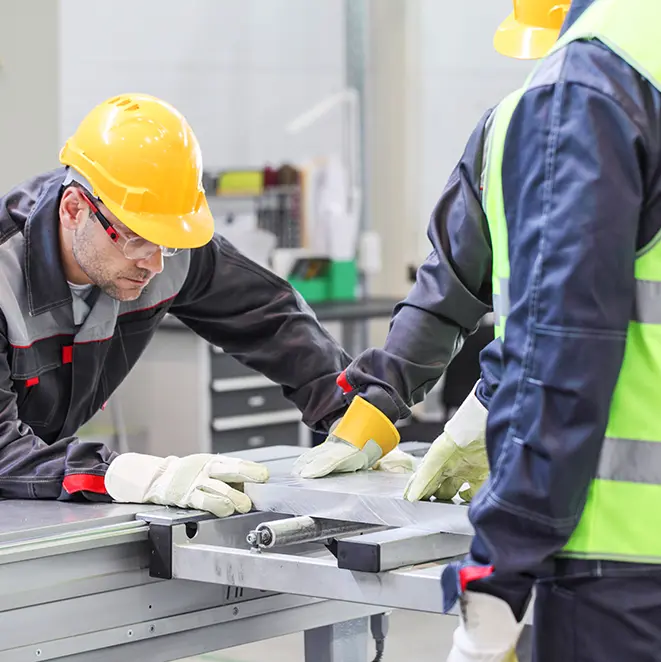
Our team of technicians brings 15 years of invaluable experience. This deep understanding of customer requirements allows us to identify potential issues early and offer practical design insights, turning ideas into durable products.
Technical guidance regarding alloy selection, thermal performance, and global compliance standards.
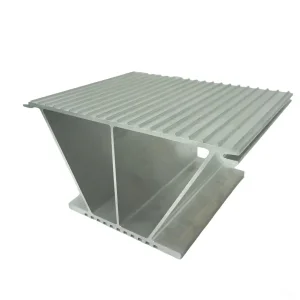
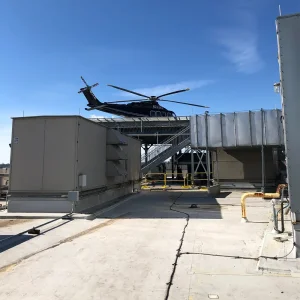
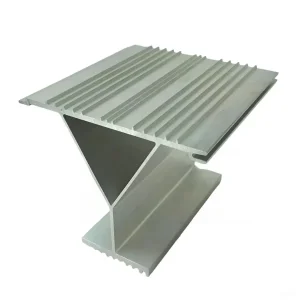
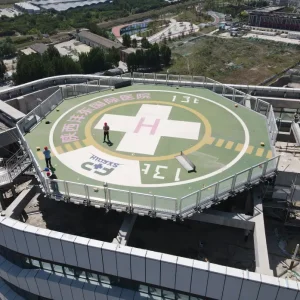
View our specialized structural components and heavy-duty profiles designed for extreme load environments.
 LvXing