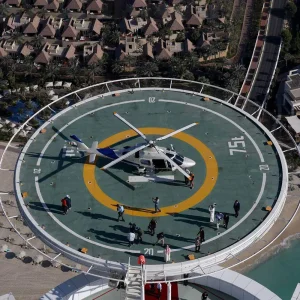
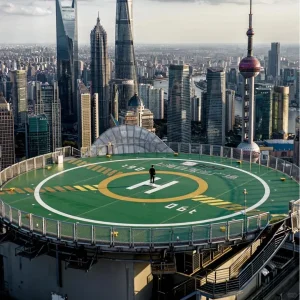
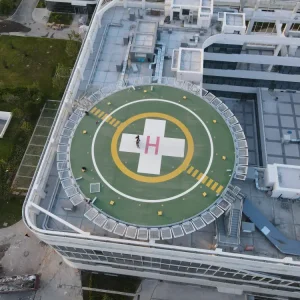
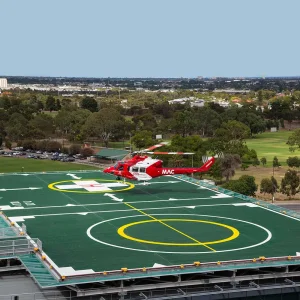
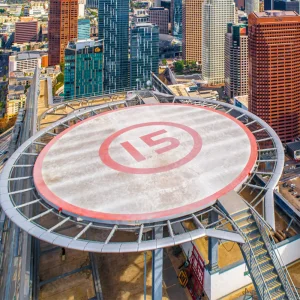
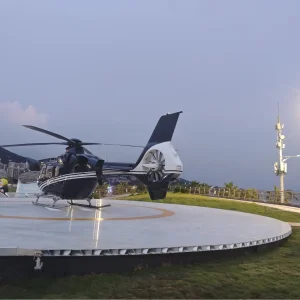
Our top structural configurations deployed across international transport terminals, military installations, and maritime logistics points.
Established in 2015 and located in Foshan City, Guangdong—the absolute hub of advanced material processing—LvXing Intelligent Equipment Co., Ltd. has grown to represent structural reliability in the industrial aviation sector. We specialize in safety solutions for marine decks, petrochemical units, healthcare hubs, and high-altitude rooftop systems.
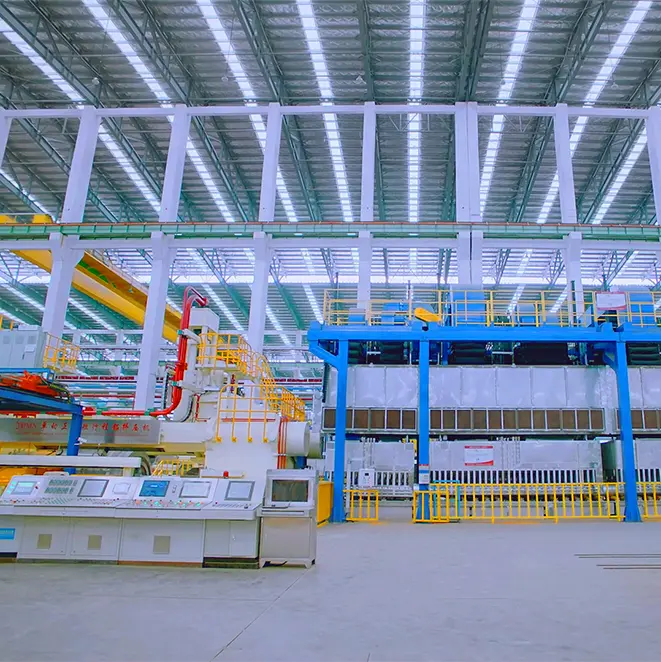
We build our operations upon premium Fenglu Aluminum material profiles. Supported by state-of-the-art extrusion lines with capacities scaling from 800T to 20,000T, we shape structural components using alloys from the 1xxx, 2xxx, 3xxx, 5xxx, 6xxx, and 7xxx families. Whether you require custom widths up to 1.2 meters or continuous lengths extending to 28 meters, our machinery guarantees absolute compliance with international aviation regulations.
Every piece we ship conforms strictly to GB/T19001-2016/ISO9001:2015 quality standards. With specialized aerospace material validation, we supply major infrastructure developers with components capable of resisting high mechanical stresses and saline offshore corrosion.
Modern architectural structures and offshore energy platforms require highly specialized aviation safety solutions that balance structure, aerodynamics, and long-term durability.
High-density urban cores, trauma hospitals, and skyscrapers require lightweight helipads that minimize rooftop load while meeting localized wind and safety regulations. These installations rely on modular aluminum structures that disperse kinetic loads effectively.
Operating in environments categorized by High Corrosion (C5-M Classification) demands safety systems made from marine-grade 316 stainless steel mesh or structural anodized aluminum alloys. These components must withstand continuous salt spray, high wind shear, and extreme temperature shifts.
International authorities (ICAO Annex 14, CAP 437, and FAA) mandate that perimeter safety nets show zero degradation under dynamic test drops. Meeting these standards requires precise engineering, material traceability, and certified production methods.
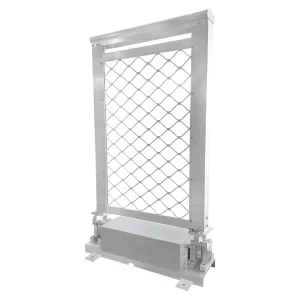
Our elevated helipad perimeter safety systems use high-grade structural alloys, precision mechanical designs, and durable safety mesh. This combination delivers reliable safety performance in demanding marine and urban environments.
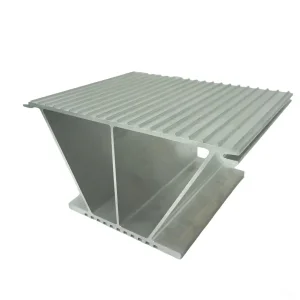
Unlike standard manufacturers, LvXing uses structural profiles extruded from 6005A-T6 or 6082-T6 alloys. These materials provide high tensile strength and excellent weldability. This gives our profiles superior yield strength to resist mechanical impacts and structural fatigue under high wind loads.
Our helideck safety nets feature either premium 316 stainless steel wire mesh or durable UV-stabilized composite webbing. The mesh is pre-tensioned within specialized perimeter frames. This design ensures that if a fall occurs, the system absorbs energy through elastic deformation without plastic failure or tearing.
Our safety nets are engineered to pass the standard 2.3 kJ dynamic drop test. This test simulates a 100 kg mass falling from a height of 2.4 meters. Under these forces, our frames deflect elastic energy without permanent deformation, ensuring personnel safety and deck integrity.
We design our helipad solutions using premium materials, backed by specialized aerospace certification and advanced extrusion capabilities.
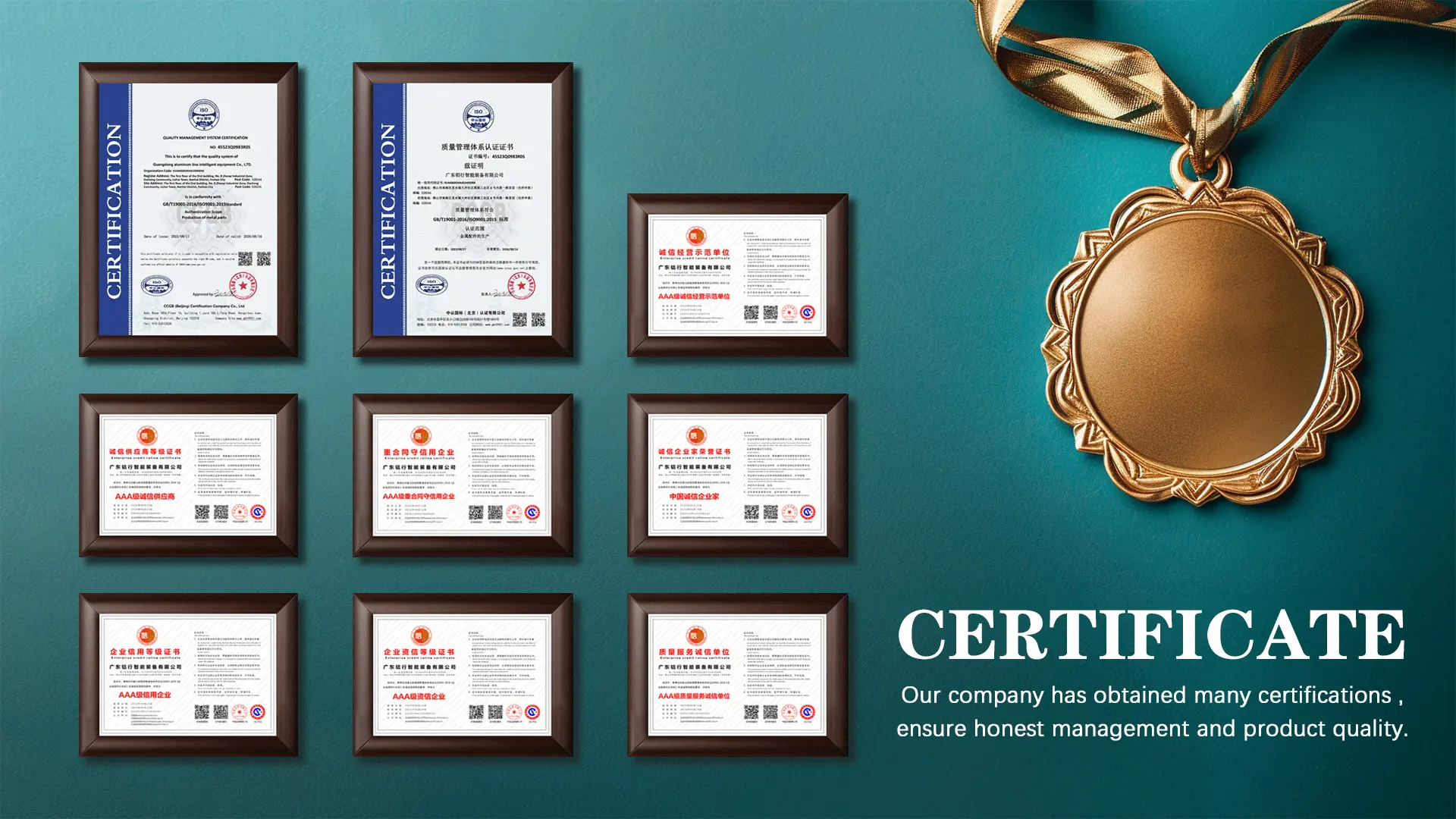
We hold the formal “Special Aluminium Materials for Aerospace” Certificate. This validates that our material processing meets the strict quality controls required for flight deck and heliport installations.
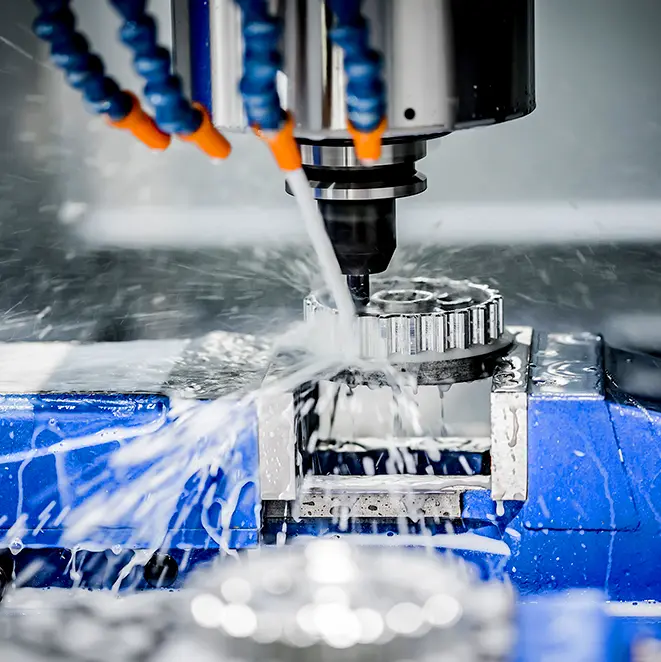
Using extrusion lines from 800T up to 20,000T, we process specialized aerospace and marine-grade alloys. We can manufacture fully shaped products with cross-sections up to 1.2 meters wide or lengths up to 28 meters.

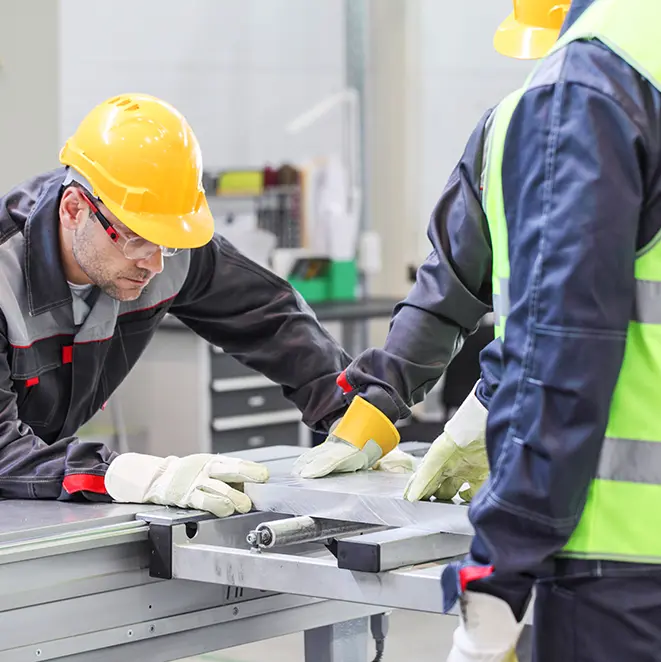
Our technical team brings 15 years of industry experience. This depth of expertise allows us to anticipate structural challenges, optimize custom designs, and deliver practical, reliable solutions that fit your site requirements.
Helipad safety net systems must meet strict regional standards to receive operational sign-off from civil aviation boards and offshore safety inspectors.
This standard requires that helideck perimeter safety nets slope upward and outward at an angle of 10° or 15°. They must project at least 1.5 meters from the deck edge. The mesh must also be flame-retardant and highly resistant to salt-water corrosion.
The Federal Aviation Administration mandates lateral fall protection on all elevated rooftop and structural landing pads. Our perimeter nets and supporting aluminum profiles are engineered to meet these load distribution requirements.
European Union specifications focus on structural redundancy, material tracing, and regular inspection protocols. We support these compliance needs by providing comprehensive inspection logs and certified material documentation.
Aviation safety technology is evolving. We are actively designing new solutions to meet the demands of tomorrow's urban air mobility and autonomous flight decks.
Deploying motorized safety nets that retract during helicopter approach and extend immediately after landing. This minimizes wind turbulences during flight operations.
Integrating micro-sensors directly into the aluminum support structures. These sensors measure structural stress and impact tension, sending warning data before a mechanical failure can occur.
Developing safety net systems with built-in, low-power green/amber LEDs. This helps pilots identify the helideck boundaries during poor weather or night landings.
Get answers to common technical and structural questions about specifying, purchasing, and installing elevated helideck safety systems.
Our complete range of supporting equipment, including manual nets, custom profiles, and specialized rooftop helipad profiles.
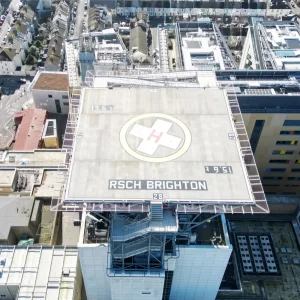
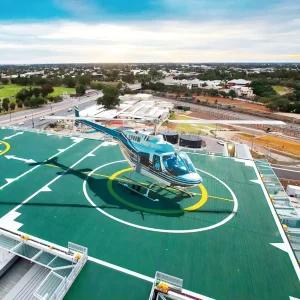
Wholesale All-Aluminum Helicopter Landing Pad Suppliers, Factory
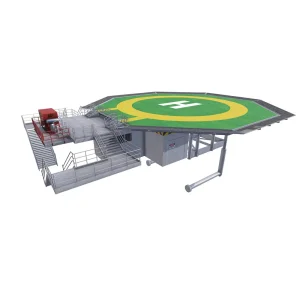
CE Certification Helipad and aluminum net Manufacturer, Suppliers
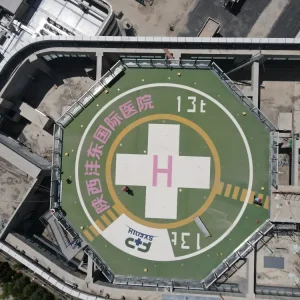
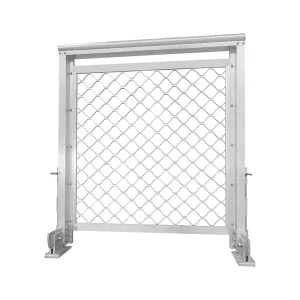
CE Certification Helideck perimeter safety net(Manual) Suppliers, Pricelist
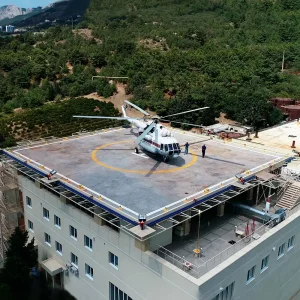
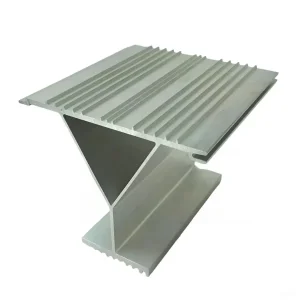
China LX-HP01 Helipad Aluminum Profile Manufacturer, Pricelist
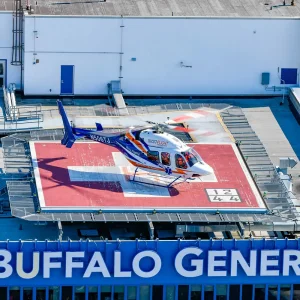
CE Certification Hospital emergency rescue helipad Suppliers, Pricelist
 LvXing