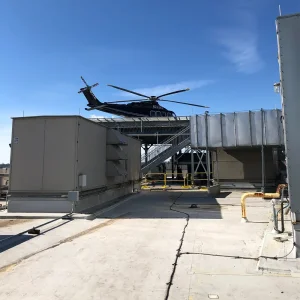
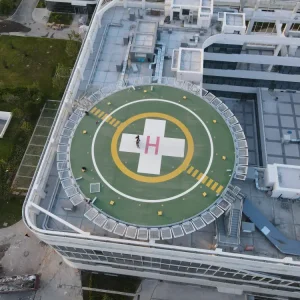
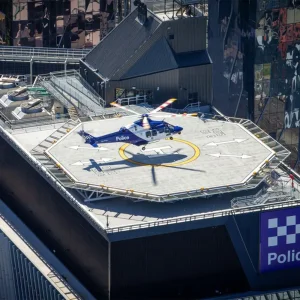
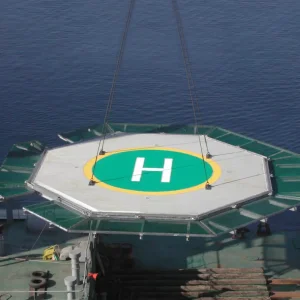
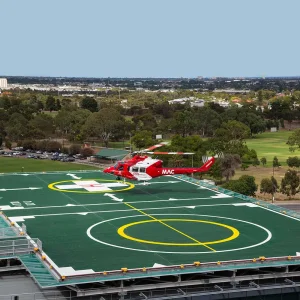
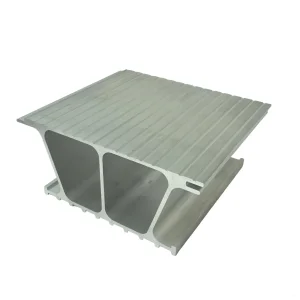
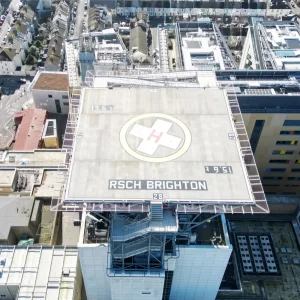
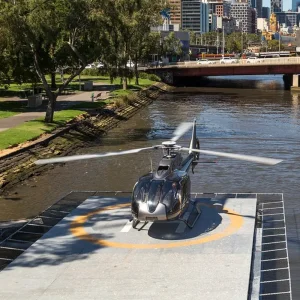
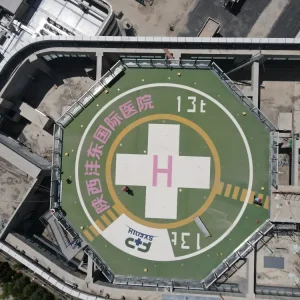
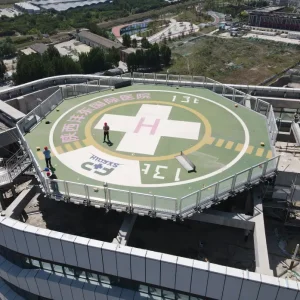
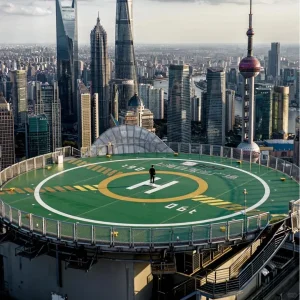
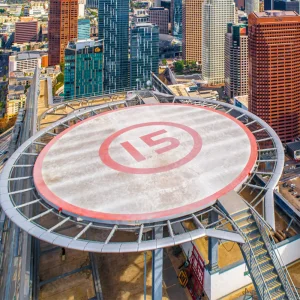
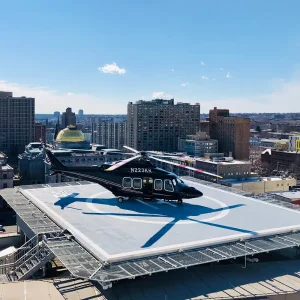
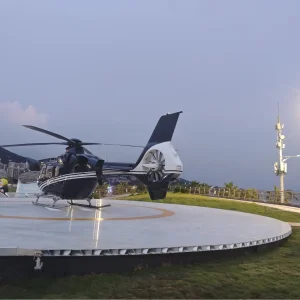
Elevated structure heliport safety nets are highly critical passive protection barriers designed to prevent ground personnel, equipment, and descending objects from sliding or falling off elevated platforms. Crucial for urban hospitals, skyscrapers, offshore marine vessels, and military bases, these systems must satisfy severe aerodynamic and gravitational strain thresholds.
Unlike standard fencing, elevated structure nets must actively absorb kinetic energy. The netting is engineered utilizing high-tensile 316-grade stainless steel cables, or robust anodized structural aluminum alloys. The structure undergoes dynamic load evaluations to withstand rigorous downward pressure drops (equivalent to dropping a 100 kg mass from heights exceeding 1.5 meters) without plastic deformation or joint failures.
Frames and mesh designed to redirect gravitational force vectoring upon impact, protecting personnel while preventing rebound into the rotor zone.
Engineered for high-humidity marine platforms. Anti-corrosive components utilizing marine-grade structural aluminum (Alloy 6061-T6/6082-T6) and AISI 316 stainless steel.
Optimized mesh spacing that reduces aerodynamic turbulence and wind shear, allowing air current passage without generating secondary lift/vortex hazards.
LVXING SPECIALIZES IN ALUMINUM SOLUTIONS. Established in 2015 and located in Foshan City, Guangdong, LvXing Intelligent Equipment Co., Ltd. boasts a skilled R&D team with extensive experience. We leverage exceptional technical expertise to effectively transform customers' ideas into reality, consistently meeting their precise requirements.
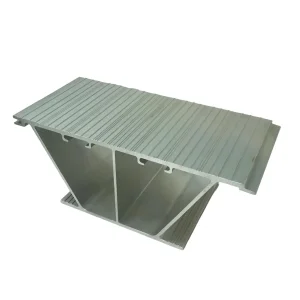
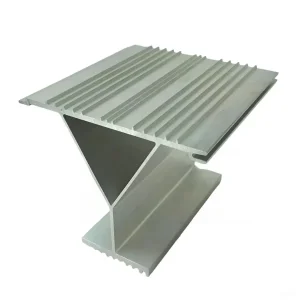
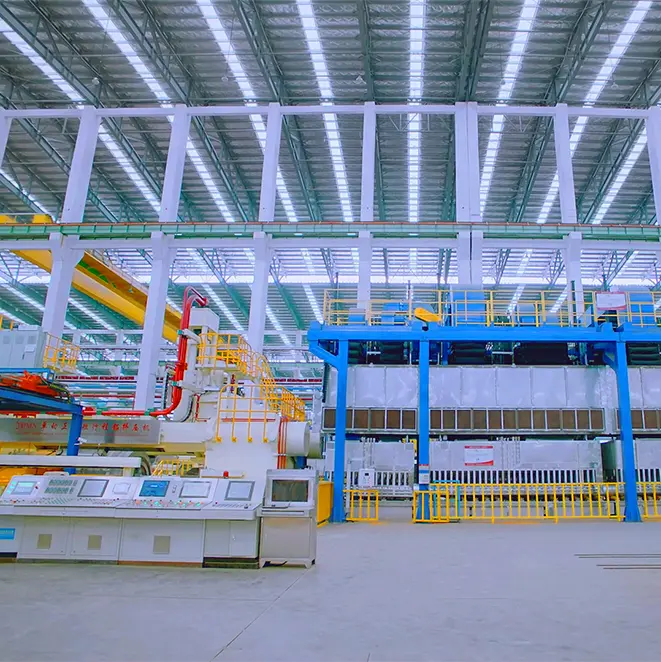
We utilize premium Fenglu aluminum, offering a diverse range of profiles for flexible applications. Our extrusion lines, ranging from 800T to 20,000T, accommodate alloys 1xxx, 2xxx, 3xxx, 5xxx, 6xxx, and 7xxx, allowing us to produce shaped products with section dimensions up to 1.2 meters in width and 28 meters in length. These products are recognized for their precision and meticulous processing, finding broad application in aerospace, military, medical, and industrial sectors.
Our commitment to excellence is evident throughout the manufacturing process, rigorous quality control, thorough packaging, and efficient shipping procedures. This dedication has earned us recognition as a national excellent and honest enterprise, along with quality system certification in accordance with GB/T19001-2016/ISO9001:2015 standards.
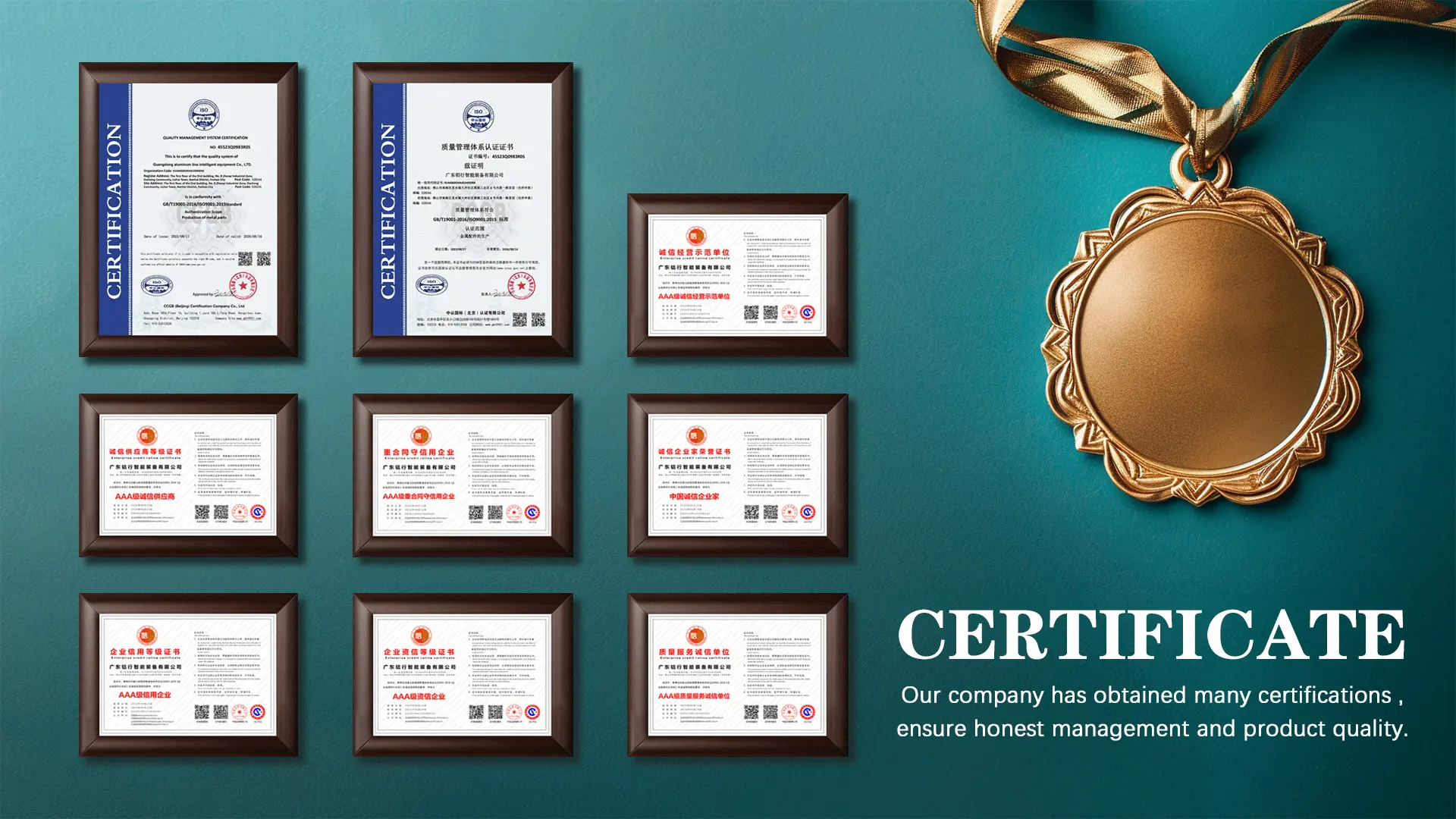
 Aerospace Standard
We have obtained the "Special Aluminium Materials for Aerospace" Certificate, verifying structural performance for helipads.
 High-Quality Fenglu Profiles
With extrusion lines ranging from 800T to 20,000T, we can produce alloys 1xxx, 2xxx, 3xxx, 5xxx, 6xxx, and 7xxx. We can manufacture fully shaped products with section dimensions up to 1.2 meters in width or 28 meters in length.
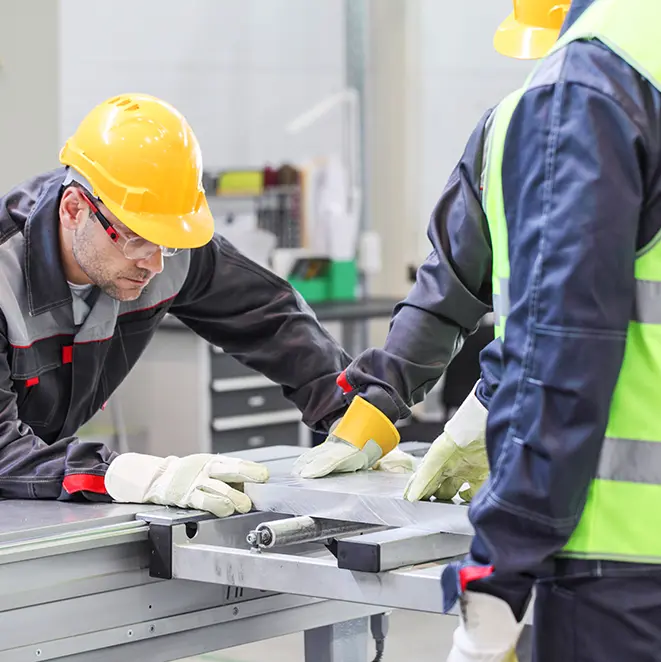
 Experienced Technician Team
We have a team of technicians with 15 years of invaluable experience. Our deep understanding of customer requirements allows us to identify potential issues and offer practical insights, turning customer ideas into tangible products that meet specific needs.
Elevated structure heliport safety nets are subject to highly complex global regulations. For offshore installations, including oil and gas platforms and drilling vessels, compliance with CAP 437 (Standards for Offshore Helicopter Landing Areas) is essential. CAP 437 requires that safety nets project at least 1.5 meters outward from the helideck edge and feature an upward slope. The net must not rise above the plane of the landing area itself to avoid presenting a hazard to helicopter maneuvers.
Furthermore, the Federal Aviation Administration (FAA) Advisory Circular AC 150/5390-2C mandates that safety nets must withstand dynamic tests without failure, exhibiting high durability against UV degradation and corrosive offshore elements. Our production lines closely follow these criteria, guaranteeing structural safety net components align with the highest global expectations.
Situated in Foshan City, Guangdong—a globally recognized hub for high-end metal processing and industrial automation—LvXing leverages a vertically integrated supply chain. Our raw material sourcing relies on renowned Fenglu aluminum, providing consistent mechanical integrity. Operating heavy-duty industrial extrusion equipment (800T up to 20,000T), we transform alloy series (typically 6000 and 7000 structural grades) into high-strength profiles for helideck structural components and peripheral safety frames.
This geographic concentration allows us to achieve cost efficiency without sacrificing quality control. Close access to regional shipping channels via Guangzhou and Shenzhen ensures streamlined transit schedules for global logistics.
As standard rules migrate toward zero-tolerance safety outcomes, structural project planners require highly detailed data before finalizing vendor selections. The modern procurement lifecycle values performance verification over simple price-point metrics.
We provide full integration with standard architectural drawing suites, delivering comprehensive modeling profiles for seamless local deployment.
Aluminum profiles undergo lifecycle stress modeling, simulating decades of cyclic marine wave motion and structural vibrational loads.
From primary Fenglu alloy batches to finished assemblies, every component receives complete metallurgical traceability documentation.
Driven by smart city infrastructure developments, modern helipads are transitioning from static platforms to highly integrated, active systems. Emerging designs incorporate fiber-optic sensors into perimeter safety nets to alert facility managers of stress variances or debris impacts. By manufacturing components utilizing premium raw materials under strict quality standards, LvXing remains positioned to support these high-tech municipal and commercial safety systems.
 LvXing