A comprehensive guide to raw materials, international structural standards, and deployment mechanisms.
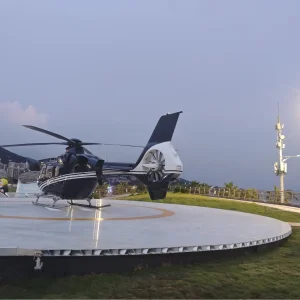
Heliport perimeter safety systems represent the final line of structural defense against fall hazards in critical marine, aerospace, and medical transport environments. Designing customized protection netting requires an in-depth understanding of material science, dynamic load thresholds, wind shear mechanics, and international safety guidelines (such as ICAO Annex 14 and CAP 437). As a leading custom manufacturer, Lvxing Intelligent Equipment manufactures helipad safety nets engineered for maximum structural reliability, longevity, and impact absorption.
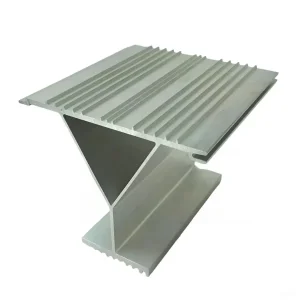
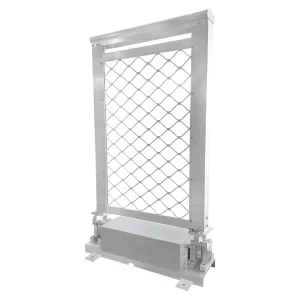
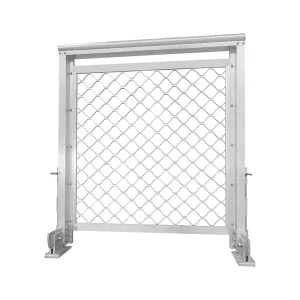
Our safety nets are constructed with marine-grade materials, utilizing high-tensile 316 stainless steel wire mesh or structural-grade aluminum profiles to guarantee long-term performance under harsh environmental conditions. The primary structural components must withstand localized impact forces of up to 125 kg dropped from a height of 1.5 meters without experiencing structural failure or excessive plastic deformation. By incorporating advanced engineering designs, we ensure our systems provide consistent energy dissipation, safeguarding both flight operations and deck personnel.
Established in 2015 and located in Foshan City, Guangdong, LvXing Intelligent Equipment Co., Ltd. boasts a skilled R&D team with extensive experience. We leverage exceptional technical expertise to effectively transform customers' ideas into reality, consistently meeting their precise requirements.
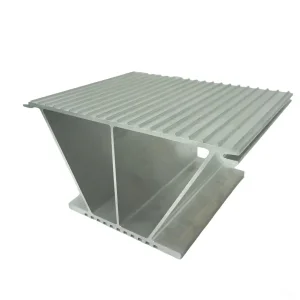
We utilize premium Fenglu aluminum, offering a diverse range of profiles for flexible applications. Our extrusion lines, ranging from 800T to 20,000T, accommodate alloys 1xxx, 2xxx, 3xxx, 5xxx, 6xxx, and 7xxx, allowing us to produce shaped products with section dimensions up to 1.2 meters in width and 28 meters in length. These products are recognized for their precision and meticulous processing, finding broad application in aerospace, military, medical, and industrial sectors.
Our commitment to excellence is evident throughout the manufacturing process, rigorous quality control, thorough packaging, and efficient shipping procedures. This dedication has earned us recognition as a national excellent and honest enterprise, along with quality system certification in accordance with GB/T19001-2016/ISO9001:2015 standards.
Leveraging state-of-the-art aluminum engineering and material certifications.
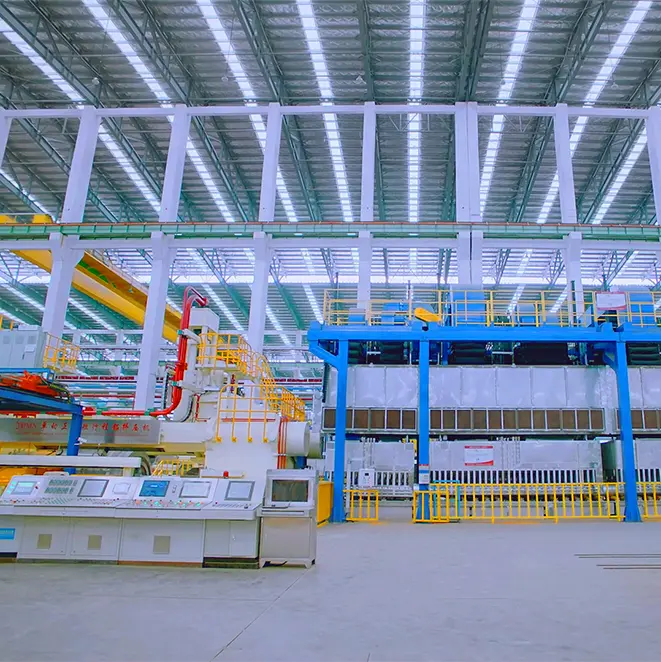
We have obtained the "Special Aluminium Materials for Aerospace" Certificate, confirming our production quality meets strict aviation safety requirements.
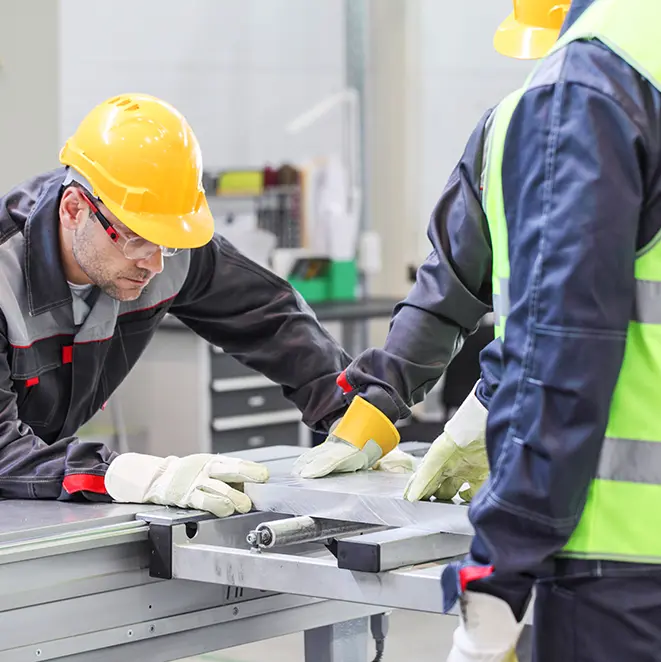
We utilize high-quality Fenglu aluminum profiles. With extrusion lines ranging from 800T to 20,000T, we produce alloys in the 1xxx to 7xxx series up to 1.2m wide or 28m long.
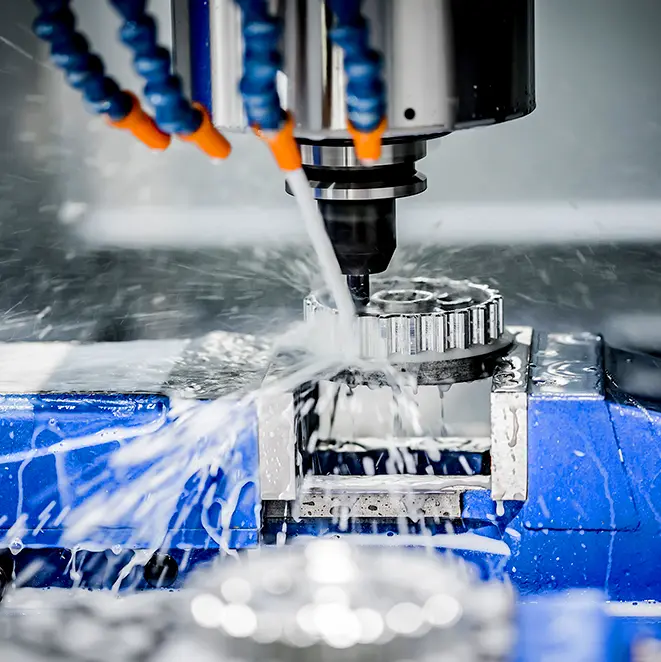
Our technicians leverage over 15 years of industry experience. We understand complex client requirements, identify structural challenges early, and provide actionable insights.
Smart safety solutions and next-generation structural developments.
We are integrating fiber-optic strain gauges and load sensors directly into custom safety net borders. This technology allows real-time structural health monitoring, alerting operators to tension loss or impact damage via control consoles.
Through our R&D partnerships, we are qualifying new 5xxx and 6xxx series aluminum-magnesium alloys. These materials offer improved resistance against salt-spray corrosion in marine and offshore applications, maintaining structural integrity over longer lifespans.
Our automation engineering team has designed electric and pneumatic drive mechanisms that allow automated folding and tension adjustments for offshore vessels and naval decks, reducing manual operations during heavy sea conditions.
Engineered safety net solutions tailored to diverse application environments.
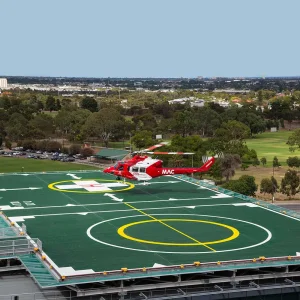
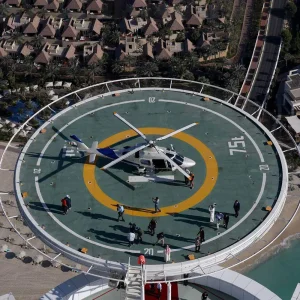
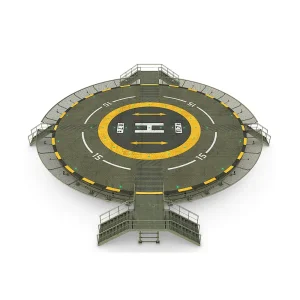
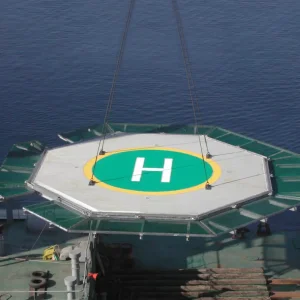
Operating in harsh marine settings, offshore helidecks require safety nets that resist high wind shear, salt-spray corrosion, and thermal cycling. Our solutions use grade 316 stainless steel mesh secured within marine-grade structural aluminum frames, ensuring full compliance with CAP 437 guidelines.
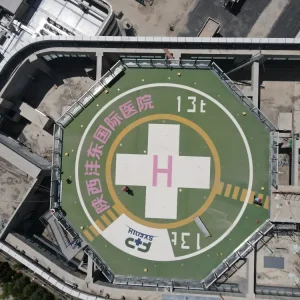
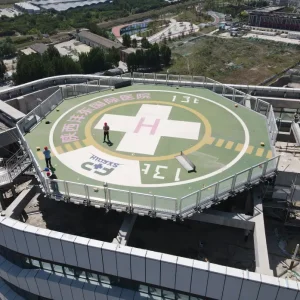
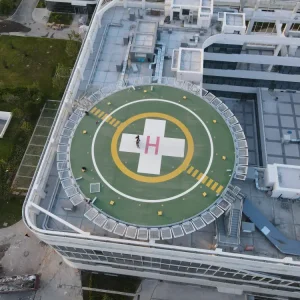
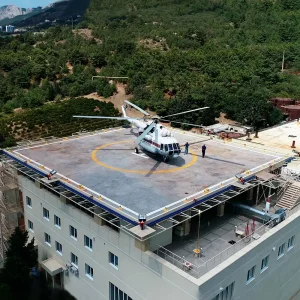
Hospital rooftop landing zones prioritize lightweight structures, fire resistance, and low maintenance. Our all-aluminum modular support profiles minimize deck dead loads while providing robust, high-performance impact protection that meets municipal building and aviation safety standards.
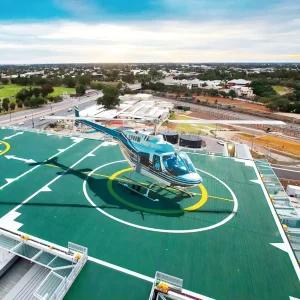
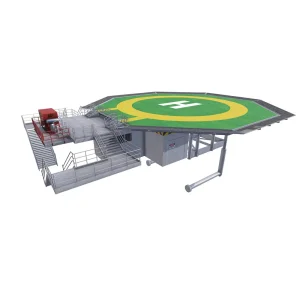
Shipborne helidecks face dynamic wave motions and space constraints. We engineer custom manual and motorized folding perimeter safety nets. These systems retract during flight operations or maintenance and fold outward to secure helicopter landings under pitch-and-roll conditions.
Operating out of Foshan City, the heart of China’s advanced aluminum extrusion industry, Lvxing operates a vertically integrated factory. This integration covers the entire production flow—from raw ingot casting and extrusion design to anodizing, precision CNC machining, net assembly, and drop-load testing.
By utilizing Fenglu aluminum raw materials and deploying heavy-duty extrusion presses (up to 20,000T capacity), we maintain tight dimensional tolerances, structural uniformity, and scale efficiency. This vertically integrated manufacturing model minimizes external supply chain dependencies, ensuring reliable delivery schedules, consistent quality control, and competitive pricing for global infrastructure projects.
Key technical criteria for engineering, procurement, and construction (EPC) projects.
When sourcing helideck protection nets for international projects, procurement officers and structural engineers must evaluate key performance metrics to ensure long-term durability and safety compliance:
All load-bearing profiles and stainless steel wire mesh should come with Mill Test Certificates (MTC) according to EN 10204 3.1. This ensures clear traceability from raw chemical compositions to the finished safety components.
Safety netting must undergo certified drop testing (utilizing a 125 kg test weight) to verify dynamic impact absorption, ensuring the system functions reliably in emergency fall scenarios.
Perimeter net assemblies must be wind tunnel tested to ensure they do not create aerodynamic instability, wind noise, or structural fatigue under high velocity wind streams (up to 60 m/s).
Meeting regional standards and offering responsive site support.
Lvxing supports complex global installations by providing technical documentation, mechanical drawings (DWG/BIM), structural calculations, and localized compliance certifications. Our designs align with international regulatory frameworks, including CAP 437 (UK CAA), ICAO Annex 14, Federal Aviation Administration (FAA) Advisory Circulars, and marine classification society rules (such as DNV, ABS, and Lloyd’s Register).
To assist field engineers, we provide detailed installation manuals, video guides, and remote technical support. If requested, our field engineers can coordinate on-site installation, commissioning, and load certification. This ensures your helipad safety system meets local audit requirements, providing complete assurance from initial inspection to final approval.
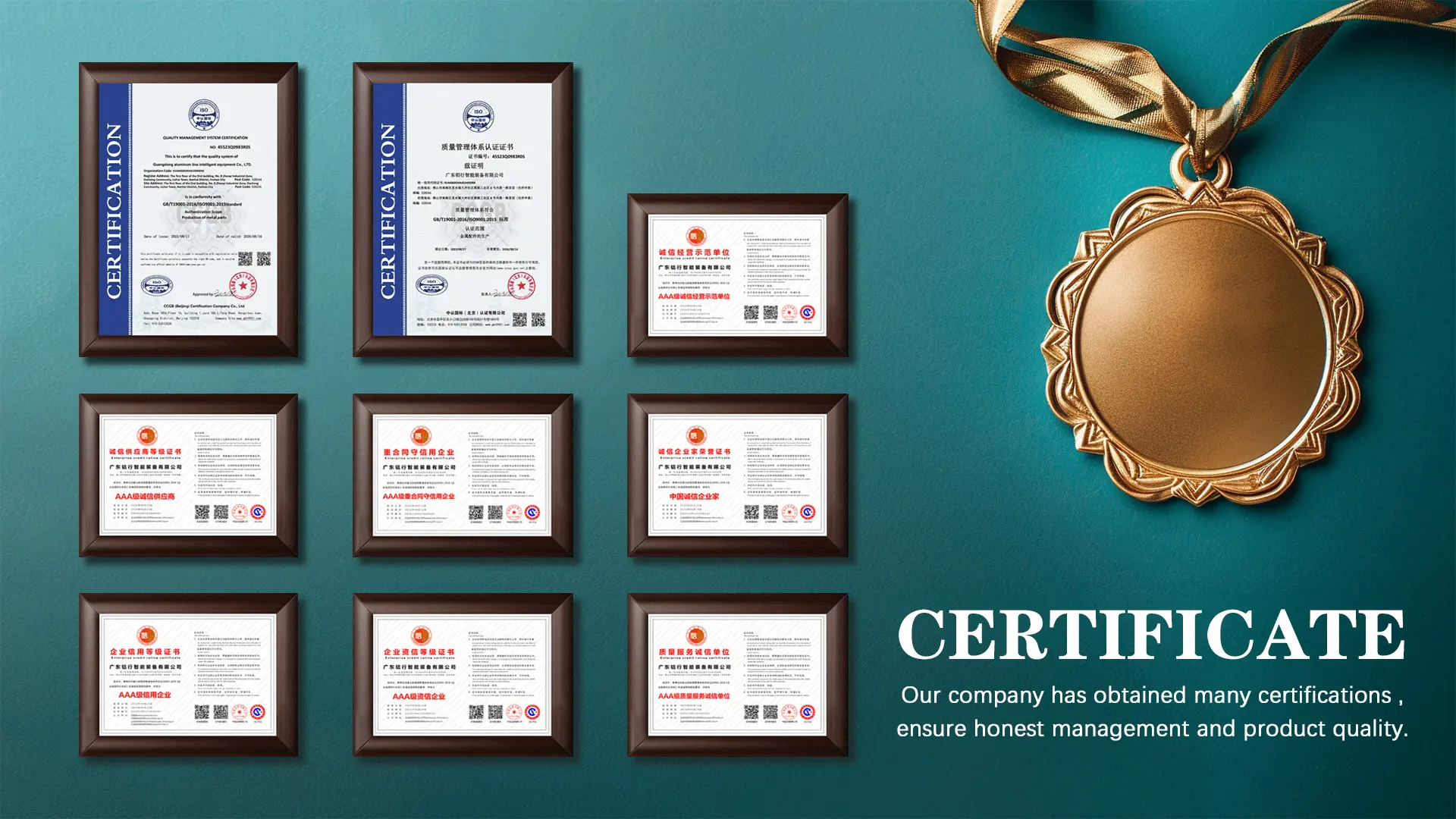
Expert answers to frequently asked engineering and procurement questions.
Thanks to our premium Fenglu aluminum profiles and anodized surface treatments (minimum 15-micron thickness), our structural safety net frames have a service life exceeding 15 to 20 years in standard atmospheric environments, and 10 to 15 years in high-salinity offshore C5-M environments with minimal maintenance.
Yes, our perimeter safety nets are designed to meet CAP 437 and ICAO Annex 14 requirements. They are engineered to stop a falling person from rolling off the platform, featuring a flexible, non-elastic catchment performance that prevents the "trampoline" rebound effect.
Yes. Our engineering department can design retrofitted safety net systems. We analyze your existing structural drawings, model the load connection points, and manufacture custom adapter brackets and modular frames to match your current platform configuration.
Every batch undergoes rigorous quality assurance inspections, including material composition verification using spectrometer analyzers, weld inspections, dimension tolerance testing, and dynamic load drop testing. This ensures all components meet specified safety tolerances before packaging.
 LvXing