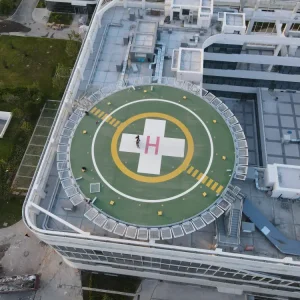
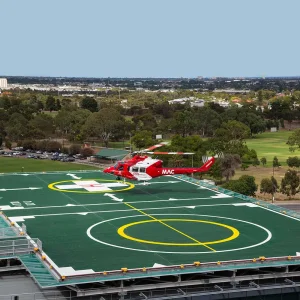
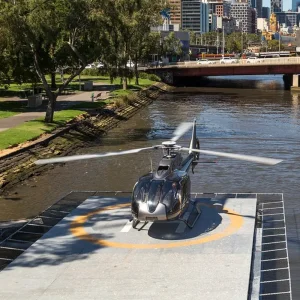
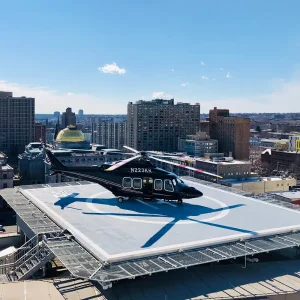
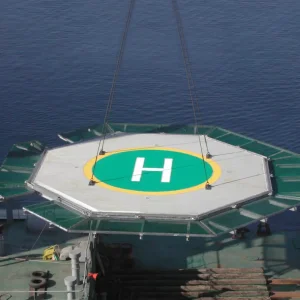
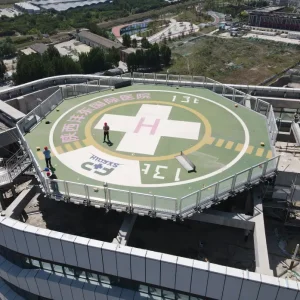
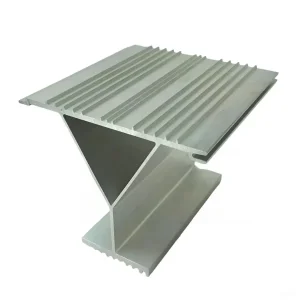
Globally certified structural configurations, customizable for skyscraper, hospital, and maritime applications.
Elevated helipads—whether situated atop metropolitan skyscrapers, critical emergency medical centers, or offshore platforms—operate under extreme environmental stresses. The perimeter safety net serves as the final, fail-safe barrier to protect aviation personnel, maintenance crews, and structural integrity. Selecting an optimized helipad safety system requires a deep understanding of metallurgy, aviation compliance standards (e.g., CAP 437, FAA guidelines), structural engineering, and the chemical environments to which these installations are subjected.
As an industry-leading manufacturer, we formulate and custom-extrude high-tensile, corrosion-resistant structures tailored to meet extreme wind shear, high saline impact, and severe thermal cycles. This document serves as a comprehensive design whitepaper for procurement executives, structural engineers, and airport authorities aiming to understand the critical dynamics of customized safety nets and helipad profile supply chains.
Established in 2015 and located in Foshan City, Guangdong, LvXing Intelligent Equipment Co., Ltd. boasts a skilled R&D team with extensive experience. We leverage exceptional technical expertise to effectively transform customers' ideas into reality, consistently meeting their precise requirements.
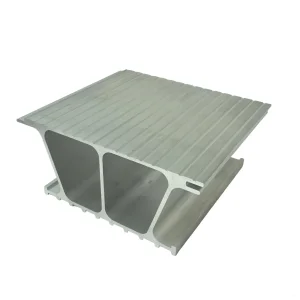
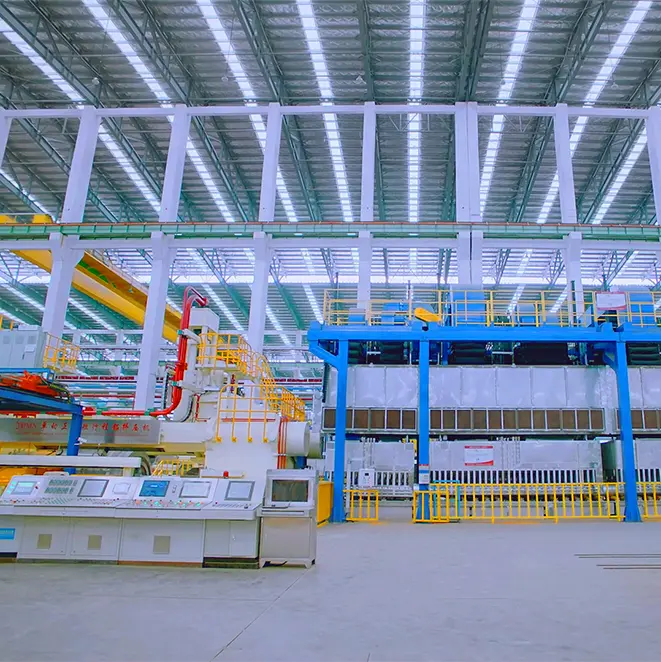
We utilize premium Fenglu aluminum, offering a diverse range of profiles for flexible applications. Our extrusion lines, ranging from 800T to 20,000T, accommodate alloys 1xxx, 2xxx, 3xxx, 5xxx, 6xxx, and 7xxx, allowing us to produce shaped products with section dimensions up to 1.2 meters in width and 28 meters in length. These products are recognized for their precision and meticulous processing, finding broad application in aerospace, military, medical, and industrial sectors.
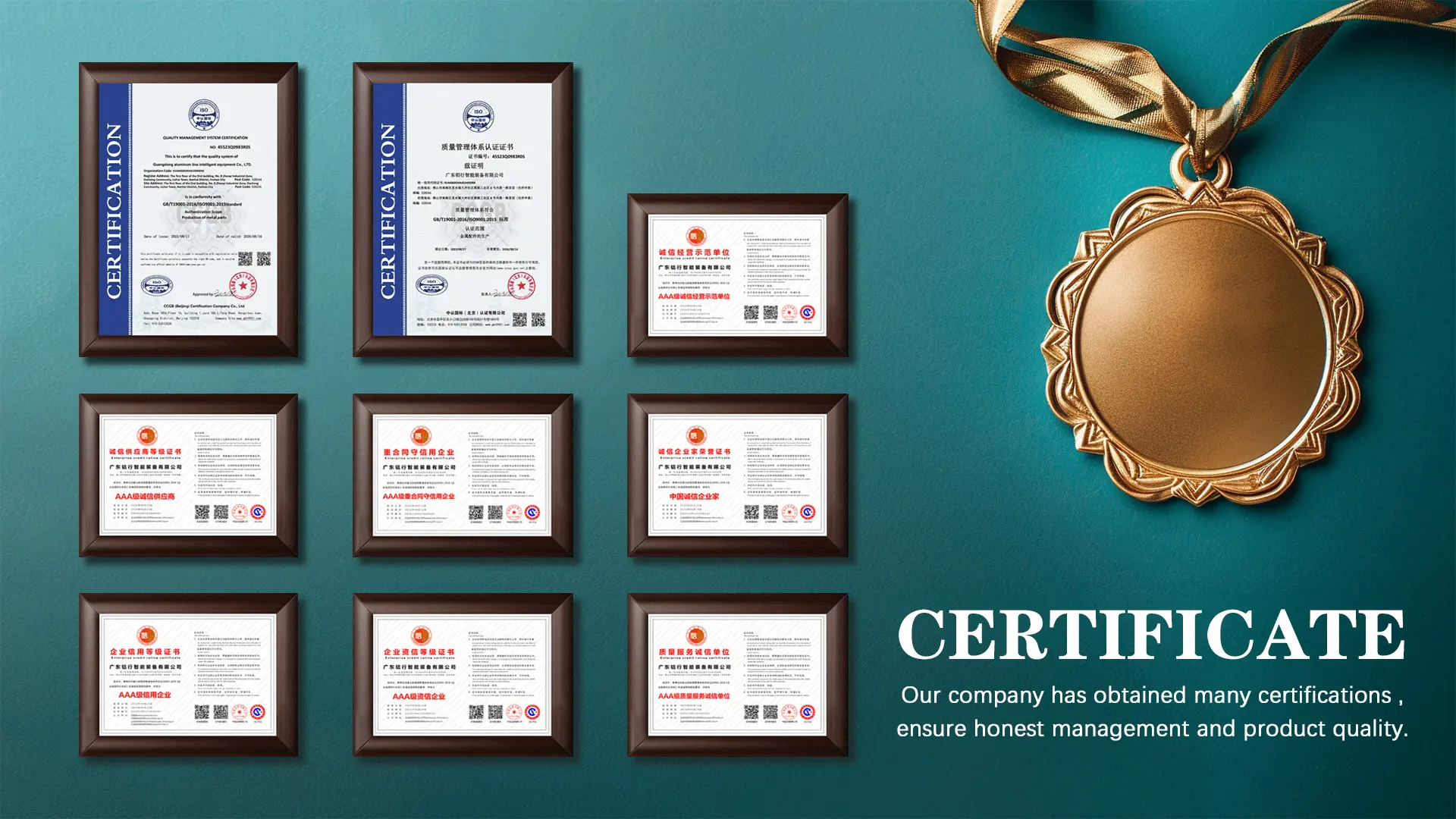
Our commitment to excellence is evident throughout the manufacturing process, rigorous quality control, thorough packaging, and efficient shipping procedures. This dedication has earned us recognition as a national excellent and honest enterprise, along with quality system certification in accordance with GB/T19001-2016/ISO9001:2015 standards. We aspire to be your trusted business partner and warmly invite you to visit our factory.
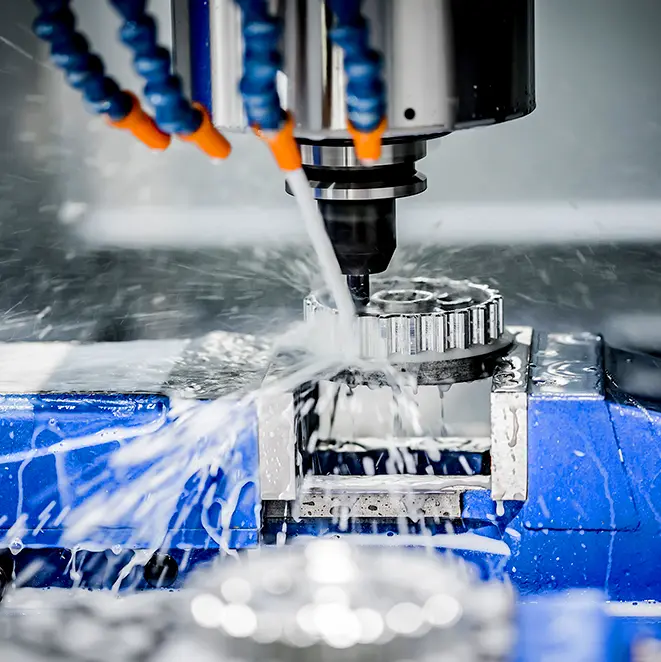
Lvxing's capability index highlights our raw power in aluminum manufacturing and design precision.
Unparalleled expertise and industry certifications that set Lvxing Intelligent Equipment apart.

We have obtained the “Special Aluminium Materials for Aerospace” Certificate.

We provide and utilize high-quality Fenglu aluminum profiles. With extrusion lines ranging from 800T to 20,000T, we can produce alloys 1xxx, 2xxx, 3xxx, 5xxx, 6xxx, and 7xxx. We can manufacture fully shaped products with section dimensions up to 1.2 meters in width or 28 meters in length.

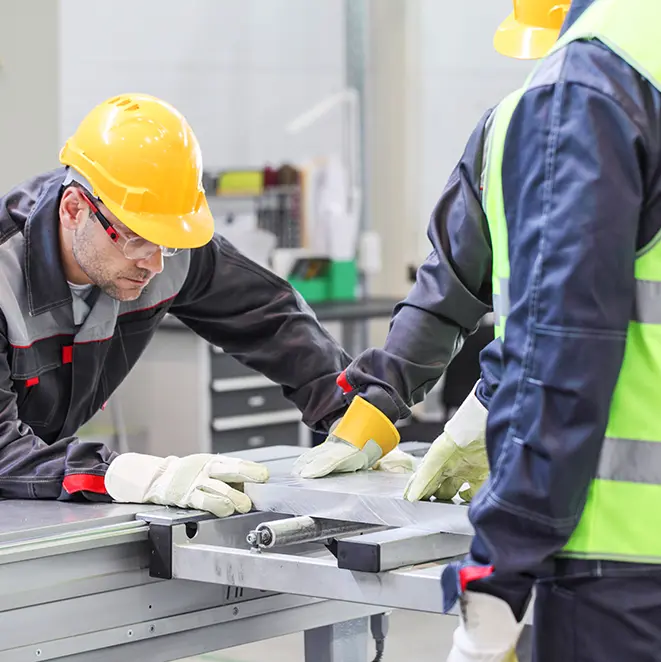
We have a team of technicians with 15 years of invaluable experience. Our deep understanding of customer requirements allows us to identify potential issues and offer practical insights, turning customer ideas into tangible products that meet specific needs.
Deciphering the physics and structural layout requirements for certified elevated landing platforms.
A helipad safety net is not simply a barrier; it is an active deceleration mechanism. According to CAP 437 regulations, the perimeter safety net must extend outward for at least 1.5 meters from the edge of the landing platform. Furthermore, the net must not exceed the plane of the deck to prevent hazard contact with helicopter rotors. It should tilt upward at an angle of roughly 10° to catch falling crew or passengers safely.
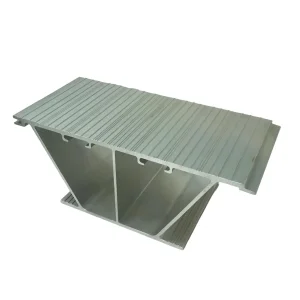
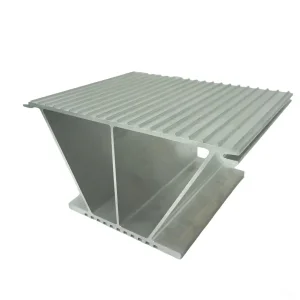
Structurally, the frame is assembled using Lvxing’s high-strength extruded profiles (predominantly 6082-T6 or 6061-T6 aluminum). This structural frame supports a mesh fabricated from either 316 stainless steel wire rope or specialty structural aluminum alloy weave.
Before deployment, design prototypes must undergo drop-testing. This test simulates a 125 kg body falling from a height of 1 meter (or 125 kg released along a slide simulating the trajectory of an escaping technician). The safety net system must absorb this kinetic energy without structural failure of the mesh, mounting brackets, or main aluminum profiles.
| Alloy Grade | Key Properties | Application Area |
|---|---|---|
| 6061-T6 | Excellent weldability, high yield strength (276 MPa), superior corrosion resistance. | Helipad Deck Profiles, Main Framing Support, Under-deck Trusses. |
| 6082-T6 | Highly dynamic stress resistance, superior mechanical properties in marine environments. | Safety Net Frames, Structural Brackets, Primary Connectors. |
| 5083-H112 | Exceptional marine corrosion resistance, ideal for cryogenic temperatures. | Shipborne Helipad Decking, Hull mounting bases. |
| 316 Stainless Steel | High-tensile wire rope (1770 N/mm²), ultra-high resistance to chloride pitting. | Safety Net Infill Mesh, Tension Cables, Fastening Hardware. |
Operating within the industrial core of Foshan City, Guangdong, Lvxing benefits from a highly integrated aluminum manufacturing ecosystem. Our direct integration with industry giants like Fenglu Aluminum guarantees premium raw billet supply. Combined with our local extrusion lines ranging up to 20,000T, we dramatically reduce transportation costs, maintain ultra-tight tolerances, and deliver custom extrusion profiles at competitive pricing.
We understand that regional regulations vary. While the Americas rely on FAA Advisory Circulars, European and offshore projects adhere strictly to CAP 437 and EASA guidelines. Lvxing’s engineering team actively collaborates with regional contractors to localize design submittals, providing fully localized drawing translations, calculations, and certification documents (CE/ISO) that streamline local authority approvals.
Every custom elevated helipad project has unique specifications. We offer modular safety net panels in standardized dimensions or custom widths to fit polygon or circular helipads. Surface treatment choices include anodizing, PVDF coating (ideal for offshore oil platforms), and polyester powder coatings in standard safety yellow or black to meet specific visibility requirements.
How elevated safety nets and aluminum structural profiles solve critical safety challenges in real-world environments.
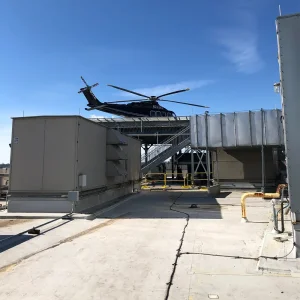
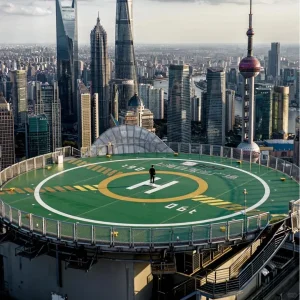
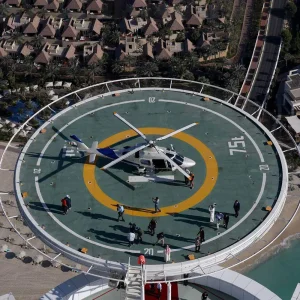
High-rise commercial properties require lightweight structures that minimize the load on the building's structural columns. Our custom aluminum helipad deck profiles and safety nets offer a significant weight reduction (up to 60%) compared to steel structures. The non-combustible properties of aluminum alloys, combined with flame-resistant safety net systems, ensure fire safety compliance under civil aviation guidelines.
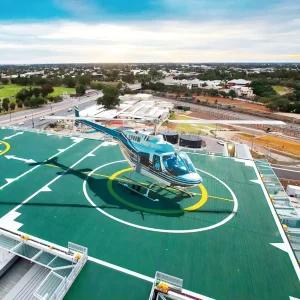
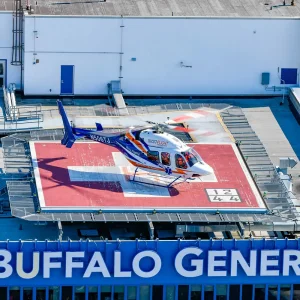
In emergency medical services (EMS), speed and safety are paramount. Safety nets installed in hospitals must prioritize clear access and visibility. Our aluminum profiles accommodate built-in runway lighting and LED warning systems. The drop-tested mesh ensures that medical personnel, rushing during critical patient transfers, are protected even in adverse weather conditions like heavy rain or strong wind gusts.
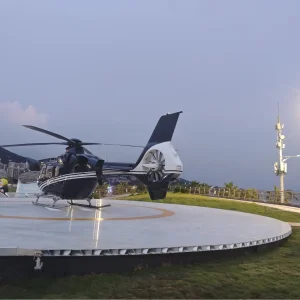
Salt fog and moisture speed up galvanic corrosion. Offshore oil rigs and shipboards use 316-grade stainless steel safety net mesh and marine-grade anodized aluminum support arms. These systems are tested in salt spray chambers to guarantee they will resist rust for years. This reduces maintenance needs on remote sea platforms.
An engineering-focused overview of the key factors driving cost and project pricing.
Custom elevated helipad safety nets are not sold as generic products; their pricing is based on several engineering and structural parameters. A typical bill of materials (BOM) includes the extruded aluminum profile framing, the safety mesh paneling, tensioning cables, structural mounting brackets, and corrosion-resistant fasteners.
To receive an accurate quote, procurement departments should provide the following information:
Our integration within Foshan’s aluminum supply chain allows us to offer competitive manufacturer-direct pricing. This helps lower overall project costs for global structural engineering firms.
Estimates are typically calculated per linear meter or square meter of safety panel area. Direct raw material indexes, such as the London Metal Exchange (LME) aluminum spot price and local processing surcharges, play a primary role in structural profile costs. Contact our sales engineers with your CAD layout drawings to get a complete pricing breakdown.
The evolution of perimeter safety systems in next-generation urban air mobility and helipad infrastructure.
Modern elevated landing platforms are increasingly adopting smart safety nets. By incorporating strain gauges and optical sensors into the aluminum frame and mesh support points, operators can receive real-time alerts regarding structural fatigue, heavy snow accumulation, or accidental impacts, allowing for preventative maintenance.
As Urban Air Mobility (UAM) and electric vertical takeoff and landing (eVTOL) aircraft develop, vertiports will require updated perimeter safety rules. These new aircraft have different weight balances and landing dynamic forces compared to conventional helicopters. This shift is driving demand for highly adaptable, lightweight safety systems that can handle a wider range of structural layouts.
Sustainability is becoming a key factor in materials selection. Aluminum is highly recyclable, and our manufacturing processes focus on minimizing carbon emissions. Using recycled aluminum alloys that retain their structural properties helps developers achieve green building certifications like LEED for modern high-rises.
Technical answers to key structural design and compliance questions.
The primary global standards are the Civil Aviation Authority UK CAP 437 (for offshore and general operations) and FAA Advisory Circular AC 150/5390-2C. CAP 437 requires safety nets to extend 1.5 meters outward, have an upward slope of 10 degrees, and withstand a drop impact test of at least 122 kg (2.3 kJ dynamic energy) without failure. Lvxing designs, manufactures, and tests its systems to meet or exceed these standards.
Marine-grade aluminum (like 6061-T6 or 6082-T6) provides a high strength-to-weight ratio and natural resistance to corrosion. It is about 60% lighter than structural steel, reducing the load on rooftops and offshore platforms. It also handles environmental conditions well without requiring continuous repaint maintenance, lowering the lifetime cost of ownership.
We use high-grade raw materials sourced from top suppliers like Fenglu Aluminum. Our production facilities include extrusion lines from 800T to 20,000T, allowing us to manage the entire manufacturing cycle. We maintain quality controls certified under ISO 9001:2015 and hold specialized aerospace certifications, ensuring that every profile meets demanding dimensional and structural tolerances.
Yes. We manufacture both rigid fixed systems and foldable/retractable safety net configurations. Retractable systems are useful for maintenance, window washing on high-rises, or tight spaces on marine vessels. They feature secure locking hinges and high-tensile hardware to ensure safety when deployed.
Lead times depend on the scale and complexity of the project. Standard profiles typically ship within 3 to 4 weeks. Custom profiles requiring new extrusion dies and specific surface coatings (such as offshore PVDF) generally take 6 to 8 weeks from final approval of engineering drawings. Contact our sales team for detailed schedule estimates.
Browse our complete selection of safety meshes, structural profiles, and components.
 LvXing