Explore our foundational structural profiles certified for heavy civil, aviation, and high-performance glass installations.
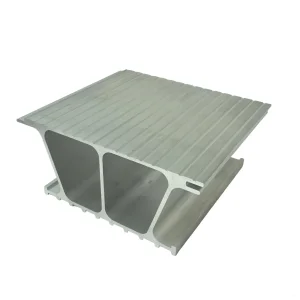
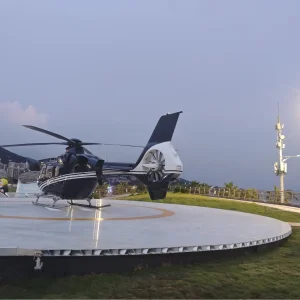
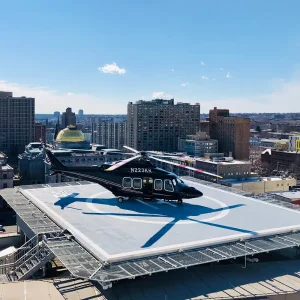
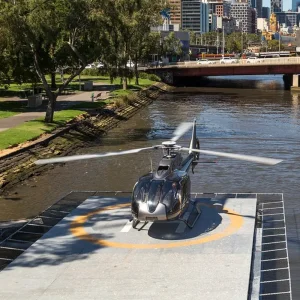
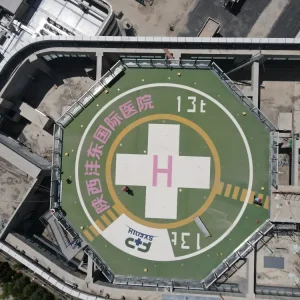
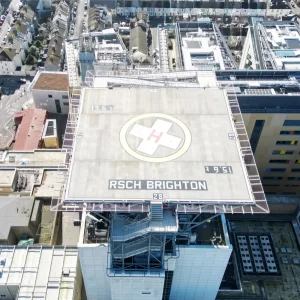
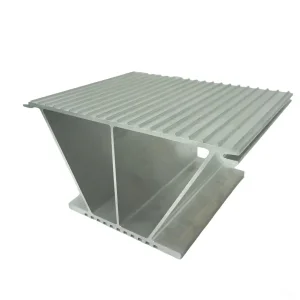
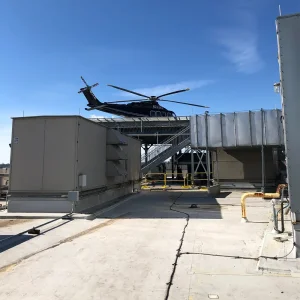
In modern industrial engineering and architectural design, the integration of structural glass systems and heavy-duty structural aluminum profiles represents the absolute pinnacle of functional synergy. As high-density vertical architecture, offshore marine installations, and medical emergency systems demand ever-greater load capacities and environmental resilience, standard catalog profiles fail to meet structural code requirements. LvXing Intelligent Equipment Co., Ltd. addresses this critical gap, providing bespoke, ultra-wide extrusion profiles that bridge structural integrity with premium architectural design.
Established in 2015 and strategically anchored in Foshan City, Guangdong—the global manufacturing hub of advanced aluminum metallurgy—LvXing leverages cutting-edge technology to convert complex engineering blueprints into tangible, high-tolerance components. Utilizing top-tier Fenglu Aluminum raw materials, we engineer custom glass aluminum profiles and heavy-duty landing structural platforms designed to withstand intense dynamic wind loads, seismic movements, and harsh oxidative environments.
Our production limits exceed standard limits, enabling architectural and aerospace solutions that ordinary factories cannot process.
We are officially certified for "Special Aluminium Materials for Aerospace". This ensures that every millimeter of aluminum we extrude conforms to high structural density, uniform grain structure, and zero internal crystallization defects.

Operating a diverse spectrum of alloys including the 1xxx, 2xxx, 3xxx, 5xxx, 6xxx, and 7xxx series. Whether it is marine-grade 5083, structural 6082-T6, high-finish 6063, or ultra-strong aerospace 7075, we deliver the exact material performance profile required.

Our veteran engineering unit identifies structural deficiencies, designs custom tooling, optimizes thermal breaks, and ensures perfect integration between the glass glazing systems and structural aluminum framework before production begins.

Modern building envelopes require large spans of glazing with minimal visible structural members. This architectural push has placed immense pressure on custom glass aluminum profile manufacturers. Moving away from standard 6063-T5 aluminum, modern facades and structural deck framing demand high-tensile 6082-T6 and 6061-T6 alloys. These alloys display superior yield strength and exceptional mechanical resilience when subjected to constant cyclical loading.
Furthermore, structural designs must mitigate thermal bridging. The integration of continuous, high-performance polyamide (PA66 GF25) thermal breaks within custom structural aluminum extrusions ensures compliance with stringent global energy-efficiency regulations (e.g., EU Energy Performance of Buildings Directive, ASHRAE 90.1). By utilizing custom wide-die extrusions, LvXing allows architectural engineers to design monolithic mullions that double as conduits for electrical and HVAC systems, reducing the reliance on secondary field fabrication.
Procuring custom heavy-duty extrusions is often bottlenecked by two main parameters: maximum press extrusion tonnage and alloy quality assurance. Standard manufacturers possess extrusion presses limited to 3,000T to 5,000T, rendering them incapable of producing unified profiles wider than 300mm. When structural dimensions exceed this envelope, architects are forced to weld or splice multiple sections together, introducing structural stress points and potential water infiltration routes.
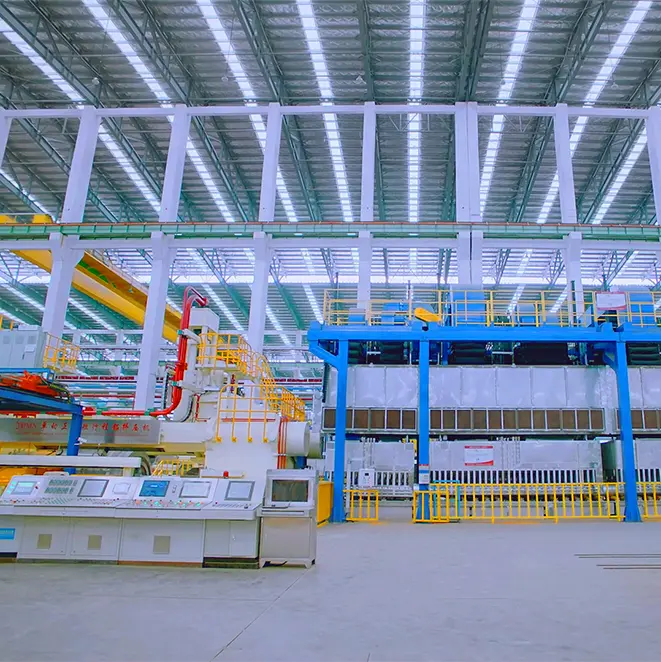
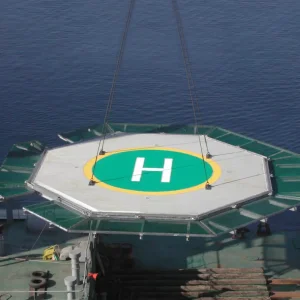
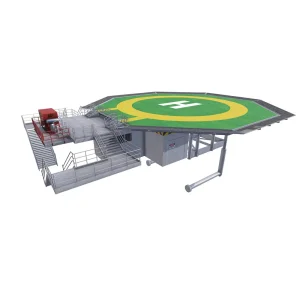
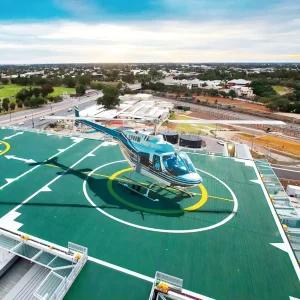
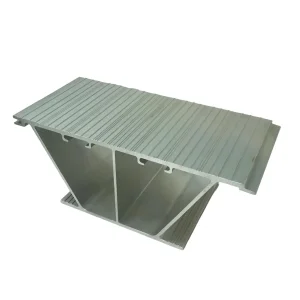
LvXing solves this challenge by operating heavy-duty extrusion presses ranging up to 20,000 Tons. This enables us to extrude complete monolithic profiles with cross-sectional widths reaching 1.2 meters. This capability minimizes welding, accelerates installation, and lowers structural fatigue, making it highly suitable for offshore helidecks, glass skyscraper envelopes, and marine landing docks.
| Alloy Series | Yield Strength (MPa) | Tensile Strength (MPa) | Corrosion Resistance | Primary Industrial Applications |
|---|---|---|---|---|
| 6063-T6 | 170 - 190 | 215 - 230 | Excellent | Glazed Facades, Thin-wall Glass Frames, Architectural Trims |
| 6061-T6 | 240 - 276 | 290 - 310 | High | Heavy Duty Structural Framing, Glass Curtain Wall Anchors |
| 6082-T6 | 250 - 280 | 295 - 330 | Superior (Marine Grade) | Offshore Helidecks, Marine Platforms, High-Stress Civil Frameworks |
| 7075-T6 | 480 - 505 | 540 - 572 | Moderate | Aerospace Components, Military-Grade Landing Pads, Structural Connectors |
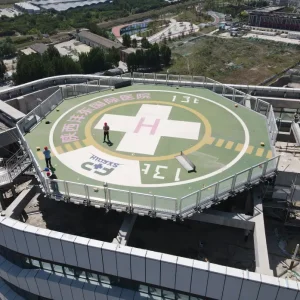
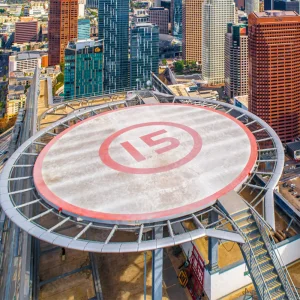
The cross-disciplinary engineering of modern airports, marine logistics, and medical facilities demands localized, highly integrated engineering. Structural glass panels and structural aluminum profiles must withstand dynamic impact calculations. For instance, when designing hospital rooftop helipads (such as our Custom Hospital Roof Helipad Profiles) that sit adjacent to high-span glass atrium enclosures, engineers must calculate the dynamic landing impact (often up to 3.2 times the helicopter's static weight) and the corresponding pressure wave impact on neighboring glass structures. LvXing's engineering team provides localized structural simulation profiles to ensure that both the landing pads and the neighboring architectural facades work in structural unison.
How LvXing ensures dimensional accuracy, mechanical properties, and structural reliability from raw ingot to final delivery.
We source ultra-pure primary Fenglu aluminum billets. The raw metal undergoes strict spectrographic analysis to check compliance with international standards before entering our custom homogenization furnaces. This step eliminates grain boundary segregation and prepares the material for uniform extrusion.
Billets are pre-heated to precise extrusion temperatures (typically 450°C - 500°C depending on the alloy) and forced through custom CAD/CAM-designed dies on our state-of-the-art 800T to 20,000T lines. This allows us to manufacture solid, semi-hollow, or hollow profiles up to 1.2m wide and 28m long with wall thickness tolerances exceeding standard GB/T norms.
Depending on the required temper (such as T5, T6, or T6511), profiles are subjected to advanced water spray, air blast, or contact quenching immediately upon exiting the die. They are then placed in computer-controlled aging ovens to reach optimal hardness and tensile strength.
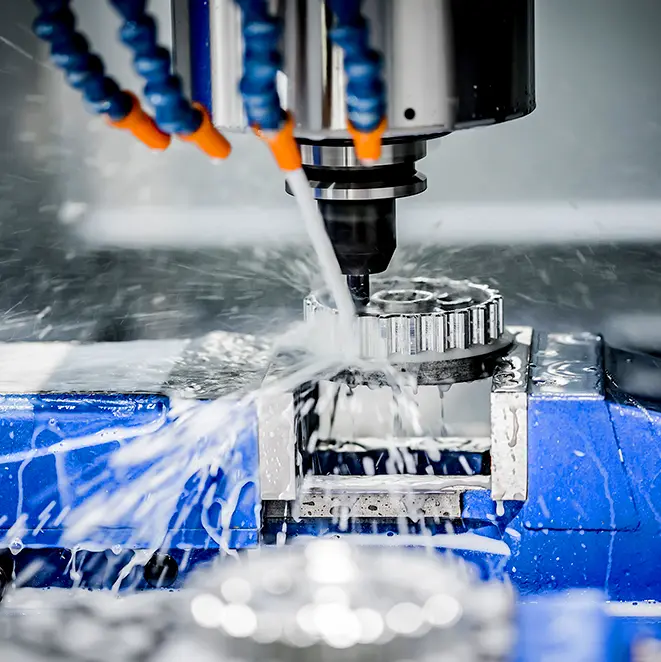
Extruded profiles undergo precise structural milling, drilling, and cutting via our high-precision multi-axis CNC machines. Surface finishing options include protective clear/color anodizing, fluorocarbon (PVDF) electrostatic spraying, or heavy-duty powder coating to resist coastal salt-spray and industrial pollution.
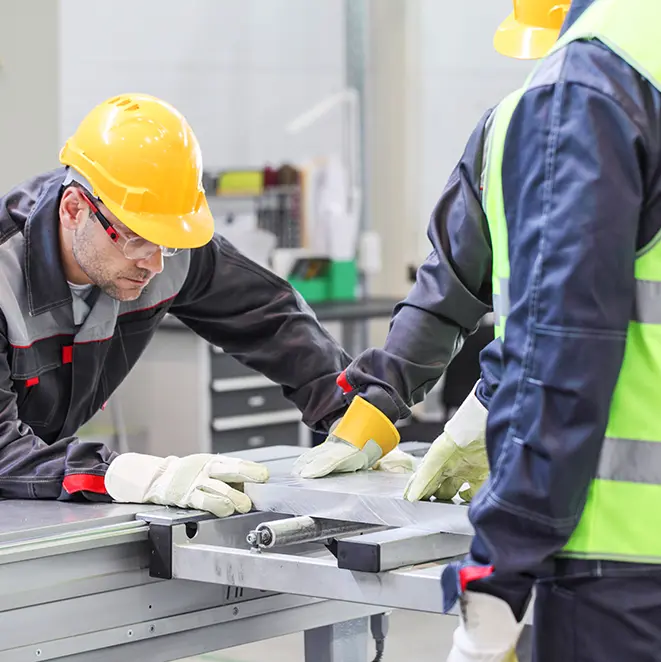
Every batch is subjected to mechanical testing (tensile strength, yield strength, elongation), dimensional check via Coordinate Measuring Machines (CMM), and ultrasonic weld quality inspection to guarantee safety compliance for high-load aviation and architectural glass frameworks.
Visual confirmation of our manufacturing quality, raw materials, and structural engineering capabilities.
Real-time testing of custom load-bearing aluminum extrusions under high mechanical loads to check elastic deformation and yield strength boundaries.
Our high-tonnage lines enable large monolithic shapes to be extruded with minimal wall-thickness variations, reducing structural weak points.
Pre-assembly checks in our Foshan facility ensure that interlocking segments fit together within precise millimeter-level tolerances prior to dispatch.
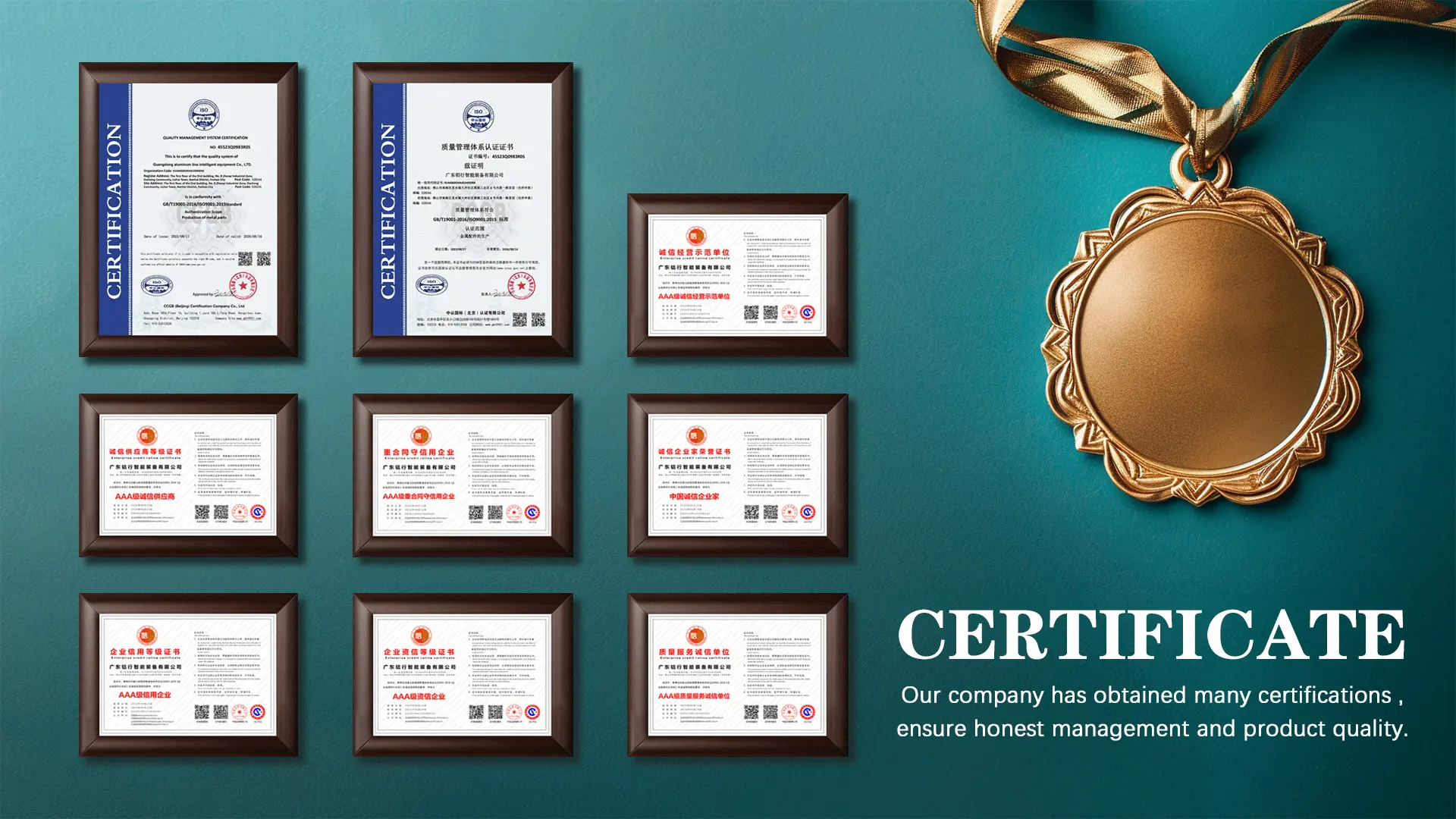
LvXing operates under a strict, globally recognized compliance structure. Our processes are certified under GB/T19001-2016 / ISO9001:2015 Quality Management Systems. For infrastructure, aviation, and structural engineering components, we supply complete traceability records, chemical analysis certification, mechanical property validation, and CE Certification to simplify customs clearance and site audits across the European Union, the Americas, and Southeast Asia.
We provide localized engineering consultation, custom tool designing, and specialized packaging structures (including steel-crated packaging for heavy extrusions up to 28 meters) to prevent bending during transport. Our field service department offers on-site technical guidance, ensuring that complex installations of structural glass curtain walls and aviation landing pads are performed in exact alignment with structural design models.
Looking ahead, LvXing is committed to lowering the carbon footprint of our operations. We are expanding our usage of low-carbon primary aluminum billets refined via clean hydro-electric power. Simultaneously, our R&D team is refining structural glass aluminum profile designs with integrated solar photovoltaics (BIPV) and high-density, bio-polymer thermal barriers to support net-zero building designs.
Technical guidance for architects, procurement directors, and lead structural engineers.
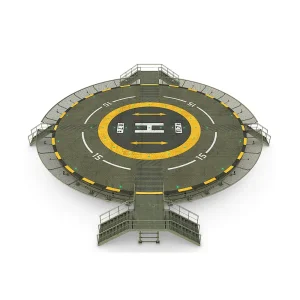
Explore our heavy-duty industrial platforms, landing decks, and specialized marine-grade aluminum profiles.
 LvXing