Analyzing strict marine directives, commercial requirements, and critical safety frameworks for helicopter landing installations.
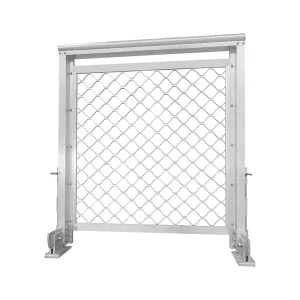
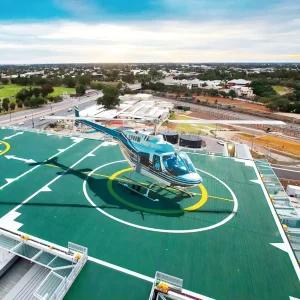
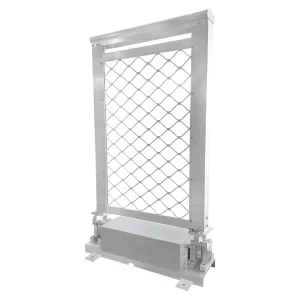
Helicopter landing decks, or helidecks, serve as critical interfaces in offshore gas and oil platforms, marine vessels, military ships, hospital roofs, and modern urban skyscrapers. Ensuring helicopter structural safety during landing and takeoff procedures requires high-performance perimeter safety systems. The helicopter deck net acts as a primary safety mechanism designed to catch personnel and machinery should an accidental slide or fall occur off the edge. Traditionally, these nets are engineered from high-tensile 316-grade stainless steel or corrosion-resistant marine alloys, specifically structured to withstand harsh marine salt sprays and high wind velocities.
According to the International Civil Aviation Organization (ICAO) and the Federal Aviation Administration (FAA) standards, particularly CAP 437 (Standards for Offshore Helicopter Landing Areas), helideck perimeter safety nets must possess sufficient tensile strength to absorb drop energy without permanent failure. These regulations dictate that safety nets must project at least 1.5 meters outwards from the landing area, sloping upward at an angle of 10 to 15 degrees. In addition, they must exhibit a non-fraying, fire-resistant, and high UV-resistant character, which calls for heavy-duty material processing and specialized manufacturing capabilities.
Strict compliance with Civil Aviation Authority (CAA) CAP 437, ensuring drop-test ratings of up to 2.3 kJ, offering crucial protection for all operational staff.
Utilizing high-grade structural alloys designed to withstand C5-M marine corrosive zones, preventing accelerated oxidation on offshore rigs.
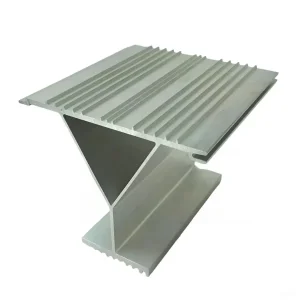
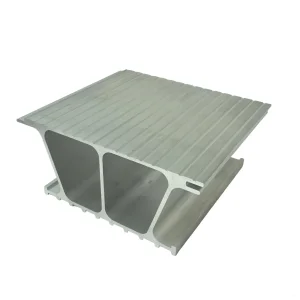
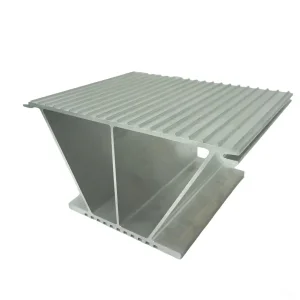
Aluminum profiles and custom alloy frameworks deliver an optimal strength-to-weight ratio, simplifying transport and installation operations.
As the international offshore energy sector transitions toward more robust green hydrogen facilities, deep-water wind farms, and next-generation oil exploration, helideck configurations are evolving. The demand for lightweight, low-maintenance materials has pushed manufacturers to transition away from traditional carbon steels toward advanced marine-grade aluminum alloy profiles and stainless steel mesh hybrids. Industry trends show a significant push towards modular structural parts that can be customized to fit polygonal, square, or circular deck designs without requiring hot work or welding during installation.
Globally, enterprise procurement professionals evaluate partners based on stringent parameters: material traceability, compliance testing certifications (CE, DNV, ABS, ISO), and factory supply chain resilience. A primary issue faced by B2B buyers is sourcing customized landing profile solutions that merge long lifespan properties with immediate structural load calculation support. Procurement is no longer just about acquiring steel or aluminum; it is about partnering with manufacturers that can translate engineering blueprints into highly customized, certified components that align seamlessly with localized maritime safety laws.
Combining heavy-duty extrusion machinery, top-tier alloy raw materials, and robust industrial clusters to deliver high-quality helicopter deck systems worldwide.
Strategically situated in Foshan City, Guangdong—a globally renowned center for manufacturing and metal processing—LvXing Intelligent Equipment Co., Ltd. represents the future of structural aluminum engineering. Established in 2015, we leverage local industrial resources to build a resilient supply chain that guarantees consistent material quality and timely delivery.
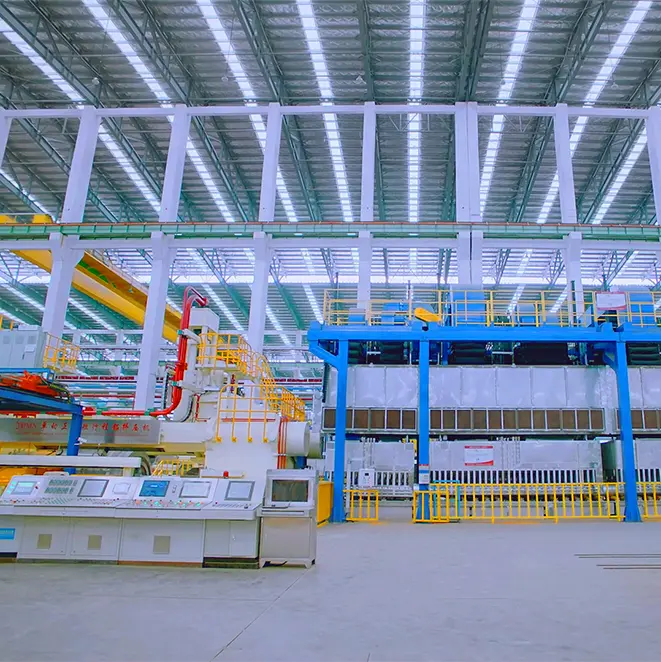
Our operation relies on utilizing premium Fenglu aluminum, a top-tier raw material widely recognized for its purity, mechanical properties, and structural reliability. Supported by advanced extrusion lines ranging from 800T to 20,000T, our facility processes a wide variety of aluminum alloys, including the 1xxx, 2xxx, 3xxx, 5xxx, 6xxx, and 7xxx series. This comprehensive manufacturing capacity allows us to produce complex shaped products with cross-sections measuring up to 1.2 meters in width and 28 meters in length.
These oversized profiles are critical for helideck perimeter construction. They minimize the need for joint connectors, which enhances structural integrity and reduces assembly points that can be vulnerable to marine corrosion. Through precision milling and computerized CNC processing, we deliver products that meet the highest standards of the aerospace, military, medical, and industrial sectors.
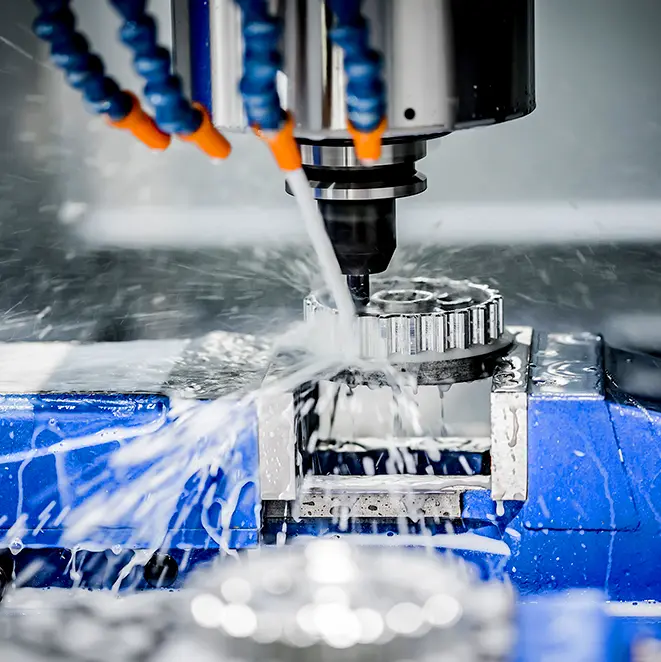
Transforming concepts into structural solutions requires deep engineering expertise. Our team of technicians brings over 15 years of practical experience to every project. This background enables us to review client concepts, identify potential load-bearing issues, and refine designs to meet site-specific requirements before manufacturing begins.
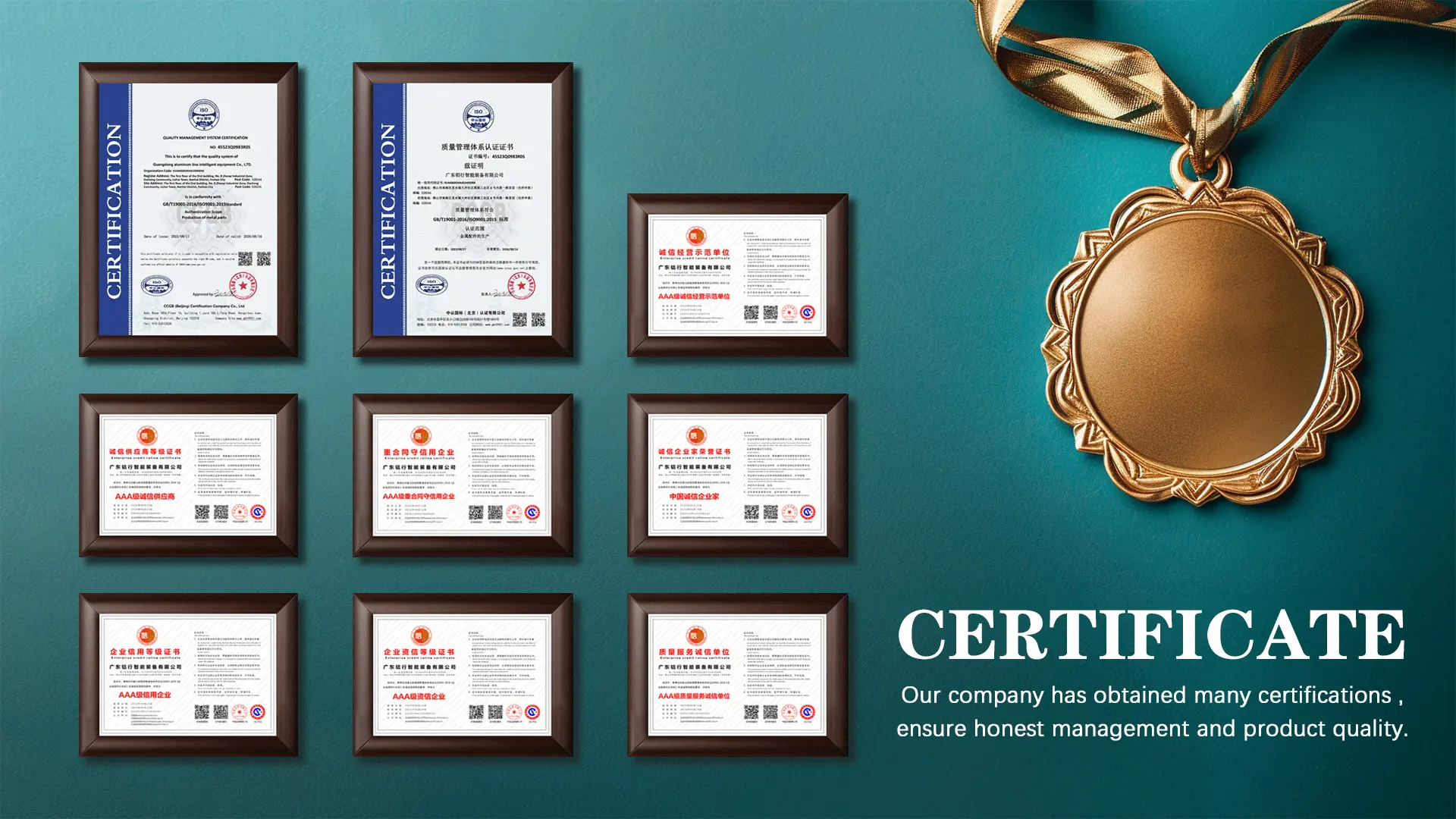
From initial design to final packaging and global shipping, we maintain complete process control. Our dedication to quality is demonstrated by our certification under the GB/T19001-2016/ISO9001:2015 standard. Whether producing perimeter safety nets with manual folding mechanisms or advanced automated electric setups, our manufacturing processes are built to ensure reliability and peace of mind.
Exploring how safety nets and extruded profiles are customized for diverse operational environments.
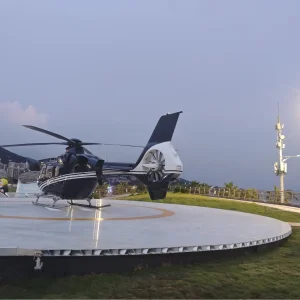
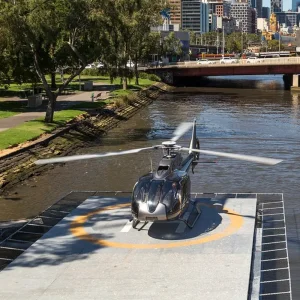
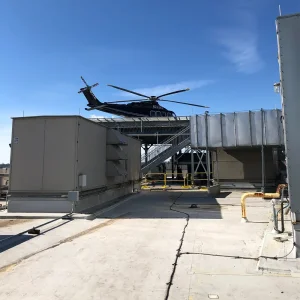
Offshore facilities face challenging weather conditions, including strong winds and salt spray. Our safety nets are made from corrosion-resistant 316 stainless steel wire or marine-grade aluminum framing to deliver long service life in harsh C5-M marine environments. They provide stable perimeter protection without adding unnecessary weight to the platform structure.
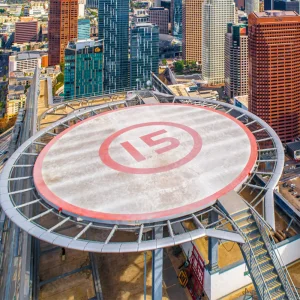
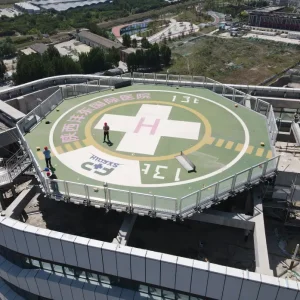
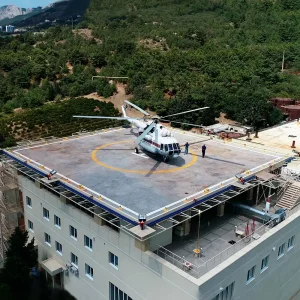
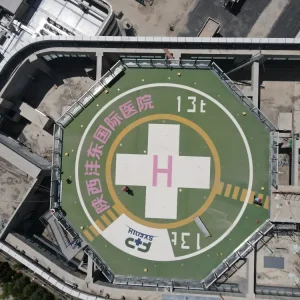
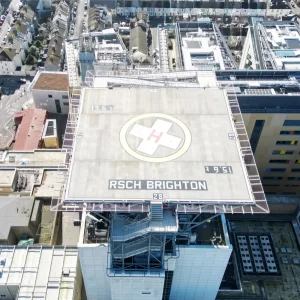
Medical transport requires high safety and reliability. Rooftop helipads must manage wind currents around urban buildings and comply with strict fire safety codes. Our certified aluminum profiles and safety net systems ensure code compliance and structural stability, allowing emergency transport teams to focus on patient care.
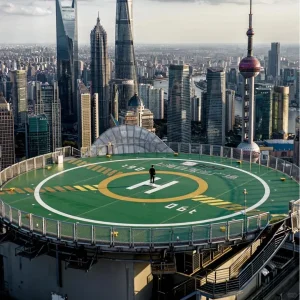
Modern commercial buildings often integrate helipads into their roof designs. These structures require high-strength, lightweight materials that do not compromise the building's structural load limits. Our custom-designed profiles and automated safety systems fold neatly along the building's edge when not in use, keeping the architectural lines clean.
Lvxing Intelligent Equipment brings manufacturing excellence to critical helideck safety installations.

We hold certifications for manufacturing specialized aerospace-grade aluminum, ensuring our raw materials meet high strength and reliability requirements.

Using extrusion lines from 800T to 20,000T, we produce alloys from the 1xxx through 7xxx series, with dimensions up to 1.2m wide and 28m long.

Our engineering team helps clients evaluate designs and identify potential installation issues early, saving time and resources during deployment.
Get answers to common technical, material, and installation questions about helideck perimeter systems.
The primary global standards are defined by the Civil Aviation Authority (CAA) under CAP 437 and ICAO Annex 14. These standards state that perimeter safety nets must extend at least 1.5 meters from the deck edge, withstand a drop energy impact of at least 2.3 kJ, and slope upward to prevent personnel from falling off the deck. Our manufacturing processes align with these safety frameworks.
Marine-grade aluminum alloys, such as the 6xxx series, offer an excellent strength-to-weight ratio, reducing the dead load on vessels or skyscraper structures. In addition, aluminum forms a natural oxide layer that provides high resistance to salt-water corrosion, lowering maintenance requirements compared to steel frame alternatives.
With our extrusion lines ranging from 800T to 20,000T, we can process 1xxx, 2xxx, 3xxx, 5xxx, 6xxx, and 7xxx alloy series. We can manufacture custom shapes with cross-section widths up to 1.2 meters and continuous lengths up to 28 meters, minimizing structural joints for offshore installations.
Yes. Our range includes both manual folding systems and CE-certified electric/automated drive units. These allow operators to lower or raise the perimeter netting remotely from the control bridge, which is particularly useful on marine vessels and luxury yachts.
Our manufacturing and testing processes comply with GB/T19001-2016 and ISO9001:2015 standards. We carry out regular drop testing, load-bearing simulations, and material verification using spectrometer testing to ensure all shipments meet specifications.
 LvXing