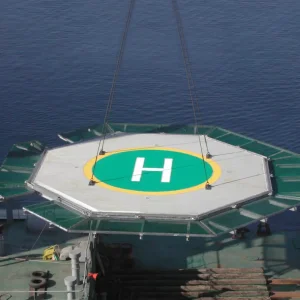
When operating rotary-wing aircraft on rooftop decks, marine vessels, and remote platforms, structural drop protection systems are not optional. This comprehensive engineering guide highlights material characteristics, dynamic load demands, and global manufacturing integration for maximum reliability.
Established in 2015 and located in Foshan City, Guangdong, LvXing Intelligent Equipment Co., Ltd. boasts a skilled R&D team with extensive experience. We leverage exceptional technical expertise to effectively transform customers' ideas into reality, consistently meeting their precise requirements.
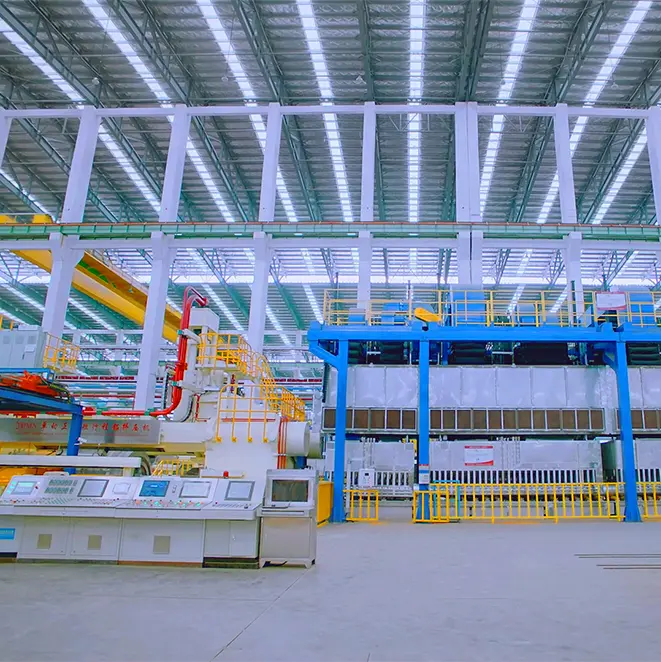
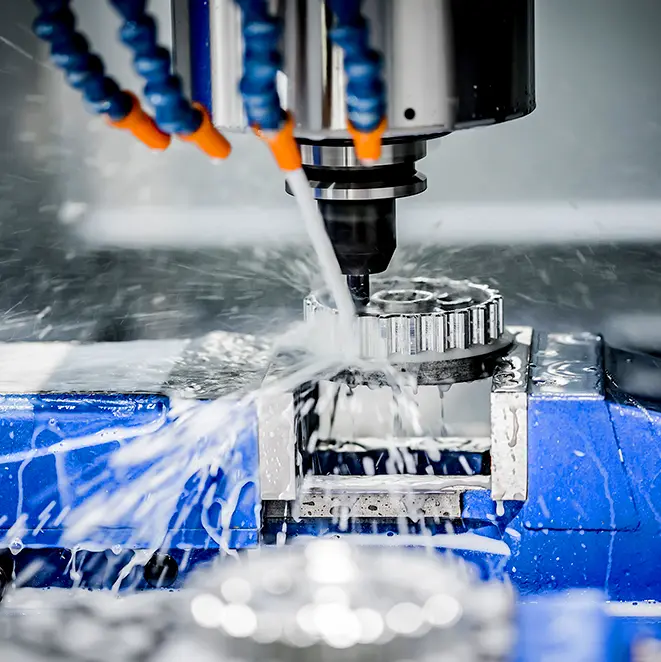
We utilize premium Fenglu aluminum, offering a diverse range of profiles for flexible applications. Our extrusion lines, ranging from 800T to 20,000T, accommodate alloys 1xxx, 2xxx, 3xxx, 5xxx, 6xxx, and 7xxx, allowing us to produce shaped products with section dimensions up to 1.2 meters in width and 28 meters in length. These products are recognized for their precision and meticulous processing, finding broad application in aerospace, military, medical, and industrial sectors.
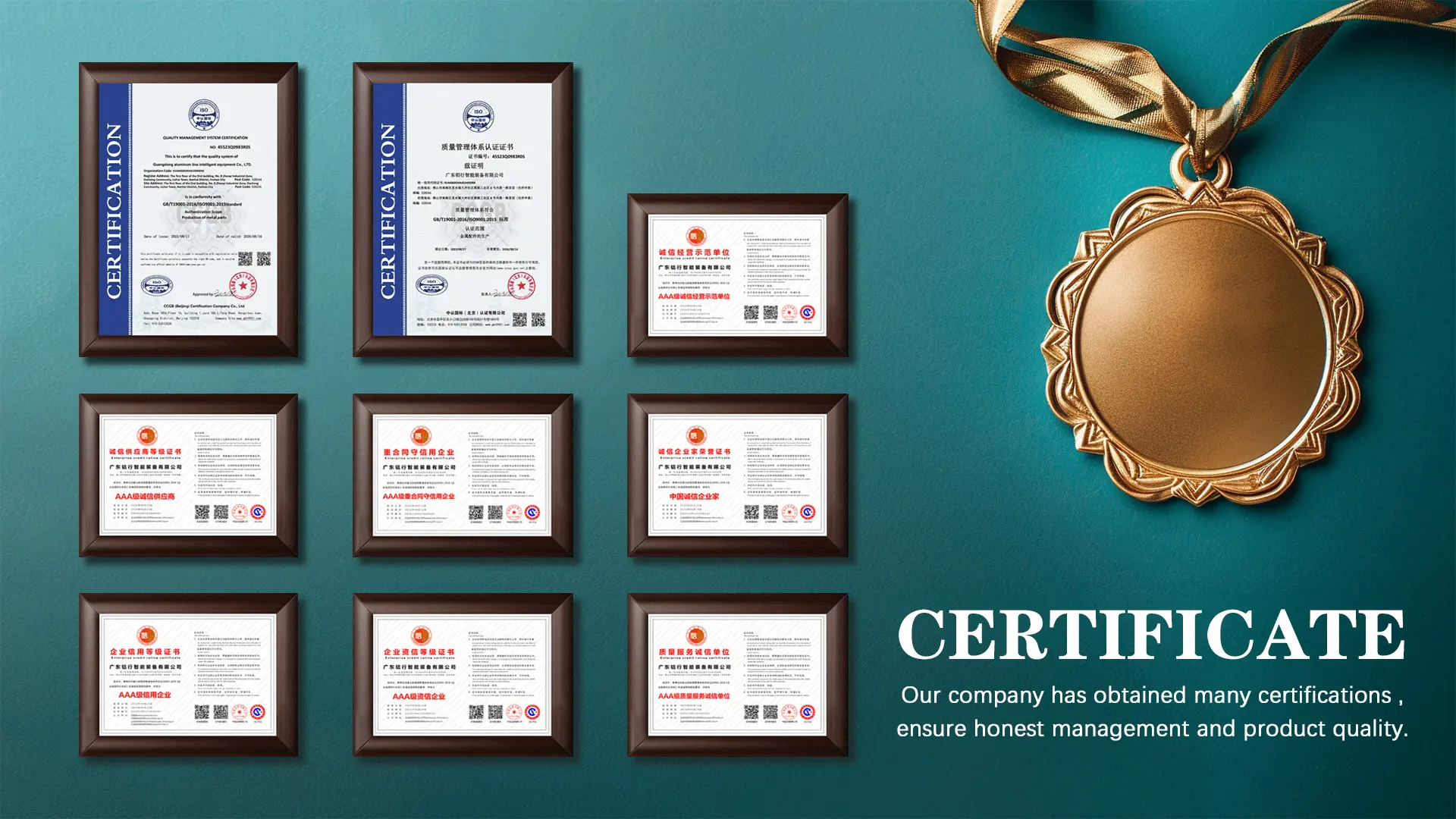
Our commitment to excellence is evident throughout the manufacturing process, rigorous quality control, thorough packaging, and efficient shipping procedures. This dedication has earned us recognition as a national excellent and honest enterprise, along with quality system certification in accordance with GB/T19001-2016/ISO9001:2015 standards.
We have obtained the "Special Aluminium Materials for Aerospace" Certificate.
We provide and utilize high-quality Fenglu aluminum profiles. With extrusion lines ranging from 800T to 20,000T, we can produce alloys 1xxx, 2xxx, 3xxx, 5xxx, 6xxx, and 7xxx. We can manufacture fully shaped products with section dimensions up to 1.2 meters in width or 28 meters in length.
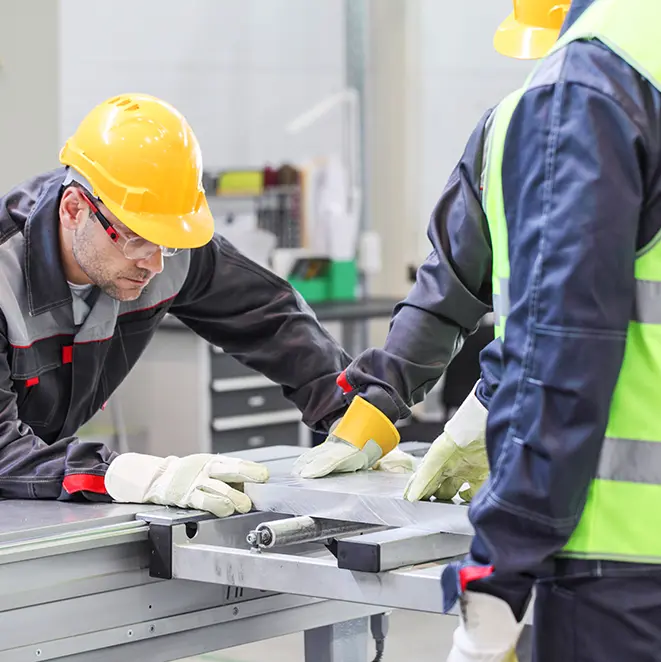
We have a team of technicians with 15 years of invaluable experience. Our deep understanding of customer requirements allows us to identify potential issues and offer practical insights, turning customer ideas into tangible products that meet specific needs.
Extrusion Capability
Max Profile Width
R&D Technical Team
Certified Quality Standard
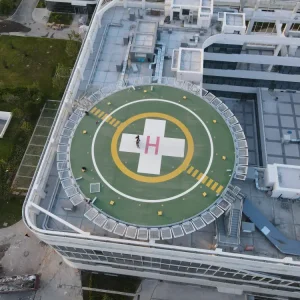
Helipad safety net perimeter systems are subject to strict structural standards enforced by aviation administrations worldwide. The most prominent specifications originate from the Civil Aviation Authority (CAA) Publication CAP 437 (Standards for Offshore Helicopter Landing Areas) and the Federal Aviation Administration (FAA) Advisory Circular AC 150/5390-2C. According to these protocols, a safety net must surround the perimeter of a elevated helipad to prevent personnel from falling, without posing a hazard to flight operations.
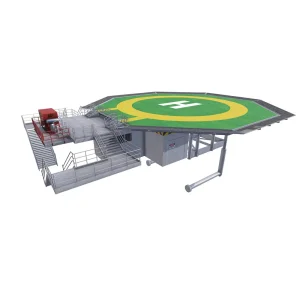
Specifically, CAP 437 outlines that the safety net must extend at least 1.5 meters outwards from the deck edge. The mesh must slope upward slightly (between 2° to 10°) to ensure that if a person falls into the net, they roll inward toward the structure rather than bouncing off or sliding out. Dynamic testing requires safety net structures to withstand a drop impact of a 100 kg mass dropped from a height of 1 meter (an impact energy of 1 kilojoule), simulating a heavy-duty fall without structural failure of the mesh or support frames.
• Width: Minimum 1.5-meter outward projection from the helipad surface limit.
• Angle: Sloped upward at approximately 10 degrees to provide containment velocity.
• Load Capacity: Frame and netting assembly must absorb a minimum drop test impact of 1.0 kJ (or up to 2.3 kJ under rigorous military standards) without breaking or detaching.
• Material Compatibility: Must exhibit extreme resistance to marine corrosion (C5-M environment), high UV index, and high wind velocity loads.
Modern helipad safety net designs rely on high-grade materials to balance strength, weight, and lifetime durability. Currently, two major technical pathways dominate the industry:
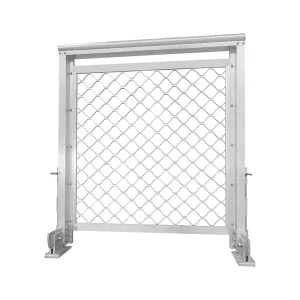
Stainless Steel 316 (SS316) Wire Rope Mesh: Highly favored for offshore oil platforms and naval vessels. Utilizing marine-grade stainless steel cables structured in a diamond knottless pattern, this net provides supreme flexibility and elongation. When a fall occurs, the mesh stretches dynamically to absorb the kinetic energy, transferring minimal stress back to the main helipad subframe. Additionally, SS316 offers excellent resistance to acidic salt mist and galvanic corrosion.
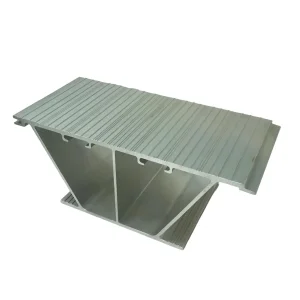
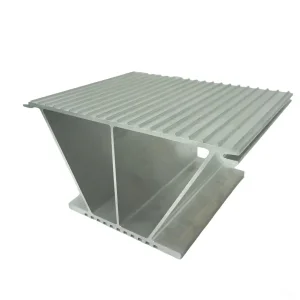
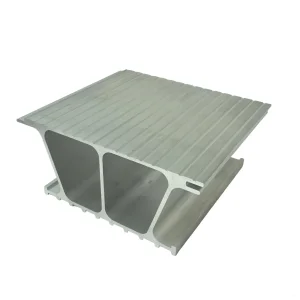
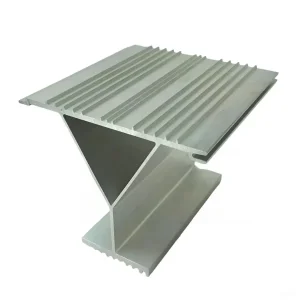
Structural Aluminum Profiles (6000 Series Alloys): The structural framing system holding the safety mesh is ideally manufactured from aerospace and industrial-grade aluminum extrusions. Utilizing 6000 series (6061-T6, 6082-T6, or 6005A-T6) premium aluminum provides the required high yield strength (typically exceeding 240 MPa) coupled with low mass density. Reducing dead load on elevated steel or concrete platforms is critical, particularly on skyscraper roofs and marine vessels, where top-heavy weight distribution directly impacts seismic and wave stability.
6000-series structural alloys engineered to withstand severe wind forces and dynamic helipad loading patterns.
Advanced hard anodizing protection layer (typically 15-25μm thick) prevents saline oxidation and micro-abrasions.
Production meets ISO9001 and specialized aviation requirements, ensuring complete material traceability.
Perimeter safety netting designs must adapt to unique environments. A universal safety net solution does not exist; structural parameters must align with operational requirements:
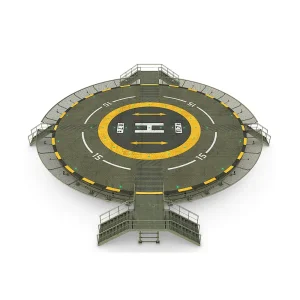
Offshore Energy & Marine Operations: Marine vessels, FSO, FPSO, and jack-up drilling rigs face constant exposure to salt spray, humidity, and wave movements. The safety net structure must feature high-durability SS316 cable netting coupled with marine-grade aluminum frame configurations. Dynamic flexing of the helipad deck during ship movements requires flexible, bolted connection systems rather than rigid welds to prevent metal fatigue cracks over time.
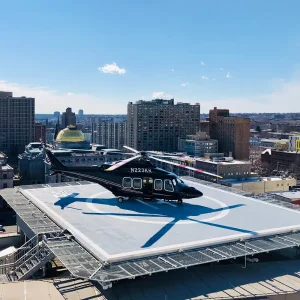
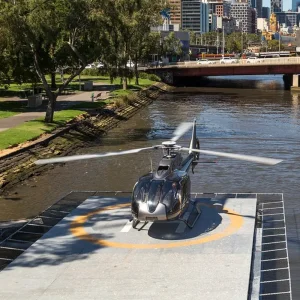
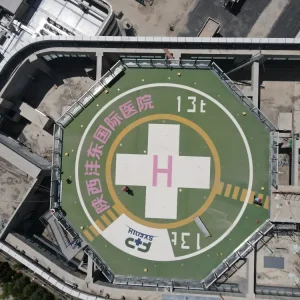
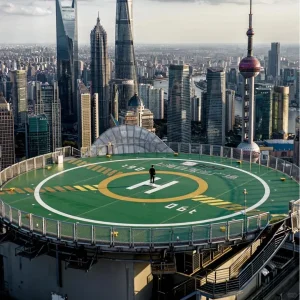
Urban Rooftop & Hospital Helipads: Elevated rooftops in urban centers encounter complex wind turbulence and thermal updrafts from high-rise buildings. Roof safety net designs require a low wind coefficient drag. Safety net profiles must allow wind passage freely without creating whistling noises or structural resonance. For hospitals, aesthetic styling and fire protection are additionally critical, requiring the safety system to integrate seamless lighting channels (e.g. LED perimeter markers) and quick-folding mechanisms for maintenance access.
Military & Naval Logistics: Naval helidecks require highly impact-resistant perimeter configurations capable of absorbing severe combat forces and crash forces of larger heavy-lift aircraft (such as Boeing CH-47 Chinook or Sikorsky CH-53E Super Stallion). The engineering must feature non-glare coatings to prevent reflection interference with Night Vision Goggles (NVG) and marine-safe structural hinges for fast deck clearing.
Sourcing helipad safety systems from an advanced Chinese manufacturing facility offers distinct technical advantages. Leveraging state-of-the-art manufacturing hubs (such as Foshan, Guangdong) provides end-to-end process integration from primary metallurgy to final system packaging.
Lvxing’s production facility houses massive extrusion lines ranging from 800 Tons to 20,000 Tons. This wide spectrum of pressing capability allows the factory to manufacture ultra-long, seamless profiles (up to 28 meters in length and 1.2 meters in section width). Large, single-piece profile shapes minimize structural weak points typically introduced by welding and splicing, drastically boosting structural load limits.
Furthermore, China’s industrial ecosystem ensures tight quality control. From alloy formulation (1xxx to 7xxx series) to advanced surface treatments (chemical polishing, anodizing, powder coating), every stage is completed under one supply chain loop. This tight integration ensures strict compliance with ISO9001:2015 standards, shortens lead times by up to 40% compared to Western manufacturers, and provides complete raw material traceability certificates essential for high-risk offshore installations.
Procuring helipad safety net assemblies involves strict quality vetting. Global procurement managers should evaluate suppliers against the following mandatory criteria:
Aviation Compliance Validation: Ensure the safety net manufacturer holds official certifications confirming that the design conforms to CAP 437 and FAA specifications. Request validated test reports detailing the dynamic drop test procedure (100 kg weight impact energy test).
Material Traceability: Insist on Mill Test Certificates (MTC) for all aluminum profiles and stainless steel wires. This verifies chemical composition (specifically Nickel, Chromium, and Molybdenum levels for SS316 and Silicon-Magnesium ratios for 6061-T6 aluminum) to guarantee corrosion resistance and tensile values.
Engineering Adaptability: Vetting the R&D engineering department is crucial. The supplier must demonstrate proficiency in modeling custom designs (CAD/BIM files) to integrate with the main deck. Custom bracketry, hinge systems, and deck interface nodes must be customized to prevent galvanic corrosion when dissimilar metals (e.g. steel decks and aluminum net frames) interface.
As aviation operations evolve, safety systems are transitioning from passive barrier protection to active monitoring systems. The future of helipad safety net design focuses on three key innovations:
Smart Stress Sensor Integration: Integrating fiber-optic Bragg grating (FBG) or piezoelectric strain sensors within the safety mesh cables and mounting brackets. These sensors provide real-time telemetry on structural stress. If high winds or helicopter rotor downwash place extreme loads on the net, operators receive immediate warnings. The system can also log dynamic load impacts, signaling maintenance crews to inspect the structure immediately following any accidental impact.
Environmentally friendly & Non-Reflective Materials: Integrating advanced polymers and ceramic-metallic matrix coatings. These coatings reduce structural weight while absorbing infrared radiation, preventing heat signatures from interfering with thermal imaging cameras and advanced aircraft navigation arrays during low-visibility landings.
Modular, Quick-Deploy Folding Mechanisms: Developing pneumatic or automated hydraulic hinge systems that allow rapid folding and unfolding of the safety net system from the control room. This is extremely beneficial for naval warships and urban skyscrapers facing immediate weather events or requiring rapid clearance of the landing zone for larger military aircraft.
According to CAP 437, safety nets must project at least 1.5 meters outwards from the landing deck perimeter. The outer edge of the net must not rise above the level of the landing area, and it should slope upward at approximately 10 degrees to safely contain falling personnel.
We source raw materials from premium Fenglu aluminum. Our manufacturing process conforms to ISO9001:2015 quality control systems, and our facility is capable of extruding profiles up to 1.2 meters wide on our 20,000T press line, ensuring seamless structural integrity.
A safety net combining SS316 mesh with anodized 6000-series aluminum frames has a design life exceeding 15 to 20 years, even in harsh marine offshore C5-M environments, provided standard inspections and annual washdowns are performed.
Yes. Our R&D engineering team has 15 years of technical experience. We supply custom CAD drawings and structural calculations to fit skyscraper rooftops, marine vessels, naval deck outlines, and hospital helidecks.
A drop test involves dropping a compact 100 kg weight from a height of 1 meter onto the center of the installed safety net section. The frame and mesh assembly must successfully absorb the 1 kJ impact without structural failure or detachment.
Yes. The structural mesh profile design features a low wind-drag coefficient, allowing high-velocity winds to pass through. Additionally, the high yield strength of our 6000-series structural frames is calculated to withstand wind loads exceeding 60 m/s.