Explore our state-of-the-art aluminum profile lines and perimeter safety systems, certified to international maritime and aviation standards.
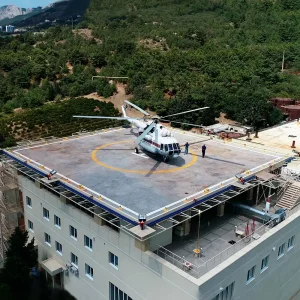
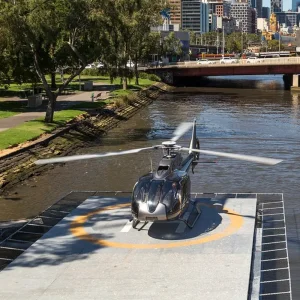
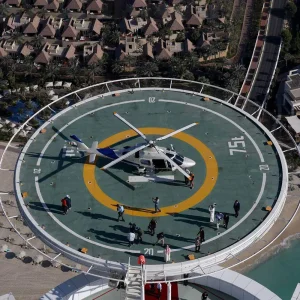
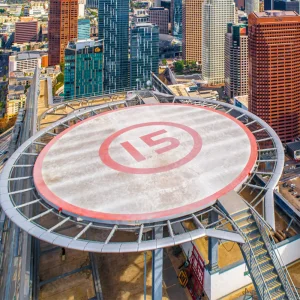
As modern metropolitan layouts continuously push upward, urban aerial mobility (UAM) and critical emergency services require highly engineered helicopter landing zones directly integrated into skyscraper envelopes. Multi-story building helidecks are no longer simple concrete slabs; they are complex, suspended engineering networks designed to absorb extreme dynamic load, repel massive wind shear, and guarantee the absolute safety of structural facilities below and flight operations above.
This document details the materials science, engineering protocols, and safety net integrations mandated for high-density multi-story architectural environments. Utilizing the highest structural tolerances achieved through advanced aerospace-grade aluminum extrusion technology, we explore how modern manufacturing satisfies both rigorous civil aviation safety rules and structural longevity parameters.
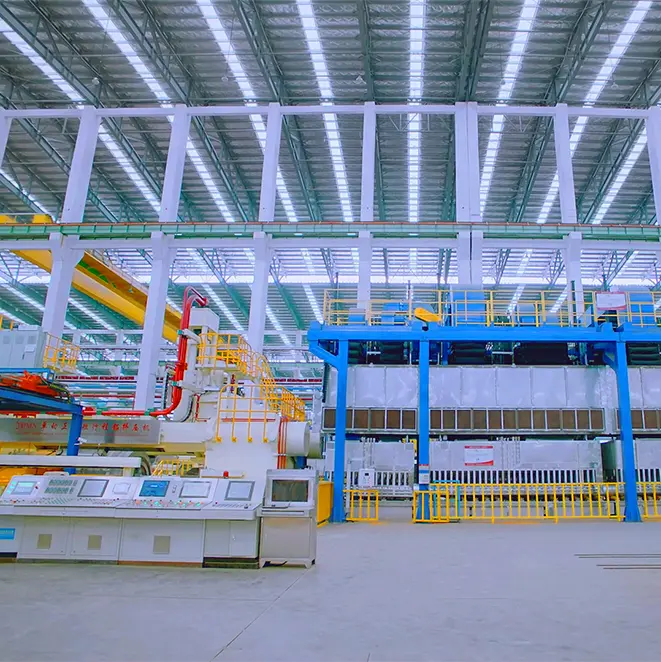
Established in 2015 and located in Foshan City, Guangdong, LvXing Intelligent Equipment Co., Ltd. has grown to become a benchmark manufacturer specializing in premium structural aluminum solutions. Powered by a seasoned R&D division, we convert advanced conceptual specifications into reality, tailoring products precisely to heavy industrial, marine, and aviation engineering demands.
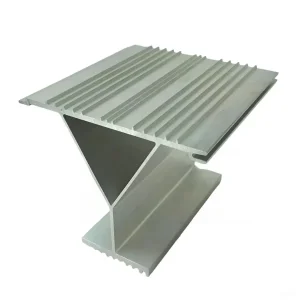
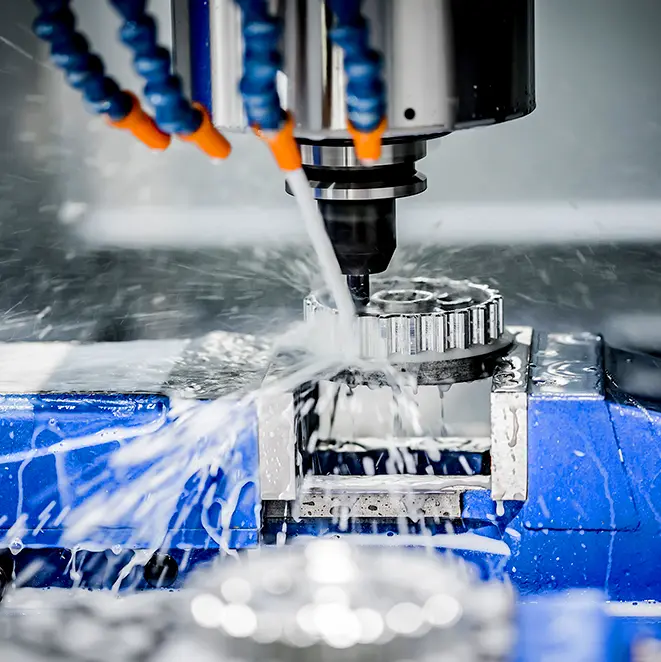
We work exclusively with elite raw inputs, leveraging premium Fenglu aluminum to produce structural components capable of withstanding extreme environmental stresses. Our industrial capacity features extrusion lines ranging from 800T to 20,000T. This enables us to process high-performance alloys including the 1xxx, 2xxx, 3xxx, 5xxx, 6xxx, and 7xxx series. We regularly output monolithic profiles measuring up to 1.2 meters in width and 28 meters in length, eliminating unnecessary splice joints to ensure maximum structural integrity.
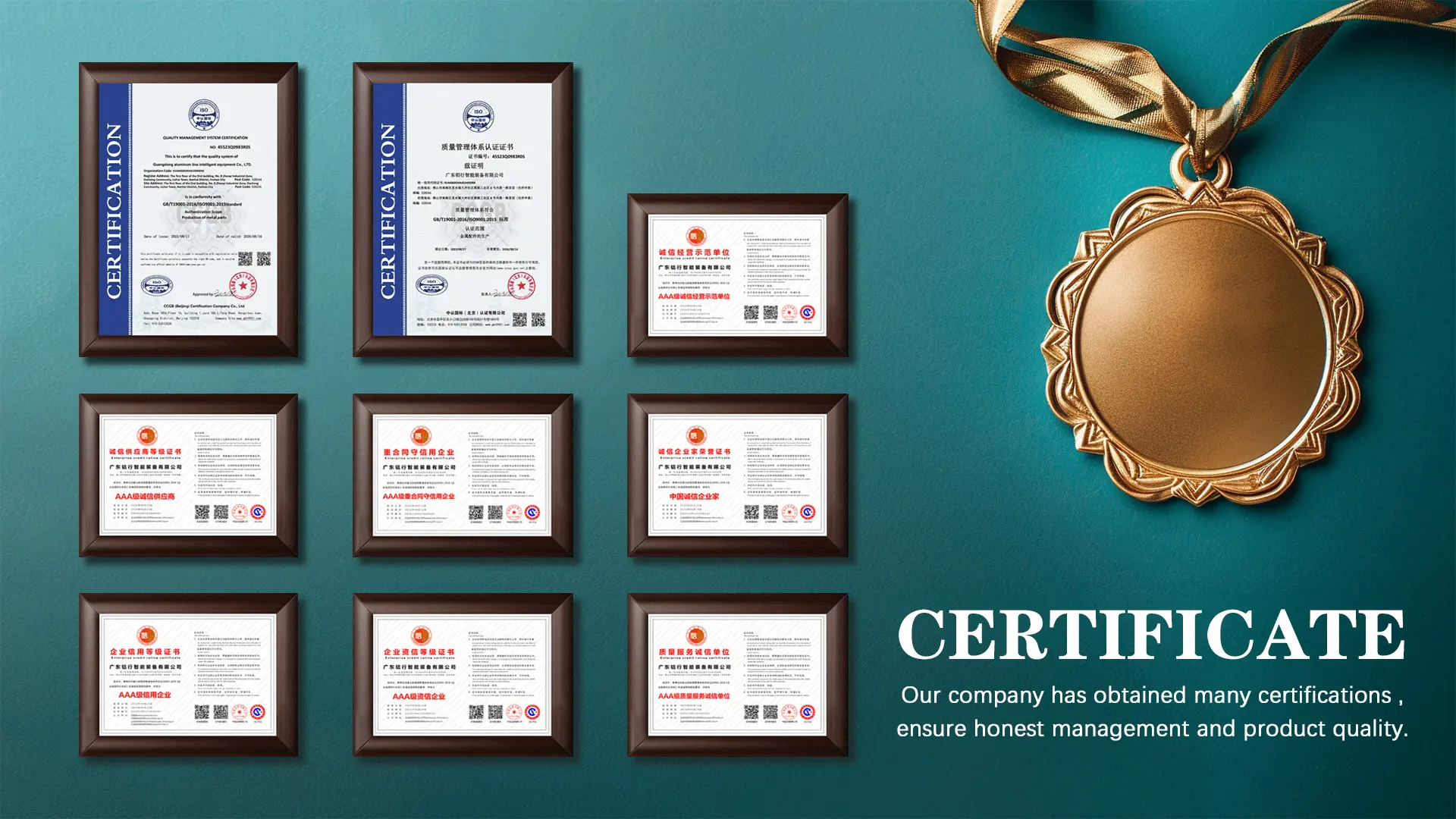
Our commitment to excellence is evident throughout the manufacturing process, rigorous quality control, thorough packaging, and efficient shipping procedures. This dedication has earned us recognition as a national excellent and honest enterprise, along with quality system certification in accordance with GB/T19001-2016/ISO9001:2015 standards.
Navigating compliance standards across civil aviation, maritime authority, and municipal structural building safety rules.
Governing offshore and high-altitude rooftop helidecks. Specifies that perimeter safety nets must be composed of materials that will not degrade under solar UV rays and must withstand a drop load of at least 122 kg from a height of 1 meter without structural tearing.
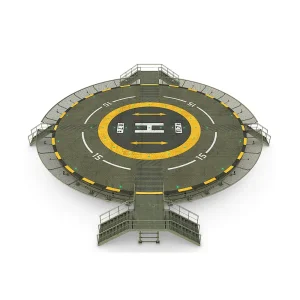
Requires all elevated helidecks to possess a comprehensive safety netting layout projecting outwards by at least 1.5m to 2.0m. The net must slope upwards at an angle of 10 degrees to prevent fall-through scenarios while maintaining clearance from helicopter rotors.
Dictates the mechanical mesh tensile capabilities and framing stress resistance for structural fall protection nets. Our aluminum helideck nets strictly adhere to these criteria, providing certified impact-bearing properties.
In high-density urban zones, multi-story buildings must support complex logistics. The structural choice of landing deck materials impacts building dead load calculations. Our all-aluminum landing platforms reduce the dead weight on building columns by up to 60% compared to traditional reinforced concrete alternatives, making them the preferred choice for retrofits and modern structural projects.
Our partnership with Fenglu ensures access to the highest-grade primary billets. While steel systems suffer from severe salt spray oxidation and structural aging, aluminum alloys form a natural passivation oxide layer. This is further enhanced through architectural-grade anodization and powder coatings.
By using extrusion presses up to 20,000T, we can control grain boundary structures in high-strength 6000-series (6061-T6, 6082-T6) and aerospace-grade 7000-series alloys. This results in superior yield strength under sudden dynamic loads, such as heavy structural landings or emergency landings.
Whether you require profiles to construct the main load-bearing landing grid or need customized, corrosion-proof wire mesh components for maritime platforms, our in-house metallurgical and engineering staff are certified to provide detailed structural calculations and load distribution analysis.
| Material Specification | Yield Strength (MPa) | Corrosion Resistance | Dead Weight (kg/m²) | Typical Service Life |
|---|---|---|---|---|
| 6082-T6 Structural Aluminum Alloy (Lvxing Engineered) | 260 - 310 | Exceptional (Passivated & Anodized) | 45 - 65 | 30+ Years (Zero Maintenance) |
| Mild Structural Steel (Q355) (Galvanized) | 355 | Moderate (Requires frequent paint cycles) | 120 - 150 | 10 - 15 Years (Rust risk) |
| Reinforced Concrete (Standard Rooftop Construction) | N/A (Comp: 30-40) | Porous (Susceptible to cracking & water entry) | 350 - 500 | Structural deterioration under weathering |
Why structural engineers and global builders trust LvXing for critical heliport safety infrastructure.
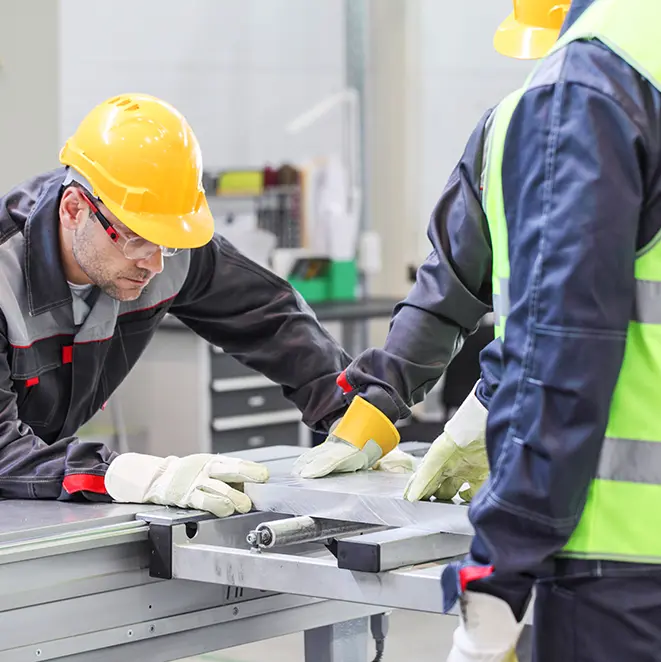
We have obtained the prestigious "Special Aluminium Materials for Aerospace" Certificate. This verifies that our manufacturing processes, material tracing, and quality controls meet strict aerospace safety standards.

Our manufacturing facility features highly versatile extrusion equipment. We supply multi-story structural profiles measuring up to 1.2 meters in width or 28 meters in length, using high-performance alloys including the 1xxx to 7xxx series.

Our dedicated technical team has over 15 years of experience in structural design. This deep understanding of customer requirements allows us to identify potential design issues early and provide practical solutions to ensure project safety.

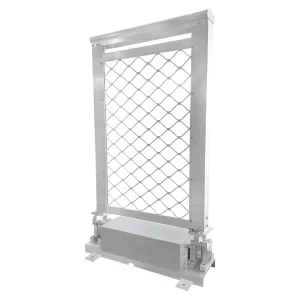
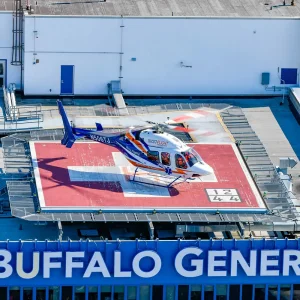
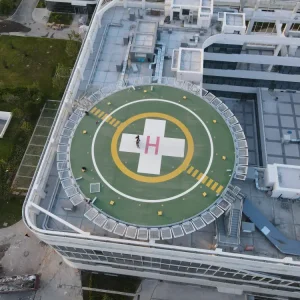
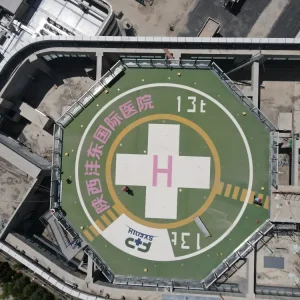
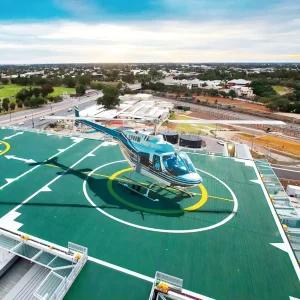
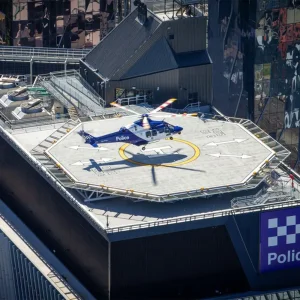
For modern multi-story buildings, such as emergency hospital helipads and police rooftop facilities, physical footprint flexibility is critical. Our motorized and electric safety nets deploy or retract at the touch of a button or automatically in response to helideck wind sensors.
When retracted, the nets fit flush with the structural perimeter, ensuring they do not interfere with architectural aesthetics or rescue operations. Upon activation, they extend to form a secure barrier compliant with CE Certification and CAP 437 safety regulations.
Constructed with high-strength aluminum alloy structural components and marine-grade stainless steel cables, these systems provide reliable fall protection for ground crew and flight personnel in all weather conditions.
Technical answers regarding local building compliance, structural installation, and procurement specifications.
Browse our complete product range, featuring specialized structural extrusions and hospital helipad systems.
 LvXing