Premium structural profiles and safety setups engineered for high-stress aerospace, marine, and commercial infrastructure installations.
The global push for decarbonization and electrification has put intense focus on the efficiency and power density of rotating electric machines. Traditional motor designs relying on silicon steel laminations are increasingly reaching physical limits in high-speed, high-frequency, and multi-dimensional magnetic flux applications. This is where Soft Magnetic Composite (SMC) Rotor Motor Segment Cores present a technological breakthrough.
By using iron powder particles coated with a micro-thin, electrically insulating layer, SMC materials allow three-dimensional (3D) isotropic magnetic paths. Unlike traditional steel sheets that only conduct magnetic flux in a 2D plane, SMC rotor segments allow motor designers to optimize the flux loop dynamically, giving rise to revolutionary motor designs such as axial flux motors, claw-pole machines, and high-density transverse flux motors.
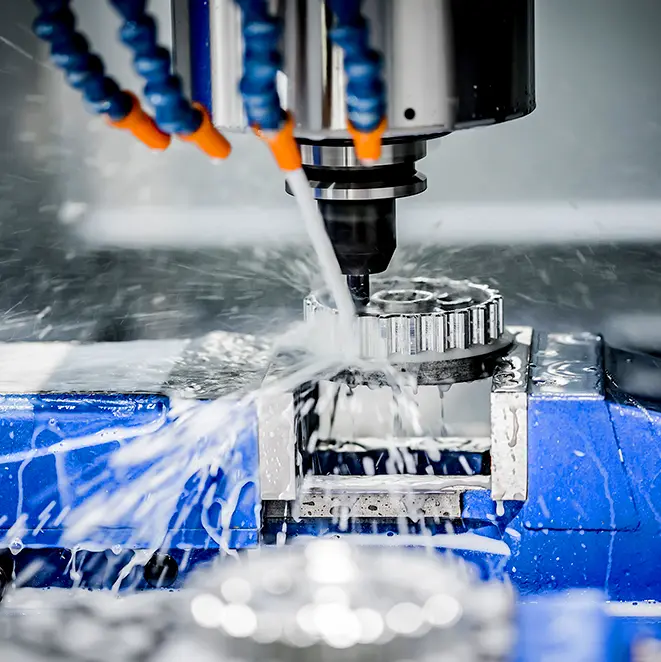
Established in 2015 and located in Foshan City, Guangdong, LvXing Intelligent Equipment Co., Ltd. boasts a skilled R&D team with extensive experience. We leverage exceptional technical expertise to effectively transform customers' ideas into reality, consistently meeting their precise requirements.
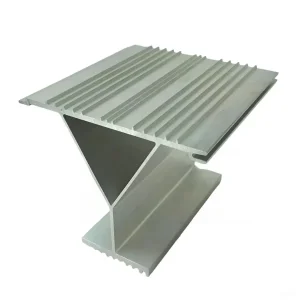
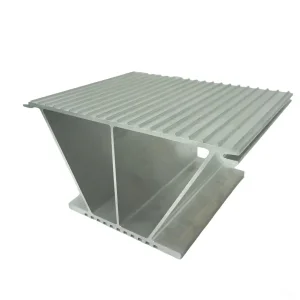
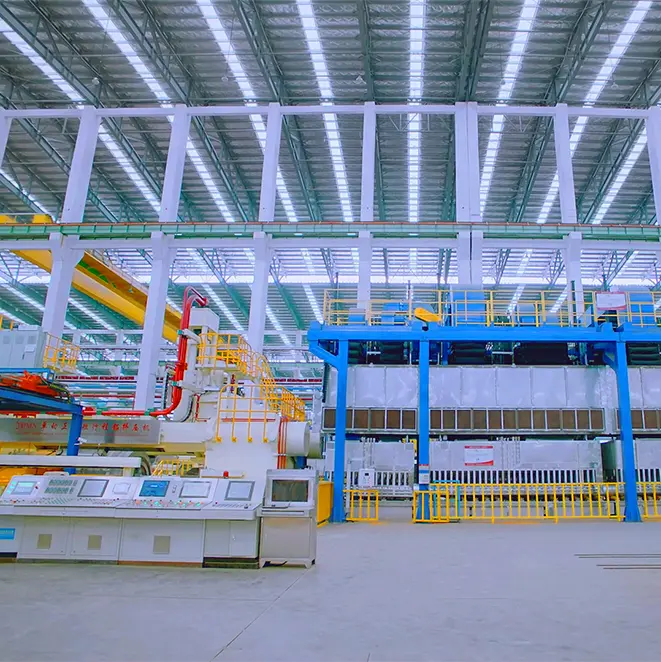
We utilize premium Fenglu aluminum, offering a diverse range of profiles for flexible applications. Our extrusion lines, ranging from 800T to 20,000T, accommodate alloys 1xxx, 2xxx, 3xxx, 5xxx, 6xxx, and 7xxx, allowing us to produce shaped products with section dimensions up to 1.2 meters in width and 28 meters in length. These products are recognized for their precision and meticulous processing, finding broad application in aerospace, military, medical, and industrial sectors.
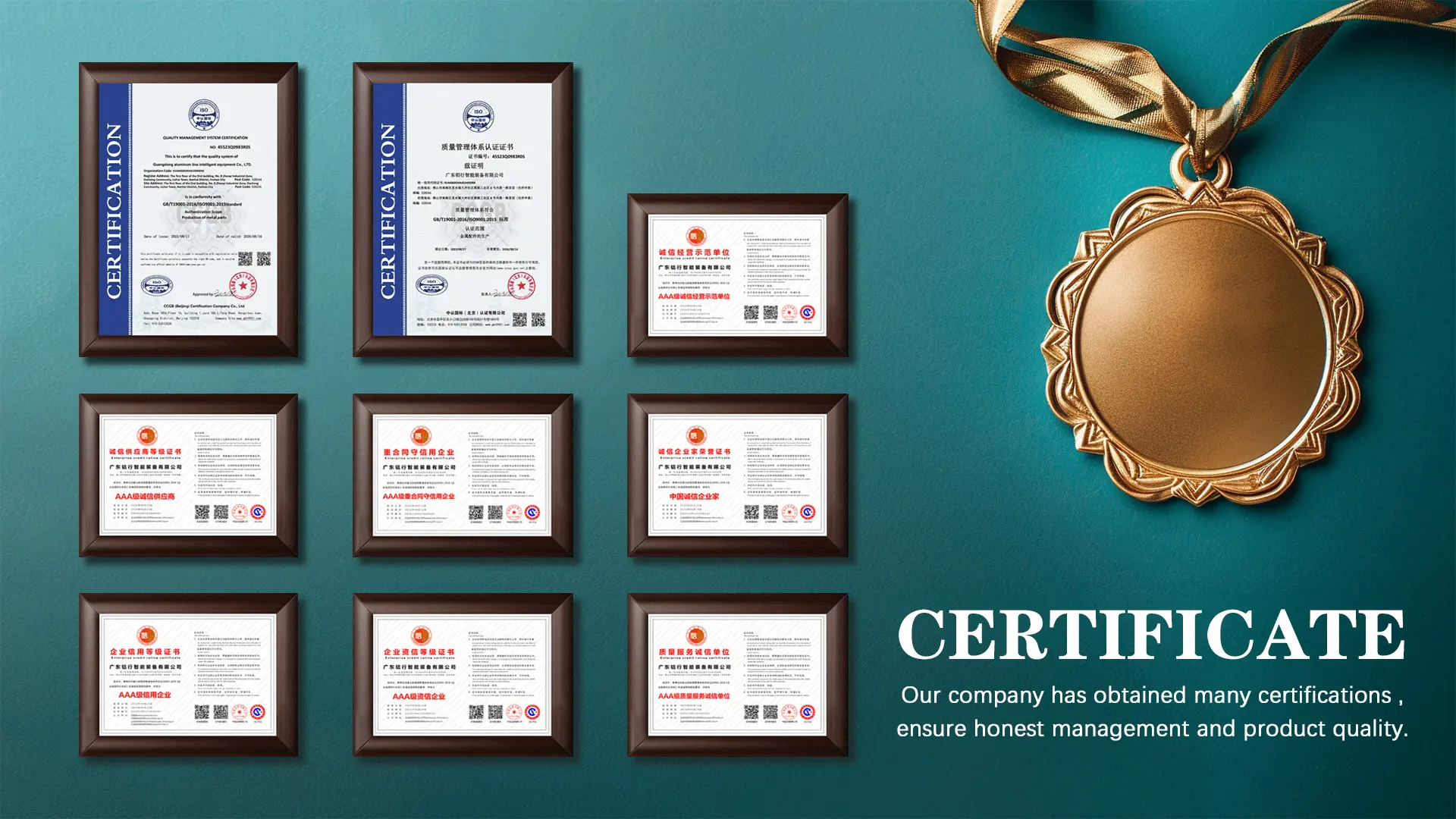
By blending our advanced mechanical structural engineering with next-generation material integrations, we bridge the gap between high-strength structural enclosures (such as helipad profiles) and advanced electromagnetic housings. Our commitment to excellence is certified in accordance with GB/T19001-2016 / ISO9001:2015 quality system standards, ensuring that every profile and customized component matches exact aerospace tolerances.
How leading industrial enterprises evaluate soft magnetic composite suppliers to maintain cost structures and engineering edges.
With electric vehicles (EVs) and electric vertical takeoff & landing (eVTOL) aircraft demanding lighter weight and higher torque density, axial flux motors are surging in demand. Custom-shaped SMC rotor segment cores are critical elements to unlock this architecture, allowing dense coils and optimized flux paths.
Global regulations like IE4 and IE5 motor standards are pushing industrial machinery manufacturers to abandon high-loss materials. Custom SMC cores reduce high-frequency core losses, helping manufacturers achieve Tier-1 efficiency compliance effortlessly.
Procurement teams are shifting away from single-source dependencies. Partnering with ISO-certified Chinese manufacturing hubs that provide raw material control (like premium-grade powders and alloys) ensures reliable delivery schedules and consistent chemical properties.
Precision electromagnetic cores cannot exist in isolation; they rely on advanced alloy structures, cooling channels, and light-weight structural frames to deliver peak performance. Our factory leverages Foshan's premier industrial ecosystem, utilizing Fenglu aluminum and our massive 800T to 20,000T extrusion lines to manufacture high-strength alloy housings. This provides a unified supply chain where the magnetic core segments and structural housings are designed and engineered in parallel.
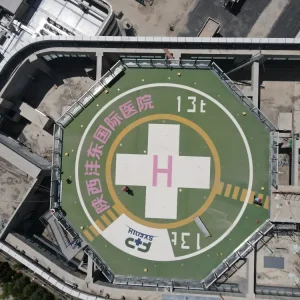
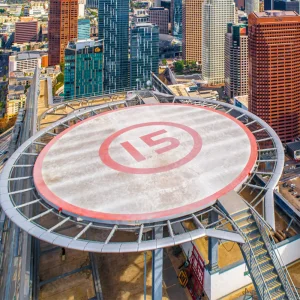
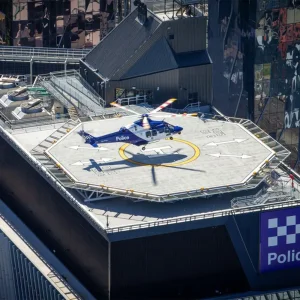
By adopting Industry 4.0 automated press molding and high-precision CNC post-processing, we maintain strict dimensional controls. This reduces structural air gaps, ensuring maximum electromagnetic coupling and reliability in heavy-duty environments like aircraft rooftop helipads, wind turbine systems, and medical imaging devices.

A detailed comparison highlighting where SMC segment cores offer distinct advantages in design flexibility and power density.
| Performance Characteristic | Traditional Laminated Steel (2D) | Soft Magnetic Composite (SMC 3D) | Engineering Benefit |
|---|---|---|---|
| Magnetic Flux Path | Strictly 2D (Planar) | 3D Isotropic | Enables axial flux, transverse flux, and compact claw-pole motor designs. |
| Eddy Current Losses | High at high frequencies (>400 Hz) | Very low at high frequencies | Maintains motor efficiency in high-rpm powertrains and high-speed pumps. |
| Net-Shape Manufacturing | Requires blanking, punching, and stacking | Direct powder compaction & sintering | Reduces raw material scrap (near zero waste) and lowers cost. |
| Copper Winding Density | Limited by slot opening punch geometries | Highly customizable teeth/segments | Allows tighter, optimized winding packing factors for higher torque. |
| Mechanical Density | 7.6 - 7.85 g/cm³ | 7.2 - 7.55 g/cm³ | Lighter rotating mass, critical for aviation and aerospace systems. |
From structural aerospace helipads to extreme-environment electric motors, our products perform where reliability is non-negotiable.
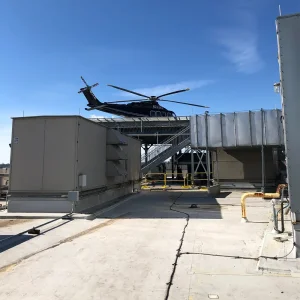
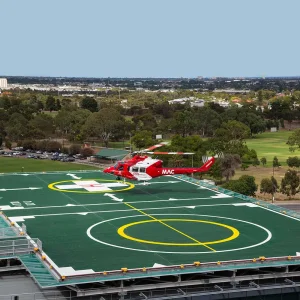
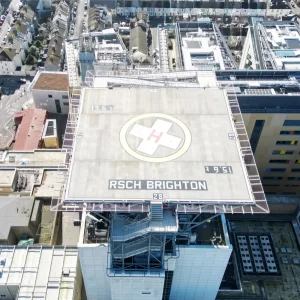
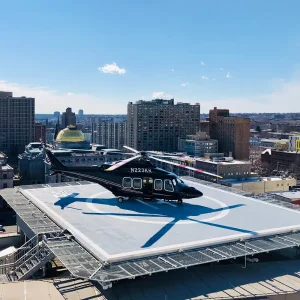
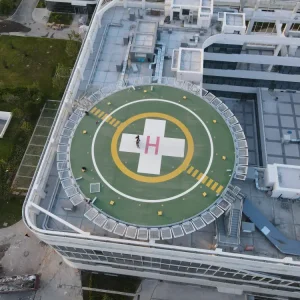
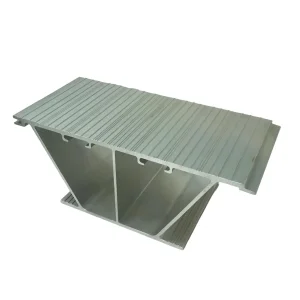
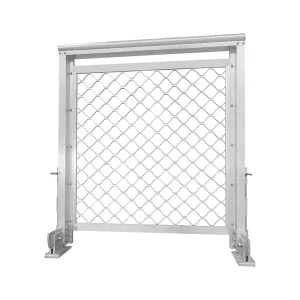
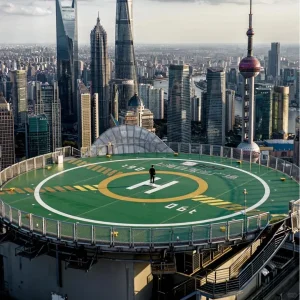
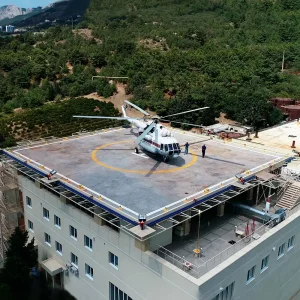
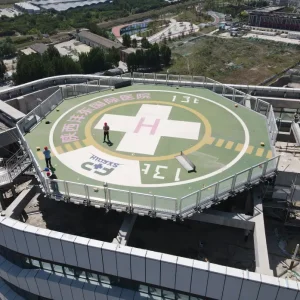
Leveraging high-strength Fenglu aluminum profiles and strict certifications, our structural assemblies support critical emergency medical operations. These helipads are engineered with precision mesh, aluminum decks, and vibration-dampening structures to guarantee absolute safety under high load.
Advanced axial and transverse generator segment cores manufactured from SMC allow wind turbine components to shrink in footprint. Co-designed with our high-strength profiles, these assemblies withstand aggressive marine environment offshore corrosion.
Our "Special Aluminium Materials for Aerospace" certificate validates our ability to design and manufacture components that survive extreme g-forces, high thermal cycling, and intense electromagnetic stress profiles.
Get professional answers about Soft Magnetic Composite (SMC) rotor segment design, manufacturing tolerances, and sourcing capabilities.
SMC components offer 3D isotropic magnetic properties, very low eddy current losses at high operating frequencies, and high design flexibility. They allow for the manufacturing of complex, compact 3D geometries (such as axial flux teeth and segment cores) through powder metallurgy, reducing copper waste and optimizing motor assembly time.
High-performance electric motors require precise structural enclosures and liquid-cooling cooling jackets. Using premium alloys (like Fenglu 6xxx/7xxx series) extruded through our 800T to 20,000T lines, we supply structural casings that feature high thermal conductivity, light weight, and tight dimensional tolerances, protecting the SMC cores within.
Our manufacturing processes are certified under the GB/T19001-2016/ISO9001:2015 quality standards. Additionally, we hold the "Special Aluminium Materials for Aerospace" certificate, validating our engineering expertise for defense, aerospace, and high-safety medical applications.
Yes. We specialize in custom R&D. Leveraging 15 years of technical expertise, our team reviews customer drawings, simulates thermal/structural tolerances, recommends the ideal powder composite or alloy grade (1xxx through 7xxx series), and provides tailored price quotes for tooling and mass production.
While SMC has slightly lower tensile strength than solid laminated steel sheets, we solve this by utilizing custom-designed high-strength aluminum containment cages or rotor support structures. This hybrid design ensures the assembly tolerates high centrifugal forces during high-speed motor rotation.
Standard tooling for custom profiles and compacted SMC cores ranges between 3 to 5 weeks depending on geometry complexity. Once tooling is validated, prototype batches are processed with rapid cycle times, backed by our large-scale extrusion capacities in Guangdong.
Browse our global inventory of high-strength structural profiles, rooftop helipads, and custom perimeter safety meshes.
 LvXing