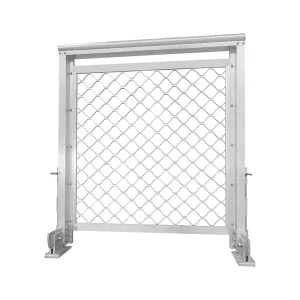
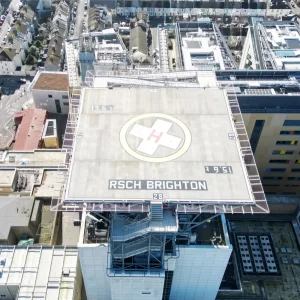
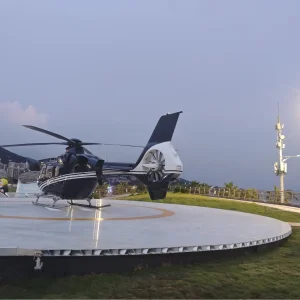
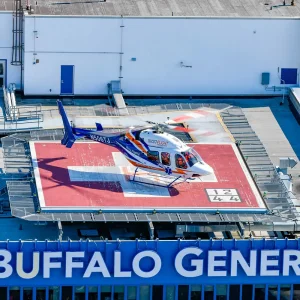
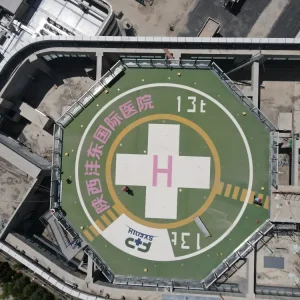
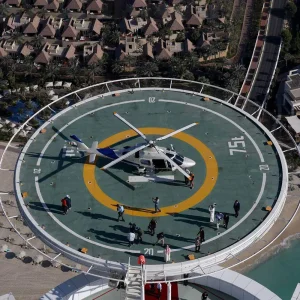
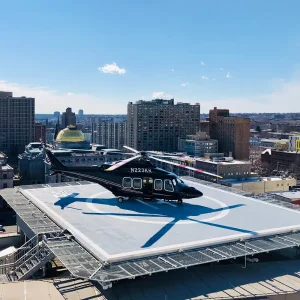
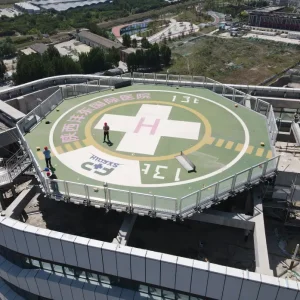
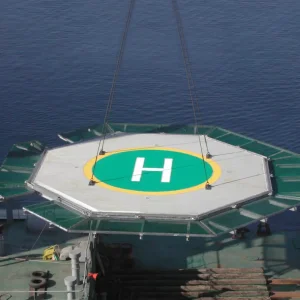
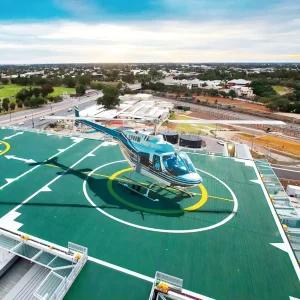
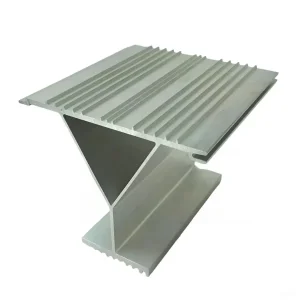
Explore our engineering portfolio, including dynamic safety netting, custom aluminum helideck extrusions, and certified perimeter safety frames.
Established in 2015 and strategically located in Foshan City, Guangdong Province, LvXing Intelligent Equipment Co., Ltd. has grown to become a global pioneer in advanced aluminum structure manufacturing and structural engineering solutions. Equipped with a high-caliber R&D group and a state-of-the-art smelting, extrusion, and machining matrix, we transform sophisticated design concepts into highly reliable physical assets.
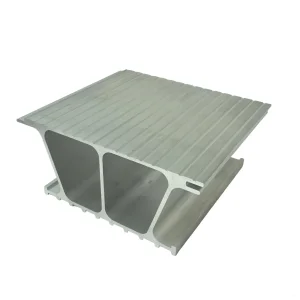
We work in strategic partnership with Fenglu Aluminum, using premium-grade raw billets to supply structural helideck profiles for critical defense, marine, civil, and medical aviation markets. Our manufacturing facility processes dynamic alloy groups including 1xxx, 2xxx, 3xxx, 5xxx, 6xxx, and 7xxx series on robust extrusion lines ranging from 800T to 20,000T capacity. This lets us produce fully-integrated, structural profiles with section dimensions reaching up to 1.2 meters in width and 28 meters in length.
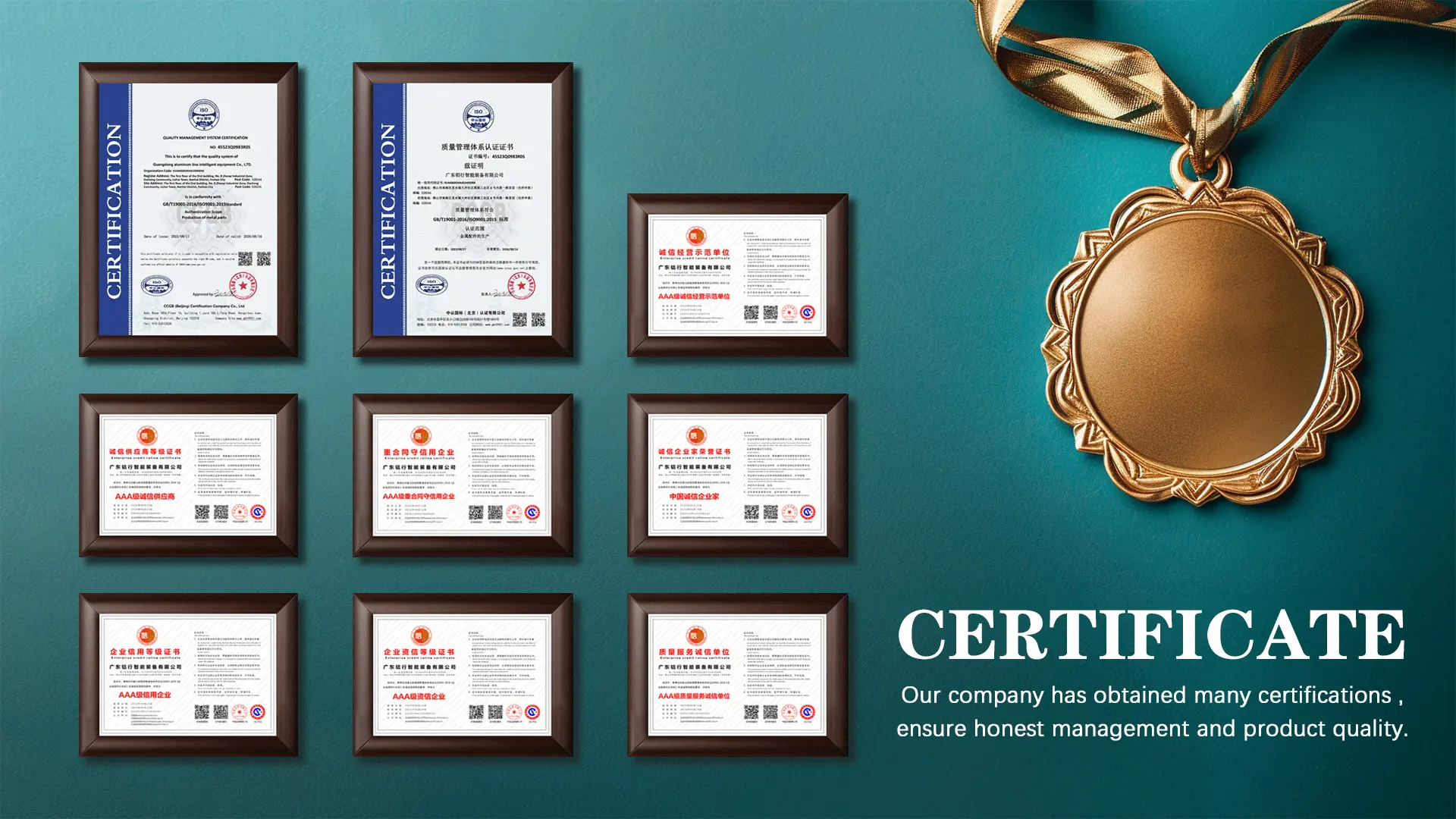
Lvxing operates in strict compliance with the GB/T19001-2016/ISO9001:2015 international quality standards. From structural calculations and stress tests to precise surface treatments, we ensure that every tower heliport safety netting system and support platform complies with global aerospace regulations.
An in-depth analysis of evolving safety frameworks, material science advancements, and global standardizations governing helipad perimeter safety systems.
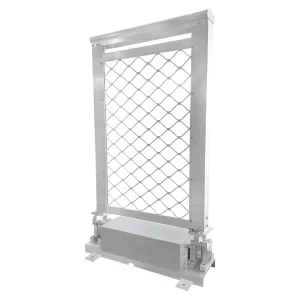
Civil aviation authorities worldwide are aligning stricter safety protocols. Today's perimeter safety nets must project outward and upward at a 10-degree angle, rising at least 1.5 meters from the edge of the helideck. The netting must withstand dynamic drop loads of 122 kg from heights exceeding 1 meter without structural failure, protecting personnel from fatal falls.
Traditional carbon steel structures suffer from rapid oxidation in marine and rooftop environments, increasing structural load and maintenance costs. High-tensile, marine-grade aluminum alloys (specifically the 6000 and 7000 series) have become the industry standard due to their high strength-to-weight ratio, ease of installation, and natural oxide layer protection.
High-rise tower helipads and military vessels require adaptable perimeter safety barriers. Manual folding nets can pose risks to ground crews in high winds. Automated, electric perimeter netting integrated with the building management system (BMS) or ship console provides push-button retraction, improving response times during critical emergency medical services (EMS) flights.
Understanding the critical technical specifications and logistical constraints faced by aviation consultants, structural engineers, and EPC contractors.
Procuring tower heliport safety netting is more than a simple transaction—it is a critical risk-management decision. Procurement officers face several challenges: ensuring continuous compliance with FAA or ICAO guidelines, verifying material traceability for high-corrosion offshore installations, and managing long-term lifecycle costs.
Why Tier-1 aviation construction firms and industrial developers choose Lvxing as their long-term supply partner.
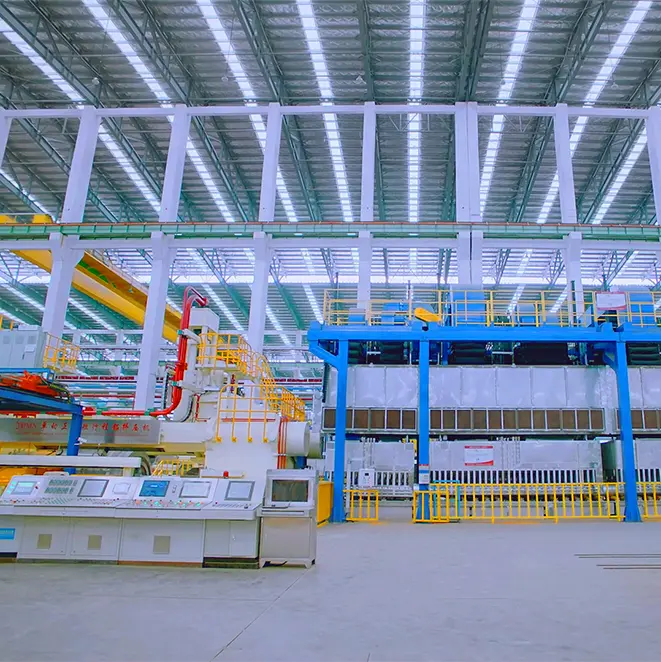

We have obtained the prestigious "Special Aluminium Materials for Aerospace" Certificate. This ensures our raw alloys meet high density, tensile strength, and structural integrity standards for safety-critical aviation applications.
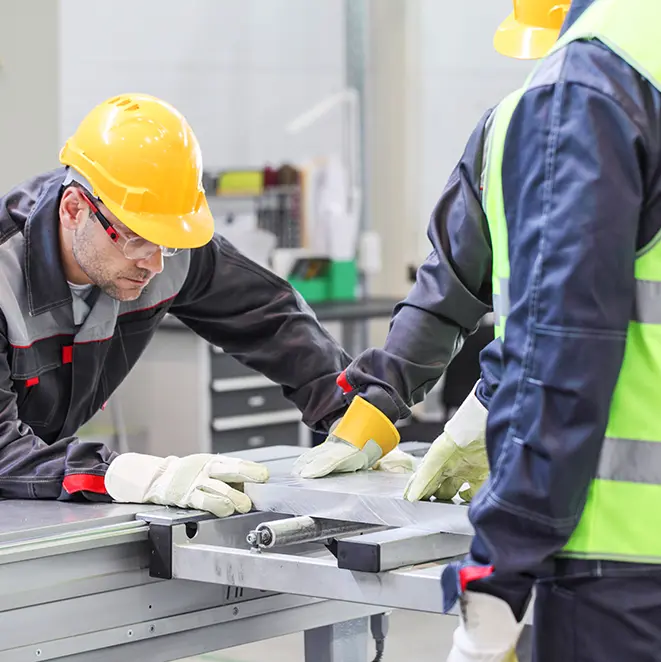

We provide and utilize high-quality Fenglu aluminum profiles. With extrusion lines ranging from 800T to 20,000T, we can produce alloys 1xxx, 2xxx, 3xxx, 5xxx, 6xxx, and 7xxx. We can manufacture fully shaped products with section dimensions up to 1.2 meters in width or 28 meters in length.
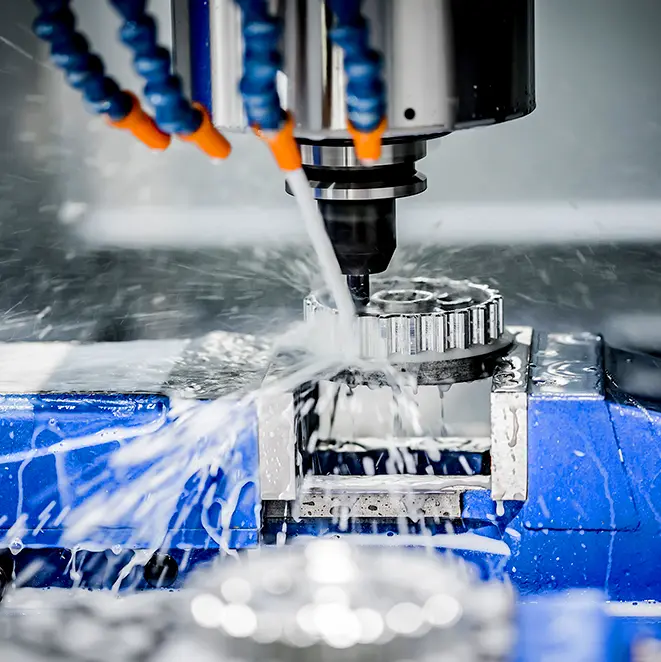

We have a team of technicians with 15 years of invaluable experience. Our deep understanding of customer requirements allows us to identify potential issues and offer practical insights, turning customer ideas into tangible products that meet specific needs.
Custom-engineered perimeter safety net assemblies matched to distinct architectural classes and operating environments.
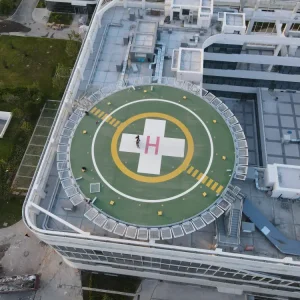
Urban rooftop helipads face strict fire safety and building load regulations. Our lightweight aluminum alloy safety nets minimize stress on building pillars. These systems feature integrated fire-resistant safety mesh and quick-access gates for emergency medical staff, ensuring patient transfer operations are both safe and efficient.
Offshore environments require high corrosion resistance. We construct our marine helideck perimeter safety netting using 6082-T6 structural aluminum and SS316 stainless steel cable mesh. This combination withstands heavy seas, category-5 hurricanes, and constant salt spray, preventing galvanic corrosion over long service lives.
High-altitude heliports face intense updrafts and wind shear. Our aerodynamically tested safety net profiles let wind pass through with minimal resistance, preventing upward forces on the deck cantilever. The modern metal finish matches upscale urban skyscraper designs, keeping aesthetics clean and functional.
Our processing capacity and strict quality management systems support critical projects globally.
Lvxing’s commitment to ongoing research, developing next-generation materials, and creating smarter safety systems.
Developing load-sensing fiber optic cables and strain gauges inside the net frame. This allows real-time structural health monitoring (SHM) and alerts maintenance teams via the BMS if a drop or major impact occurs.
Applying green smelting processes and recycled 6000-series billets to reduce the carbon footprint of structural helipads. This meets global LEED design requirements for green commercial skyscrapers.
Improving electric folding actuators. We use intelligent controller systems that link with local weather sensors to automatically fold the nets during extreme wind storms, protecting the equipment.
Testing superhydrophobic and anti-icing nano-coatings. This prevents ice build-up in arctic environments, ensuring safety nets stay light and effective in freezing offshore conditions.
Building safety systems for international markets requires deep knowledge of regional construction codes. Lvxing supports projects worldwide, including the Americas, Europe, the Middle East, and Asia-Pacific. We tailor each safety netting project to local civil aviation regulations, such as:
We provide full structural CAD files, 3D models, finite element analysis (FEA) reports, and raw material certificates with every shipment, helping you clear local site inspections quickly.
Technical answers to common questions about heliport safety net design, regulatory compliance, and material selection.
According to ICAO Annex 14 and CAP 437 guidelines, the perimeter safety net must extend outward from the helipad edge by at least 1.5 meters. It must slope slightly upward at an angle of roughly 10 degrees to catch falling personnel safely and prevent them from rolling off the net.
Aluminum alloys (like 6082-T6 and 6061-T6) offer a high strength-to-weight ratio, which reduces the structural weight load on skyscrapers and cantilevered decks. Aluminum also forms a natural oxide layer that resists corrosion in ocean environments without requiring regular painting, lowering long-term maintenance costs compared to carbon steel.
We conduct drop tests using a 122 kg (268 lbs) test weight dropped from a height of 1 meter onto the safety net. The system must absorb the impact energy without structural failure of the frame or tearing the mesh, meeting international aviation safety standards.
Manual systems require personnel to fold or rotate the net frame by hand during maintenance. Motorized (electric) systems use remote-controlled actuators to fold the nets. This is ideal for high-wind offshore platforms or emergency hospital pads where safety and speed are critical.
Yes. Our engineering team designs custom structural attachment points to match your existing platform, whether it is steel, concrete, or aluminum. We customize the mounting brackets and dimensions to align with the host structure's load capacity.
Our large extrusion lines (up to 20,000T) let us manufacture wide, single-piece aluminum deck profiles (up to 1.2m wide and 28m long). This minimizes the need for structural welds, reducing points of failure and increasing the structural stability of the overall landing pad.
We provide a complete documentation package with our deliveries. This includes raw material test reports (MTR), Mill Test Certificates, CE conformity declarations, weld inspections, and structural calculations (FEA) to simplify your local building and safety permits.
We follow strict ISO 9001:2015 standards at our Foshan facility. Every production batch of raw billets undergoes chemical analysis and physical testing. Finished components undergo dimension checks, load tests, and weld inspection before packaging and shipping.
Explore our high-strength profiles, custom marine deck components, and emergency response landing systems.
 LvXing