Established in 2015 and located in the premier industrial hub of Foshan City, Guangdong, LvXing Intelligent Equipment Co., Ltd. stands as a global leader in specialized custom aluminum solutions. We maintain a highly skilled, multi-disciplinary R&D team with extensive experience in structural engineering, metal physics, and aerodynamic profile development. Our facility leverages advanced CAD/FEA simulation technologies, transforming clients' conceptual drafts into load-bearing, high-tolerance realities that conform to international build specifications.
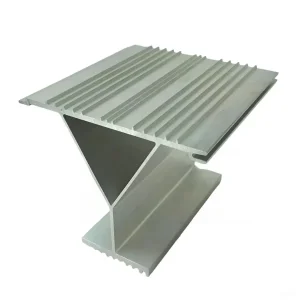
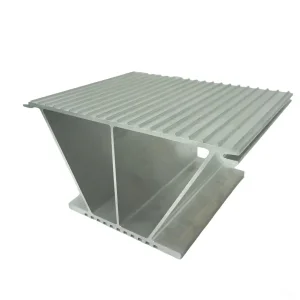
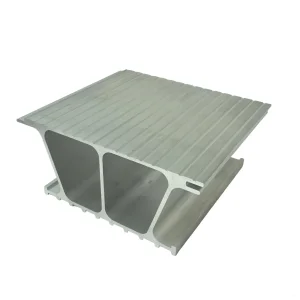
By utilizing premium-grade raw materials sourced through strategic partnerships with industry giants like Fenglu, we supply an exhaustive portfolio of customized structural profiles, including specialized triangle aluminum profiles. These profiles are meticulously engineered to satisfy critical requirements across aerospace, marine, military, medical, and heavy industrial infrastructures.
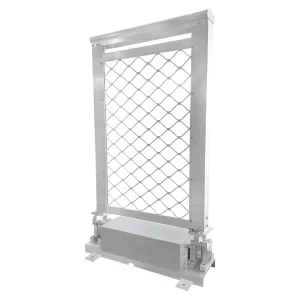
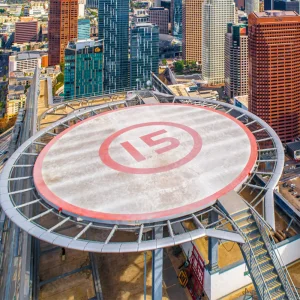
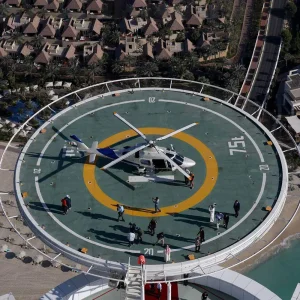
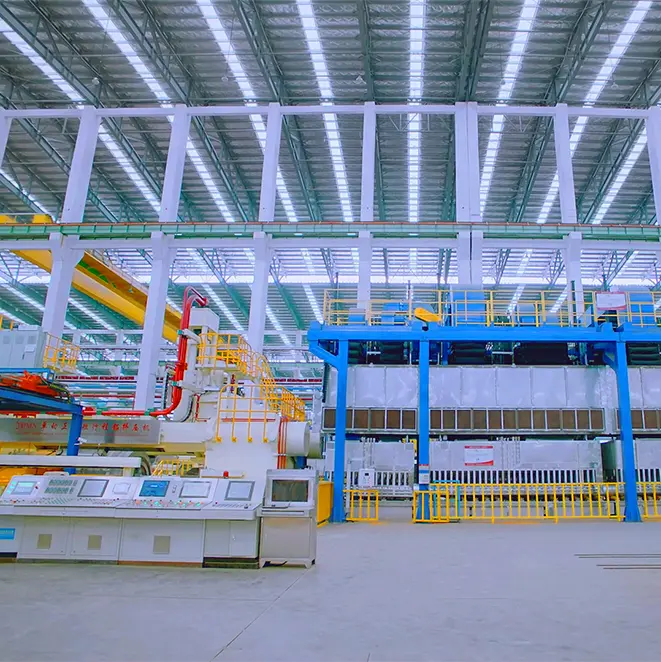
Our comprehensive production facility features extrusion lines scaling from 800T to 20,000T. This enables us to extrude standard and custom alloys across the 1xxx, 2xxx, 3xxx, 5xxx, 6xxx, and 7xxx series. We regularly output large-format profiles with section dimensions extending up to 1.2 meters in width and seamless linear runs up to 28 meters in length. This scale is highly sought after by designers of structural helipads, maritime gangways, and architectural facades.
LvXing Intelligent Equipment coordinates advanced metallurgic methodologies, massive extrusion capacities, and strict certification protocols to ensure unmatched component longevity and failure resistance.
We hold the “Special Aluminium Materials for Aerospace” Certificate. This validation guarantees that our structural profiles exhibit the chemical purity, fatigue resistance, and microstructural uniformity required for high-stress aerospace installations.
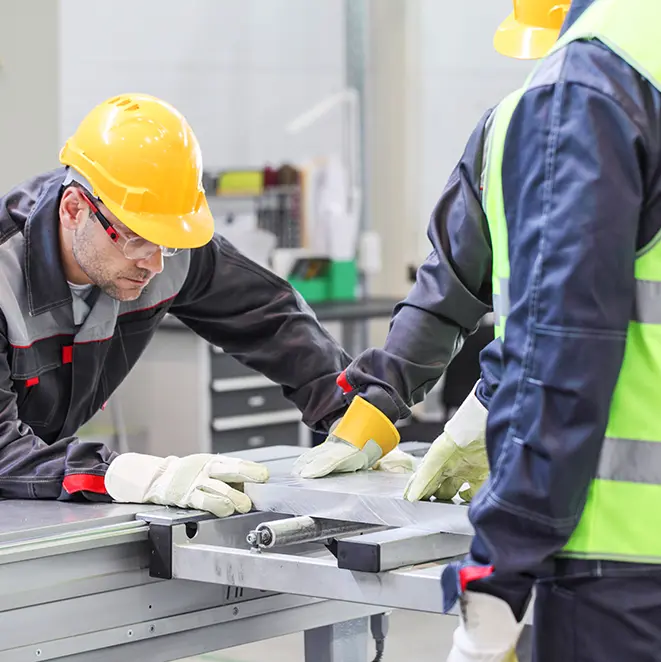
We source premium Fenglu raw materials. Equipped with extrusion lines from 800T to 20,000T, we process 1xxx, 2xxx, 3xxx, 5xxx, 6xxx, and 7xxx alloys, generating profiles up to 1.2m wide and 28m long with precision tolerances.
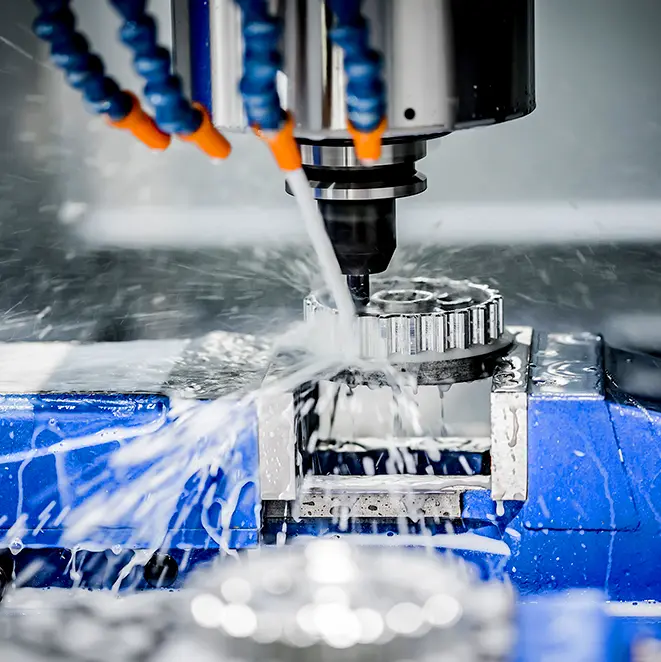
Our engineering team leverages 15 years of industry experience. This expertise enables us to analyze structural designs, flag potential mechanical issues early, and refine geometries to match precise client needs.


Triangular cross-sections are structurally efficient shapes. Unlike square or circular extrusions, triangle aluminum profiles distribute axial, bending, and torsional forces through three planes of contact. By aligning these planes with structural load paths, engineers can minimize material volume while optimizing resistance to deflection.
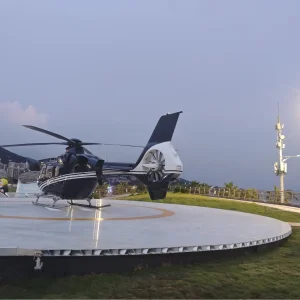
For custom manufacturing, a key design variable is the second moment of area (I). By varying the wall thickness across the profile's apex and base, our engineering team can optimize the profile for specific loads. This reduces structural weight without sacrificing load-bearing capacity—making these profiles ideal for weight-sensitive applications like marine helidecks and skyscraper structural frames.
Our profiles are manufactured from high-quality billets, utilizing automated water/air quenching directly at the press exit to lock in optimal mechanical properties before thermal aging.
| Alloy Series | Key Characteristics | Primary Applications |
|---|---|---|
| 6061-T6 | Excellent yield strength, highly weldable. | Heavy structures, helipads, framing. |
| 6082-T6 | High corrosion resistance, high tensile strength. | Marine decks, infrastructure, bridges. |
| 7075-T6 | Aerospace grade, ultra-high tensile yield. | Aircraft trusses, defense components. |
| 5083-H112 | Marine environment corrosion resistance. | Shipbuilding, offshore sub-structures. |
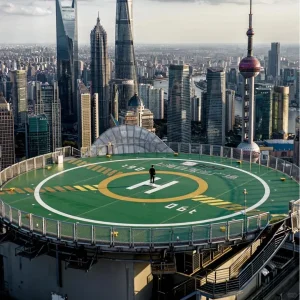
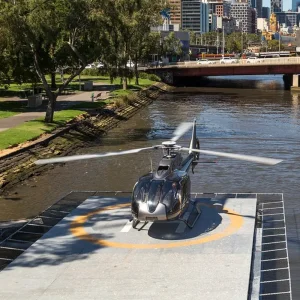
In high-density urban environments, helipads require high stiffness and low dead-weight. Triangular space trusses engineered from 6000-series alloys distribute helicopter landing impacts across the primary support pillars of skyscrapers, saving structural weight compared to traditional steel beams.
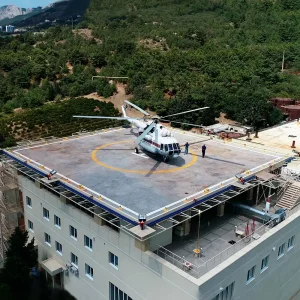
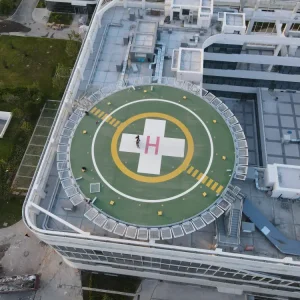
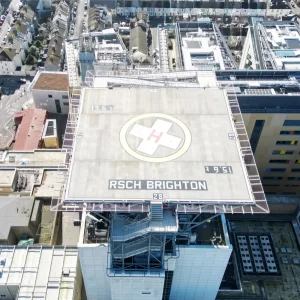
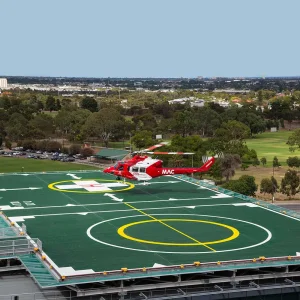
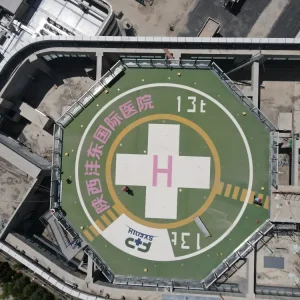
Hospital helidecks require rapid installation and zero deflection under load. Using modular, interlocking triangle profiles, our systems assembly time is reduced by up to 40% compared to cast-in-place concrete structures, allowing medical facilities to commission helipads quickly.
High-speed linear guides and gantry systems require rigid, lightweight structural frames. Custom triangle profiles reduce inertia in reciprocating components, enabling higher acceleration rates and less wear on drive motors.
Sourcing large-format structural extrusions globally requires a reliable supply chain. LvXing's operations in Foshan City, Guangdong, utilize local industrial networks to optimize delivery schedules and control costs.
Our operations combine die design, billet casting, extrusion, heat treatment, surface finishing, and multi-axis CNC machining within a single facility. This vertical integration reduces transit times between processing stages and minimizes handling damage.
Our automated CAD-to-mold tooling center can design, test, and cut custom extrusion dies within 10 to 15 business days. This capability enables faster prototyping and shortens project schedules compared to outsourced tooling workflows.
We maintain strict quality control throughout production. Each batch undergoes spectral analysis to confirm chemical composition, ultrasonic testing to detect internal voids, and coordinate measuring machine (CMM) testing to verify dimensional tolerances.
Custom extrusion pricing is calculated based on market metal indices, processing complexity, and tooling costs. We use a transparent pricing formula to ensure clear, predictable budgeting for our clients:
Strategic Pricing Formula:
Total Price = [LME/SMM Ingot Price + Extrusion Processing Cost + Surface Treatment] × Weight + Die Tooling Fee
Note: For volume orders exceeding 10 metric tons, the initial custom die tooling fee is typically credited back. Ingot prices are indexed daily to the London Metal Exchange (LME) or Shanghai Metals Market (SMM) spot price.
| Profile Section Width | Wall Thickness Range | Alloy Grade | Surface Treatment Option | Est. Processing Fee (USD/Ton) |
|---|---|---|---|---|
| < 150 mm | 1.5 mm - 4.0 mm | 6063-T5 / T6 | Mill Finish / Anodized | $650 - $850 |
| 150 mm - 400 mm | 3.0 mm - 8.0 mm | 6061-T6 / 6082-T6 | Anodized / Powder Coated | $750 - $1,100 |
| 400 mm - 800 mm | 5.0 mm - 15.0 mm | 6061-T6 / 6082-T6 | PVDF / Electrophoresis | $1,000 - $1,450 |
| 800 mm - 1200 mm | 8.0 mm - 25.0 mm | 6082-T6 / 7075-T6 | Heavy Duty Anti-corrosion | $1,350 - $1,900 |
*Disclaimer: The prices above represent standard ranges. Actual quotes depend on geometric complexity, surface finish type, tolerance requirements, and order volume. Contact our engineering office for formal quotes based on your CAD drawings.
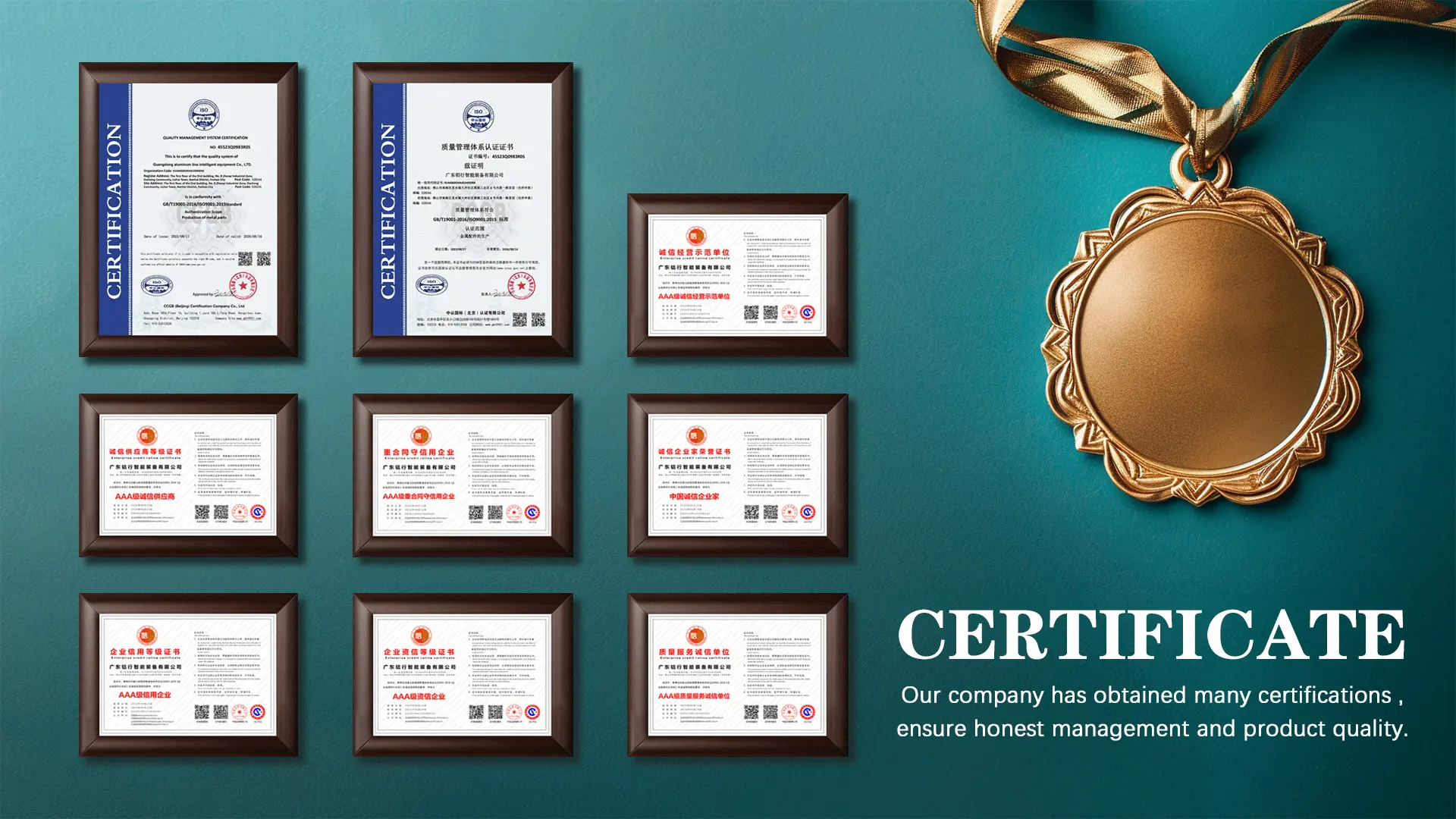
Our quality management system is certified to GB/T19001-2016 and ISO9001:2015 standards. This certification requires complete material traceability from raw billet through to final shipping, ensuring consistent mechanical performance for every batch.
For structural helipads and marine decking, our systems comply with safety standards from the International Civil Aviation Organization (ICAO Annex 14), Federal Aviation Administration (FAA Advisory Circulars), and various marine classification societies.
We provide comprehensive inspection documentation with every order, including chemical analysis reports, tensile testing records, anodization thickness measurements, and dimensional inspection sheets.
 LvXing