 LvXing
Global Commercial & Industrial Paradigm of Helipad Safety Nets
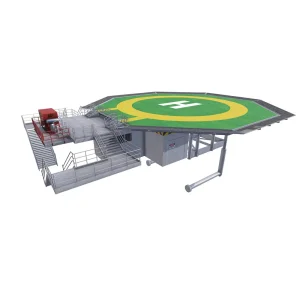
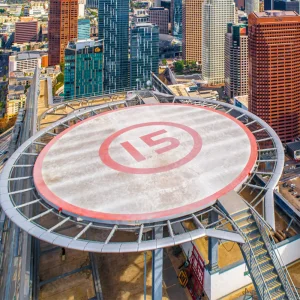
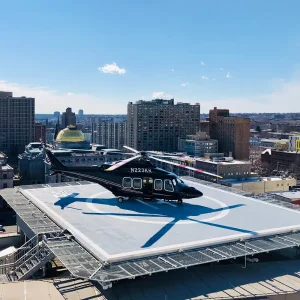
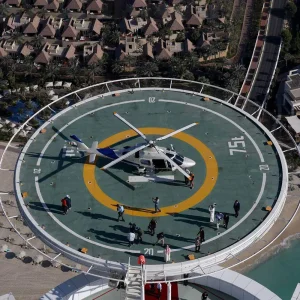
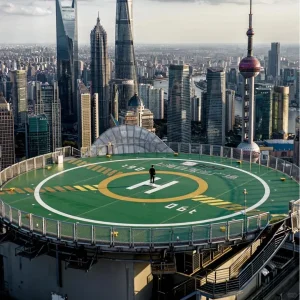
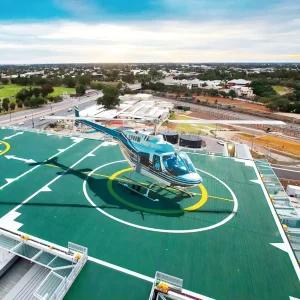
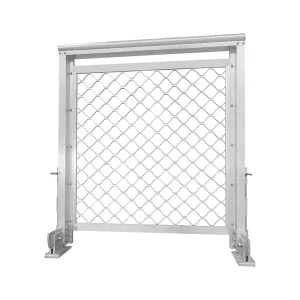
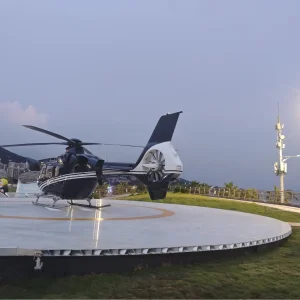
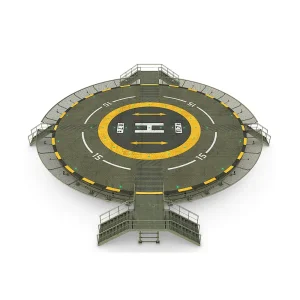
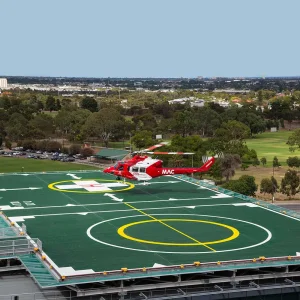
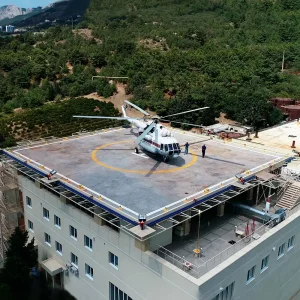
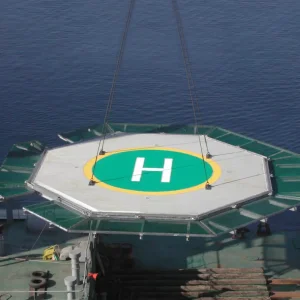
Helicopter landing decks (helidecks) on offshore oil platforms, maritime vessels, urban skyscrapers, and hospital trauma centers represent high-risk environments. To safeguard crew, passengers, and costly aviation equipment, structural safety nets are installed along the deck perimeter. Historically, stainless steel nets were the default standard. However, the modern marine and construction sectors have shifted decisively toward marine-grade aluminum perimeter safety net systems.
This transition is primarily driven by rigorous international aviation compliance directives. International Civil Aviation Organization (ICAO) Annex 14, Federal Aviation Administration (FAA) AC 150/5390-2C, and the UK Civil Aviation Authority’s CAP 437 (Standards for Offshore Helicopter Landing Areas) enforce strict parameters for safety nets. These rules mandate that perimeter netting must not exceed the level of the landing area, must have an upward slope, must withstand dynamic impact limits, and must be constructed from non-corrosive materials.
Compliance Mandates
Meets ICAO Annex 14 and UK CAA CAP 437 standards, offering impact absorption margins to safely catch personnel during extreme turbulence or evacuation operations.
Material Integration
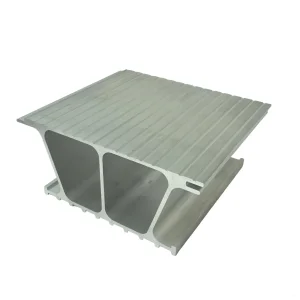
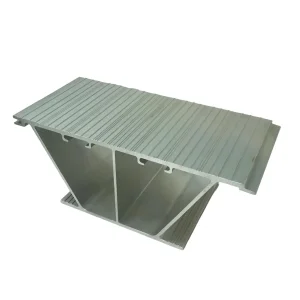
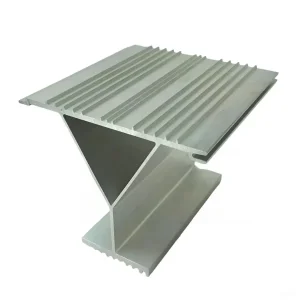
Utilizes 6000-series (6061-T6, 6082-T6) anodized marine-grade aluminum, maintaining structural integrity against harsh saline corrosion without structural degradation.
Mass Reduction
Reduces structural load on ocean-going vessels and high-rise cantilever structures by up to 50% compared to traditional steel safety netting frames.