 LvXing
High-Capacity Extrusion Metallurgy: Decoupling Performance Limits
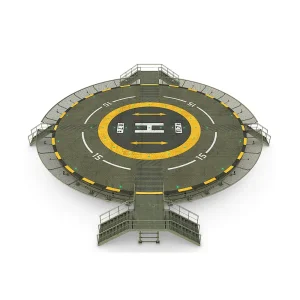
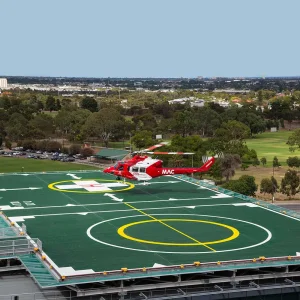
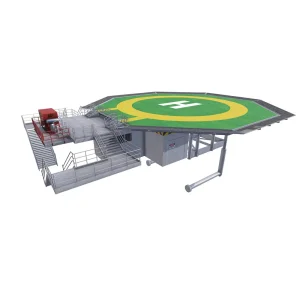
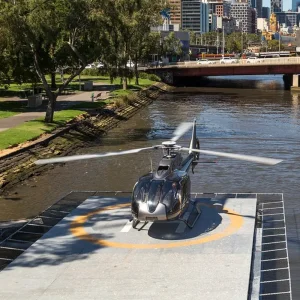
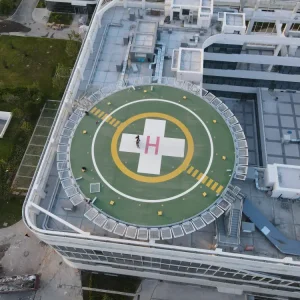
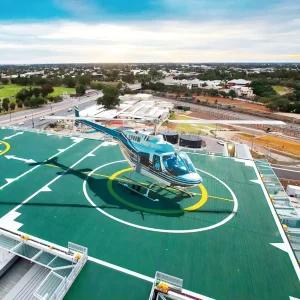
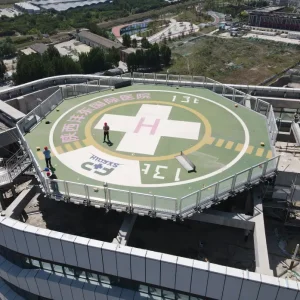
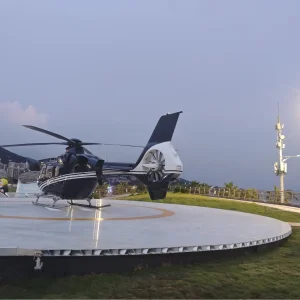
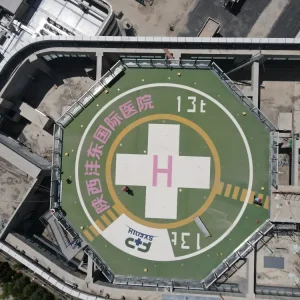
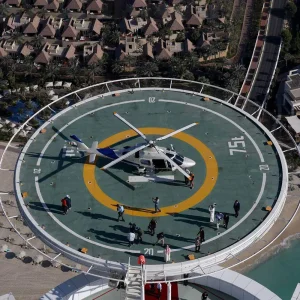
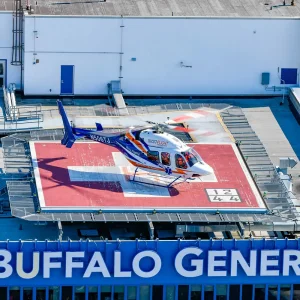
Within the structural engineering domain, the demand for customized aluminum profiles and large-scale custom aluminum extrusion profiles has transitioned from basic structural framework components to highly specialized, structural-integrity load elements. Structural designers are moving away from traditional steels and heavy alloys to take advantage of aluminum’s high strength-to-weight ratio, dynamic ductility, and natural resistance to atmospheric corrosion. Particularly in demanding environments—such as marine offshore helidecks, high-altitude rooftop hospital rescue zones, high-speed rail systems, and aerospace platforms—every customized profile must adhere to complex metallurgical configurations and stress profiles.
Established in 2015 and located in Foshan City, Guangdong, LvXing Intelligent Equipment Co., Ltd. (LVXING) has built a specialized infrastructure focusing on high-capacity industrial aluminum solutions. Our operations integrate die design, metallurgy engineering, precision extrusion, and secondary finishing, transforming highly complex conceptual layouts into structural profiles. By using premium Fenglu aluminum as our raw material foundation, we ensure that every finished extrusion complies with rigorous structural safety coefficients, meeting international design standards for commercial, industrial, and military installations.
The Extrusion Threshold: Scale Matters
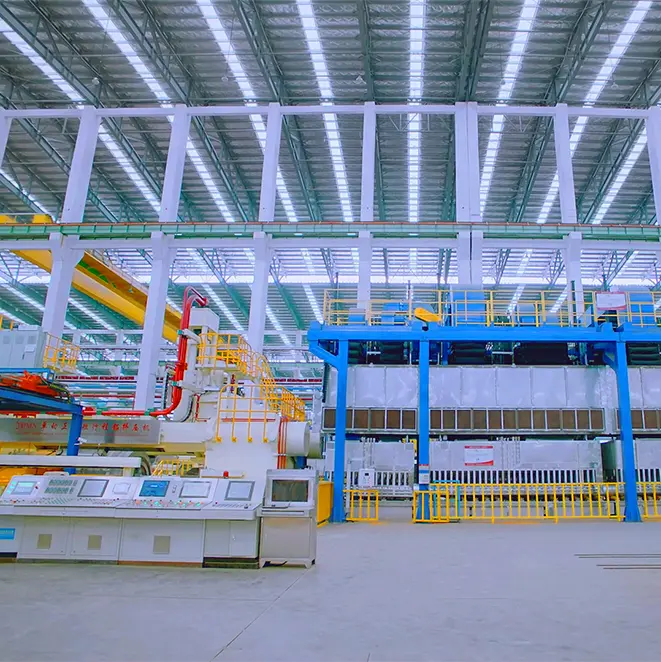
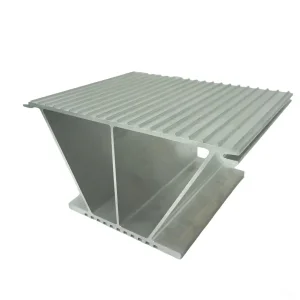
Our production facilities feature extrusion presses ranging from 800T to 20,000T. A press tonnage of 20,000T allows us to extrude large-scale, single-die profiles with widths up to 1.2 meters and seamless structural lengths up to 28 meters. Eliminating mechanical welds or mechanical splices in heavy structures significantly reduces stress concentration points, protecting the installation from structural fatigue under dynamic cyclic loads.
Alloy Classifications: Customizing Mechanical Strength
Not all aluminum profiles are manufactured equal. Depending on the design load, environment, and post-extrusion fabrication requirements, we select, heat-treat, and form different aluminum alloys. Below is a metallurgical breakdown of the materials we process:
| Alloy Series | Chemical Composition Basis | Mechanical & Environmental Characteristics | Primary Applications |
|---|---|---|---|
| 1xxx Series | Pure Aluminum (≥99.0%) | Excellent thermal & electrical conductivity; superior corrosion resistance; lower tensile strength. | Busbars, heat sinks, electrical grids, chemical processing equipment. |
| 2xxx Series | Aluminum-Copper Alloys | High yield strength comparable to mild steel; subject to intergranular corrosion; heat treatable. | Aerospace structures, high-stress military fittings, defense platforms. |
| 3xxx Series | Aluminum-Manganese Alloys | Moderate strength; excellent workability; high corrosion resistance; non-heat treatable. | Heat exchangers, industrial piping, cladding, structural panels. |
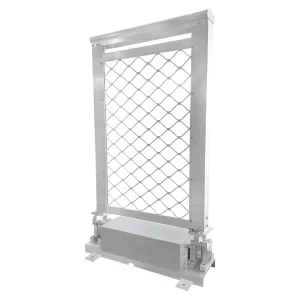
| 5xxx Series | Aluminum-Magnesium Alloys | Superior saltwater corrosion resistance; high weldability; excellent fatigue limits. | Marine vessels, offshore oil rig components, helideck perimeter safety structures. |
| 6xxx Series | Aluminum-Magnesium-Silicon | Exceptional versatility; high extrudability; heat treatable (T5, T6); good structural strength. | Architectural framing, custom structural helipads, heavy-duty machinery. |
| 7xxx Series | Aluminum-Zinc-Magnesium | Ultra-high tensile strength; structural fatigue resistance; age-hardenable. | Aerospace load-bearing beams, military armor, extreme-load support decks. |
Global Industrial Landscape: The Rise of Structural Aluminum
Modern infrastructure demands materials that optimize performance and minimize lifecycle maintenance costs. Traditionally, steel was standard for heavy industrial installations. However, structural steel requires protective coatings, undergoes galvanic corrosion, and adds dead weight that complicates support logistics.
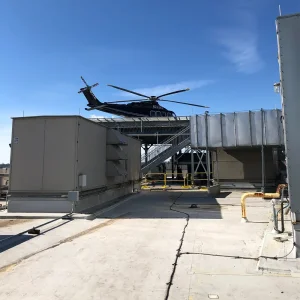
Globally, we are seeing a shift toward customized aluminum extrusions. Helicopter landing pads (helidecks) on offshore oil platforms, remote emergency hospital landing zones, and high-rise commercial structures require lightweight materials to prevent structural overload. The integration of interlocking customized profiles allows for modular assembly, reducing shipping weight, logistics costs, and on-site labor requirements.