Explore our certified range of custom aluminum structures and landing platform accessories designed for modern helipads.
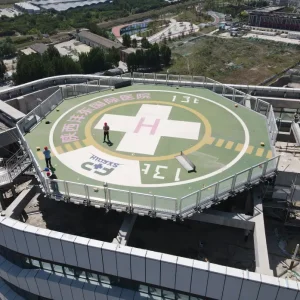
Custom Aluminum Alloy Helipad Profiles Manufacturer, Factory
Get Quotes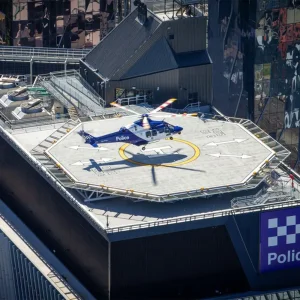
CE Certification Police station rooftop helipad Manufacturers, Quotes
Get Quotes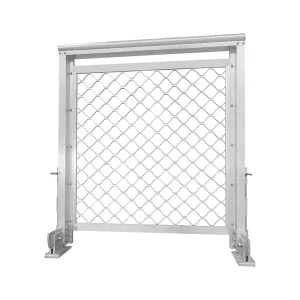
CE Certification Helideck perimeter safety net(Manual) Suppliers, Pricelist
Get Quotes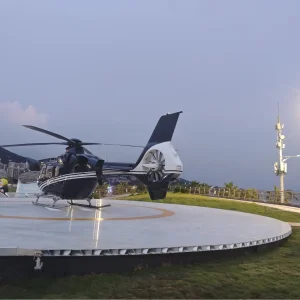
China Aluminum Rescue Helicopter Landing Pad Manufacturer, Quotes
Get Quotes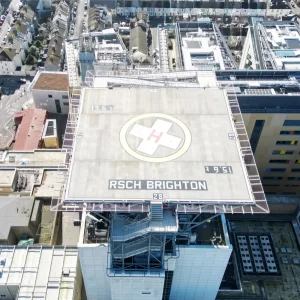
Custom Hospital roof square helipad Factory, Factories
Get Quotes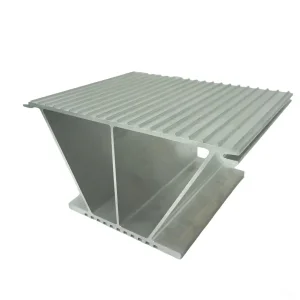
Custom LX-HP04 Helipad Aluminum Profile Suppliers, Pricelist
Get Quotes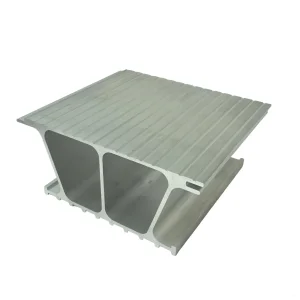
CE Certification LX-HP02 Helipad Aluminum Profile Factories, Pricelist
Get Quotes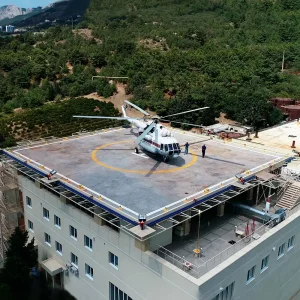
CE Certification Square helipad Supplier, Pricelist
Get QuotesEstablished in 2015 and located in Foshan City, Guangdong, LvXing Intelligent Equipment Co., Ltd. boasts a skilled R&D team with extensive experience. We leverage exceptional technical expertise to effectively transform customers' ideas into reality, consistently meeting their precise requirements.
We utilize premium Fenglu aluminum, offering a diverse range of profiles for flexible applications. Our extrusion lines, ranging from 800T to 20,000T, accommodate alloys 1xxx, 2xxx, 3xxx, 5xxx, 6xxx, and 7xxx, allowing us to produce shaped products with section dimensions up to 1.2 meters in width and 28 meters in length. These products are recognized for their precision and meticulous processing, finding broad application in aerospace, military, medical, and industrial sectors.
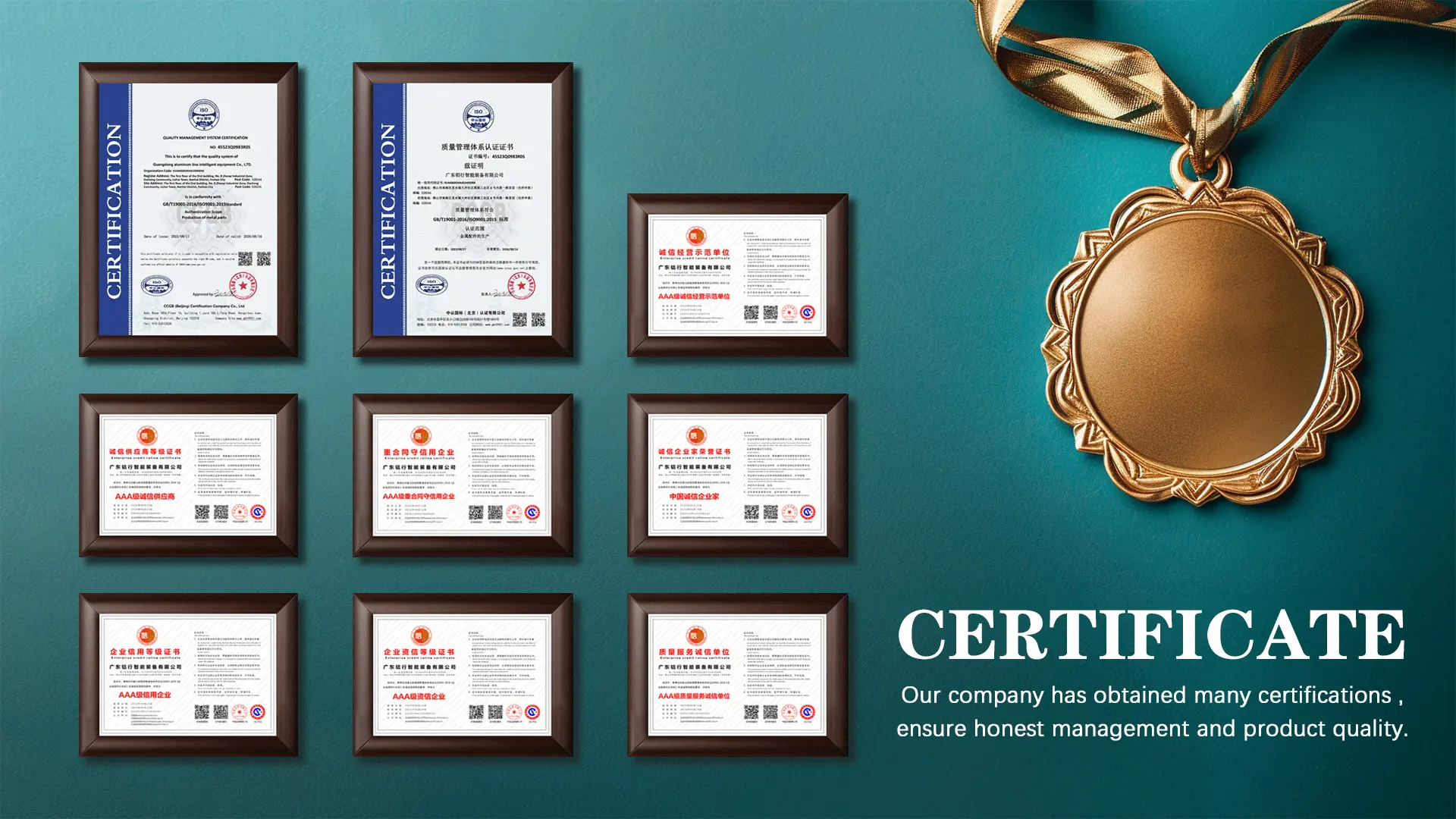
Our commitment to excellence is evident throughout the manufacturing process, rigorous quality control, thorough packaging, and efficient shipping procedures. This dedication has earned us recognition as a national excellent and honest enterprise, along with quality system certification in accordance with GB/T19001-2016/ISO9001:2015 standards.
Extrusion Line Capacity
Maximum Section Width
Quality System Certified
Technical Expertise
Why global aerospace, military, and maritime industries choose Lvxing's structural systems.
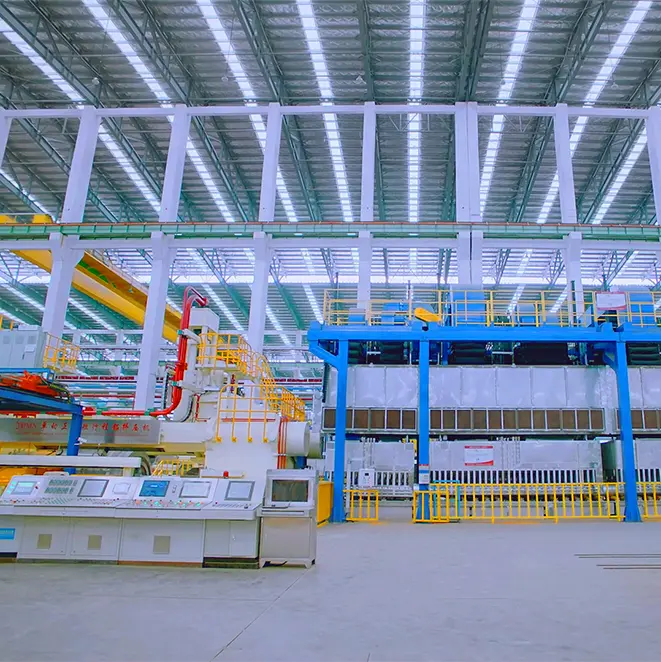

We have obtained the “Special Aluminium Materials for Aerospace” Certificate.
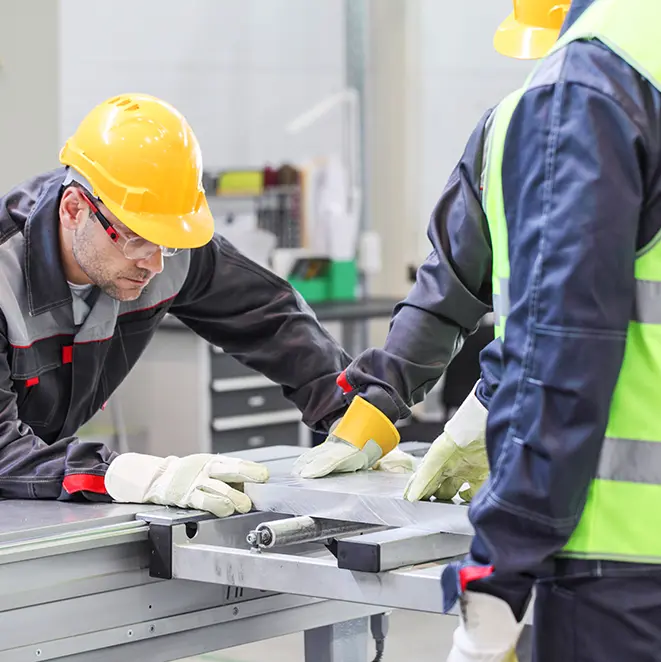

We provide and utilize high-quality Fenglu aluminum profiles. Extrusion lines 800T to 20,000T allow us to produce alloys 1xxx-7xxx up to 1.2m width or 28m length.
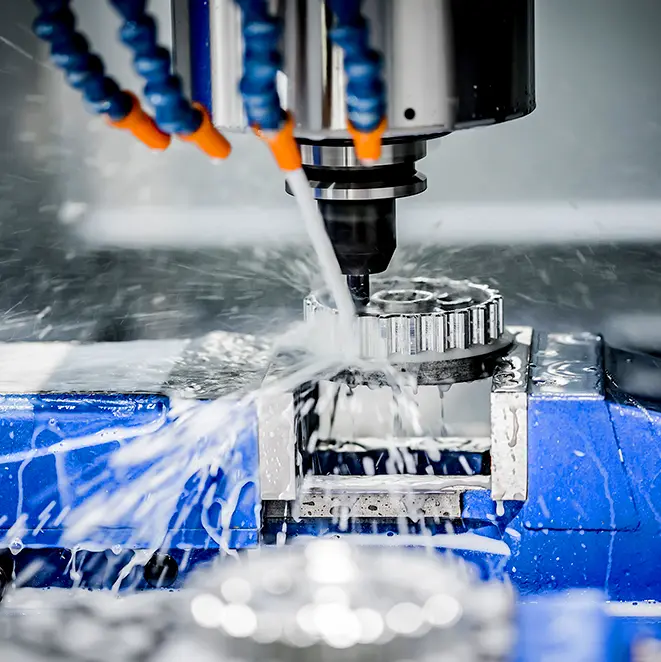

We have a team of technicians with 15 years of invaluable experience. Our deep understanding of customer requirements allows us to identify potential issues and offer practical insights.
Helicopter landing zones, particularly those on offshore installations, rooftop hospital emergency ports, and military maritime vessels, represent some of the most high-risk operational environments in aviation. A critical, yet sometimes overlooked component of this safety infrastructure is the helicopter perimeter safety net (often termed helideck environment nets). Its primary function is to prevent personnel from falling over the deck edge while maintaining structural compliance to resist the intense aerodynamic stresses created by helicopter rotor downwash and violent environmental forces.
Modern regulatory authorities, including the UK Civil Aviation Authority (CAA) via CAP 437 (Standards for Offshore Helicopter Landing Areas) and the International Civil Aviation Organization (ICAO) Annex 14, mandate strict compliance protocols. A safety net must not only stop a falling person but must also absorb dynamic kinetic energy without presenting a hard or spring-like rebound effect that could push the individual back into danger or bounce them off the deck. Our custom China helicopter environment nets are engineered specifically to comply with these rigorous dynamic and structural requirements, offering reliable fall protection under extreme wind shear, thermal fluctuations, and saline environments.
Foshan, located in China's Guangdong province, is globally recognized as the silicon valley of aluminum metallurgy and fabrication. By positioning our primary production facility within this industrial cluster, LvXing Intelligent Equipment Co., Ltd. capitalizes on unparalleled material access and cost-efficiencies. This geographic and operational positioning offers our international procurement partners several key advantages:
"Integrating raw material supply directly with specialized R&D results in a 25-35% lead-time reduction for customized helideck projects compared to traditional Western supply routes, without compromising on technical compliance."
A safety system is only as reliable as its regulatory validation. Our customized helicopter environment nets undergo stringent testing protocols to align with global standards. CAP 437 guidelines stipulate that perimeter safety nets must be constructed of materials that are highly resistant to degradation from ultraviolet (UV) radiation, oil, chemicals, and salt spray. Furthermore, they must exhibit a minimum load-bearing capacity capable of withstanding a drop test of a 100 kg mass from a height of 1 meter (equivalent to 2.3 kJ of kinetic energy) without failure.
By leveraging marine-grade stainless steel wire ropes (Grade 316) or high-grade structural aluminum frames, our safety nets provide a minimum design life of over 10 years in corrosive C5-M marine environments. Each batch of raw materials is fully traceable, and our manufacturing process holds quality system certification in accordance with GB/T19001-2016/ISO9001:2015. For clients operating in high-liability sectors (such as commercial hospital helipads or military vessels), we offer comprehensive CE Certification documentation, structural calculation reports, and finite element analysis (FEA) models to facilitate seamless local authority sign-offs.
International procurement managers and EPC (Engineering, Procurement, and Construction) contractors face unique challenges when sourcing structural components overseas. The core concern revolves around localized support, post-sale engineering services, and language-barrier reduction. To bridge this gap, LvXing offers a complete localized integration pipeline:
The helideck construction industry is transitioning away from heavy, high-maintenance galvanized steel systems toward lightweight, corrosion-free, and intelligent aluminum alloys. Marine-grade aluminum (specifically the 6000 and 7000 series) offers an optimal strength-to-weight ratio, reducing the structural load on offshore floating production storage and offloading (FPSO) units and building roofs. Reduced weight translates directly to increased helicopter load capacity and lower structural reinforcing costs for buildings.
Furthermore, there is a growing demand for integrated systems. Modern safety nets are no longer passive barriers; they are now embedded with smart monitoring devices. These include tension sensors that alert facility managers when a net requires maintenance, and integrated perimeter LED lighting systems that improve pilot visibility during night operations and low-visibility weather conditions. By utilizing advanced metallurgy and electronics integration, LvXing is positioned at the forefront of this safety evolution.
To demonstrate the versatility of Lvxing's customized helicopter environment nets, we examine their application across four primary commercial scenarios:
Exposed to severe waves, salt spray, and extreme winds, offshore platforms require C5-M marine-grade corrosion protection. Our nets utilize 316 stainless steel wire mesh tensioned over lightweight structural aluminum profiles, providing reliable fall protection without adding excess deadweight to the platform edge.
Emergency medical services (EMS) require rapid, safe operations. Rooftop helipads require perimeter nets that are non-obtrusive, visually clear, and structured to prevent loose medical equipment or personnel from falling into busy urban streets below. Static and low-rebound netting is mandatory here.
For high-intensity tactical, training, and search-and-rescue (SAR) facilities, durability under intense heat and heavy rotor downwash is crucial. Specialized aluminum profiles (like the LX-HP01/02 series) provide the heavy-duty framing required to support high-frequency tactical landings.
Answers to crucial technical and regulatory questions surrounding helicopter environment nets and aluminum profiles.
Ensure complete edge protection with our remaining range of professional-grade helipad products.
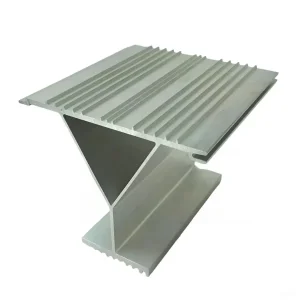
China LX-HP01 Helipad Aluminum Profile Manufacturer, Pricelist
Get Quotes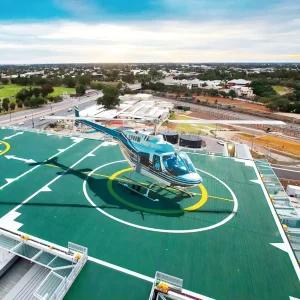
Wholesale All-Aluminum Helicopter Landing Pad Suppliers, Factory
Get Quotes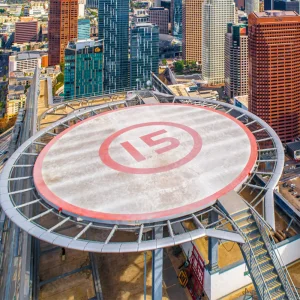
Custom Round helipad Manufacturer, Suppliers
Get Quotes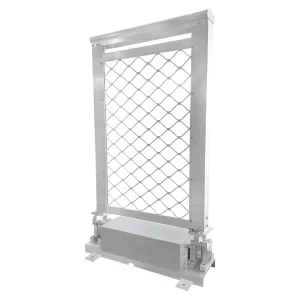
CE Certification Helideck perimeter safety net(Electric) Manufacturer, Pricelist
Get Quotes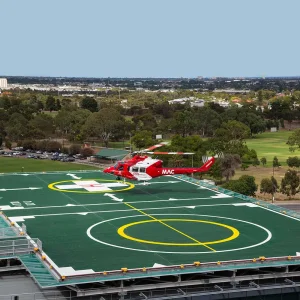
China Rooftop helipad Manufacturers, Suppliers
Get Quotes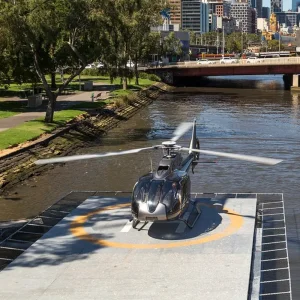
China Helipad and safety mesh Manufacturer, Supplier
Get Quotes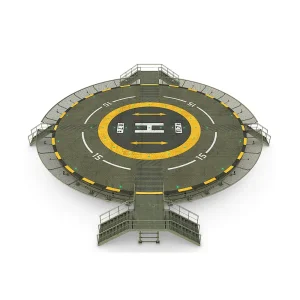
China Helipad and aluminum wire mesh Suppliers, Factory
Get Quotes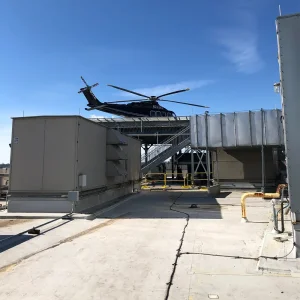
Customized Helipad deck and safety net Manufacturer, Quotes
Get Quotes LvXing