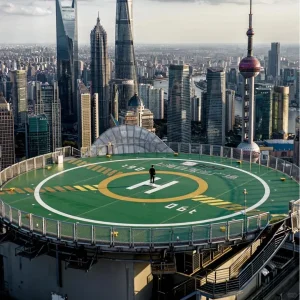
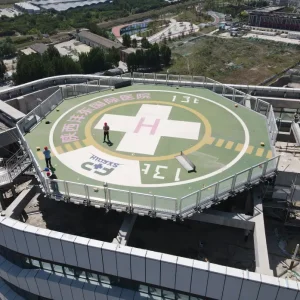
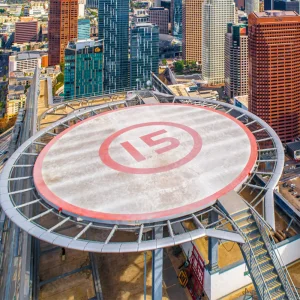
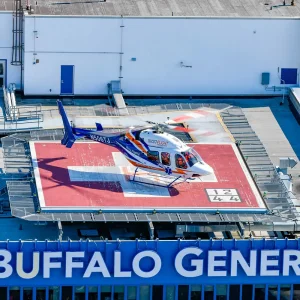
Customized China Tower Heliport Safety Netting: Engineering Guidelines, Manufacturing & Pricelist

The definitive industry whitepaper on high-strength aluminum alloy perimeter safety solutions for rooftop, tower-based, and offshore helicopter landing decks.

Global Commercial Landscape of Heliport Perimeter Safety

Why structural safety netting is the cornerstone of modern aviation infrastructure compliance.

The Paradigm Shift in Aviation Infrastructure

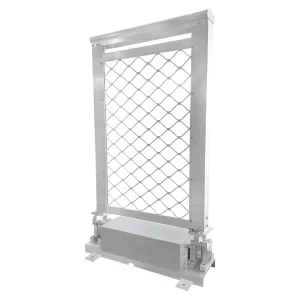
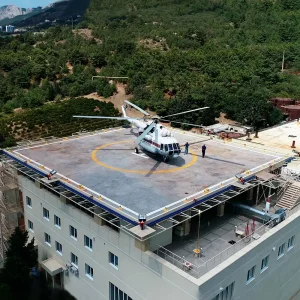
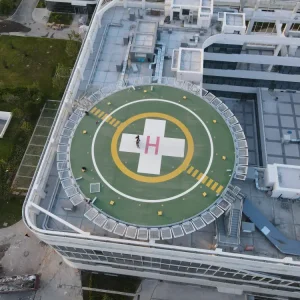
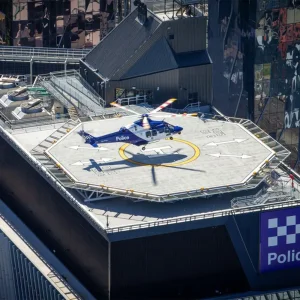
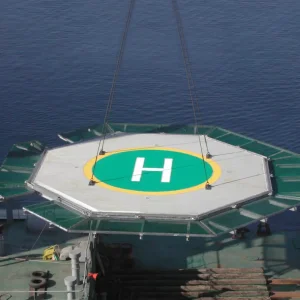
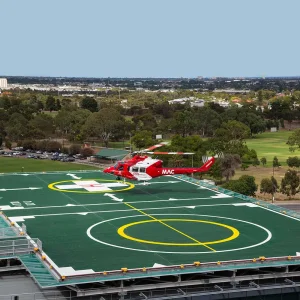
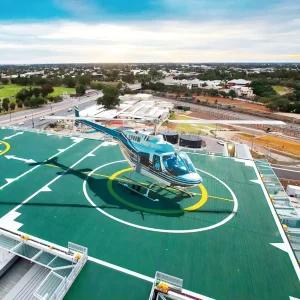
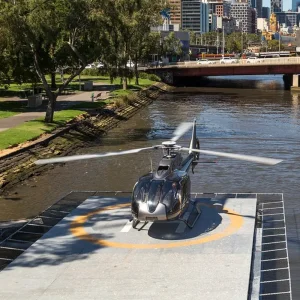
Helipads, whether positioned on high-rise urban rooftops, offshore energy structures, marine vessels, or standalone telecommunication towers, require highly specialized safety mechanisms. The primary function of heliport safety netting (perimeter safety barrier) is to capture falling personnel or objects without causing critical injury, while ensuring zero interference with helicopter flight vectors.

Historically, stainless steel chainlink structures were the norm. However, modern structural engineering favors specialized, lightweight, high-tensile aluminum alloy framework systems. Under regulations mandated by CAP 437 (Standards for Offshore Helicopter Landing Areas) and ICAO Annex 14, perimeter safety systems must demonstrate energy-absorption profiles capable of withstanding dynamic impacts of at least 122 kg (often calculated up to 200 kg drop testing in advanced military specifications) without structural rupture.

Global Market Trends & Demands

With the rapid expansion of offshore wind energy hubs, urban air mobility (UAM) vertiports, and emergency medical services (EMS) hospital networks, the demand for optimized perimeter safety solutions has scaled exponentially.

Industrial operators require structural components that resist highly corrosive marine conditions (C5-M atmospheric rating) and show minimal fatigue over multi-decadal lifespans. This is where customized China Tower heliport safety netting excels—providing certified, structural-grade performance with the manufacturing efficiency of integrated Chinese supply lines.

Technical Specifications & Material Engineering

Inside the alloy chemistry, manufacturing tolerances, and testing protocols of Lvxing Intelligent Equipment.

Alloy Selection & Sourcing

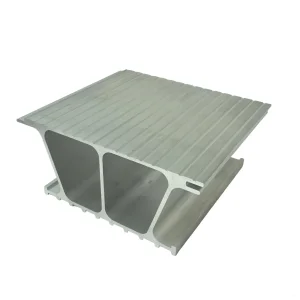
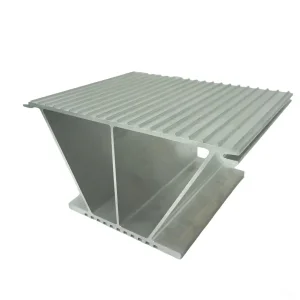
We source premium Fenglu aluminum profiles. Our extrusion configurations accommodate alloys across the 1xxx, 2xxx, 3xxx, 5xxx, 6xxx, and 7xxx series. For safety netting frames, structural 6000-series alloys (like 6061-T6 and 6082-T6) are standard due to their outstanding yield strength, corrosion resistance, and superb weldability/machining profiles.

Extrusion Scale Capabilities

Utilizing high-capacity extrusion lines ranging from 800T to 20,000T, Lvxing processes massive structural profiles. We manufacture fully shaped structural parts up to 1.2 meters in cross-sectional width and up to 28 meters in length, reducing joints, optimizing load distribution, and eliminating mechanical weak points.

Dynamic Test Compliance

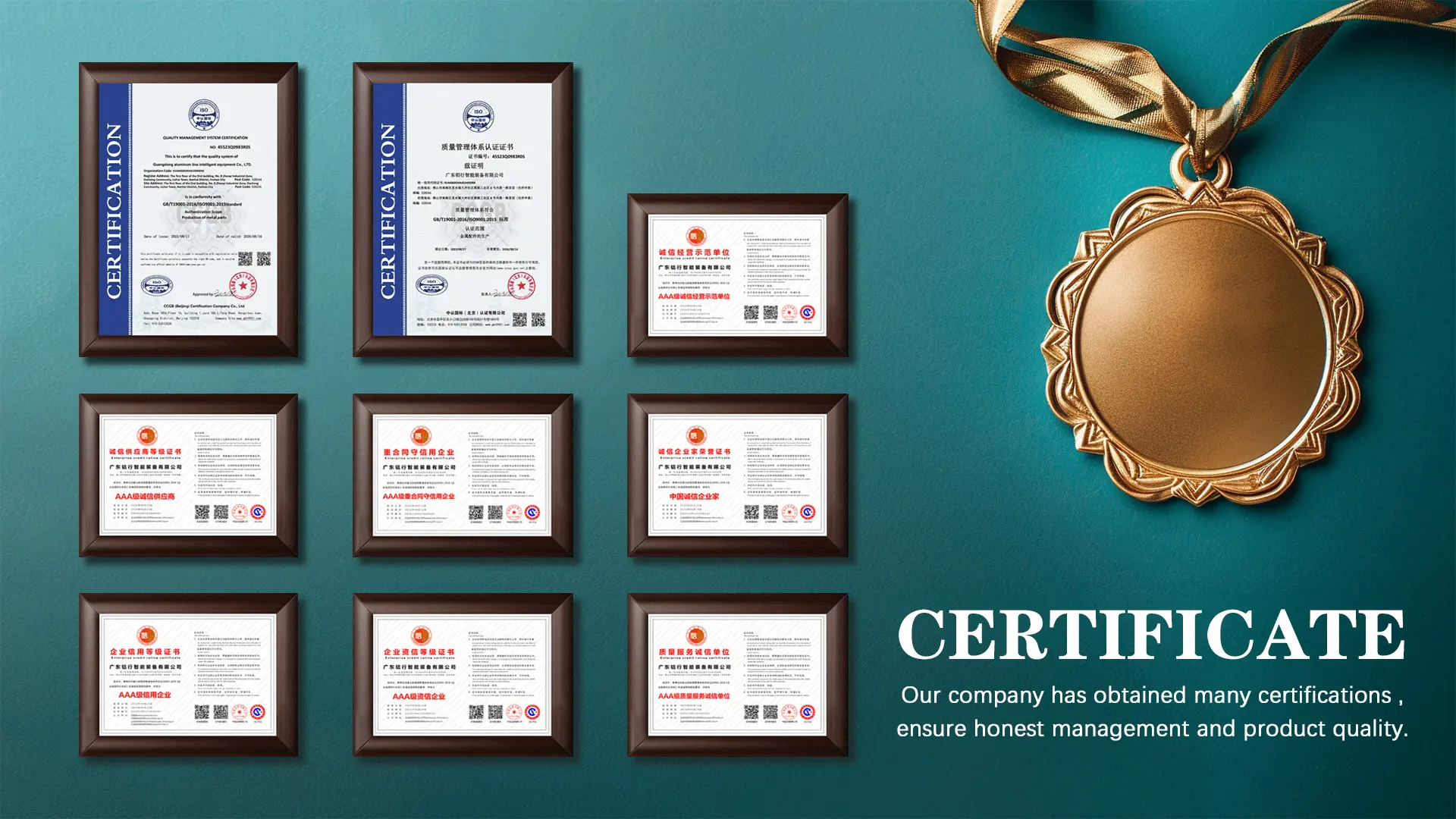
Our structures conform to GB/T19001-2016/ISO9001:2015 and have secured the "Special Aluminium Materials for Aerospace" Certificate. The safety netting frames undergo stress-load testing to guarantee elastic deformation thresholds that absorb kinetic energy without compromising structural integrity.

Parameter / Specification Standard Level Customized Options (Lvxing Extreme Capability)
Main Frame Material 6061-T6 Aluminum Alloy Aerospace Grade 6082-T6 or 7000 Series (On Demand)
Mesh Wire Type High-Tensile Stainless Steel (316 Grade) Anodized Aluminum Alloy Wire Link Structure
Extrusion Capacity 800T to 10,000T Lines Up to 20,000T Lines for single piece extrusion up to 28m
Dynamic Impact Capacity 122 kg (CAP 437 Standard) Custom designed for up to 200 kg drop impact load capacity
Corrosion Treatment Anodizing (15-25 microns) Marine-grade PVDF Powder Coating or C5-M Heavy Marine Anodization

China Tower & Localized Application Scenarios

Adapting advanced aluminum netting to specific structural conditions worldwide.

1. Rooftop EMS & Hospital Helipads

Urban hospital rooftops require strict weight control to avoid compromising the structural integrity of historical or retrofitted medical structures. Traditional steel netting adds significant dead loads. Lvxing’s engineered aluminum profile safety netting reduces installation weight by up to 50% while offering unmatched compliance under global aviation safety requirements.

2. Offshore Wind & Petrochemical Decks

Offshore substations, wind turbine maintenance platforms, and FPSO vessels operate in hyper-saline, high-humidity marine atmospheres. Standard structural metals rust rapidly, demanding costly continuous maintenance. Our C5-M level anodized aluminum frames and marine-grade stainless mesh options guarantee decades of zero-maintenance operations.

3. High-Rise Tower Infrastructures

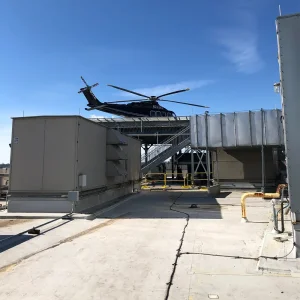
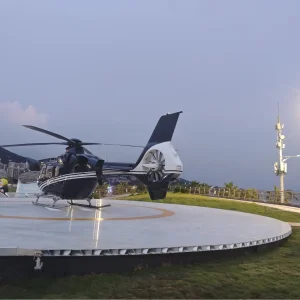
Integrating heliport safety zones on infrastructure like telecommunication hubs or China Tower installations demands custom aerodynamic netting. High-wind shear at elevated positions requires netting frameworks designed with low wind resistance coefficient. Our customized profile structures minimize aerodynamic drag and prevent high-altitude vibration fatigue.

Welcome to Lvxing:

LVXING, SPECIALIZES IN ALUMINUM SOLUTIONS.

Established in 2015 and located in Foshan City, Guangdong, LvXing Intelligent Equipment Co., Ltd. boasts a skilled R&D team with extensive experience. We leverage exceptional technical expertise to effectively transform customers' ideas into reality, consistently meeting their precise requirements.

We utilize premium Fenglu aluminum, offering a diverse range of profiles for flexible applications. Our extrusion lines, ranging from 800T to 20,000T, accommodate alloys 1xxx, 2xxx, 3xxx, 5xxx, 6xxx, and 7xxx, allowing us to produce shaped products with section dimensions up to 1.2 meters in width and 28 meters in length. These products are recognized for their precision and meticulous processing, finding broad application in aerospace, military, medical, and industrial sectors.

Our commitment to excellence is evident throughout the manufacturing process, rigorous quality control, thorough packaging, and efficient shipping procedures. This dedication has earned us recognition as a national excellent and honest enterprise, along with quality system certification in accordance with GB/T19001-2016/ISO9001:2015 standards.
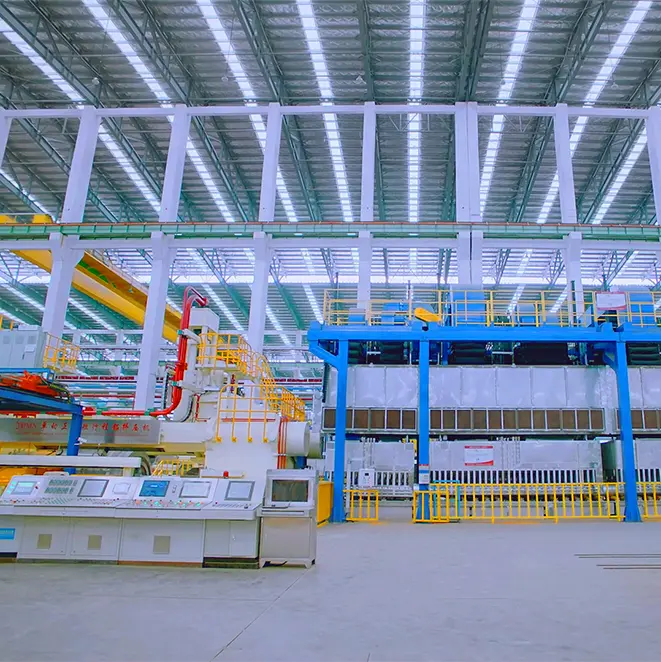
We aspire to be your trusted business partner and warmly invite you to visit our factory.

Lvxing Aluminum Extrusion Process

Our Competitive Edge

Engineered superiority verified by rigorous aerospace, material science, and manufacturing metrics.

Special Aluminium Materials for Aerospace
Aerospace Certificate Icon

We have obtained the "Special Aluminium Materials for Aerospace" Certificate, confirming our technical compliance under critical stress environments.

Fenglu Aluminum Extrusion Scale
Extrusion Icon

We provide and utilize high-quality Fenglu aluminum profiles. With extrusion lines ranging from 800T to 20,000T, we can produce alloys 1xxx, 2xxx, 3xxx, 5xxx, 6xxx, and 7xxx. We can manufacture fully shaped products with section dimensions up to 1.2 meters in width or 28 meters in length.

R&D Team
Team Experience Icon

We have a team of technicians with 15 years of invaluable experience. Our deep understanding of customer requirements allows us to identify potential issues and offer practical insights, turning customer ideas into tangible products that meet specific needs.

Technological Roadmap & Future Outlook

Where helideck safety systems are heading over the next decade.

Phase 1: Dynamic Smart Mesh Integration (Present-2025)

Integration of piezoresistive fiber optic sensors directly into the netting grid. Allows airport operators to dynamically monitor tension, structural fatigue, and impact occurrences in real-time through telemetry dashboards.

Phase 2: Ultra-Lightweight Eco-Alloys (2025-2027)

Development of recycled aerospace aluminum composites to reduce the carbon footprint of structural installations by up to 40% while preserving yield strength limits above 320 MPa.

Phase 3: Automated Anti-Icing Frameworks (2027-2030)

Thermo-electric micro-channels embedded directly within extruded framework profiles. Designed specifically for sub-zero marine conditions to prevent dangerous ice accumulation on safety nettings.

China Factory Supply Chain Resilience & Pricelist Dynamics

Understanding how Lvxing optimizes production speed, shipping logistics, and structural costing structures.

Foshan Hub Ecosystem Advantages

Based in Foshan City, Guangdong—the global manufacturing hub for structural aluminum profiles—Lvxing operates within a dense cluster of upstream material providers and downstream custom coating facilities. This concentration dramatically lowers logistical costs and reduces manufacturing lead times for complex helipad profiles from months to weeks.

By integrating directly with premium Fenglu aluminum sourcing, we secure raw material cost guarantees and prioritize custom billet casting, shielding our international clients from material price fluctuations.

Structural Pricelist Breakdown Factors

Custom heliport safety netting is not priced per square meter in a vacuum. Transparent costing depends on structural criteria:

  • Profile Dimensions & Alloys: Higher extrusion force (e.g., up to 20,000T) and aerospace-certified alloys alter structural frame costing.
  • Surface Treatments: Standard anodizing vs. PVDF or C5-M grade marine protective coating configurations.
  • Custom Structural Engineering: Mechanical stress calculations (Finite Element Analysis) required for offshore marine decks and municipal certifications.

Localization Support & Global Compliance Assurance

End-to-end assistance from initial FEA modeling to local installation certification.

Aviation Standards Compliance

We supply products designed to satisfy the strict structural safety and dimensional standards of regulatory authorities worldwide, matching CAP 437, ICAO Annex 14, and domestic FAA-style architectural guidelines.

Global Engineering Support

Our engineering division delivers structural calculation calculations, 3D CAD modeling, and custom connection node designs to interface with existing structural steel helideck configurations.

Comprehensive Documentation

Every shipment is accompanied by complete mill test certificates (MTC), quality inspection checklists, load test certifications, and easy-to-follow site assembly manuals.

Frequently Asked Questions

Answers to critical procurement, technical, and structural safety queries.

What standards must a tower heliport safety net comply with? +
Heliport safety netting must satisfy ICAO Annex 14 and CAP 437 regulations. These demand the safety net to extend at least 1.5 meters outward from the helideck edge, incline upward slightly (approx. 10 degrees), and exhibit dynamic absorption to capture a falling person or object safely without causing bounce-back or trampoline effect.
Why choose aluminum profiles over stainless steel frames? +
Structural aluminum (such as 6000-series alloys processed via high-capacity extrusion lines) offers a high strength-to-weight ratio. It reduces dead weight on buildings or tower designs by 40-50% compared to steel. It also possesses superior natural corrosion resistance, avoiding the stress-corrosion cracking typical of stainless steel frames in high-salinity marine air.
How does Lvxing guarantee the quality of customized profiles? +
We maintain certifications under GB/T19001-2016/ISO9001:2015 quality frameworks and possess the Special Aluminium Materials for Aerospace certificate. Our raw material is sourced exclusively from trusted suppliers like Fenglu. We conduct rigorous dimensional and stress-load testing to verify structural compliance before packing and shipping.
What is the dynamic drop test requirement for helipad perimeter nets? +
Standard testing mandates drop-testing the netting and its structural support frames using a 122 kg solid mass dropped from a height of 1 meter to simulate a human fall. Our systems are engineered to withstand up to 200 kg impact, providing safety margin headroom.
What are the custom options for surface treatments? +
To match different regional environments, we provide structural anodizing, custom powder coating, or heavy PVDF finishes. For extreme offshore C5-M marine deployment, we offer specialized multi-layered coatings that shield aluminum components against degradation for over 25 years.