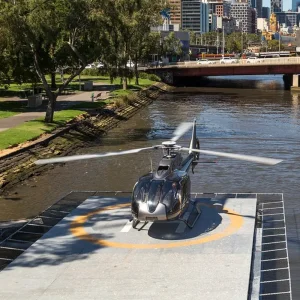
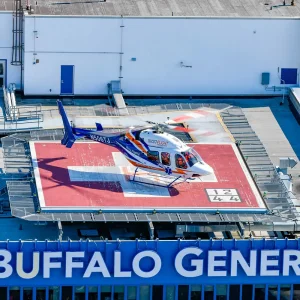
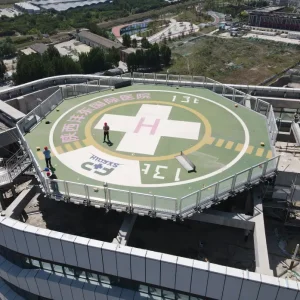
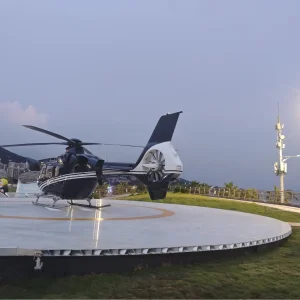
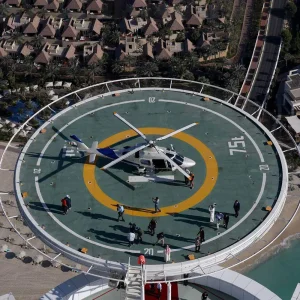
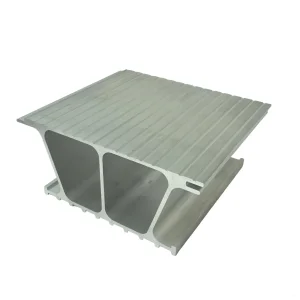
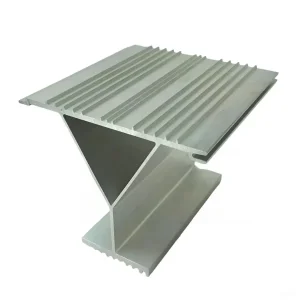
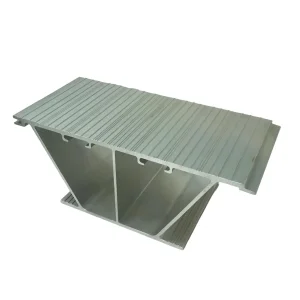
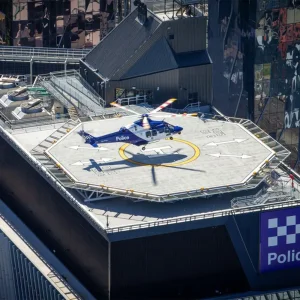
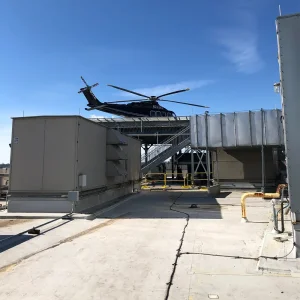
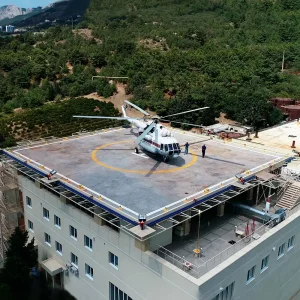
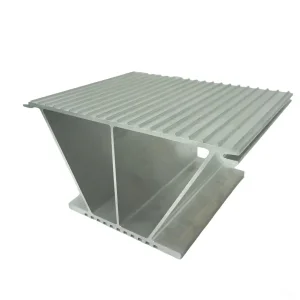
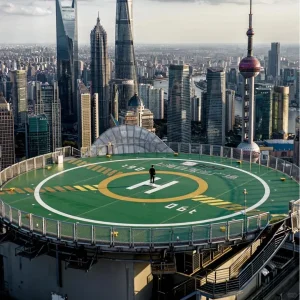
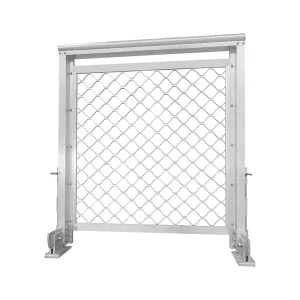
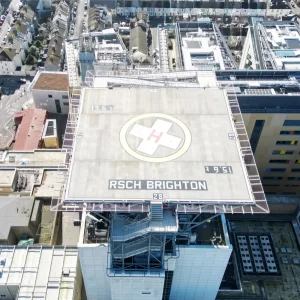
Explore our high-performance aviation landing deck and boundary protection product configurations.
In modernized urban transportation ecosystems, rapid aeromedical networks, and offshore petroleum infrastructure, vertical landing decks are safety-critical nodes. As vertical flight corridors handle heavier, high-frequency takeoffs and landings, the perimeter safety net systems surrounding these decks must transition from simple passive barriers into highly engineered, energy-absorbing structural envelopes. Our Customized China Vertical Landing Pad Safety Nets are designed to absorb dynamic fall impacts while resisting extreme wind shear without inducing aerodynamic lift.
An engineering failure of a helideck safety perimeter can lead to catastrophic consequences. The primary challenge is balancing structural lightness with robust impact attenuation. If a net is too rigid, it risks transferring extreme structural loads back to the primary helideck cantilever supports, potentially compromising the integrity of the landing deck. Conversely, if it is too flexible, the net will allow excessive displacement, endangering ground staff or resulting in equipment drop hazards. Our modular aluminum alloy frames combined with high-grade stainless steel wire mesh or specialized synthetic cords provide the optimal elasticity-to-strength ratio, dispersing localized dynamic forces uniformly across the support structures.
Reduces turbulence around the helideck edge during helicopter approach and departure, minimizing ground-effect deviations.
Designed to handle drop loads up to 2.3 kJ, equivalent to a person falling from height with a factor of safety exceeding 2.0.
Anodized aerospace aluminum alloys combined with AISI 316 stainless steel ensure high resistance to marine salt and pollution.
The demand for standardized vertical landing pad safety nets spans several critical industries worldwide. The offshore oil and gas sector remains a major market due to harsh offshore conditions where helidecks are exposed to saltwater, extreme winds, and constant mechanical vibration. In these marine environments, standard steel netting quickly fails due to crevice corrosion and stress corrosion cracking. To address this, international standards like UK CAA CAP 437 mandate the installation of corrosion-resistant, marine-grade perimeter safety systems.
Additionally, rapid urbanization has led to a major increase in skyscraper-mounted helipads. Modern building designs require safety systems that are structurally sound and aesthetically integrated into the facade. Structural weight limits are also key; replacing heavy steel frameworks with high-strength aluminum alloy channels helps structural engineers optimize the roof load distribution, freeing up structural weight capacity for emergency services, rooftop HVAC infrastructure, or architectural design elements.
We also see growing demand in hospital emergency services and military logistics. In trauma center helipads, turnaround time and rapid patient transport are critical. High-visibility safety net perimeters prevent workplace accidents for medical flight crews during windy operations. In military and defense installations, portable, modular aluminum-framed safety net systems are used for rapid deployment in remote, demanding operational zones.
Established in 2015 and located in Foshan City, Guangdong, LvXing Intelligent Equipment Co., Ltd. specializes in engineering high-end structural aluminum solutions.
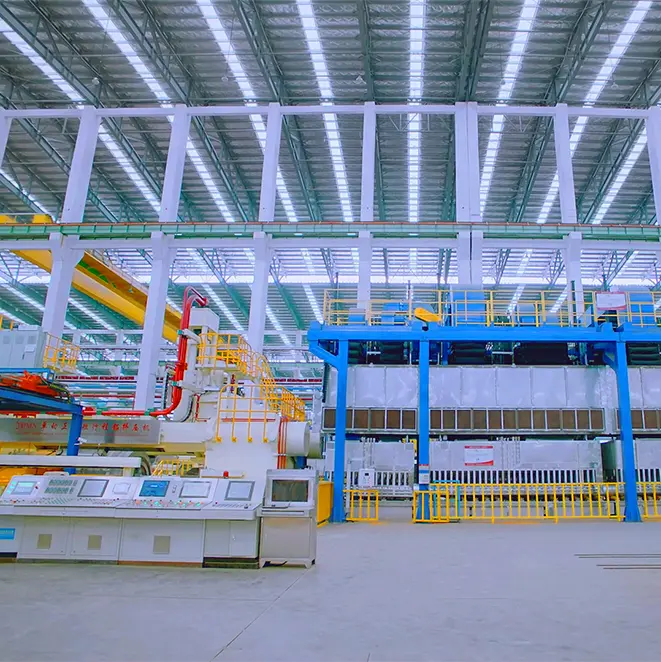
Our manufacturing facilities utilize premium Fenglu aluminum profiles. With an advanced range of extrusion lines starting from 800T up to a powerful 20,000T press, we process complex structural designs utilizing 1xxx, 2xxx, 3xxx, 5xxx, 6xxx, and 7xxx alloy formulations. This capacity allows us to manufacture fully shaped, high-precision products with section dimensions up to 1.2 meters in width and 28 meters in length, meeting the tight tolerance requirements of aerospace, military, and maritime industries.
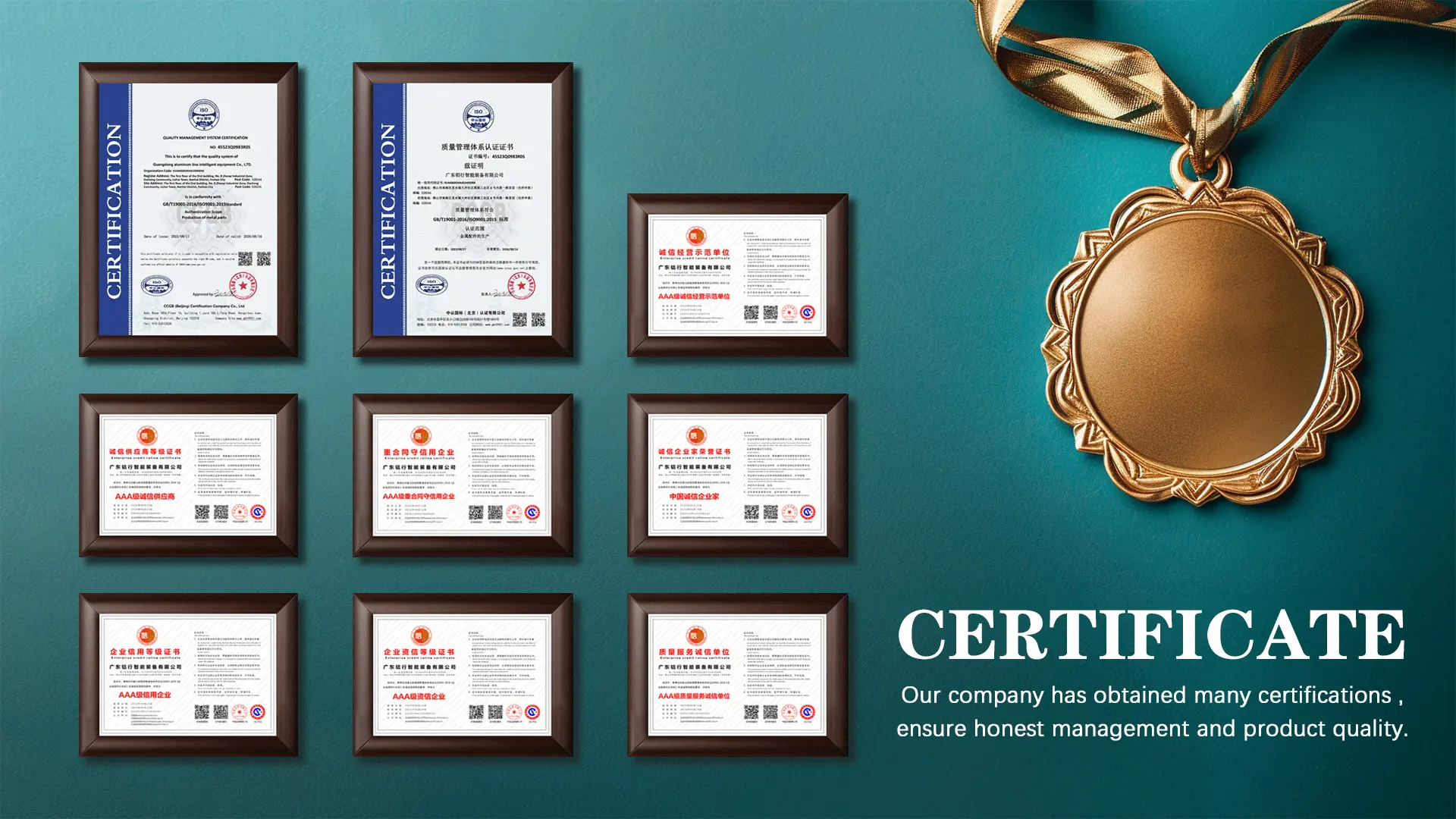
Quality control is integrated throughout our design and manufacturing processes. Our quality management system is certified to the GB/T19001-2016/ISO9001:2015 standards, and our facility has earned recognition as a national excellent and honest enterprise. Our design engineers leverage over 15 years of industry experience to help clients turn complex requirements into functional, field-tested safety systems.
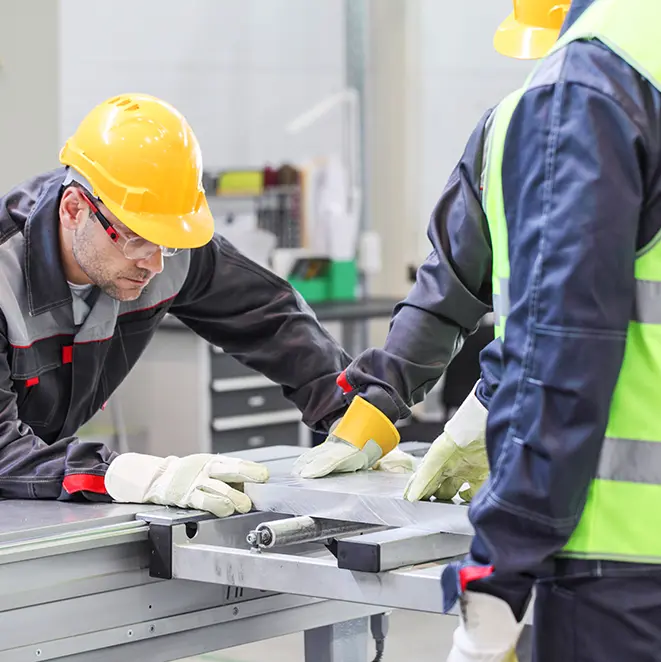
 Aerospace Materials
We have obtained the "Special Aluminium Materials for Aerospace" Certificate, confirming our ability to meet the quality and strength requirements of vertical aviation infrastructure.
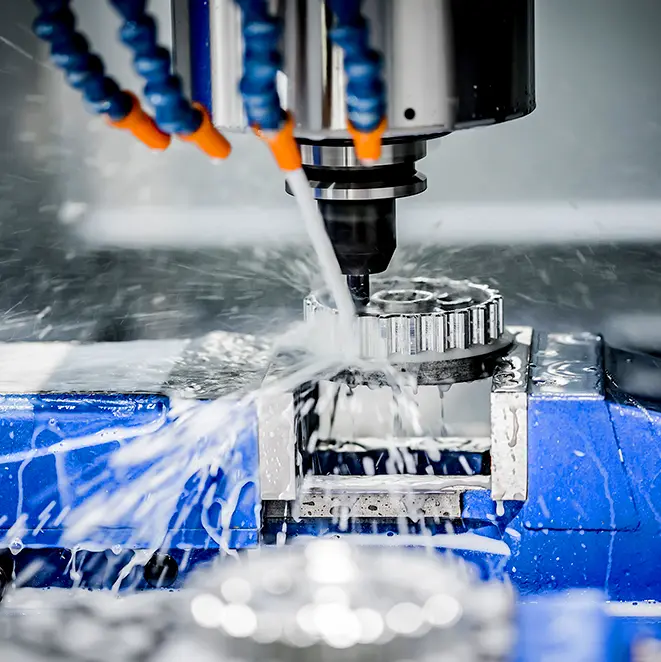
 Advanced Extrusions
We utilize high-quality Fenglu aluminum profiles. Utilizing extrusion lines from 800T to 20,000T, we manufacture components up to 1.2m wide or 28m long in 1xxx to 7xxx alloys.
 15+ Years Expertise
Our team of technicians has 15 years of industry experience. This deep understanding of vertical safety requirements allows us to identify potential issues and optimize product performance.
Building helidecks and safety infrastructure requires strict adherence to international civil aviation laws. Our product line is designed and manufactured to align with global standards, ensuring safety, reliability, and regulatory compliance.
For offshore oil and gas deployments, our nets meet the strict requirements of CAP 437. Our systems use tensioned mesh panels that extend at least 1.5 meters outward from the landing area. The nets are designed with an upward slope of approximately 10 degrees, preventing falling hazards and helping to contain personnel in extreme weather conditions.
For civil and hospital heliports in the United States and regions following FAA guidance, our perimeter nets provide reliable fall protection without obstructing the clear airspace required for helicopter rotors. The low-profile aluminum alloy framework maintains the necessary clearance levels below the landing deck plane.
Our safety nets are structurally tested to meet EN 1263-1 energy absorption criteria. To verify performance, we conduct dynamic drop tests using a 100 kg test mass released from designated heights to simulate high-impact drops. This testing ensures the net system can withstand severe dynamic loads under operational conditions.
How Lvxing is adapting vertical landing safety technology for the next generation of urban aviation infrastructure.
Optimizing our alloy chemistry for high-durability marine performance. By modifying trace elements in our 6000-series structural profiles, we are increasing resistance to stress corrosion cracking, extending the operational life of offshore installations.
Integrating fiber-optic sensors and load-monitoring nodes directly into the mesh structure. These smart systems will provide real-time updates on net tension, warn of structural compromises, and flag maintenance needs after severe weather events.
Developing safety systems tailored for the emerging eVTOL (electric vertical takeoff and landing) sector. These designs will focus on high-frequency urban vertiports, optimizing fire resistance, reducing wind noise, and simplifying modular replacement.
Clear answers to technical, regulatory, and pricing questions for structural engineers, project buyers, and aviation consultants.
The cost is determined by several design choices: the choice of structural alloy (e.g., marine-grade 6061-T6 versus specialty aerospace series), the dimensions of the perimeter frame, the net material (such as 316 stainless steel wire mesh or synthetic ropes), and compliance certification requirements (like CAP 437, CE, or standard industrial builds). To request an accurate estimate, please share your project layouts, environmental parameters, and local regulatory requirements.
Aluminum alloy frames provide a high strength-to-weight ratio, reducing the total cantilevered load on the rooftop or offshore structure. This reduction in weight simplifies the structural design of the helipad support columns. Additionally, specialized aluminum alloys form a protective oxide layer that resists corrosion in harsh marine environments, helping to reduce long-term maintenance costs.
When using anodized 6000-series aluminum frames paired with high-performance 316-grade stainless steel hardware, our safety systems typically offer a service life exceeding 15 years with basic maintenance. Regular visual checks, ensuring correct tension, and periodic cleanings to prevent salt accumulation are recommended to maximize longevity.
Yes, custom manufacturing is a core service. Backed by our 800T to 20,000T extrusion capacities and an experienced engineering team, we can manufacture custom shapes up to 1.2m wide and 28m long. We work directly from customer-supplied CAD drawings or structural models to design and manufacture precise safety perimeters.
Explore our broader portfolio of certified perimeter safety systems, hospital rescue helipads, and custom aluminum profiles.
 LvXing