In the rapidly advancing landscape of permanent magnet electric motors, the demand for efficiency, thermal stability, and power density has never been more critical. Synchronous permanent magnet motors (PMSMs) and brushless DC (BLDC) motors rely heavily on the geometric precision and magnetic performance of their rotor assemblies. At the heart of this performance is the Curved Magnet (also referred to as Segment or Arc Magnet). Standard flat magnets introduce uneven air gaps, causing high harmonic distortion, cogging torque, and excessive eddy current heat. In contrast, customized curved magnets match the exact outer radius of the rotor core, establishing a highly uniform air gap that maximizes magnetic flux density and minimizes operational losses.
The efficiency of an electric motor is directly proportional to the strength and distribution of the magnetic flux within the air gap between the stator and the rotor. A key challenge faced by motor manufacturers is the prevention of flux leakage and demagnetization under high load and elevated temperatures. By precision-machining the magnet with a curved radius that perfectly mirrors the cylindrical rotor geometry, designers can achieve sub-millimeter clearances. This optimized geometry reduces the reluctance of the magnetic circuit, enabling high-speed operations without risking structural failure or demagnetization.
| Rotor Design Variable | Flat Segment Magnet Configuration | Optimized Curved Segment Configuration | System Performance Impact |
|---|---|---|---|
| Air Gap Uniformity | Variable (Non-uniform) | Strictly Uniform (Concentric) | Reduces torque ripple and acoustic noise |
| Flux Leakage | Moderate to High at edges | Minimized due to tight tolerances | Increases overall motor efficiency by 2-5% |
| Eddy Current Loss | Elevated at high RPM | Significantly reduced via laminations/segmentation | Prevents thermal demagnetization in NdFeB |
| Structural Stress | Stress concentrated at contact lines | Even radial distribution | Enables high-RPM rotor operations (>20,000 RPM) |
Across the globe, industrial procurement agencies are moving towards consolidated engineering-to-assembly supply chains. Instead of sourcing magnets, adhesives, and balancing sleeves from fragmented vendors, global motor manufacturers are prioritizing integrated partners capable of delivering finished, balanced rotor assemblies. The growth sectors driving this shift include:
EV drivetrains demand ultra-high coercivity NdFeB curved segments (such as 45SH, 48UH, or 50EH grades) capable of withstanding operating temperatures up to 200°C without irreversible flux loss. Advanced Dy-diffusion (Dysprosium) processes are integrated to enhance thermal resistance while conserving heavy rare earth resources.
CNC machine spindles, turbo-compressors, and robotics require rotor sleeves that balance high mechanical integrity with lightweight dynamics. Sintered Samarium Cobalt (SmCo) segment magnets are deployed where chemical resistance and thermal thresholds (up to 350°C) take priority over maximum flux density.
Military-grade actuators and auxiliary power units demand specialized lightweight materials. Lvxing’s aerospace-certified structural aluminum profiles (alloys 6xxx and 7xxx series) are utilized as high-strength rotor sleeves to house curved magnet segments, preventing mechanical distortion at ultra-high rotational velocities.
Established in 2015 and located in Foshan City, Guangdong, LvXing Intelligent Equipment Co., Ltd. boasts a skilled R&D team with extensive experience. We leverage exceptional technical expertise to effectively transform customers' ideas into reality, consistently meeting their precise requirements. We utilize premium Fenglu aluminum, offering a diverse range of profiles for flexible applications. Our extrusion lines, ranging from 800T to 20,000T, accommodate alloys 1xxx, 2xxx, 3xxx, 5xxx, 6xxx, and 7xxx, allowing us to produce shaped products with section dimensions up to 1.2 meters in width and 28 meters in length. These products are recognized for their precision and meticulous processing, finding broad application in aerospace, military, medical, and industrial sectors.
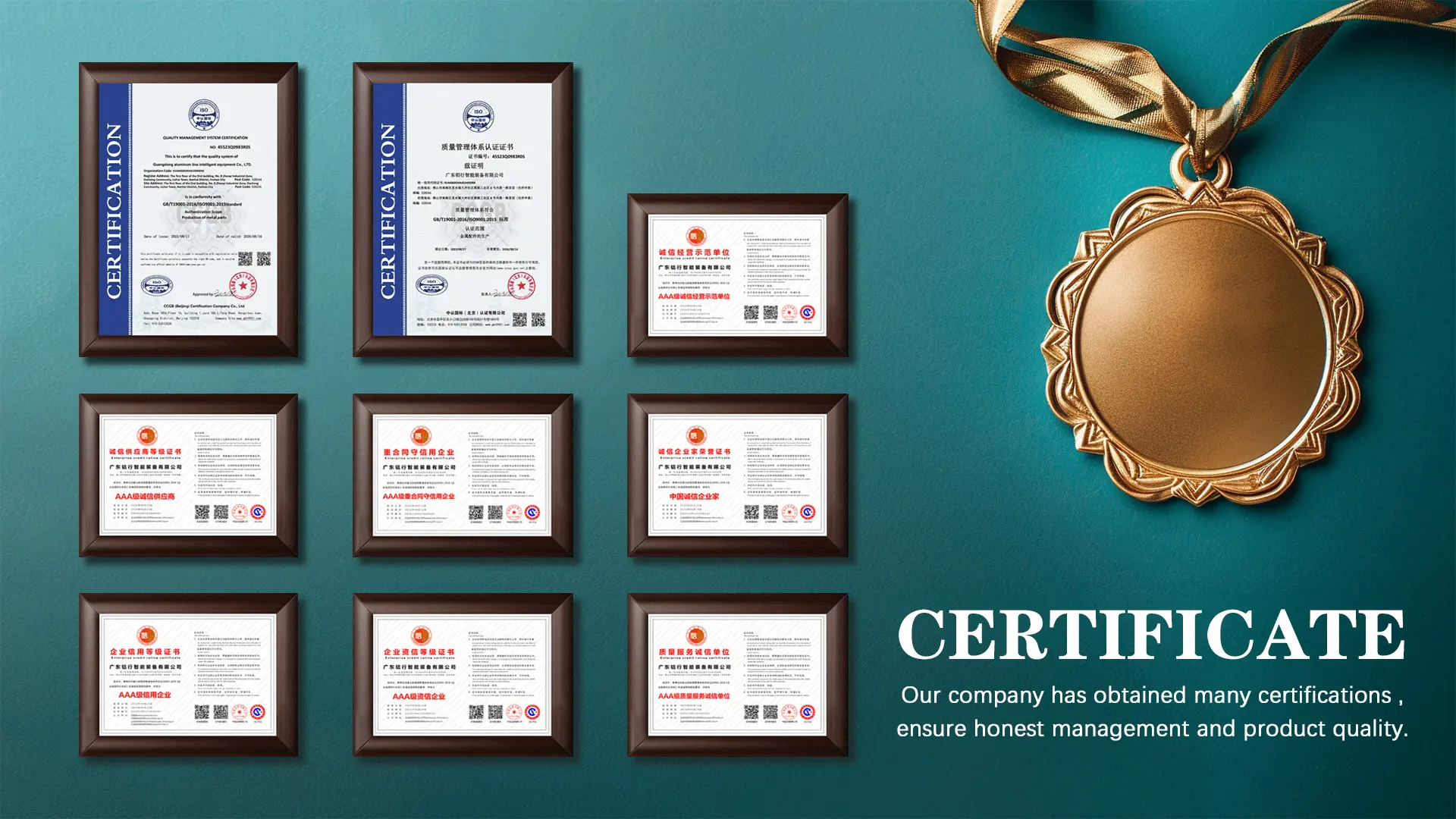
Our commitment to excellence is evident throughout the manufacturing process, rigorous quality control, thorough packaging, and efficient shipping procedures. This dedication has earned us recognition as a national excellent and honest enterprise, along with quality system certification in accordance with GB/T19001-2016/ISO9001:2015 standards. We aspire to be your trusted business partner and warmly invite you to visit our factory.
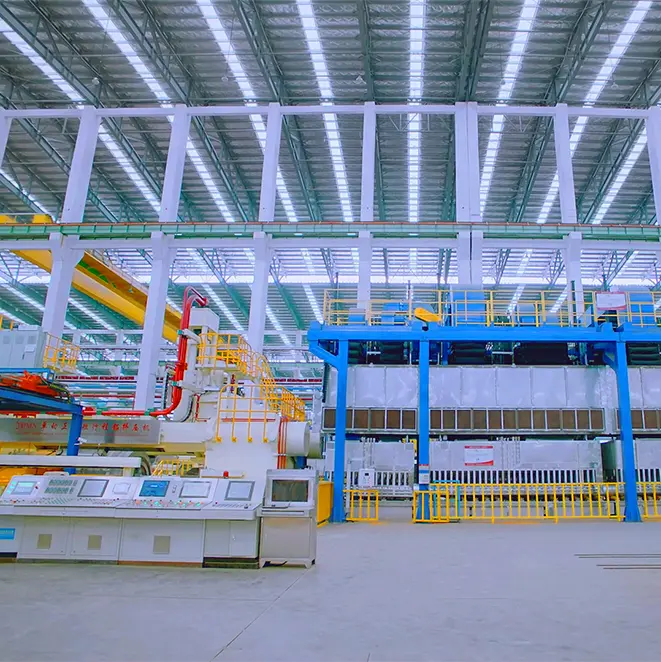
Aerospace Certification: We have obtained the "Special Aluminium Materials for Aerospace" Certificate, positioning us as an elite provider for mission-critical mechanical structures.

Heavy Industry Tooling: Utilizing premium Fenglu profiles and our extensive 800T to 20,000T extrusion capacities, we forge structures in 1xxx to 7xxx alloys up to 1.2m width and 28m length.
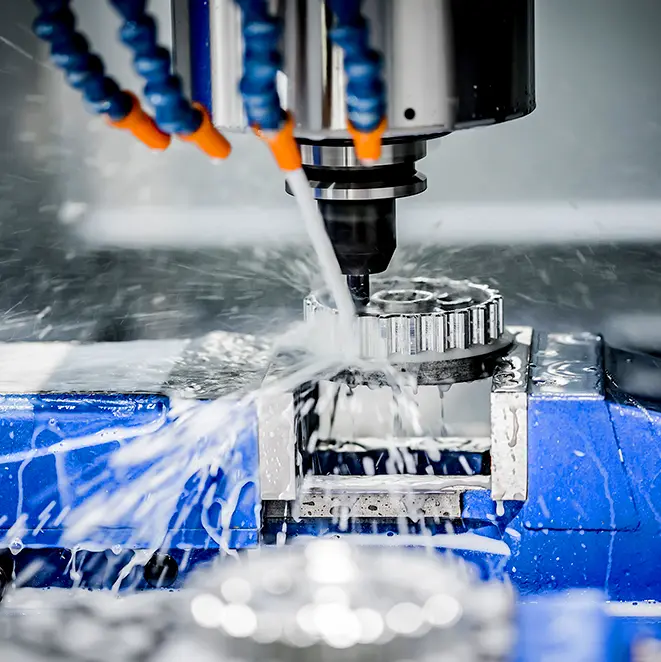
Technical Design Team: Our technicians bring 15 years of experience to solve engineering bottlenecks, ensuring custom rotor components are optimized for thermal expansion and mechanical balance.

Our Special Aluminium Materials for Aerospace certification verifies compliance with international flight and space engineering tolerances.

High-grade Fenglu profiles act as the ideal carrier sleeve for multi-pole segment rotor magnet assemblies, balancing structural rigidity and thermal conduction.

Our experienced technician division guarantees precision machining down to micrometric scales, preventing dynamic rotor imbalance at high frequencies.
Lvxing’s production facility integrates modern extrusion, CNC milling, precision balancing, and advanced magnetizing units under ISO9001 guidance.
To keep pace with high-power industrial motors, the manufacturing methodology of curved segment magnets has undergone significant evolution. Sintered rare earth materials are highly anisotropic, meaning their magnetic direction must be aligned during the pressing stage. Modern production lines utilize radial orientation magnetic field presses to shape curved profiles with perfect radial orientation, rather than relying on flat-axis orientation. This technological advancement results in a 10% to 15% increase in air gap flux density compared to traditional flat-pressed alternatives.
Furthermore, high-speed rotors create intense centrifugal forces. If segment magnets are glued directly to the rotor surface without structural containment, glue aging can result in catastrophic failure. The trend has shifted towards introducing containment sleeves. Lvxing addresses this by engineering thin-walled, high-strength structural sleeves (combining aerospace aluminum and carbon-fiber prepregs) that slide over the curved segment magnets, locking them mechanically in place.
Rare earth materials, especially NdFeB, are highly susceptible to oxidation. Thus, our customized curved magnets undergo advanced multi-barrier surface coatings tailored to target environments:
The unit pricing of customized curved magnets for motor rotors is dynamic and influenced by key material variables, machining tolerances, and scale factors. The baseline price structure is calculated according to raw materials index pricing (such as Neodymium and Dysprosium metal costs) combined with production metrics. Refer to the matrix below for key parameters:
| Material Category | Common Industrial Grades | Operating Temp Limit | Price Index (Relative) | Best Applied In |
|---|---|---|---|---|
| Sintered NdFeB (Low Temp) | N35, N42, N48, N52 | ≤ 80°C | ★☆☆☆☆ (Baseline) | Consumer Electronics, Appliances, Audio equipment |
| Sintered NdFeB (Medium Temp) | N38M, N45M, N48H, N42SH | 100°C - 150°C | ★★☆☆☆ | Industrial Servo Motors, Pumps, E-bikes |
| Sintered NdFeB (High Temp) | N38UH, N40EH, N35AH, N38AH | 180°C - 240°C | ★★★★☆ | EV Traction Motors, Wind Turbines, Aerospace |
| Samarium Cobalt (SmCo) | Sm1Co5, Sm2Co17 (YXG-28 to 32) | 250°C - 350°C | ★★★★★ | Deep-Well Pumps, Aerospace Engines, High-Temp Sensors |
For accurate pricing, please provide your CAD drawings (.stp, .dwg), magnet grade requirement, magnetization direction (e.g., radial, multi-pole radial, or diametrical), coating preference, and batch quantity. Large-scale volume production qualifies for significant quantity-based discounts.
Curved segment magnets follow the curvature of the rotor, keeping the air gap between the stator teeth and magnet constant. This reduces cogging torque (which causes vibration and noise) and improves output torque consistency, increasing efficiency and thermal dissipation capabilities.
For high-frequency applications, we implement magnet segmentation (splitting the arc into smaller insulated segments and bonding them back together). This interrupts the path of eddy currents, significantly reducing heat buildup and preventing thermal demagnetization.
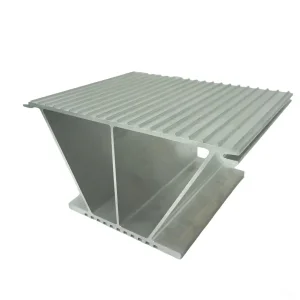
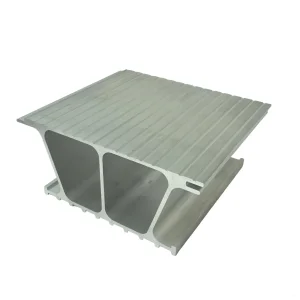
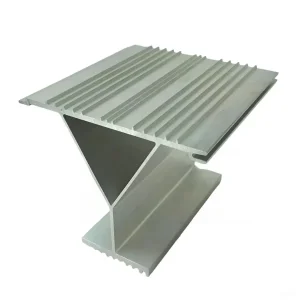
Lvxing manufactures high-tensile rotor retaining sleeves utilizing 6xxx and 7xxx series aluminum, processed on our 20,000T extrusion line. These sleeves hold the curved magnets firmly against the laminated steel core, ensuring mechanical stability under intense centrifugal forces at high RPMs.
An epoxy resin coating (black or grey) or Parylene coating is highly recommended. These coatings create an impermeable barrier against salt spray, chemical humidity, and mild acids, outperforming standard nickel plating in corrosive environments.
We offer multiple magnetization paths: radial magnetization (ideal for maximum flux efficiency), diametrical magnetization, multi-pole magnetization (for brushless hubs), and customized skewed magnetization angles to further minimize cogging torque.
To provide an accurate quotation, please share: 1. Magnet material and grade; 2. Dimensional drawings (Inner radius, outer radius, arc angle, height); 3. Coating type; 4. Magnetization direction; 5. Target order quantity; 6. Specific tolerance or testing requirements.
 LvXing