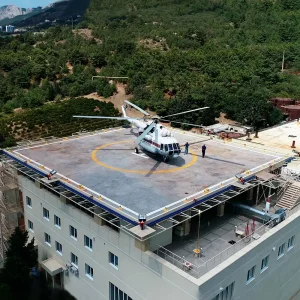
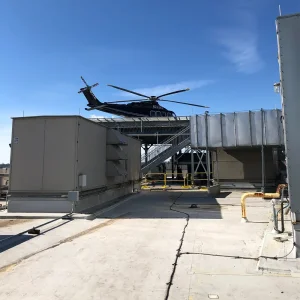
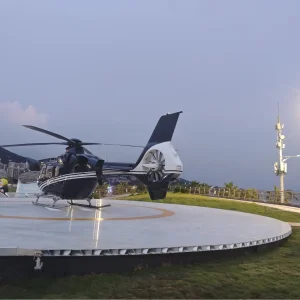
Explore our industrial-grade, CE-certified aluminum helipads, profiles, and engineered perimeter deck safety mesh systems.
In high-stakes industrial, offshore, and marine environments, safety and structural integrity are non-negotiable parameters. As a pioneering force in architectural and safety structures, the modern industry demands customized deck net solutions that align with rigorous global regulations. Deck nets, specifically helideck safety meshes, are key safety components deployed to prevent helicopters, personnel, and heavy equipment from sliding off elevated platforms or falling into oceanic waters. This whitepaper systematically breaks down material selection, manufacturing capabilities, compliance guidelines, and procurement metrics for global projects.
Historically, landing decks relied on carbon steel or synthetic fiber net barriers. These systems required continuous repair and suffered high degradation rates under extreme weather conditions. The paradigm shift toward extruded aluminum alloy systems has revolutionized civil and military structural engineering.
Aluminum's inherent high strength-to-weight ratio, outstanding resistance to saline corrosion, and minimal maintenance overhead make it the ideal substrate. Modern safety deck nets are custom-engineered structures combining perimeter framing with stainless steel or specialized alloy mesh, ensuring elastic displacement during high impact events without plastic deformation of the primary helideck framework.
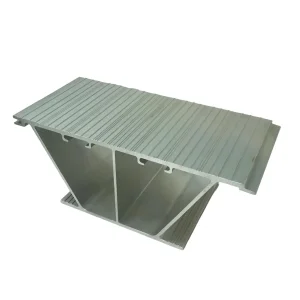
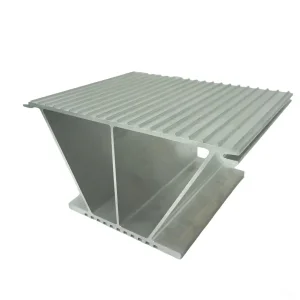
Global procurement offices evaluating customized deck net manufacturers emphasize the material chemistry and tensile integrity of structural alloys. The physical profile of the aluminum determines the structural stability of the landing system:
| Alloy Series | Mechanical Properties | Corrosion Resistance | Primary Application Areas |
|---|---|---|---|
| 6xxx Series (6061 / 6082-T6) | High tensile yield strength, excellent weldability | Highly resistant in marine/coastal air | Primary load-bearing helideck profiles, perimeter structural frames |
| 5xxx Series (5052 / 5083) | Superior strain hardening, excellent toughness | Outstanding in saltwater environments | Secondary safety nets, bracket fixtures, structural plates |
| 7xxx Series (7075) | Ultra-high mechanical strength, aerospace-grade | Moderate corrosion, requires protective finish | Precision attachment pins, high-stress landing gear pads |
Your strategic partner in high-performance aluminum solutions and advanced structural designs.
Established in 2015 and located in Foshan City, Guangdong, LvXing Intelligent Equipment Co., Ltd. boasts a skilled R&D team with extensive experience. We leverage exceptional technical expertise to effectively transform customers' ideas into reality, consistently meeting their precise requirements.
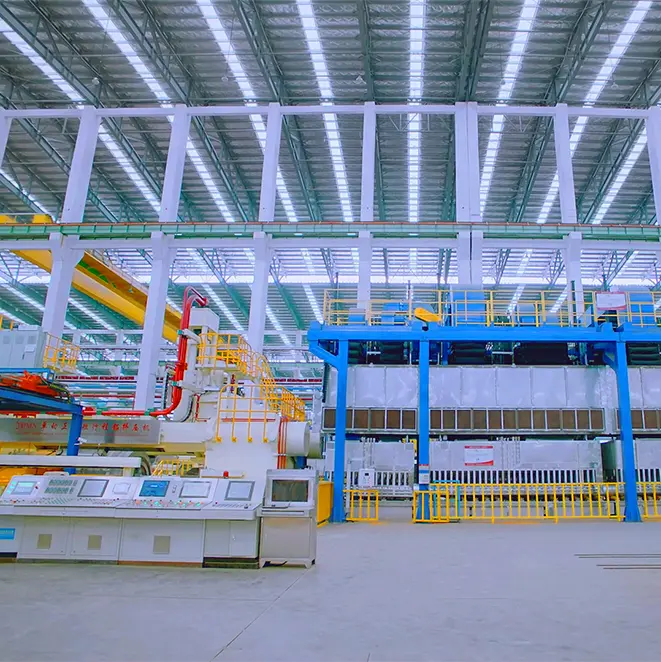
We utilize premium Fenglu aluminum, offering a diverse range of profiles for flexible applications. Our extrusion lines, ranging from 800T to 20,000T, accommodate alloys 1xxx, 2xxx, 3xxx, 5xxx, 6xxx, and 7xxx, allowing us to produce shaped products with section dimensions up to 1.2 meters in width and 28 meters in length. These products are recognized for their precision and meticulous processing, finding broad application in aerospace, military, medical, and industrial sectors.
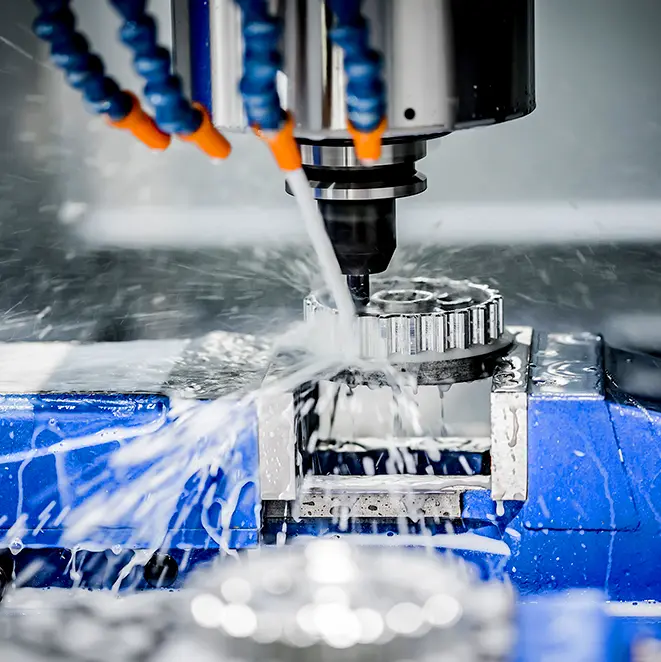
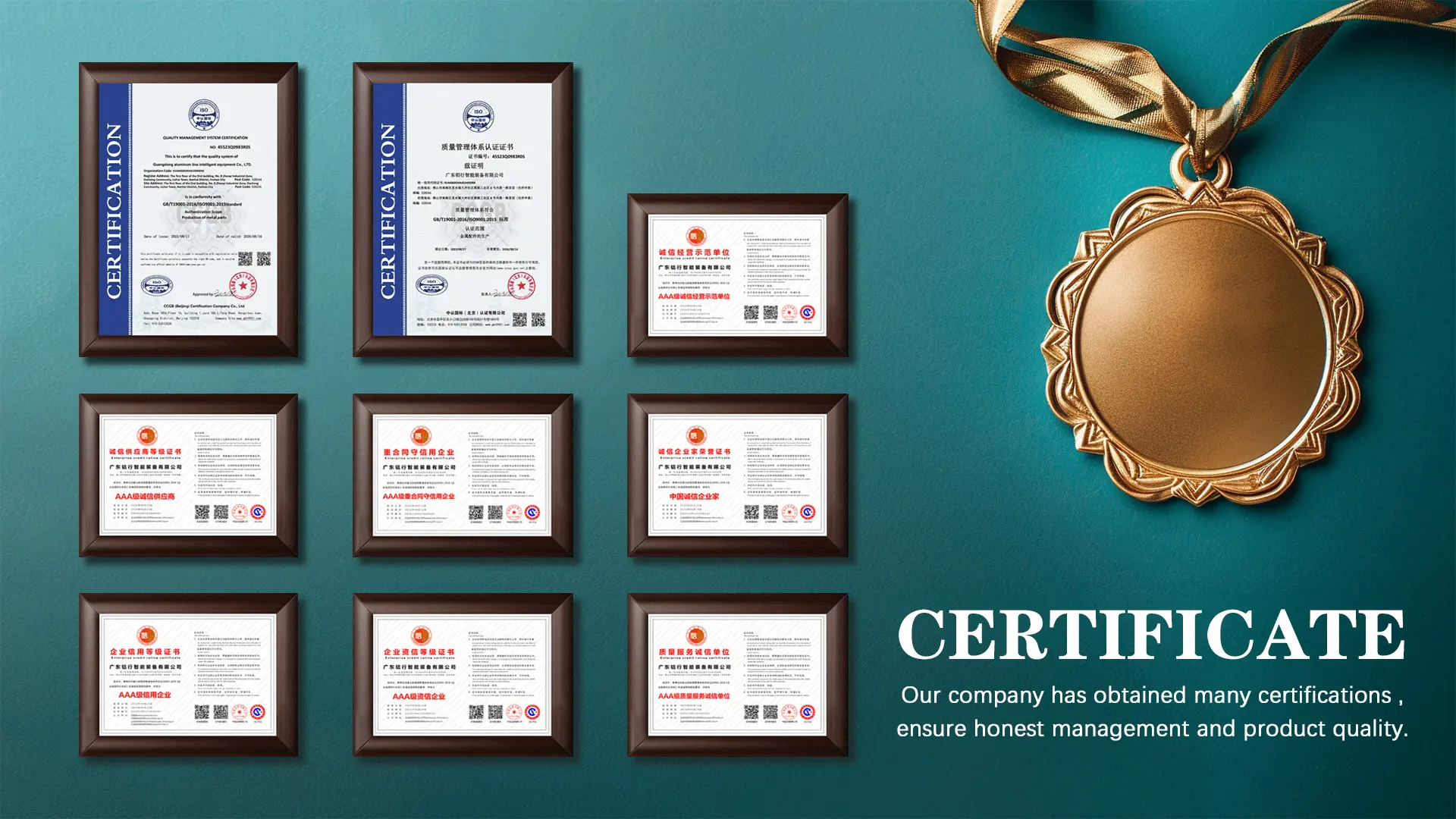
Our commitment to excellence is evident throughout the manufacturing process, rigorous quality control, thorough packaging, and efficient shipping procedures. This dedication has earned us recognition as a national excellent and honest enterprise, along with quality system certification in accordance with GB/T19001-2016/ISO9001:2015 standards.

We have officially obtained the "Special Aluminium Materials for Aerospace" Certificate, confirming our strict standard compliance for defense and military aerospace integrations.

Using high-quality Fenglu aluminum, our 800T to 20,000T extrusion lines support 1xxx to 7xxx alloys, crafting sections up to 1.2m wide and 28m long.

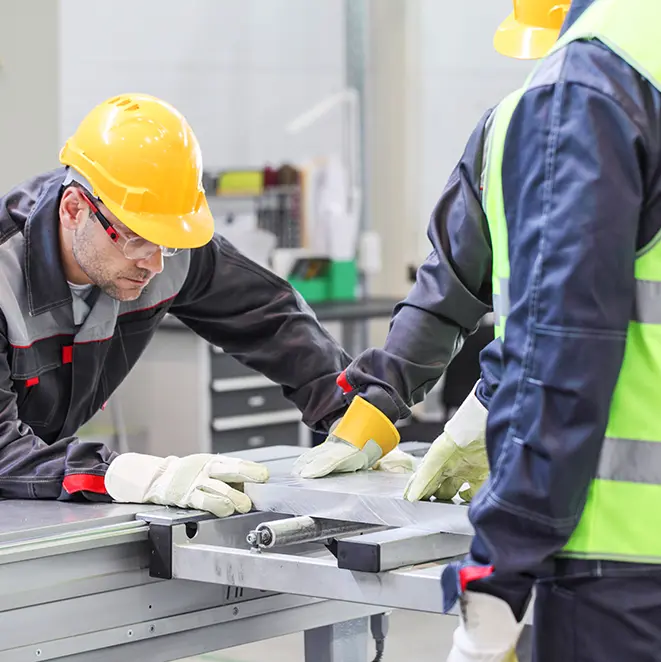
Our specialized engineering team averages 15 years of industrial experience, turning customized conceptual sketches into optimized, safe, and deployable helipad networks.
A customized deck net supplier must follow international aviation codes to guarantee safety. Key industry requirements include:
As smart cities and automated offshore drilling platforms grow, deck nets are transitioning from passive safety structures to integrated intelligent systems. Emerging tech integrations include:
As industrial operations look to reduce environmental impact, aluminum manufacturing is shifting towards circular economy designs. Using green hydro-powered aluminum and optimizing extrusion processes reduces embedded carbon in structural safety equipment, helping global clients reach their ESG goals.
Get answers to common technical, compliance, and material engineering questions from our senior designers.
For primary structural deck profiles, marine-grade 6082-T6 or 6061-T6 aluminum alloys are recommended due to their high tensile strength and corrosion resistance. Secondary supports and safety net components often use 5xxx series alloys, which provide exceptional performance in high-salinity marine environments.
Our heavy-duty extrusion equipment (ranging from 800T to 20,000T) allows us to manufacture complex, wide profiles up to 1.2 meters wide and 28 meters long. This reduces the number of structural welds and connections, increasing the overall strength and reliability of the helipad deck.
Yes. Our designs can be customized to comply with CAA CAP 437, FAA standards, and regional building codes. This includes meeting requirements for perimeter drop safety, load distribution, and friction parameters.
All operations are managed under GB/T19001-2016 / ISO9001:2015 quality standards. We perform tensile tests, dimensional verification, load testing, and corrosion resistance checks. Project-specific QA/QC documentation is provided with every shipment.
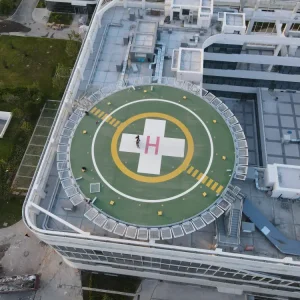
Explore our range of customizable rooftop, skyscraper, and hospital helideck products designed to strict technical specifications.
 LvXing