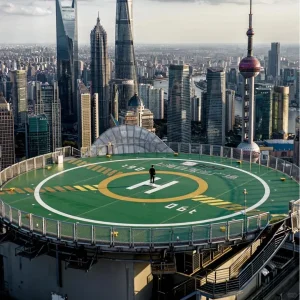
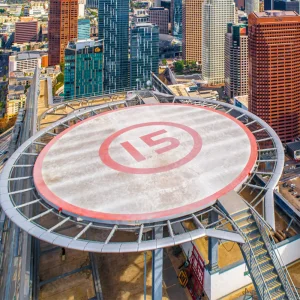
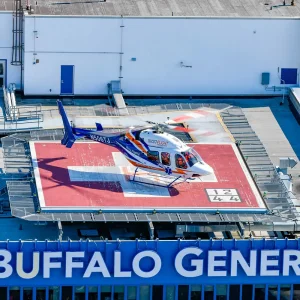
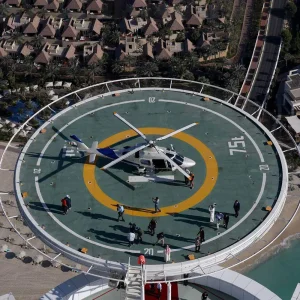
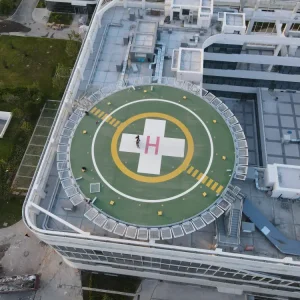
Explore our certified aluminum profiles, landing platforms, and custom emergency helicopter deck configurations engineered for critical environments.
Establishing the standard for next-generation aviation infrastructure through aerospace-grade materials, precision structural designs, and absolute regulatory compliance.
In the modern aviation sector, the safety and deployment efficacy of helicopter operations are deeply bound to the structural integrity of landing zones and perimeter containment systems. As urban landscapes densify and offshore oil exploration pushes deeper into extreme maritime conditions, the demand for specialized, custom-engineered helipads and perimeter safety netting has surged. At Lvxing Intelligent Equipment, we address this critical need by combining our multi-decade expertise in aluminum extrusion metallurgy with advanced structural manufacturing workflows. Our product ecosystem serves as the physical backbone for life-saving helicopter emergency services (HEMS), military command structures, remote scientific stations, and high-intensity offshore energy installations worldwide.
Selecting a helicopter environment net or helideck profile is not merely a purchasing decision; it is a vital lifecycle protection strategy. Modern landing systems must absorb significant kinetic energy, withstand extreme wind shearing, and exhibit long-term corrosion resistance in the presence of salt spray, aviation fuels, and high ozone exposure. Our engineering philosophy targets zero-failure operations. Through rigorous raw material sourcing, structural validation, and full adherence to global codes including CAP 437, CAP 1264, and ICAO Annex 14 standards, Lvxing ensures that every custom-fabricated profile and perimeter safety network performs flawlessly under high-stress conditions.
Comprehensive, customized structural systems engineered specifically for distinct industrial segments and their specific hazard environments.
Extremely volatile environments demand deck and perimeter protection that withstand constant exposure to harsh oceanic elements. Our systems feature high-strength 6082-T6 and 6061-T6 aluminum configurations that are highly corrosion-resistant, eliminating maintenance downtime in deep-sea operations.
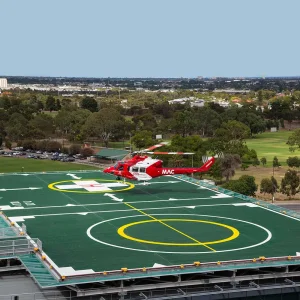
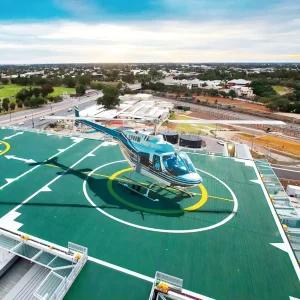
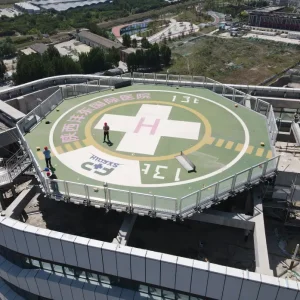
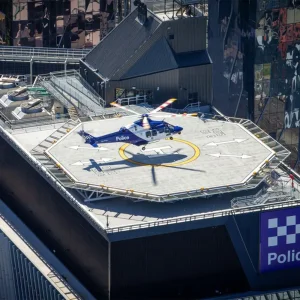
Rooftop landing zones for trauma centers require lightweight designs to limit structural stress on older buildings while remaining strong enough to handle dynamic emergency landings. We build custom landing grids that spread load forces evenly, optimizing hospital roof helipads for emergency use.
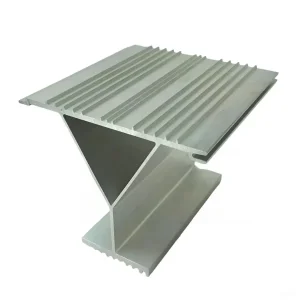
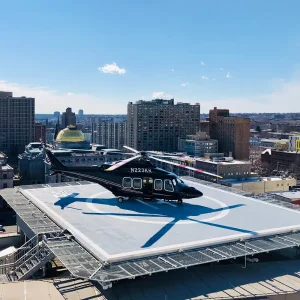
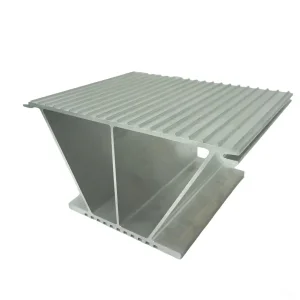
Densely built urban cores present significant wind turbulence, height concerns, and weight challenges. Our custom high-strength aluminum helipad profile extrusions permit rapid rooftop helipad assembly, reducing roof loads while meeting strict city building codes.
A closer look at key growth drivers, global aviation compliance shifts, and localized industrial challenges.
The offshore drilling and support vessel industry in harsh oceanic areas faces severe weather conditions, freezing spray, and structural icing. Perimeter safety nets must remain flexible and strong down to sub-zero temperatures, while keeping ice buildup to a minimum. Our marine-grade aluminum and engineered synthetic net options are designed to perform reliably under these extreme environmental loads.
Developing countries are investing heavily in trauma care networks, which relies on adding helipads to existing hospital structures. High weight capacity and structural efficiency are key to upgrading these facilities. Our custom aluminum extrusions allow for modular construction on roofs, reducing installation times and minimizing building reinforcements.
As eVTOL and vertical urban flight corridors develop, rooftop vertiports will need customizable safety systems. These networks must manage complex airflow patterns and varying load dynamics. Lvxing is adapting our helipad profiles and perimeter netting to match these emerging vertical flight needs.
How we ensure international engineering standards translate perfectly into localized project success.
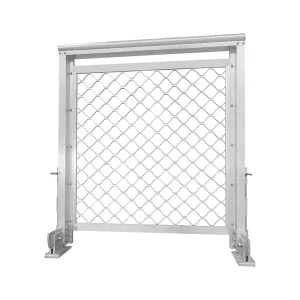
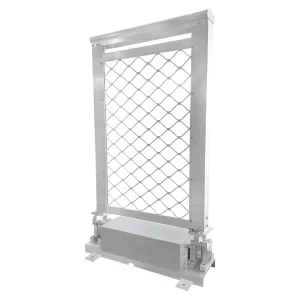
Helideck safety demands total compliance with global aviation guidelines. Civil Aviation Authority CAP 437 sets strict rules for helideck perimeter safety nets, stating they must bend and absorb energy without breaking, while showing excellent weather durability.
Lvxing safety nets undergo drop tests simulating the force of an falling crew member. The net must catch the load without bottoming out or transferring too much stress to the deck structure. We utilize marine-grade 316 stainless steel frame fittings alongside high-strength aluminum profiles to build safety networks that stand up to the most demanding test procedures.
Whether you are complying with local European CE regulations, US FAA circulars, or Middle Eastern civil aviation codes, our technical support team provides custom documentation, material certificates, and structural calculations to ensure smooth inspection approval.
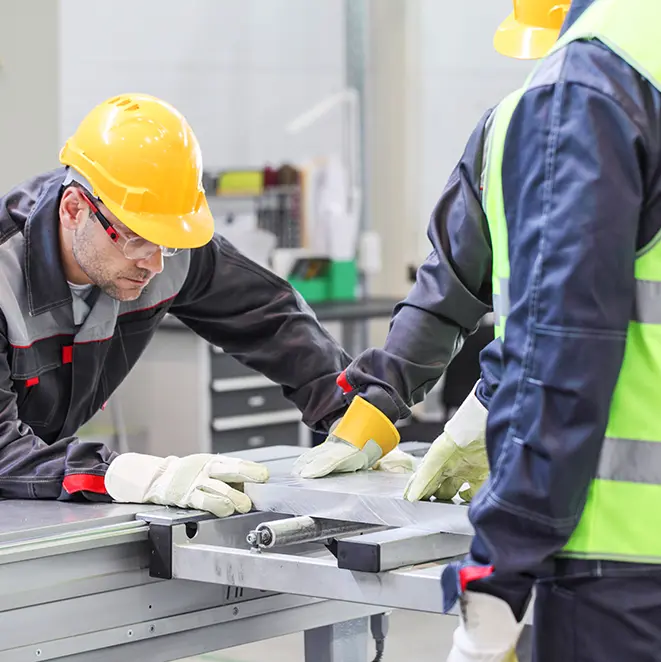
Established in 2015 and located in Foshan City, Guangdong, LvXing Intelligent Equipment Co., Ltd. boasts a skilled R&D team with extensive experience. We leverage exceptional technical expertise to effectively transform customers' ideas into reality, consistently meeting their precise requirements.
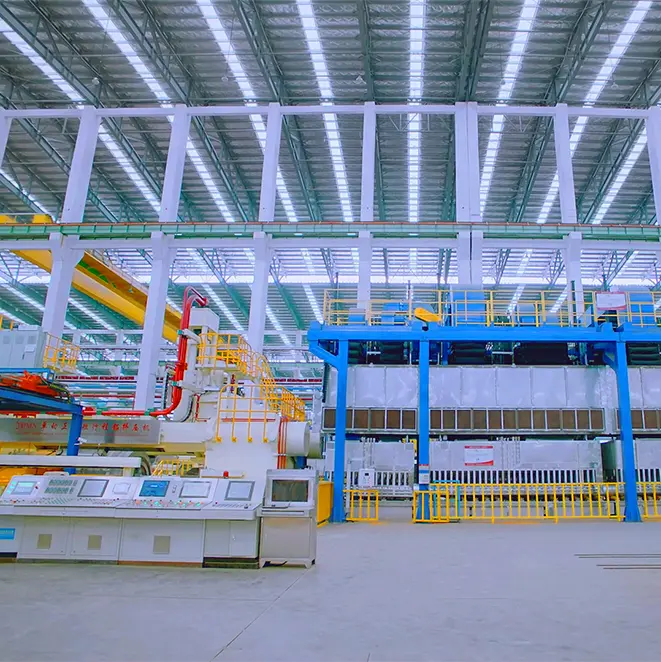
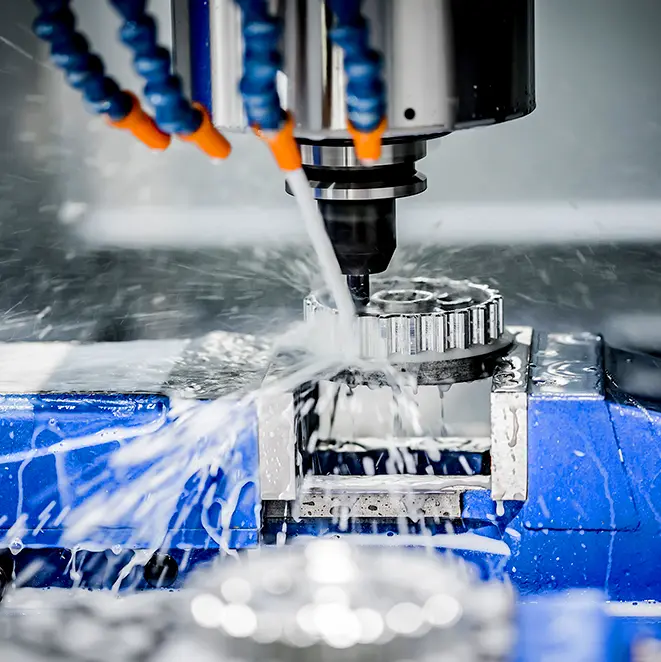
We utilize premium Fenglu aluminum, offering a diverse range of profiles for flexible applications. Our extrusion lines, ranging from 800T to 20,000T, accommodate alloys 1xxx, 2xxx, 3xxx, 5xxx, 6xxx, and 7xxx, allowing us to produce shaped products with section dimensions up to 1.2 meters in width and 28 meters in length. These products are recognized for their precision and meticulous processing, finding broad application in aerospace, military, medical, and industrial sectors.
Our commitment to excellence is evident throughout the manufacturing process, rigorous quality control, thorough packaging, and efficient shipping procedures. This dedication has earned us recognition as a national excellent and honest enterprise, along with quality system certification in accordance with GB/T19001-2016/ISO9001:2015 standards.
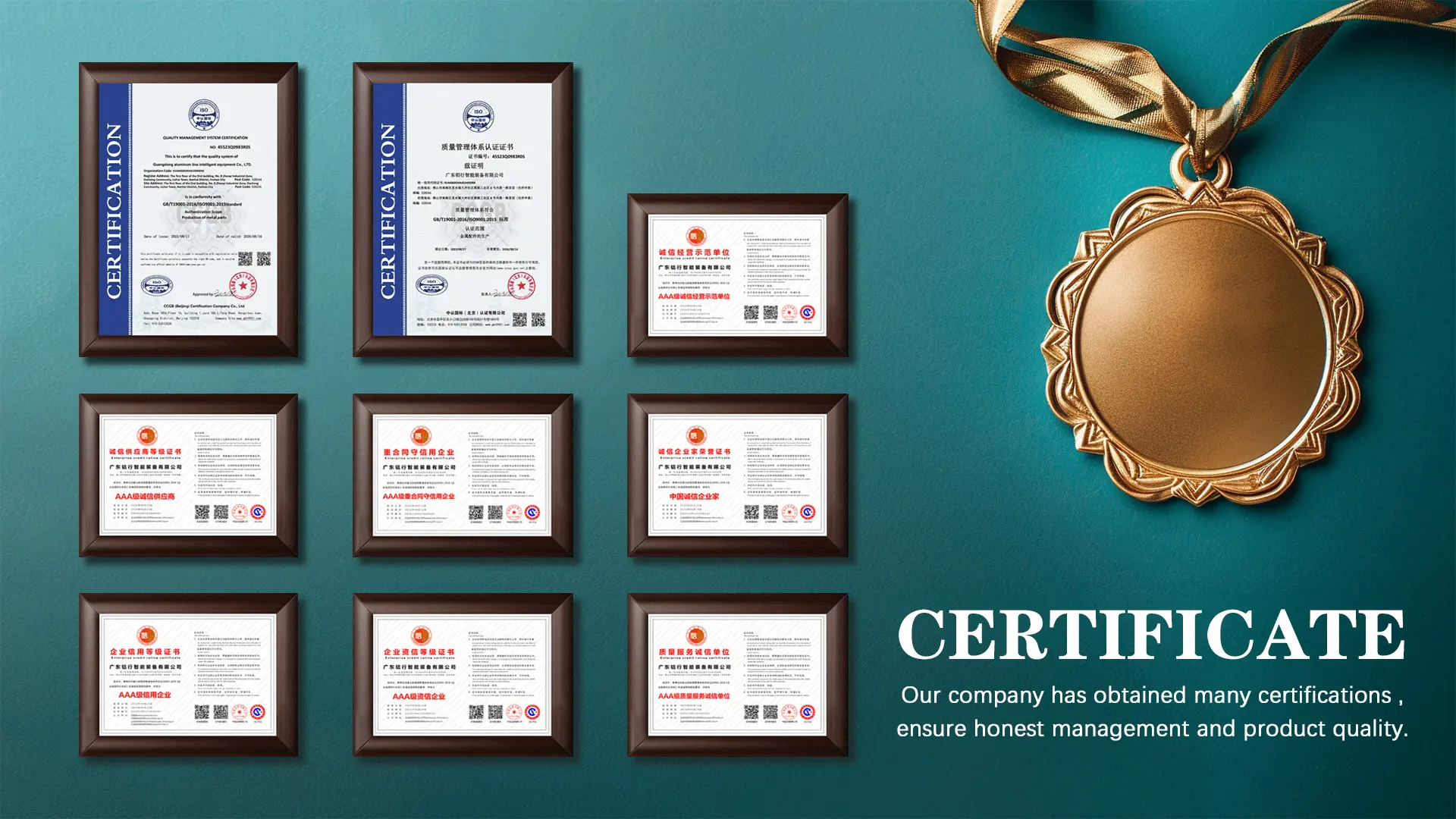
Combining state-of-the-art aluminum manufacturing with specialized engineering qualifications.

We have obtained the "Special Aluminium Materials for Aerospace" Certificate, verifying our high metallurgical and quality control standards.

We utilize high-quality Fenglu aluminum profiles. Extrusion lines from 800T to 20,000T support alloys 1xxx to 7xxx, enabling products up to 1.2m wide or 28m long.

Our technicians offer 15 years of industry experience, allowing us to anticipate design challenges and provide practical insights for customized configurations.
Pioneering smart materials, active safety mechanisms, and sustainable manufacturing workflows.
We are researching smart fiber-optic and load-cell sensor integration inside perimeter frames. This tech lets safety nets measure impacts, monitor environmental stresses in real-time, and alert maintenance crews when dynamic limits are exceeded.
Collaborating with leading metal scientists, Lvxing is testing next-generation aluminum-lithium formulations. These new alloys aim to cut structural weight by another 10-15% while improving overall tensile strength and fatigue resistance in marine environments.
To meet global sustainability targets, Lvxing is introducing zero-waste aluminum recycling loops. These loops utilize solar-powered refining systems to reduce the carbon footprint of our helipad extrusions without altering alloy performance.
Comprehensive answers to technical, regulatory, and mechanical questions for helideck architects and safety officers.
Explore our specialized range of high-strength alloy extrusions, safety nets, and certification-compliant structural profiles.
 LvXing