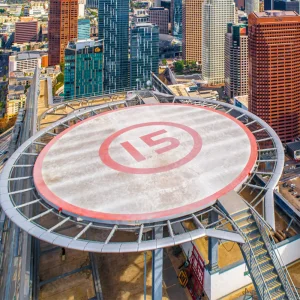
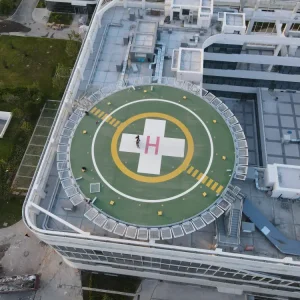
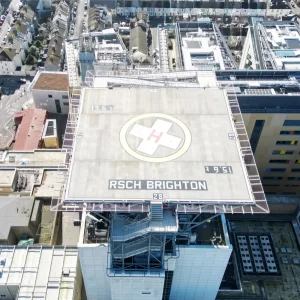
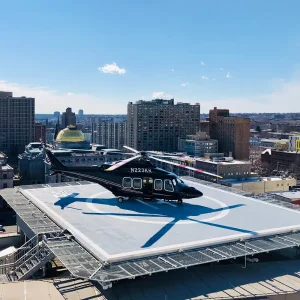
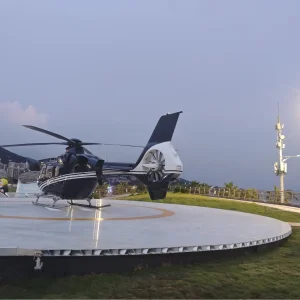
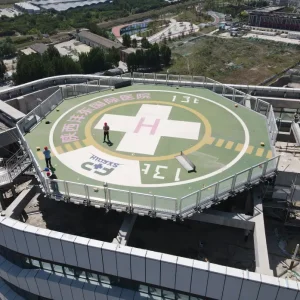
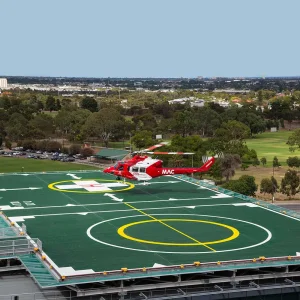
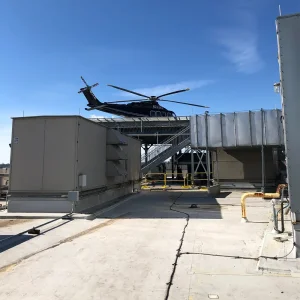
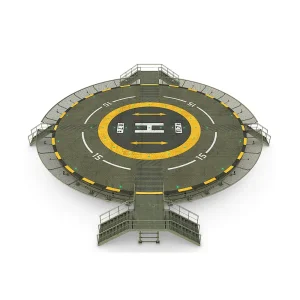
In high-stakes offshore energy extraction, deep-sea exploration vessels, and metropolitan medical rooftop helipads, helicopter operations constitute one of the most critical logistical vectors. Consequently, the peripheral engineering configurations surrounding these platforms are subject to stringent mechanical demands. Specifically, a helideck safety net system represents the last line of physical defense against personnel and equipment falling over deck perimeter edges during dynamic, high-wind maritime landings.
Global aviation authorities, including the United Kingdom Civil Aviation Authority (CAP 437), the Federal Aviation Administration (FAA), and the International Civil Aviation Organization (ICAO Annex 14), mandate that all elevated helidecks install dedicated perimeter protection safety netting. Far from being a passive accessory, this net must absorb dynamic drop impacts up to 2.3 kJ, resist severe wind uplift vectors, withstand corrosive saline atmospheres, and maintain structural integrity across decades of continuous exposure. Understanding the underlying materials science, structural mechanics, and metallurgical processing is fundamental to procurement efficacy.
Procuring maritime and aerospace-grade structural installations is a complex process. Strategic sourcing managers face several challenges when evaluating a *customized helideck safety net factory*:
Saline mist and high moisture lead to rapid galvanic corrosion in mixed metals. Sourcing managers demand specialized aluminum alloys (like 6061-T6 or 6082-T6) paired with marine-grade 316 stainless steel mesh options to prevent system failure.
Aviation risk assessments require manufacturer material traceability, including mill test certificates and third-party certifications (e.g., CE, DNV, ABS, or ISO 9001). Failure to meet these criteria can lead to high compliance fines.
Each deck configuration is unique. Sourcing managers require factories capable of dynamic tooling changes, allowing custom lengths, corner angles, and custom mount points to fit existing structural steel flanges without field welding.
To address these concerns, top-tier factories utilize integrated digital engineering processes, including finite element analysis (FEA) and parametric structural modeling. This approach ensures that every custom frame geometry meets safety requirements before fabrication begins.
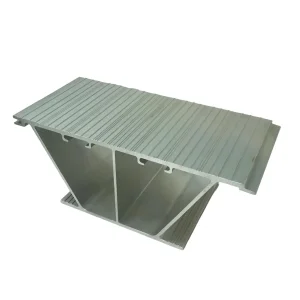
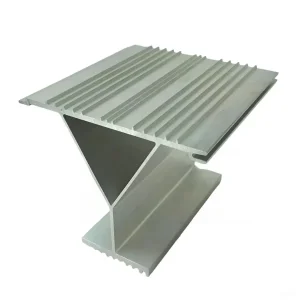
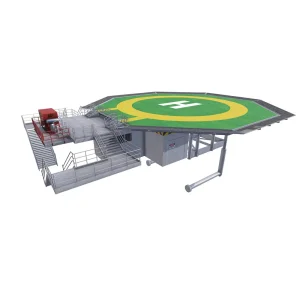
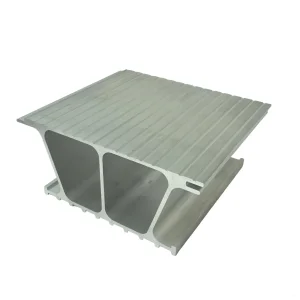
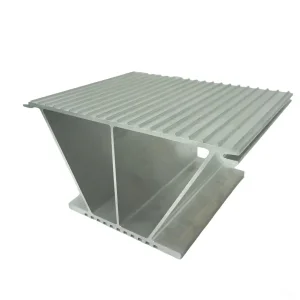
A helideck is a complex structural system. While the safety net provides fall protection, it must integrate seamlessly with the helideck's structural landing surface. The modern solution uses lightweight, modular, interlocking extruded aluminum deck profiles.
The interface between the perimeter structural profiles and the safety net framing must be designed to minimize wind turbulence while transferring dynamic load vectors safely to the primary supporting truss. Advanced solutions use integrated C-channels extruded directly into the perimeter deck profiles, allowing for fast, weld-free installation of the safety net brackets.
Our system utilizes custom-designed aluminum profiles that allow the net frames to tilt down or fold back during heavy cargo operations. This design provides maximum operational flexibility while ensuring full protection during flight operations.
The development of high-performance aluminum helideck components relies on advanced metallurgy and extrusion technology. Our technological roadmap focuses on optimizing structural performance under severe conditions.
Selecting high-grade raw aluminum, such as Fenglu aluminum, allows for the extrusion of 6xxx and 7xxx series alloys. These alloys are heat-treated to maximize yield strength and prevent stress-corrosion cracking in marine environments.
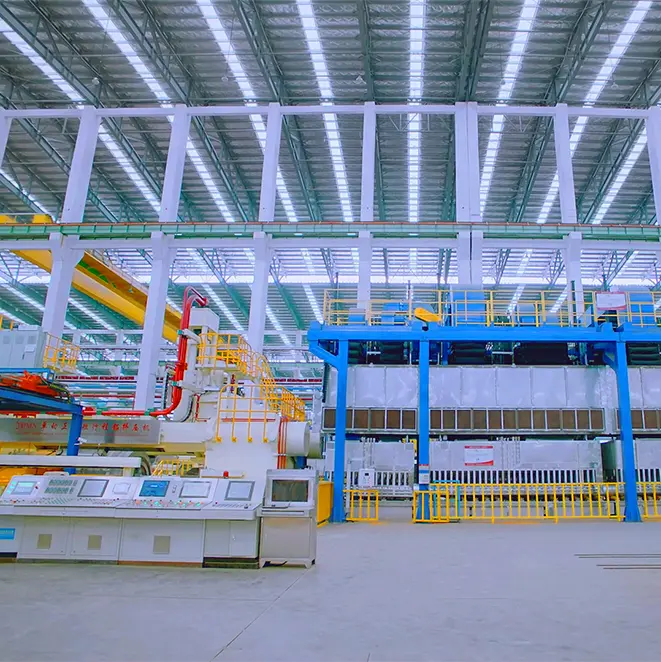
Utilizing large-scale extrusion lines allows for the production of wide structural profiles up to 1.2 meters in width and 28 meters in length. This reduces the number of structural welds, minimizing heat-affected zones and potential failure points.
Combining high-strength structural aluminum frames with flexible, tensioned 316 stainless steel mesh creates a safety net system that deforms under load, absorbing energy and catching personnel safely without causing rebound injuries.
Established in 2015 and located in Foshan City, Guangdong, LvXing Intelligent Equipment Co., Ltd. is a leading manufacturer specializing in high-performance aluminum helideck solutions. We combine advanced metallurgy, engineering expertise, and quality control systems to deliver reliable products to our partners worldwide.

We have obtained the prestigious “Special Aluminium Materials for Aerospace” Certificate, confirming our ability to meet the strict quality standards required for aviation infrastructure.
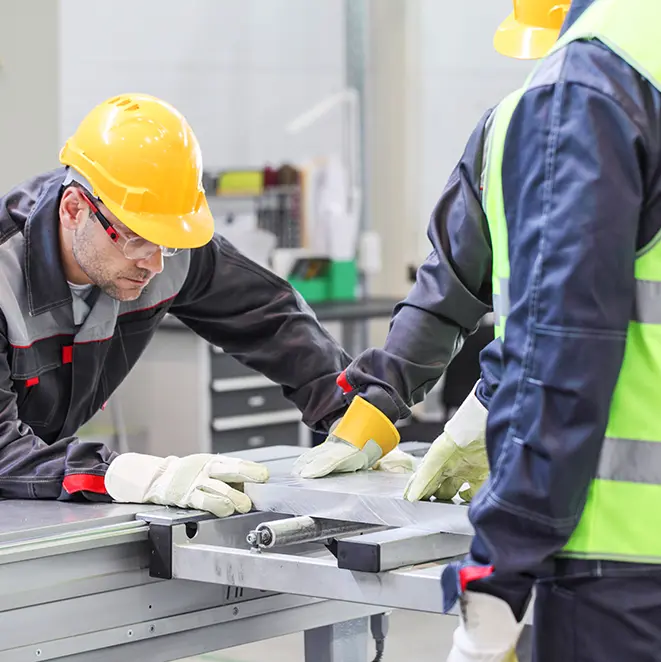

Utilizing high-quality Fenglu aluminum, our extrusion lines range from 800T to 20,000T. We manufacture complex profiles up to 1.2m wide and 28m long in 1xxx to 7xxx alloys.
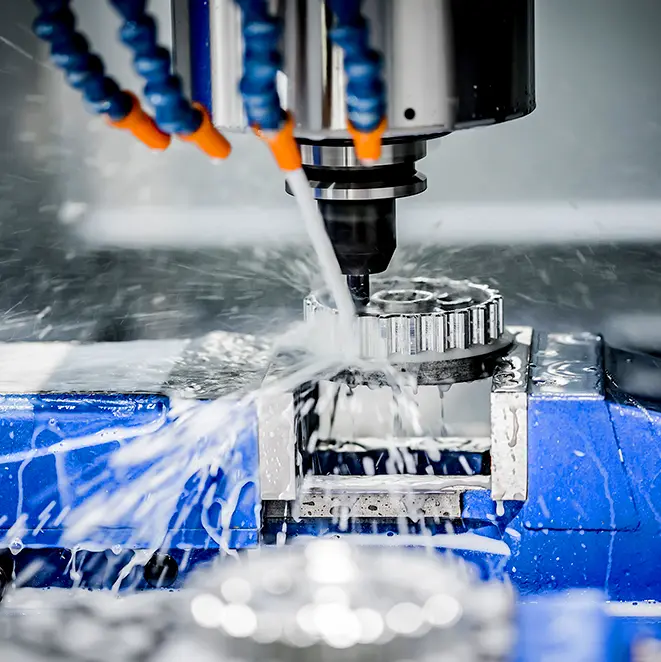

Our technical R&D team brings 15 years of industry experience, allowing us to customize solutions, identify potential structural issues early, and ensure ISO 9001:2015 quality standards.
By controlling the entire process—from design and alloy customization through our advanced extrusion lines to dynamic stress testing—we ensure that every safety net frame and aluminum deck profile is built to perform in the field.
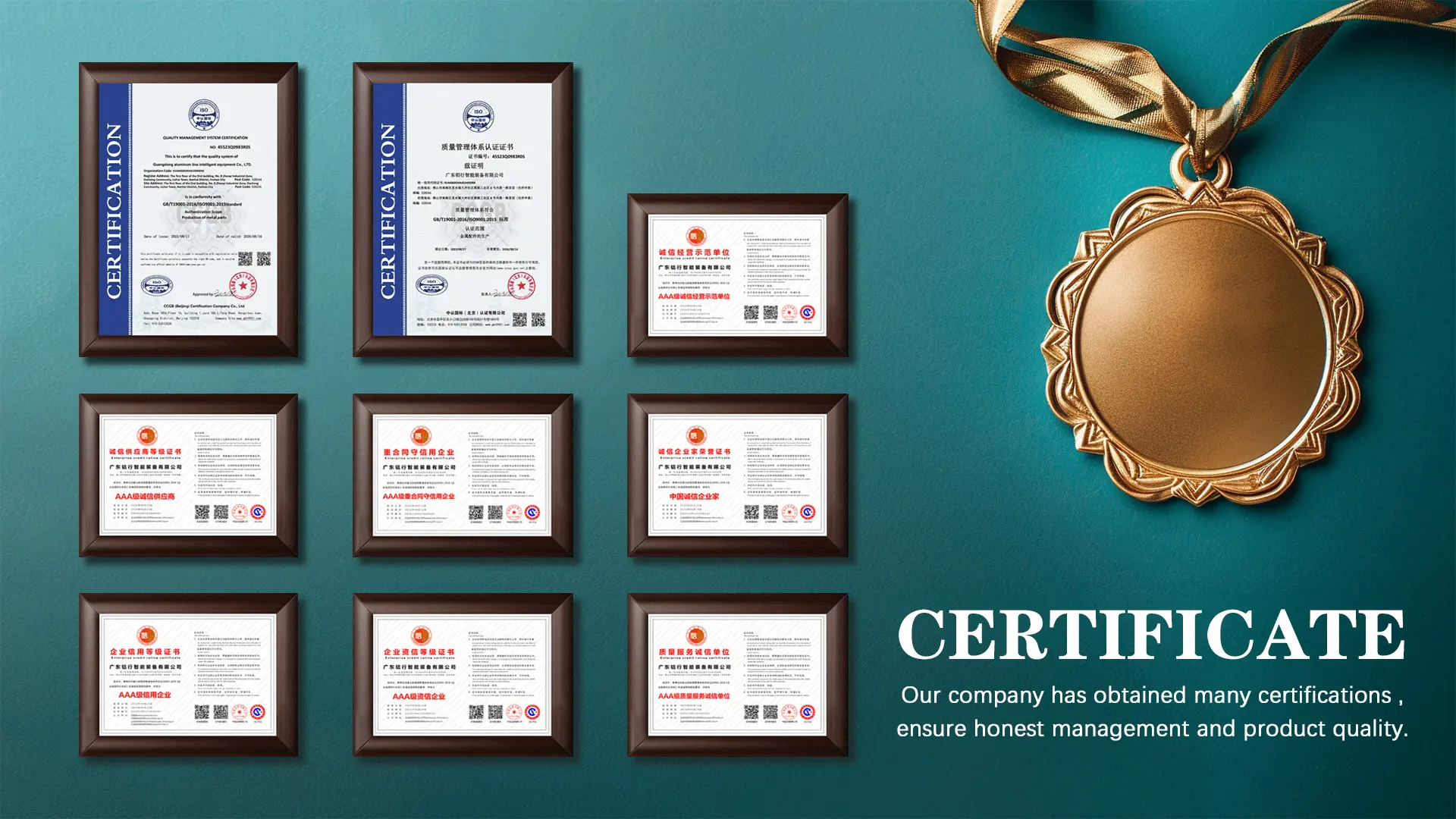
Helideck installations are subject to strict regulatory oversight. A high-quality helideck safety net must comply with major global codes to ensure compliance during aviation inspections.
CAP 437 mandates that helidecks have a perimeter safety net system extending 1.5 meters outwards from the deck edge. The net must tilt upwards slightly (approx. 10 degrees) and must not project above the level of the landing area to avoid rotor hazard risks.
ICAO Annex 14 dictates physical design characteristics and obstacle limitations for helipads. Safety net systems must have verified mechanical properties capable of catching a 100kg mass dropped from a height of 1 meter without structural damage.
Our manufacturing facilities are certified to GB/T19001-2016/ISO9001:2015. We maintain trace records of alloy compositions, extrusion parameter logs, and load test reports to ensure every delivered component meets engineering requirements.
For technical assistance, please review our FAQ covering common structural engineering and procurement questions.
We primarily recommend marine-grade 6xxx series alloys, such as 6061-T6 or 6082-T6, for helideck safety net frames. These alloys offer high tensile strength, ease of extrusion, and excellent corrosion resistance in saline marine environments. For structural deck profiles with higher loading demands, specialized aerospace-grade formulations can be customized.
Under CAP 437, the perimeter safety net must extend at least 1.5 meters from the edge of the landing area. The net must have a slightly inclined angle (approx. 10 degrees) and should not rise above the level of the deck. The net tension must be sufficient to prevent a fallen person from breaking through, but flexible enough to cushion their fall, absorbing dynamic energy.
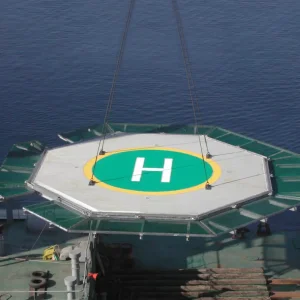
Yes. Utilizing our in-house engineering and R&D capabilities, we design custom configurations. We can extrude, cut, and bend profiles to match circular, hexagonal, octagonal, or irregular helidecks. This ensures a precise fit for marine vessels and hospital rooftops alike.
Fenglu aluminum is known for its excellent metallurgical purity and structural reliability. Utilizing this material in our 800T to 20,000T extrusion lines allows us to produce high-strength profiles with section dimensions up to 1.2 meters wide and 28 meters long. This minimizes joint connections and maximizes structural stability.
Our safety net systems undergo physical drop tests in compliance with international maritime requirements. A 100kg weight is dropped from a height of 1 meter onto the center of a tensioned net panel. The net frame, mesh, and mounts must show no structural deformation or failure, verifying their ability to absorb dynamic fall forces.
Yes. By using 316 marine-grade stainless steel wire mesh or specialized polyester-coated meshes secured within anodized aluminum alloy frames, our safety nets resist UV degradation, freeze-thaw cycles, and tropical heat, maintaining their safety rating for years.
 LvXing