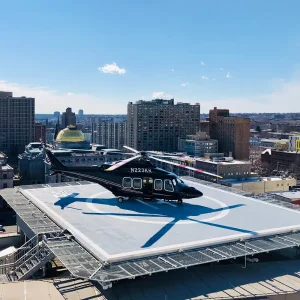
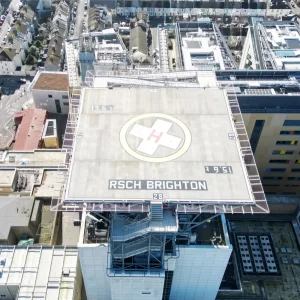
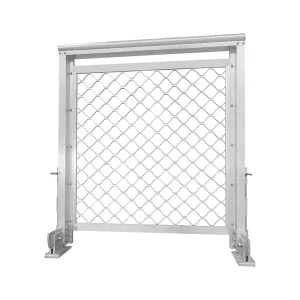
Explore our leading product range, certified to meet international standards for civil aviation and offshore platforms.
An authoritative analysis of compliance requirements, material physics, and safety optimization for modern aviation infrastructure.
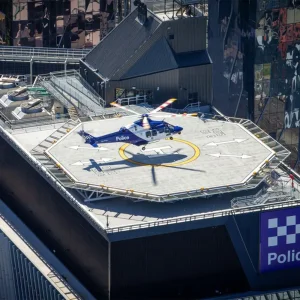
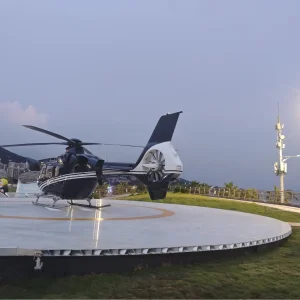
Helideck and helipad perimeter safety systems are not passive accessories; they are vital, structural safeguards designed to absorb significant kinetic energy under emergency loads. In offshore marine environments, high-rise metropolitan hospitals, and tactical military bases, the performance of these perimeter nets is directly tied to human lives. An optimized helipad safety system requires a deep understanding of metallurgy, mechanical engineering, and global regulatory demands.
Historically, steel chainlink fencing was widely deployed as a perimeter safety net. However, its rigidity and vulnerability to corrosion made it an unreliable choice over long operational lifespans. Today, international civil aviation bodies demand engineered solutions. Key protocols, including CAP 437 (Standards for Offshore Helicopter Landing Areas), ICAO Annex 14, and FAA AC 150/5390-2C, have set strict design rules:
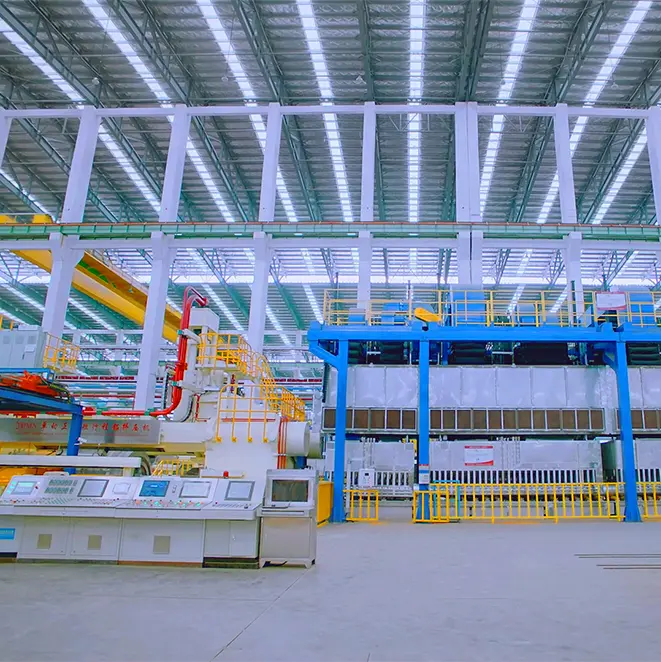
Established in 2015 and located in Foshan City, Guangdong, LvXing Intelligent Equipment Co., Ltd. boasts a skilled R&D team with extensive experience. We leverage exceptional technical expertise to effectively transform customers' ideas into reality, consistently meeting their precise requirements.
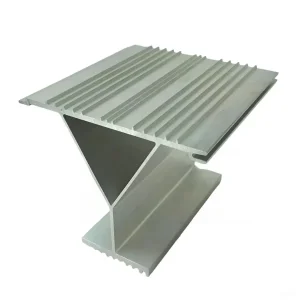
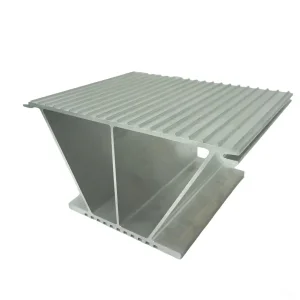
We utilize premium Fenglu aluminum, offering a diverse range of profiles for flexible applications. Our extrusion lines, ranging from 800T to 20,000T, accommodate alloys 1xxx, 2xxx, 3xxx, 5xxx, 6xxx, and 7xxx, allowing us to produce shaped products with section dimensions up to 1.2 meters in width and 28 meters in length. These products are recognized for their precision and meticulous processing, finding broad application in aerospace, military, medical, and industrial sectors.
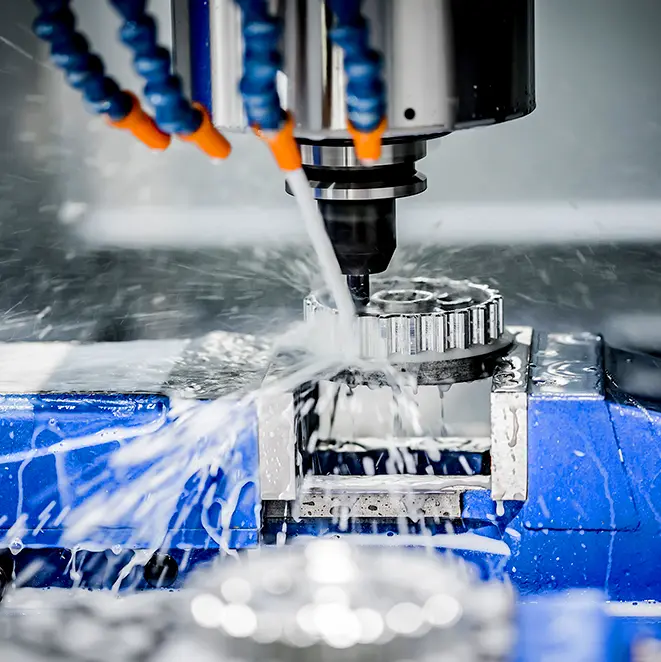
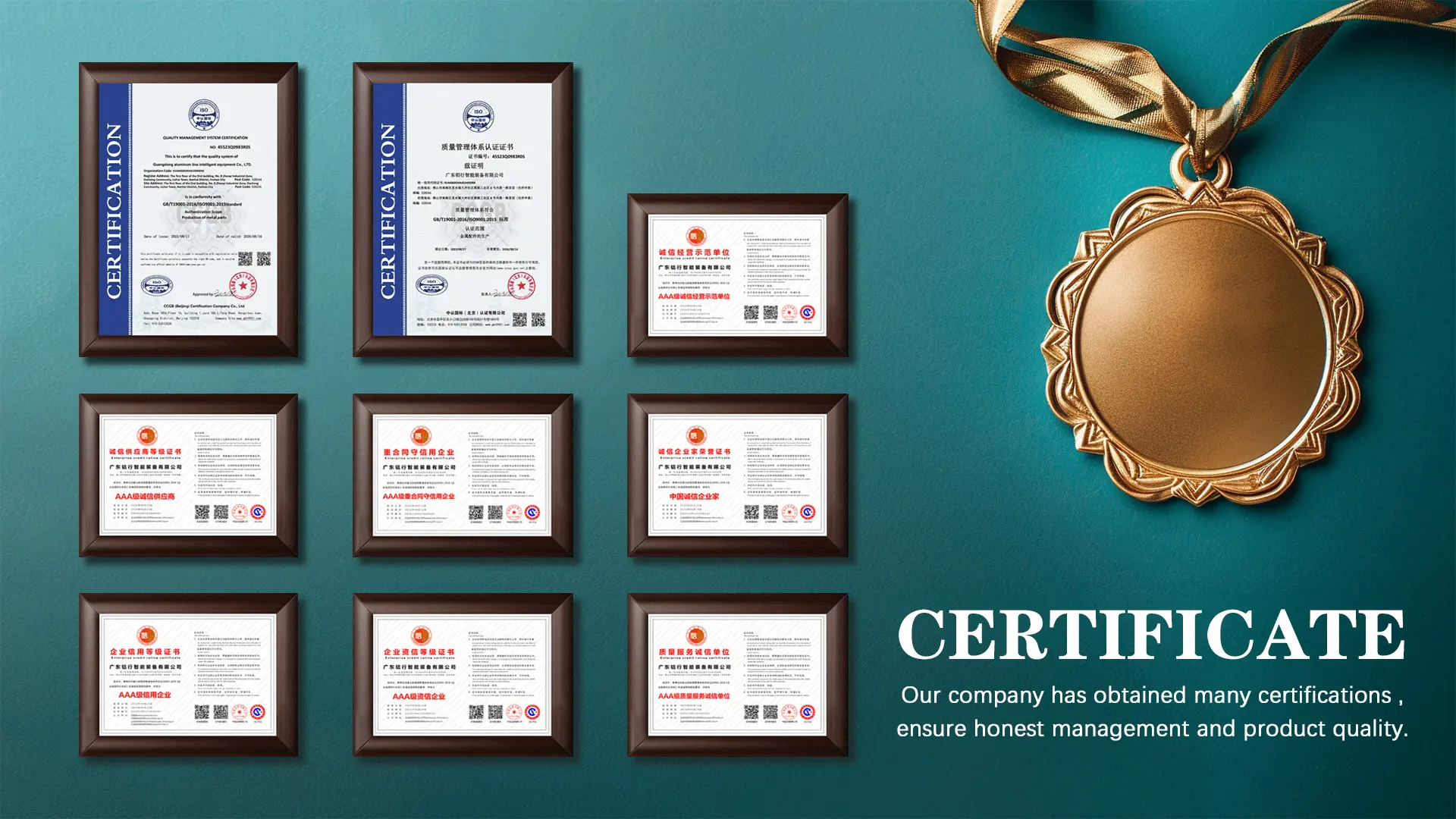
Our commitment to excellence is evident throughout the manufacturing process, rigorous quality control, thorough packaging, and efficient shipping procedures. This dedication has earned us recognition as a national excellent and honest enterprise, along with quality system certification in accordance with GB/T19001-2016/ISO9001:2015 standards.
Combining heavy manufacturing capabilities with precision aerospace engineering to deliver high-quality helideck structures.

We have obtained the "Special Aluminium Materials for Aerospace" Certificate. This ensures all structural materials are produced to meet demanding weight-to-strength ratios and safety thresholds required by aerospace bodies.

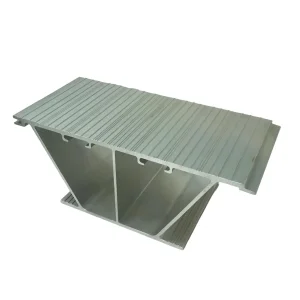
We provide and utilize high-quality Fenglu aluminum profiles. With extrusion lines ranging from 800T to 20,000T, we can produce alloys 1xxx, 2xxx, 3xxx, 5xxx, 6xxx, and 7xxx. We can manufacture fully shaped products with section dimensions up to 1.2 meters in width or 28 meters in length.

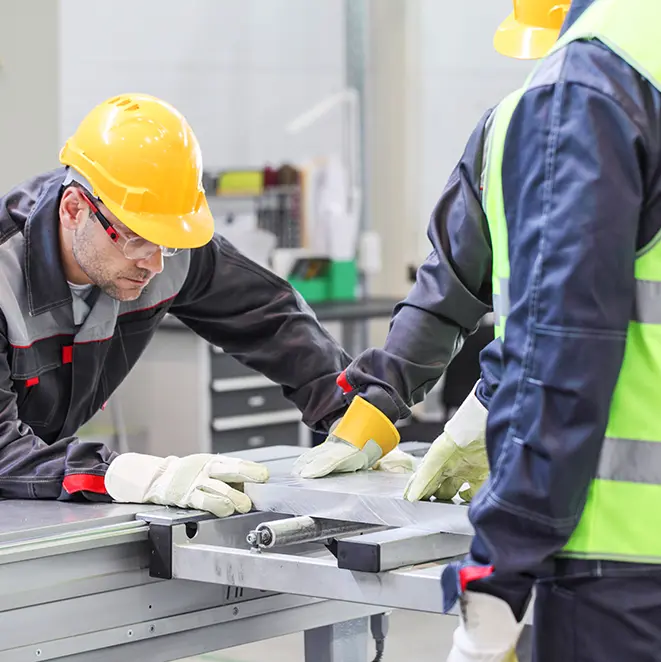
We have a team of technicians with 15 years of invaluable experience. Our deep understanding of customer requirements allows us to identify potential issues and offer practical insights, turning customer ideas into tangible products that meet specific needs.
Understanding the critical variables that govern structural integrity, load distribution, and longevity in offshore and civil helipads.
When selecting the raw materials for helipad perimeter nets, standard construction metals fall short. We utilize marine-grade 6061-T6 and 6082-T6 aluminum alloys for framing, coupled with high-grade stainless steel mesh (Grade 316). These alloys undergo artificial aging (T6 tempering) to reach tensile strengths exceeding 310 MPa, ensuring they absorb impact energy without cracking or showing signs of stress fatigue.
Furthermore, our ability to extrude sections up to 1.2 meters wide eliminates multiple assembly joints. Fewer joints equate to fewer potential fail points under seismic loading or sudden impact stresses, allowing for cleaner aerodynamic flow and lighter dead load on host buildings.
On offshore platforms and coastal vessels, salty winds act as constant agents of degradation. Unprotected steel, even galvanized, undergoes galvanic corrosion, resulting in premature structural failure. Our production uses specialized anodic coatings and powder finishes designed to withstand thousands of hours of salt spray exposure without peeling.
When assembling aluminum framing with steel fasteners, we use non-conductive isolators. This blocks electrical continuity, neutralizing galvanic corrosion and extending the life of the system past the 15-year mark with minimal maintenance.
How different industries require specialized adaptations of the helipad perimeter safety net.
Rooftop helipads on city hospitals must meet strict municipal zoning, sound barrier, and building safety codes. Safety nets must be lightweight to prevent overloading older buildings. Systems often require quick manual fold-down configurations to allow rapid maintenance and obstacle clearance.
Offshore oil platforms experience severe weather, continuous vibration, and potential chemical exposure. Safety nets here must feature heavy-duty 316-grade stainless steel wire mesh capable of sustaining 2.3 kJ impact forces, coupled with rigid marine-grade aluminum support structures.
Commercial high-rises and military landing bases demand modular solutions that can scale as logistics requirements change. They benefit from automated tension systems, high wind resistance, and quick integration into the primary structure's architectural frame.
Our strategic vision for advancing safety net technologies over the next decade.
We are currently researching the integration of load and tension sensors into our mesh structure. These sensors will send real-time data to building control systems, warning maintenance teams if impact forces, snow loads, or wind stresses have degraded the structural tension of the net.
Developing new hybrid formulations that combine titanium and aerospace-grade aluminum. This aims to reduce structural framing weight by 20% while maintaining the necessary yield strength, facilitating easier retrofits on older buildings.
Designing motorized, retractable safety net structures that integrate directly with the heliport landing beacons. When the beacons activate, the nets deploy automatically, retracting afterward to maintain clean lines on high-end commercial architecture.
Crucial answers for structural engineers, procurement managers, and facility planners seeking compliant helipad safety installations.
Complete your layout with our certified specialty profiles, emergency systems, and heavy-duty meshes.
 LvXing