Explore our elite collection of structural safety solutions certified to meet rigorous global standards.
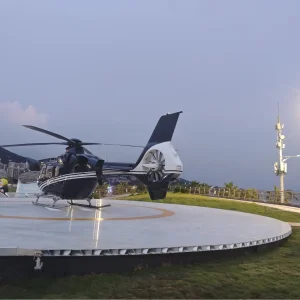
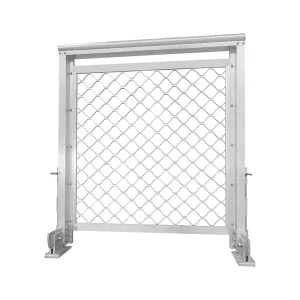
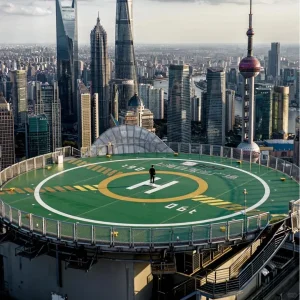
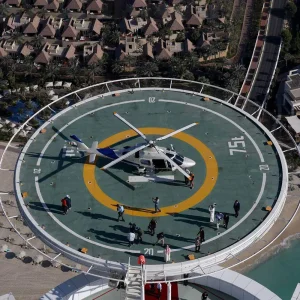
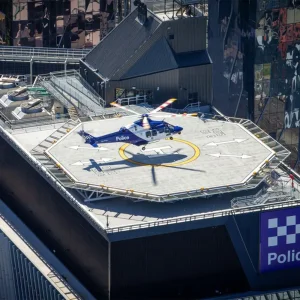
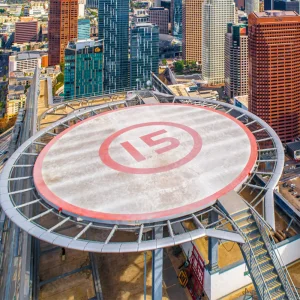
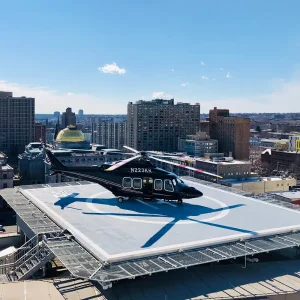
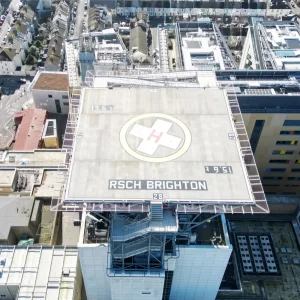
As vertical aviation advances rapidly, the integration of structural perimeter safety systems on heliports, offshore decks, and urban skyscraper rooftops has transitioned from standard safety procedures to stringently enforced international engineering compliance.
Standard industrial fences are unsuitable for helicopter landing pads. Global aviation bodies like the UK Civil Aviation Authority (under CAP 437 Standards for Offshore Helicopter Landing Areas) and the International Civil Aviation Organization (under ICAO Annex 14 Volume II) dictate very precise metrics for safety netting:
Traditional steel wire mesh suffers severe galvanic corrosion in offshore maritime environments or coastal smog. Our engineering focus shifts to premium Al-Mg-Si series (6xxx) and Al-Mg series (5xxx) aluminum alloys:
Advanced engineering capabilities backed by rigorous certifications and industrial scale.
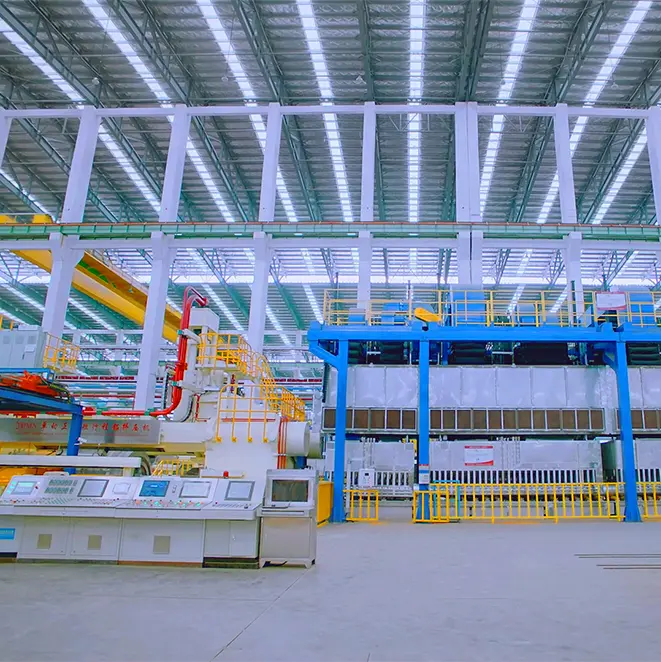

We have obtained the prestigious “Special Aluminium Materials for Aerospace” Certificate, verifying our high metallurgical integrity.
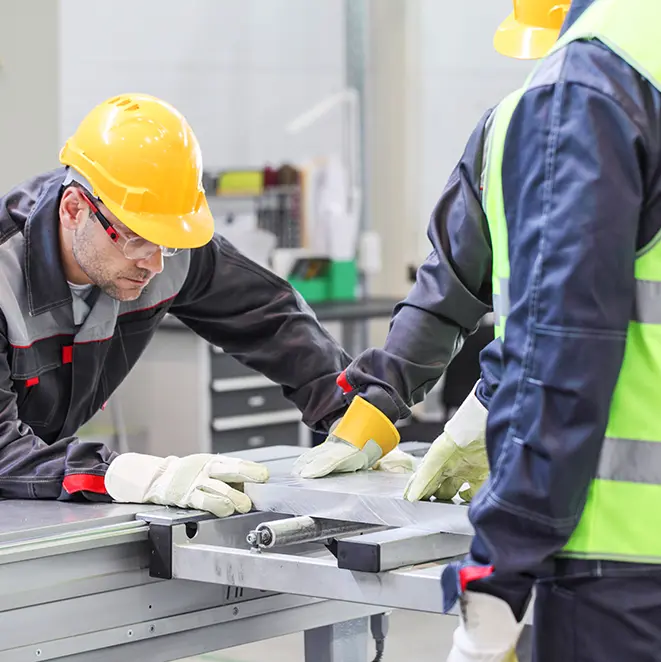

We utilize high-grade Fenglu aluminum. With extrusion lines from 800T to 20,000T, we handle alloys 1xxx-7xxx, producing profiles up to 1.2m wide or 28m long.
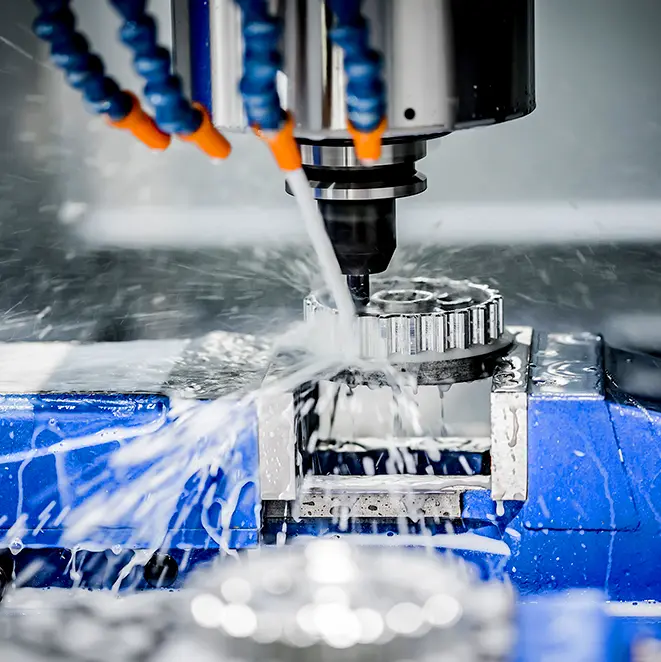

Our engineering team has 15 years of deep industry experience, helping translate complex client concepts into precise, compliant tangible products.
Established in 2015 and located in Foshan City, Guangdong (the heart of China's aluminum industrial cluster), LvXing Intelligent Equipment Co., Ltd. boasts a highly skilled R&D team with extensive engineering pedigree. We transform customers' custom blueprints into reality, matching safety net specifications to precise regulatory layouts.
Our strategic material partnership leverages premium Fenglu aluminum to offer flexible structural applications. With extrusion capacity ranging from 800T up to a monumental 20,000T, we easily shape components across alloys 1xxx, 2xxx, 3xxx, 5xxx, 6xxx, and 7xxx. These profiles are globally recognized for precision and find broad utility in aerospace, marine engineering, petrochemical decks, and municipal hospitals.
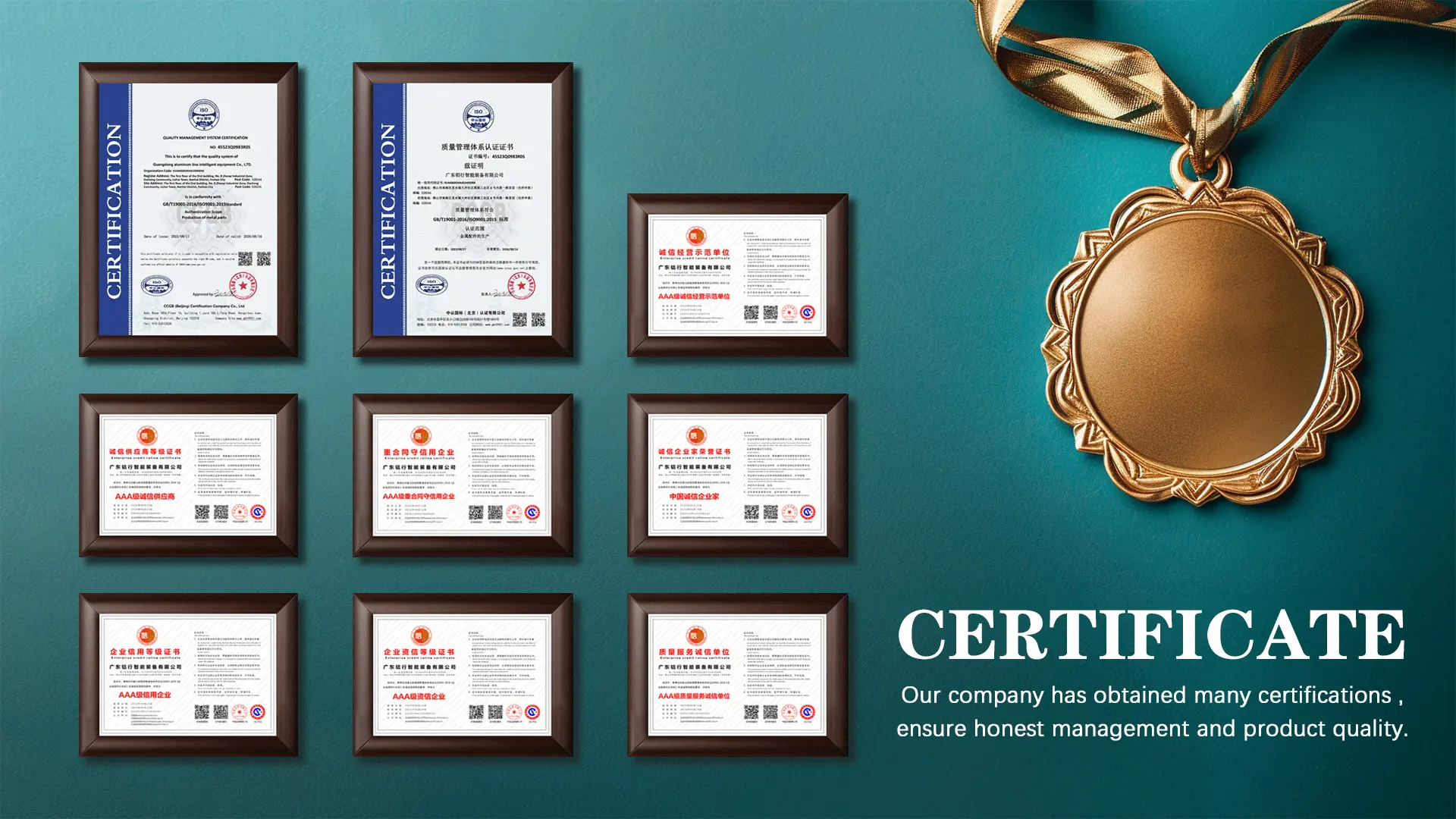
Our quality control protocols comply fully with GB/T19001-2016/ISO9001:2015 standards, overseeing extrusion, anodizing, surface checking, and load testing to guarantee shipping integrity.
How our smart factory in Guangdong yields unmatched speed, cost control, and reliability for mega-infrastructure projects.
Operating adjacent to premium billet suppliers ensures immediate raw material access. Our partnership with Fenglu Aluminum eliminates regional transport delays, locking in stable pricing despite global LME metal market fluctuations.
With access to heavy extrusion lines up to 20,000T, we can extrude complete profile configurations up to 28m in length, bypassing the need for welding multiple sections, thus reducing localized stress fractures.
From raw ingot spectral analysis to salt-spray tests and mechanical drop-testing, every manufacturing stage is logged under ISO 9001:2015, facilitating certification for international safety agencies.
How our custom-built helipad netting systems function across critical target sectors.
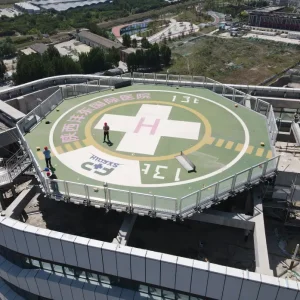
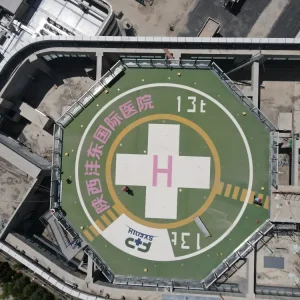
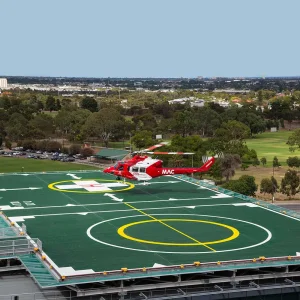
Installed on trauma centers to safeguard paramedics, patients, and flight crews during rapid-response operations. Requires maximum fatigue resistance to rotor vibration and zero visual reflections under searchlights.
Offshore vessels and drilling platforms depend on high marine-grade corrosion resistance (5xxx series aluminum or 316L stainless steel) to repel persistent salt spray, high-speed wind shears, and harsh UV exposure.
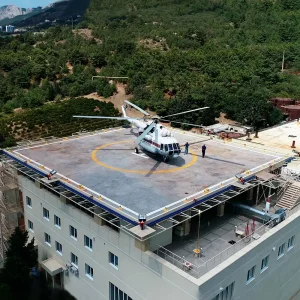
For metropolitan skyscrapers, fire escape roofs require clean designs. Modular aluminum frames offer low structural weight, reducing rooftop loads and blending with building architecture.
Built for heavy usage cycles and high-load transport helicopters. Netting frameworks must withstand dynamic structural impacts, heavy wash, and rapid deployment layouts.
Key technical answers to assist engineers and procurement managers during safety layout design.
Our perimeter safety nets are engineered to exceed CAA CAP 437 standards, FAA AC 150/5390-2C guidelines, and ICAO Annex 14 Volume II. This includes testing mechanical assemblies for 125 kg impacts to prevent human falls without yielding or tearing.
Our aluminum alloy profiles (specifically 6061-T6 and 6082-T6) offer a superior strength-to-weight ratio, reducing static deck loads. While 316 stainless steel mesh is highly durable, aluminum configurations reduce structural fatigue on rooftop installations and lower long-term maintenance costs.
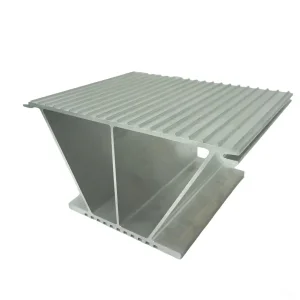
Thanks to our extrusion machinery from 800T to 20,000T, we manufacture structural aluminum configurations up to 1.2 meters wide and up to 28 meters long. This capacity allows us to produce large, seamless structural deck modules.
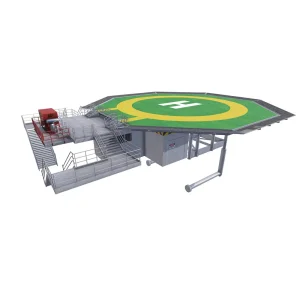
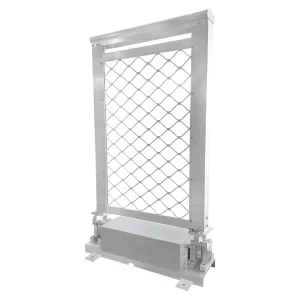
Yes. Our catalog features both CE-certified manual folding perimeter safety nets and automated electric folding systems, designed for vessels or offshore pads where clear take-off vectors are required dynamically.
We use isolated stainless steel fasteners paired with non-conductive polymer washers inside anodized aluminum frame assemblies. This eliminates direct metal-to-metal contact, preventing electrochemical degradation from saltwater exposure.
Further product solutions optimized for commercial, defense, and healthcare infrastructure projects.
 LvXing