Explore our elite range of structural aluminum frames, customized landing decks, and perimeter security mesh systems certified for global civil aviation and marine applications.
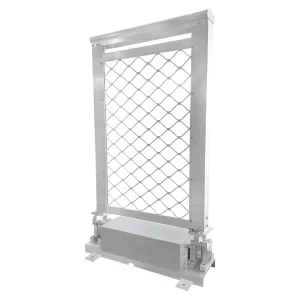
In aviation safety engineering, the integrity of a helideck perimeter safety net system is a crucial factor for saving lives. Whether located on an offshore drilling rig, the rooftop of a busy urban trauma center, or the deck of an ocean-going cruise ship, helipad security nets serve as a critical fail-safe. These systems must absorb impact and withstand harsh weather conditions without failing. Civil aviation authorities, including the Federal Aviation Administration (FAA AC 150/5390-2C) and the UK Civil Aviation Authority (CAP 437), require strict engineering standards for safety nets. These rules dictate that the mesh must project horizontally outwards by at least 1.5 meters, tilt slightly upward at a 10-degree angle, and support dynamic drop loads of at least 122 kg without tearing or releasing the load.
As standard products rarely fit every architectural design, customization has become the industry standard. Factors like structural dimensions, localized wind shear, coastal corrosion (which demands marine-grade alloys), and the need for thermal integration (like de-icing systems) require tailored engineering solutions. A modern heliport is a complex, high-risk operational zone. The structural frame, decking profiles, and safety netting must work together to distribute mechanical stress, prevent corrosion from galvanic reaction, and minimize wind resistance.
LVXING, SPECIALIZES IN ALUMINUM SOLUTIONS.
Established in 2015 and located in Foshan City, Guangdong, LvXing Intelligent Equipment Co., Ltd. boasts a skilled R&D team with extensive experience. We leverage exceptional technical expertise to effectively transform customers' ideas into reality, consistently meeting their precise requirements.
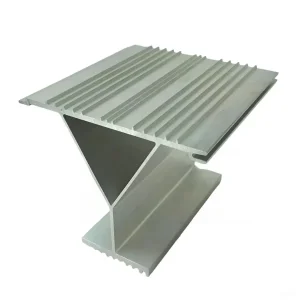
We utilize premium Fenglu aluminum, offering a diverse range of profiles for flexible applications. Our extrusion lines, ranging from 800T to 20,000T, accommodate alloys 1xxx, 2xxx, 3xxx, 5xxx, 6xxx, and 7xxx, allowing us to produce shaped products with section dimensions up to 1.2 meters in width and 28 meters in length. These products are recognized for their precision and meticulous processing, finding broad application in aerospace, military, medical, and industrial sectors.
Our commitment to excellence is evident throughout the manufacturing process, rigorous quality control, thorough packaging, and efficient shipping procedures. This dedication has earned us recognition as a national excellent and honest enterprise, along with quality system certification in accordance with GB/T19001-2016/ISO9001:2015 standards.
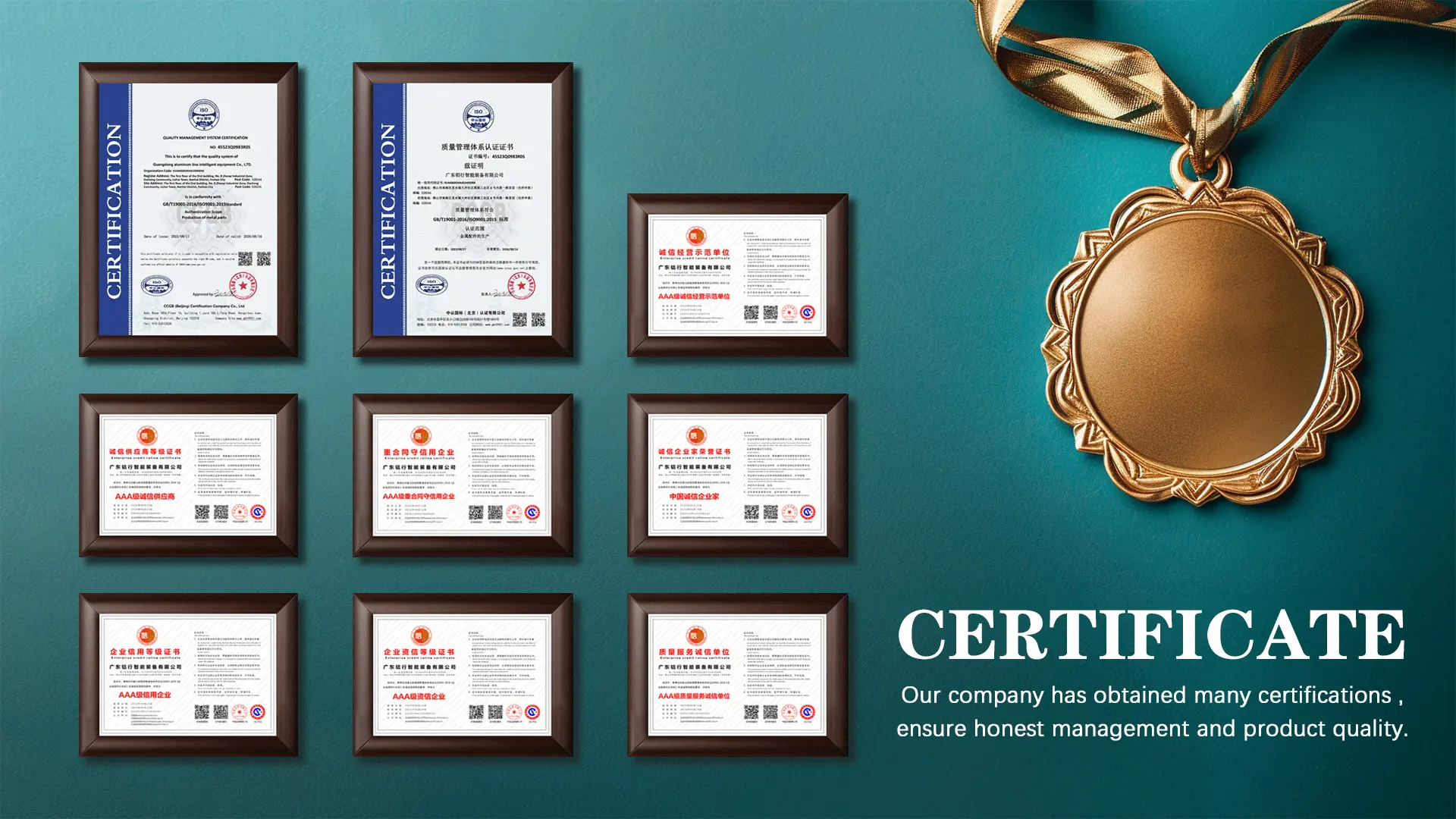
Why the aviation, marine, and construction industries trust Lvxing for critical structural safety components.
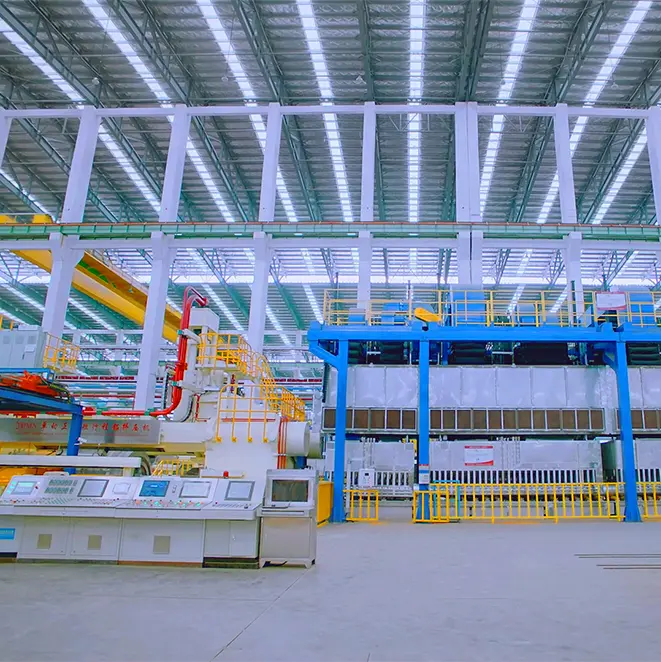

We have obtained the "Special Aluminium Materials for Aerospace" Certificate, verifying our capability to supply defense and commercial aerospace sectors.
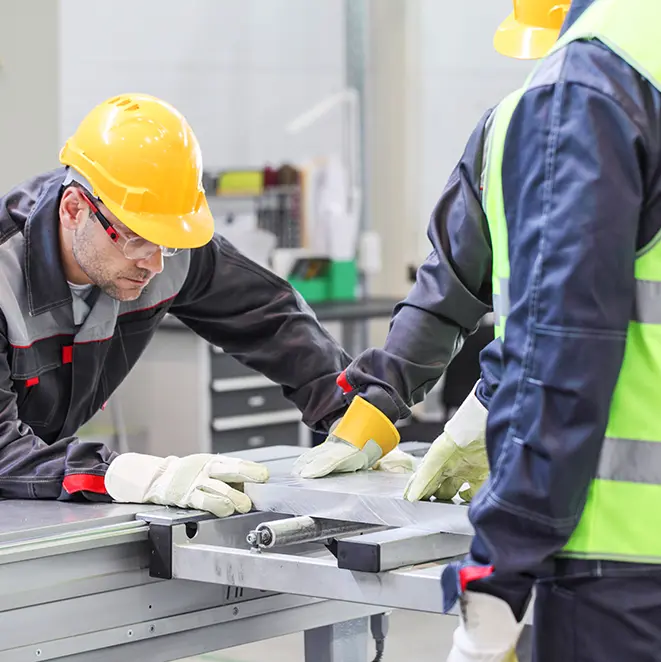

We provide and utilize high-quality Fenglu aluminum profiles. With extrusion lines ranging from 800T to 20,000T, we can produce alloys 1xxx, 2xxx, 3xxx, 5xxx, 6xxx, and 7xxx up to 1.2m wide or 28m long.
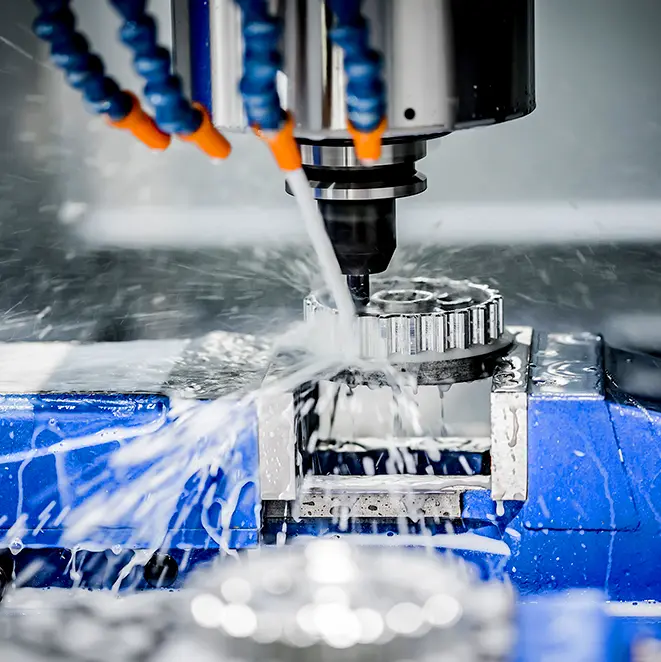

We have a team of technicians with 15 years of experience. Our deep understanding of customer requirements allows us to turn complex concepts into finished products.
In offshore, marine, and high-altitude rooftop applications, selecting the right aluminum alloy is critical. The wrong material choice can lead to structural failure, accelerated galvanic corrosion, or excessive weight loads. At Lvxing, we use high-grade alloys suited to the specific mechanical and environmental demands of each project.
| Alloy Series | Common Grade | Corrosion Resistance | Mechanical Properties | Primary Application |
|---|---|---|---|---|
| 5xxx Series (Al-Mg) | 5083 / 5086 | Outstanding (Marine Grade) | Medium to High, Non-Heat-Treatable | Offshore Ship Deck Helipads, Coastal Perimeter Net Frames |
| 6xxx Series (Al-Mg-Si) | 6061-T6 / 6082-T6 | Excellent (Atmospheric) | High Structural Strength, Easy Extrusion | Helipad Deck Profiles, Main Framework Support Structural Beams |
| 7xxx Series (Al-Zn) | 7075-T6 | Moderate (Requires Coating) | Ultra-High Strength (Aerospace Level) | High-Stress Dynamic Load Hubs, Specialized Military Landing Gear Nodes |
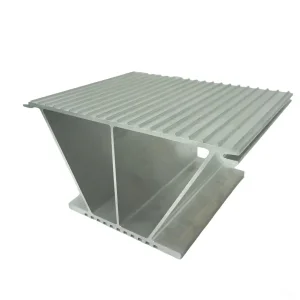
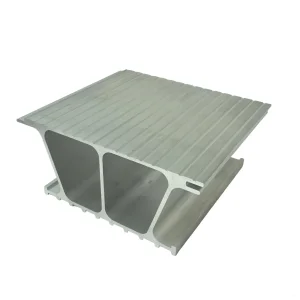
For most commercial projects, 6082-T6 and 6061-T6 aluminum profiles provide the optimal balance of mechanical strength, weldability, and corrosion resistance. Our 20,000T extrusion capability allows us to produce wide-section profiles, reducing the number of joint welds required and increasing the overall strength of the helipad deck.
Tailoring structural perimeter netting and decking to meet specialized project requirements.
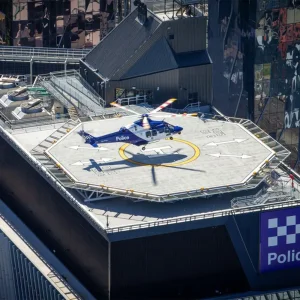
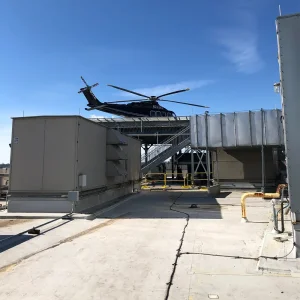
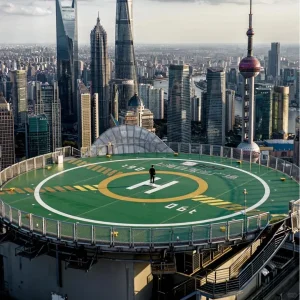
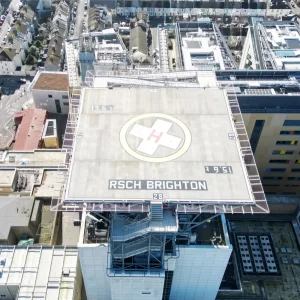
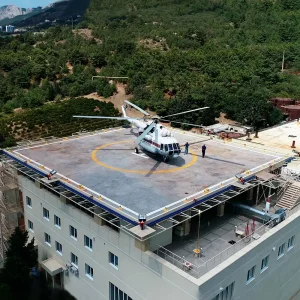
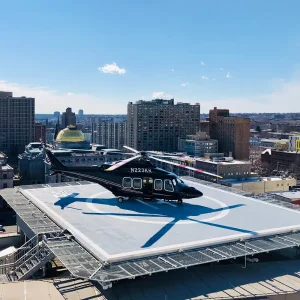
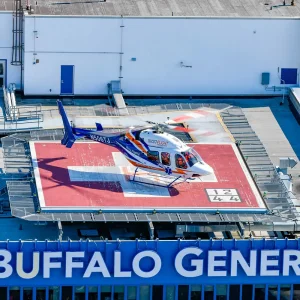
Rooftop helipads must prioritize low weight and fire resistance. Our customized lightweight aluminum decks and mesh netting minimize the structural load on older buildings while meeting international hospital safety guidelines.
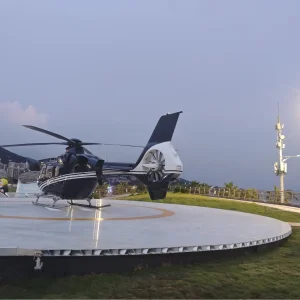
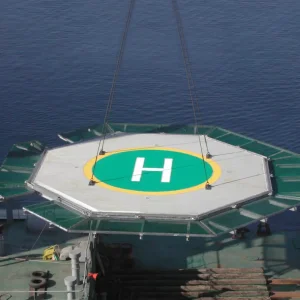
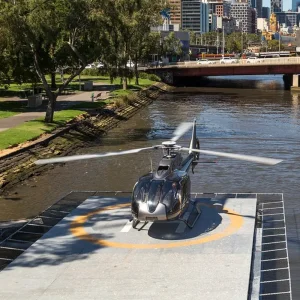
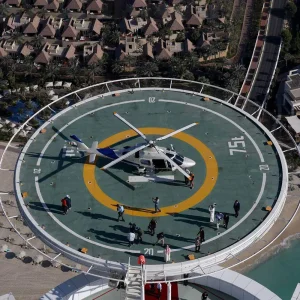
Offshore environments require high corrosion resistance. We utilize marine-grade 5xxx/6xxx series aluminum combined with stainless steel mesh to withstand high salinity, wind shear, and wave action.
Our advanced electric perimeter nets offer remote-controlled deployment and integrated sensors, allowing operators to monitor structural integrity and clear obstructions dynamically.
Sourcing structural metal products from China, particularly from the Foshan industrial cluster, offers significant strategic advantages for international buyers. Foshan is a global center for aluminum extrusion technology and metal processing. This concentration of raw material suppliers, specialized tooling plants, heat treatment facilities, and testing labs creates a highly efficient manufacturing ecosystem.
At Lvxing Intelligent Equipment, we leverage this local ecosystem alongside our specialized in-house capabilities. Working with local raw material providers like Fenglu Aluminum allows us to secure certified alloys at stable prices. Our vertically integrated process, from die design to extrusion, CNC machining, surface finishing, and quality control, ensures short lead times and strict adherence to project specifications. This structure allows us to handle large-scale, custom orders efficiently, offering a distinct advantage to global engineering and procurement firms.
Answers to common engineering and procurement questions regarding custom helipad safety systems.
Select from our range of structural systems, specialized profiles, and perimeter safety nets certified for industrial and architectural use.
 LvXing