Explore our core manufacturing line of structural aluminum landing platforms, automated electric/manual safety nets, and certified profile solutions.
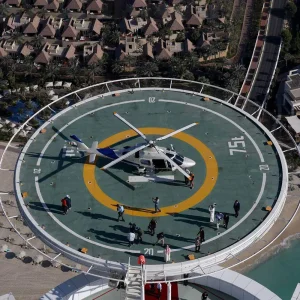
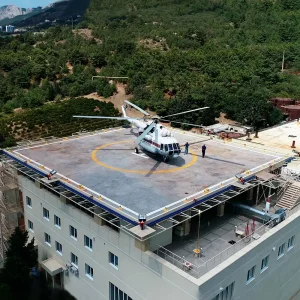
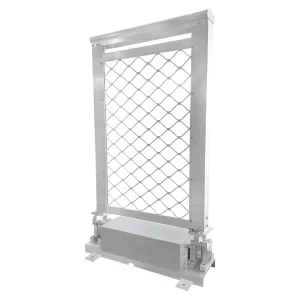
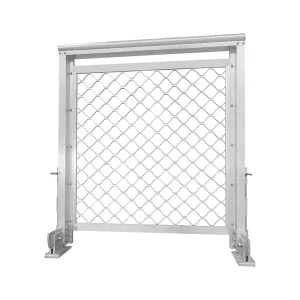
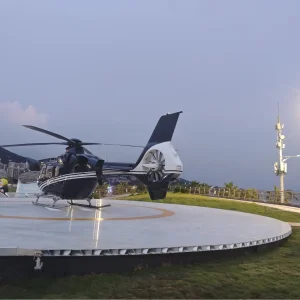
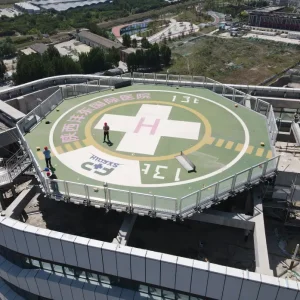
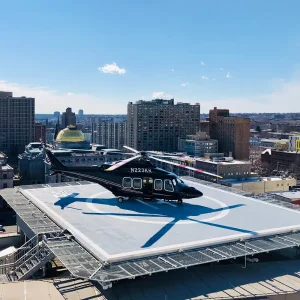
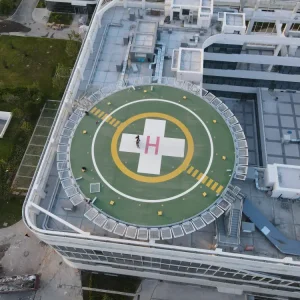
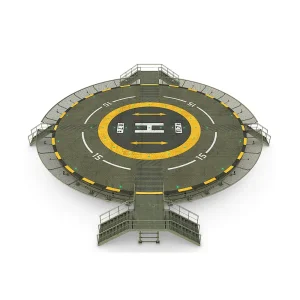
Elevated and high-altitude rooftop helipads, whether positioned on metropolitan high-rises or offshore drilling structures, present extreme aerodynamic challenges. Unlike ground-level facilities, high-altitude helipads operate in highly volatile shear-wind zones where sudden pressure changes place severe stress on structural integrity. For civil and structural engineers, securing the perimeter is a mission-critical safety requirement that is heavily audited by regulatory frameworks like the FAA (Advisory Circular AC 150/5390-2C) and ICAO (Annex 14, Volume II).
A safety net on a high-altitude platform is not merely a fall-arrest system. It is a critical component designed to absorb impact forces under dynamic stress conditions, prevent debris from cascading into urban or marine zones below, and withstand high wind speeds without generating aerodynamic turbulence. LvXing Intelligent Equipment engineers systems that integrate seamless load distribution with lightweight, high-performance structural profiles to guarantee consistent and reliable performance.
How our customized designs survive and perform under the planet's most aggressive meteorological and geographic conditions.
Rooftop installations at high altitudes are exposed to elevated UV-A and UV-B index levels. Our specialized anodization and high-grade marine alloys prevent degradation, preserving structural strength for decades.
Many high-altitude areas experience sub-zero temperatures. Standard carbon steel becomes brittle and vulnerable to stress-cracking under cold conditions, whereas our custom aluminum alloys maintain high ductility.
High winds cause significant buffeting against flat structures. The mesh density and profile shape of our security systems are engineered to minimize drag, preventing vibration-induced fatigue on building mounts.
Established in 2015 and located in Foshan City, Guangdong, LvXing Intelligent Equipment Co., Ltd. boasts a skilled R&D team with extensive experience. We leverage exceptional technical expertise to effectively transform customers' ideas into reality, consistently meeting their precise requirements.
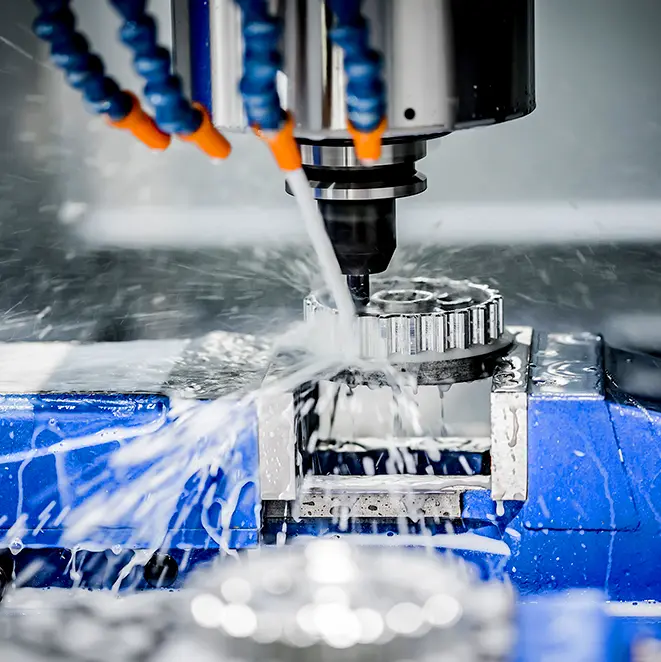
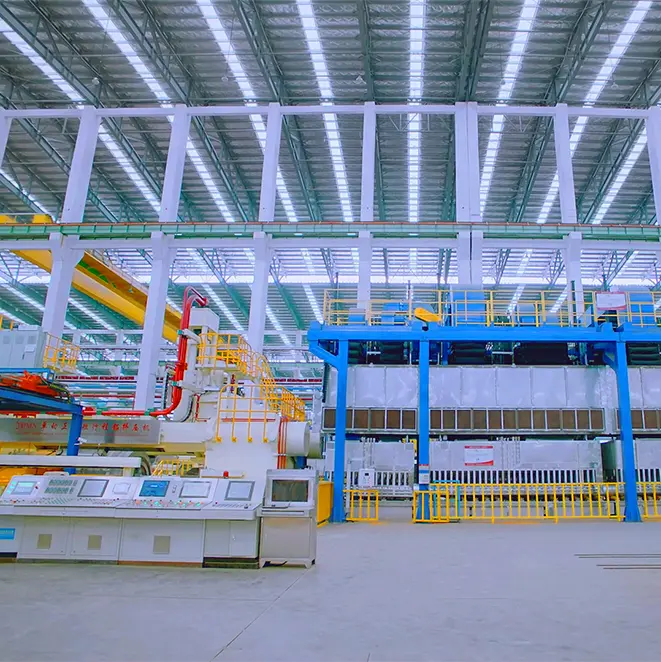
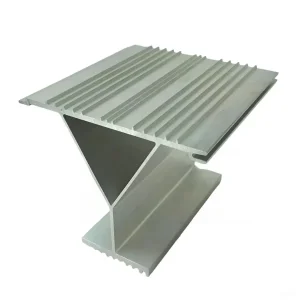
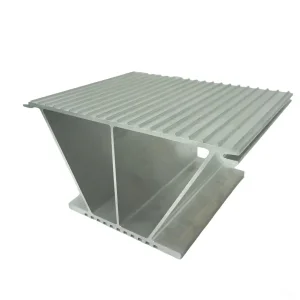
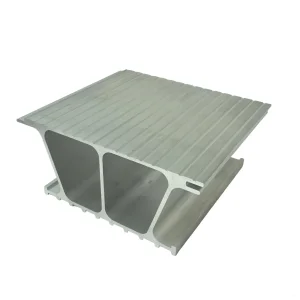
We utilize premium Fenglu aluminum, offering a diverse range of profiles for flexible applications. Our extrusion lines, ranging from 800T to 20,000T, accommodate alloys 1xxx, 2xxx, 3xxx, 5xxx, 6xxx, and 7xxx, allowing us to produce shaped products with section dimensions up to 1.2 meters in width and 28 meters in length. These products are recognized for their precision and meticulous processing, finding broad application in aerospace, military, medical, and industrial sectors.
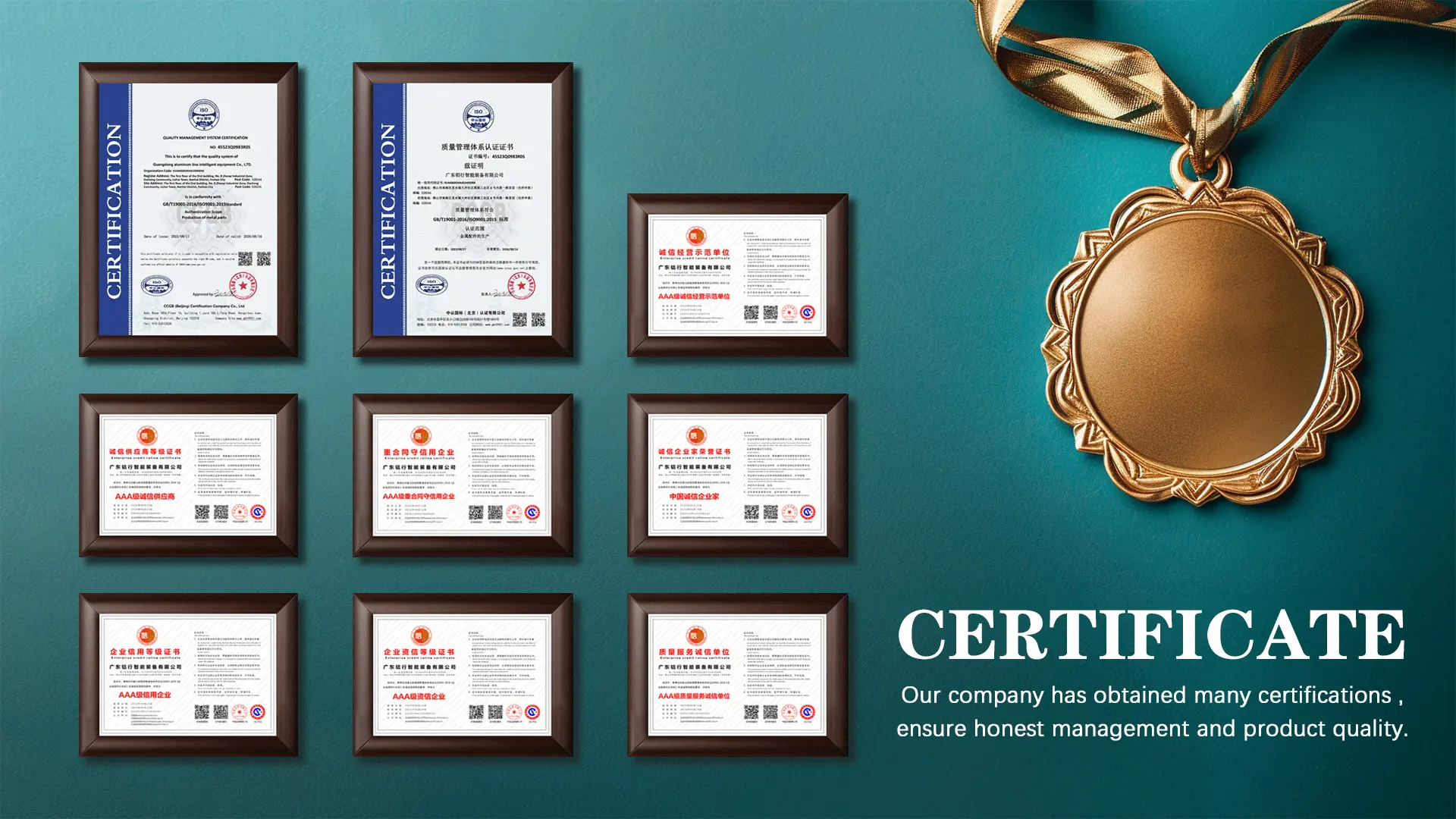
Our commitment to excellence is evident throughout the manufacturing process, rigorous quality control, thorough packaging, and efficient shipping procedures. This dedication has earned us recognition as a national excellent and honest enterprise, along with quality system certification in accordance with GB/T19001-2016/ISO9001:2015 standards.
Technical expertise, state-of-the-art machinery, and certified aerospace materials that set us apart globally.
We have obtained the “Special Aluminium Materials for Aerospace” Certificate, ensuring every profile matches exact aviation load requirements.
Equipped with 800T to 20,000T extrusion lines, we process 1xxx to 7xxx alloys, ensuring structural integrity up to 1.2m wide and 28m long.
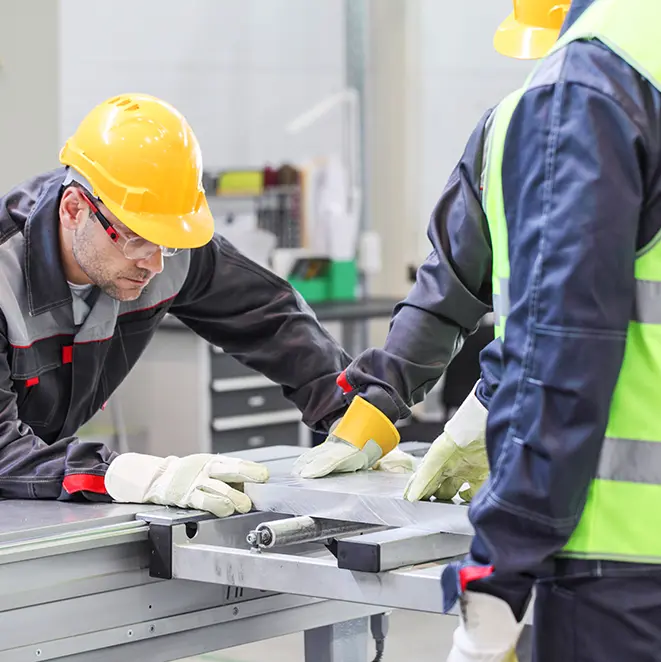
Our veteran engineering team reviews blueprints, proactively flags design challenges, and delivers reliable, project-specific custom profiles.
Our manufacturing base is strategically located in Foshan, Guangdong, the heart of the global aluminum extrusion and processing industry. This direct proximity to top-tier raw material suppliers and specialized post-processing facilities allows us to optimize production lead times and maintain a cost structure that benefits our clients worldwide.
By keeping all production phases—including design verification, alloy compounding, extrusion, surface finishing, and quality testing—under a single unified facility, we minimize supply chain vulnerabilities. We offer dynamic pricing models without compromising the rigorous standards required for international projects.
How our engineering solutions meet the standards of EPC contractors, marine operations, and architectural authorities.
Procuring helipad perimeter systems for infrastructure projects demands compliance with strict safety standards. Standard products often fail to meet the specific requirements of marine or aviation authorities. At LvXing, we coordinate with engineering groups during the early design phases to align with necessary project parameters:
| Standard / Regulation | Target Parameter | LvXing Compliant Offering |
|---|---|---|
| CAP 437 (UK CAA) | Drop-testing of perimeter nets with 100kg mass at defined fall velocities. | Verified drop-test ratings exceeding 2.3 kJ dynamic impact load resistance. |
| FAA AC 150/5390-2C | Safety netting must extend at least 1.5m outward from the landing pad deck. | Modular frames customizable from 1.5m to 2.0m extensions. |
| ICAO Annex 14 Vol II | Low-reflection properties, load-bearing capacities without upward spring. | Anodized, non-glare, custom-engineered profile structures. |
| ISO 9001:2015 | Traceability of aluminum raw materials and production workflows. | Fully documented GB/T19001-2016 certified manufacturing processes. |
Our custom aluminum solutions include structural analysis documentation, finite element modeling (FEM) for wind loads, and certified raw material sourcing sheets. This detailed documentation simplifies the engineering sign-off process for EPC contractors and municipal planning committees.
From dense metropolitan areas to harsh maritime offshore platforms, our solutions adapt to every environment.
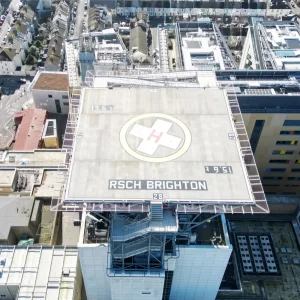
Rooftop helipads on hotels and hospitals demand lightweight designs to limit structural load. Our high-strength aluminum structures optimize safety without compromising building architecture.
Marine helidecks deal with persistent saltwater spray and corrosive conditions. Our marine-grade aluminum systems prevent galvanic corrosion and ensure reliable safety net deployment.
Designed for high altitudes and active seismic zones, these flexible configurations absorb dynamic shocks, movement, and shifting loads during environmental events.
The shift toward lightweight materials, automation, and enhanced safety integration.
The aviation and urban mobility landscape is changing rapidly. With the rise of eVTOL (electric Vertical Takeoff and Landing) aircraft and advanced urban air mobility networks, rooftop landing structures must support a higher volume of flights. This growth demands updates to safety systems, structure weights, and deployment response times.
Modern architectural codes favor automated perimeter nets. Remote-controlled motorized systems adjust rapidly from vertical wind barriers to angled safety netting during landing, improving overall operational control.
Additionally, sustainable architecture requires the use of fully recyclable components with minimal carbon footprints. Extruded aluminum matches these design criteria, providing long-term structural integrity, low maintenance costs, and a highly recyclable design.
Direct engineering answers to clarify material choices, safety compliance, and installation parameters.
Select from our certified custom profiles, high-strength meshes, and structural platform frames.
 LvXing