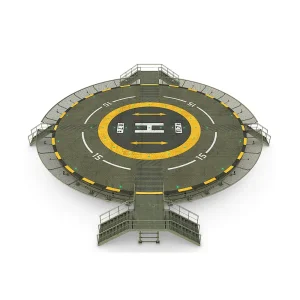
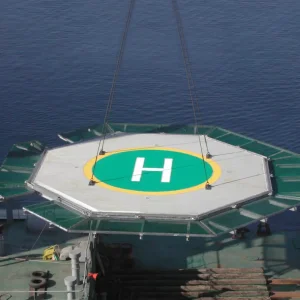
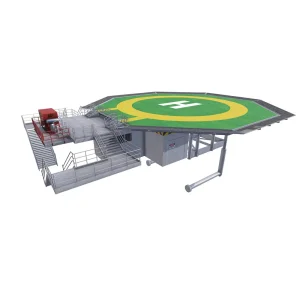
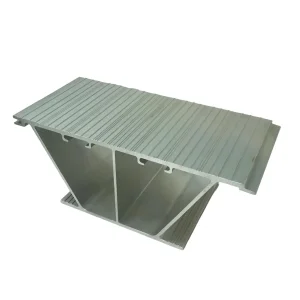
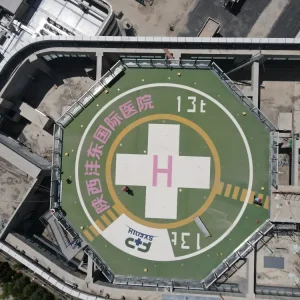
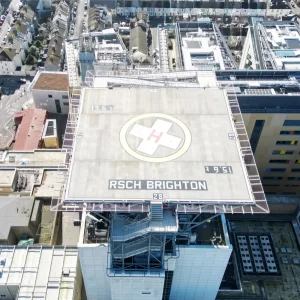
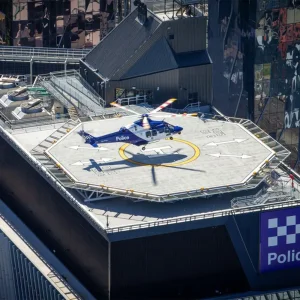
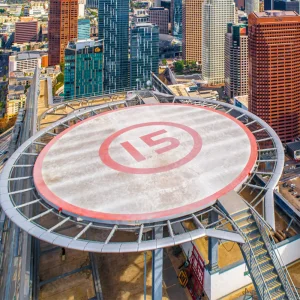
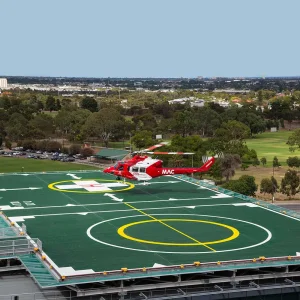
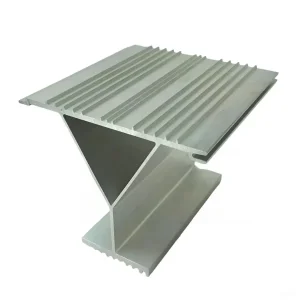
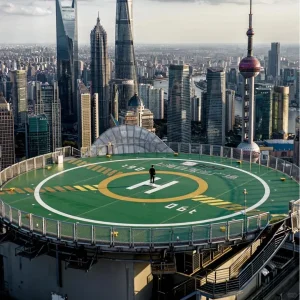
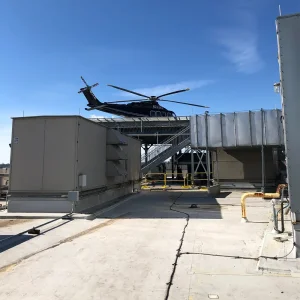
Explore our range of heavy-duty, marine-grade aluminum profiles and structural mesh systems configured for commercial skyscrapers, offshore vessels, and municipal medical facilities.
Structural containment and safety nets have undergone an immense engineering paradigm shift over the past two decades. Historically, heavy, rust-prone carbon steel wire mesh structures dictated the perimeter defense framework of offshore marine platforms and elevated high-altitude helicopter landing fields. The modern architectural landscape, governed by stringent criteria set by global bodies such as CAP 437 (Civil Aviation Authority), Federal Aviation Administration (FAA), and ICAO Annex 14 standards, has catalyzed a transition toward premium, lightweight, highly corrosion-resistant aluminum alloys.
Today, the demand is heavily weighted toward high-tensile extruded aluminum safety nets and frame profiles. The fundamental market drivers include structural load reduction, high energy absorption upon impact, zero maintenance overheads in saline environments, and modular drop-in configurations. Manufacturers are utilizing advanced engineering algorithms and finite element analysis (FEA) to customize safety net profiles, ensuring they exceed critical impact test velocities while remaining highly adaptive to custom-shaped landing surfaces.
For global EPC contractors, purchasing engineers, and aviation authorities, sourcing structural safety nets requires meticulous alignment of material science with regulatory compliance.
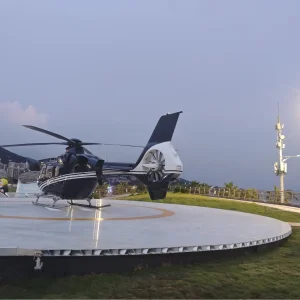
Safety nets placed on helidecks must bear strict adherence to maritime classification systems like ABS, DNV, Lloyd's Register, and BV. The material must withstand heavy cyclic wind loads up to 120 mph and dynamic impact forces from standard emergency equipment drop scenarios.
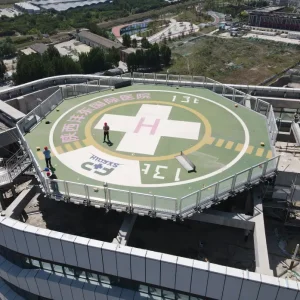
Every landing environment, from an urban skyscraper rooftop to a high-sea naval ship deck, demands a specific geometric profile. This is where customized safety net manufacturers step in, drafting unique frame designs that accommodate surrounding electrical conduits, fire suppression lines, and lighting fixtures.
Procurement offices calculate total cost of ownership (TCO). While steel systems initially appear cost-effective, their long-term maintenance cycles, coating requirements, and rapid degradation in offshore platforms drive up costs, making aluminum profiles the preferred long-term asset selection.
LVXING, established in 2015 and located in Foshan City, Guangdong, stands as an industry leader in customized structural engineering, leveraging a deep pool of technical and research expertise.
LvXing Intelligent Equipment Co., Ltd. boasts a highly qualified R&D team with extensive experience. We leverage exceptional technical expertise to effectively transform customer's conceptual designs and specifications into reality, consistently meeting their precise structural requirements.
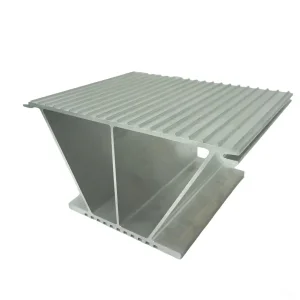
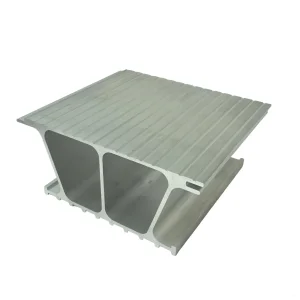
We utilize premium Fenglu aluminum, offering a diverse range of high-grade profiles for flexible applications. Our heavy industrial extrusion lines range from 800T to 20,000T. This enables us to accommodate premium alloys including 1xxx, 2xxx, 3xxx, 5xxx, 6xxx, and 7xxx series. We specialize in producing custom-shaped products with section dimensions up to 1.2 meters in width and 28 meters in length. These products are internationally recognized for their precise tolerances and meticulous mechanical processing, finding broad application in aerospace, military, medical, marine, and high-altitude industrial sectors.
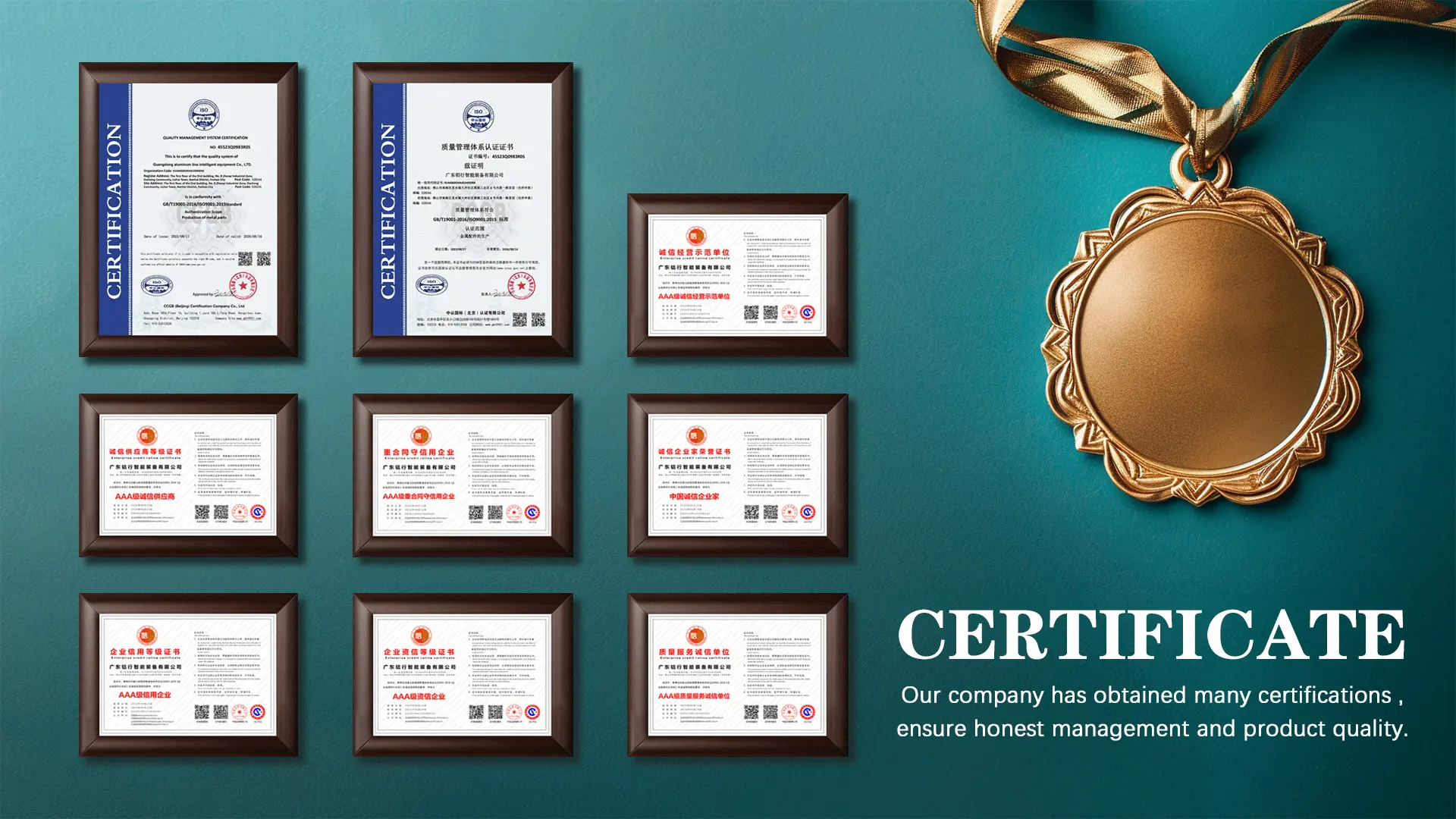
Our commitment to manufacturing excellence is evident throughout our rigorous quality control procedures, robust heavy-duty packaging, and efficient international logistics shipping procedures. This relentless dedication has earned us prestigious recognition as a national excellent and honest enterprise, coupled with quality system certification in accordance with GB/T19001-2016 / ISO9001:2015 standards.
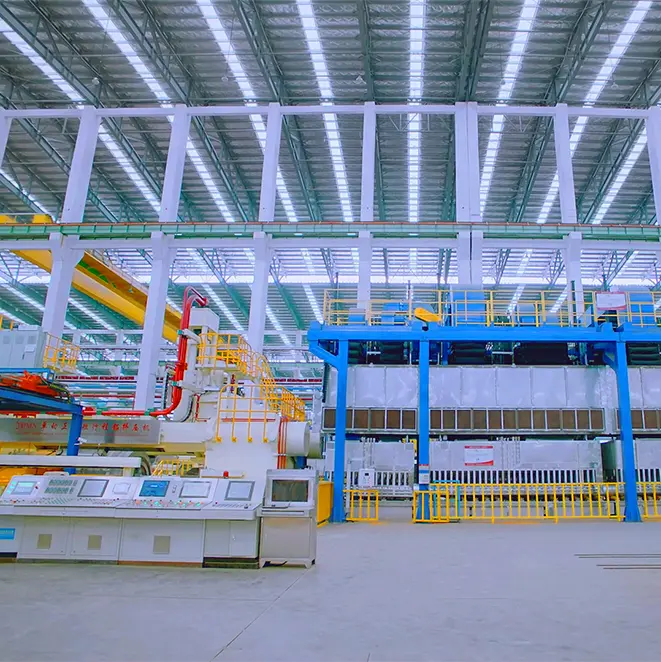
 Aerospace Quality
We have obtained the prestigious "Special Aluminium Materials for Aerospace" Certificate, confirming our technical capabilities for manufacturing components intended for highly critical structural and aviation defense environments.
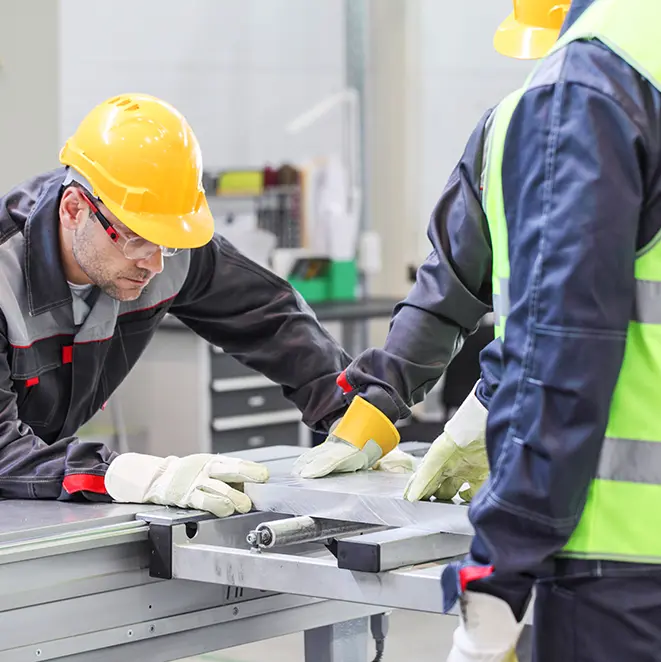
 Advanced Extrusions
We utilize high-quality Fenglu aluminum profiles. With extrusion lines ranging from 800T to 20,000T, we can produce alloys across 1xxx to 7xxx. We manufacture fully shaped products up to 1.2m in width or 28m in length.
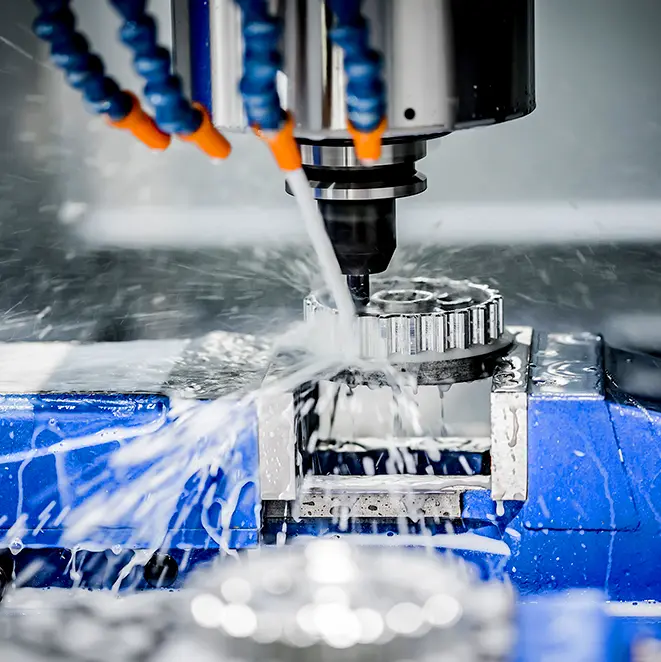
 Expert R&D Team
Our engineering team has over 15 years of experience. Our deep understanding of customer requirements allows us to analyze prospective deployment issues and offer practical insights, turning concept sketches into robust physical profiles.
In industrial infrastructure, helidecks and safety nets are safety-critical elements rather than decorative components. The safety net framework serves to catch personnel or equipment sliding off the deck, preventing catastrophic falls. The table below details the engineering design differences between traditional steel net setups and modern aluminum profile perimeter net systems designed by Lvxing.
| Performance Dimension | Lvxing Custom Aluminum Solutions (6000/7000 Series) | Traditional Galvanized Steel Net Systems | Stainless Steel Wire Mesh Systems |
|---|---|---|---|
| Weight Structural Load | Extremely low (up to 65% lighter). Lowers structural stress. | Heavy. Increases load-bearing requirements. | Moderate to Heavy. Requires reinforced supporting frames. |
| Corrosion Resistance | Excellent. Develops a natural oxide layer; reinforced via anodizing. | Poor. Subject to rusting once the zinc coating degrades. | Good, but prone to localized crevice corrosion in marine climates. |
| Impact Energy Absorption | High elasticity limit. Deforms plastically to absorb drop energy. | Brittle under extreme cyclic stress. Lower energy absorption. | High strength, but rigid transfer of shock force to base structures. |
| Installation Complexity | Modular panel systems, rapid bolt-on design. | Heavy field welding and structural cutting required. | Requires tensioning tension-wires on site; time intensive. |
| Service Life Cycle | 25+ Years with near-zero recurring maintenance costs. | 5 - 8 Years; requires frequent anti-corrosion painting. | 10 - 15 Years; demands ongoing tension calibrations. |
Lvxing's customized safety nets undergo comprehensive testing regimes to verify compliance with CAP 437 guidelines. The drop-testing standard demands that the perimeter safety net must catch a 100 kg mass dropped from a height of 1 meter without structural failure or detachment of the net panel. The net itself must exhibit a slope angle of 10 degrees upwards and outwards from the deck edge to prevent the object or person from bouncing off. Additionally, our aluminum frame profiles undergo rigorous Finite Element Method (FEM) analysis to ensure structural integrity under wind speeds exceeding 55 m/s.
Deploying helideck safety systems requires navigating complex, region-specific construction codes and maritime regulations. Lvxing Intelligent Equipment provides global support to assist engineering teams during layout, installation, and inspection phases. Whether the project requires complying with NORSOK standards in the North Sea, FAA AC 150/5390-2C guidelines in the United States, or local fire protection laws, our engineers adapt raw extrusion profiles to local specifications.
We offer complete material traceability reports, including raw melt certificates, chemical properties analyses, mechanical tensile tests, and anodizing thickness certifications. Our global distribution channels ensure that precision-extruded profiles up to 28 meters reach fabrication yards or construction sites intact. High-grade wooden crates and anti-scratch PE protection wraps safeguard the surface finish during transit.
As smart cities and automated maritime ports evolve, structural safety systems are transforming from passive components into active, sensor-integrated assemblies.
Integration of fiber-optic Bragg grating sensors within the aluminum net mesh. Real-time stress and tension monitoring alerts maintenance teams via IoT nodes if structural damage occurs due to impact or wind-shear loads.
Transitioning toward low-carbon primary aluminum raw inputs. We target a circular recycling model where end-of-life aluminum perimeter frames can be melted back down into high-purity industrial profiles, reducing carbon footprints by up to 80%.
Extrusion of profiles featuring dedicated mechanical grooves for LED perimeter warning systems. Eliminates secondary bracket welding, improves helideck visibility, and protects electrical wires from environmental exposure.
Choose from our list of certified profiles below to request technical drawings and pricing estimates.
Connect with our design office in Foshan to verify load-bearing parameters, review profile drawings, and receive budget estimates.
Request Structural Consulting LvXing