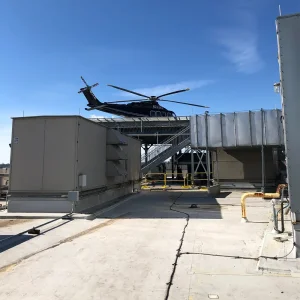
Explore our leading custom-engineered helipad profiles, certified perimeter nets, and rooftop structures developed in compliance with international B2B technical standards.
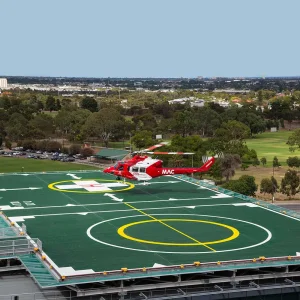
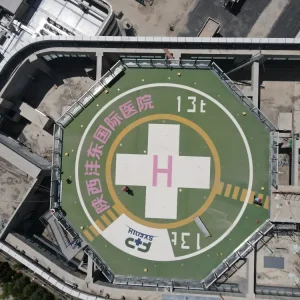
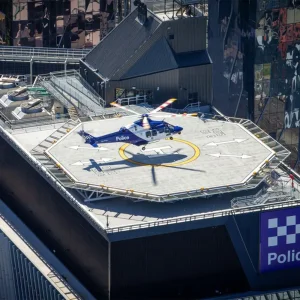
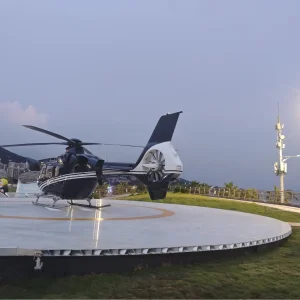
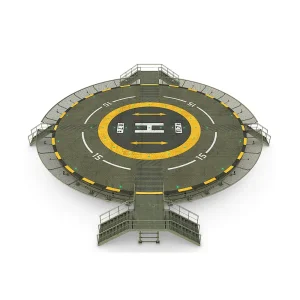
In modern aviation safety, vertical landing pads—encompassing helicopter landing platforms, offshore marine helidecks, hospital rooftop heliports, and emerging eVTOL urban vertiports—require structural perimeter safety zones. These net systems prevent personnel, equipment, and structural components from falling over deck edges, securing critical lifelines during high-stress flight operations.
As a premier safety net system factory, we specialize in high-tensile, corrosion-resistant aluminum mesh systems designed to absorb significant kinetic force without permanent deformation. By combining high-grade Fenglu aluminum profiles with state-of-the-art manufacturing processes, we deliver engineering solutions that meet stringent civil aviation requirements globally.
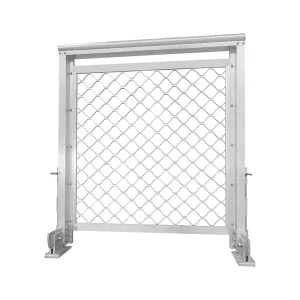
Our landing pad safety systems utilize customized structural frames integrated with specialized stainless steel wire rope net assemblies or structural aluminum alloy wire meshes. They provide high load-bearing integrity and corrosion resistance, outlasting traditional mesh materials in extreme maritime environments and urban high-rise installations.
Max Extrusion Capacity
Global Quality Standard
CAP 437 Regulatory Compliance
Technician Engineering Expertise
Safety net engineering is highly regulated by international aviation organizations. A failure in perimeter safety can lead to catastrophic consequences. Our manufacturing processes conform directly to:
Per CAP 437 regulations, a helideck safety net must be inclined outwards and upwards at an angle of 10 degrees, with an outboard reach of at least 1.5 meters. The net system must display a flexible hammock effect, guaranteeing that a falling body or equipment is caught safely without bouncing back onto the deck or dropping into the sea. Our designs achieve these requirements by utilizing structural aluminum supports and flexible, high-tensile wire rope infills.
Our standard perimeter safety net assemblies are engineered and tested to withstand a drop load equivalent to 2.3 kJ (Kilo-Joules) of kinetic energy. This simulates a 100 kg personnel fall from a height of 2.3 meters. Our test protocols guarantee that the netting, border ropes, tensioning hardware, and structural aluminum frames absorb this energy through controlled deformation, keeping the falling weight safe.
The choice of alloy is critical when balancing weight constraints with structural performance. Our factory utilizes premium raw materials from Fenglu Aluminum. Across our extrusion processes, we handle series from 1xxx up to 7xxx, utilizing specific tempers (such as T6) to secure optimal tensile properties.
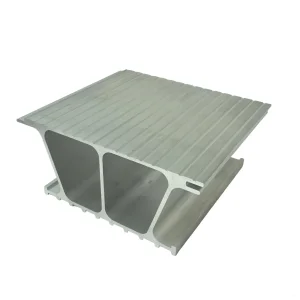
We employ 6000-series (primarily 6061-T6 and 6082-T6) and 5000-series marine-grade alloys to craft our custom helipad profiles. These alloys provide exceptional strength-to-weight ratios, saving up to 50% in structural weight compared to traditional galvanized steel frames. This weight reduction is crucial for offshore platform cantilevers and building rooftops, where load-bearing capacity is limited.
Our marine-grade 5xxx and 6xxx aluminum alloys are naturally corrosion-resistant. Combined with a 20μm+ anodizing treatment, they withstand continuous exposure to saltwater spray and acidic urban environments.
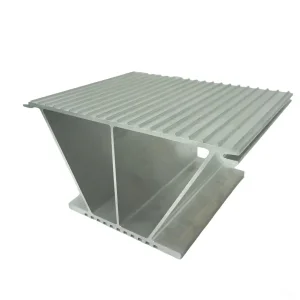
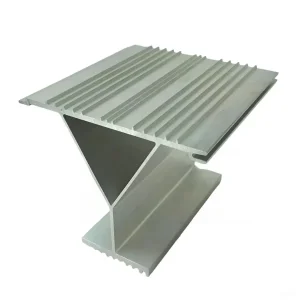
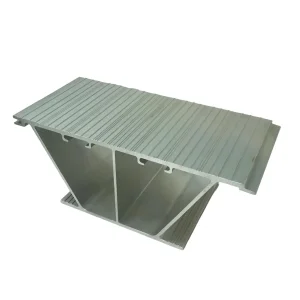
Our custom extruded profiles feature specialized anti-slip micro-grooves. These satisfy FAA and CAP 437 dynamic friction test standards, preventing slip hazards in wet or icy conditions.
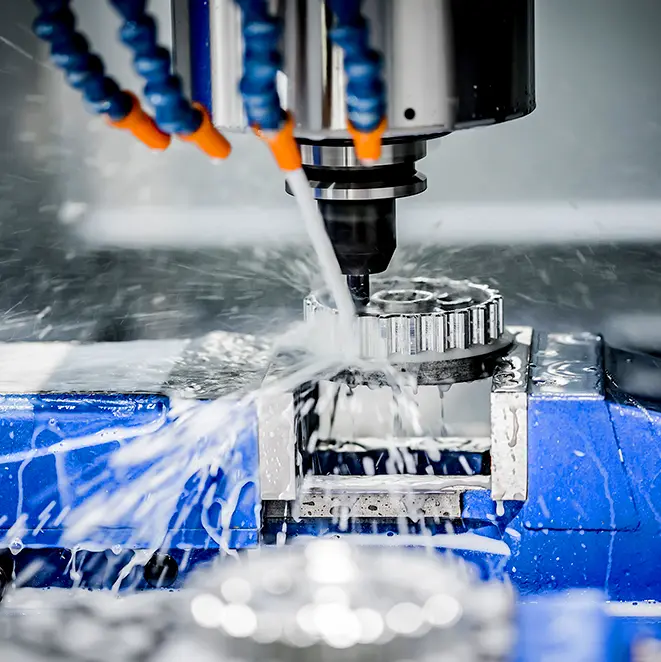
Engineered for fast assembly. Frame components are pre-machined on multi-axis CNC centers, assuring micro-level precision and seamless mechanical connections during site installation.
Based in Foshan City, Guangdong—the epicenter of global aluminum extrusion technologies—Lvxing Intelligent Equipment Co., Ltd. (established in 2015) offers unmatched production capabilities.
With a comprehensive setup of extrusion lines ranging from 800T to 20,000T, we accommodate specialized structural requirements with ease. We produce complex cross-section profiles up to 1.2 meters in width and 28 meters in length. This capability allows us to manufacture larger structural modules, reducing the number of joint connections required and improving overall structural integrity.
By integrating advanced R&D with raw material supply chain control, we reduce production cycles and offer competitive pricing. Our location in the Foshan industrial cluster allows us to source raw materials, conduct surface treatments (such as anodizing, PVDF coating, and powder coating), perform precision machining, and execute test packaging under one regional umbrella, streamlining the export process for B2B clients worldwide.

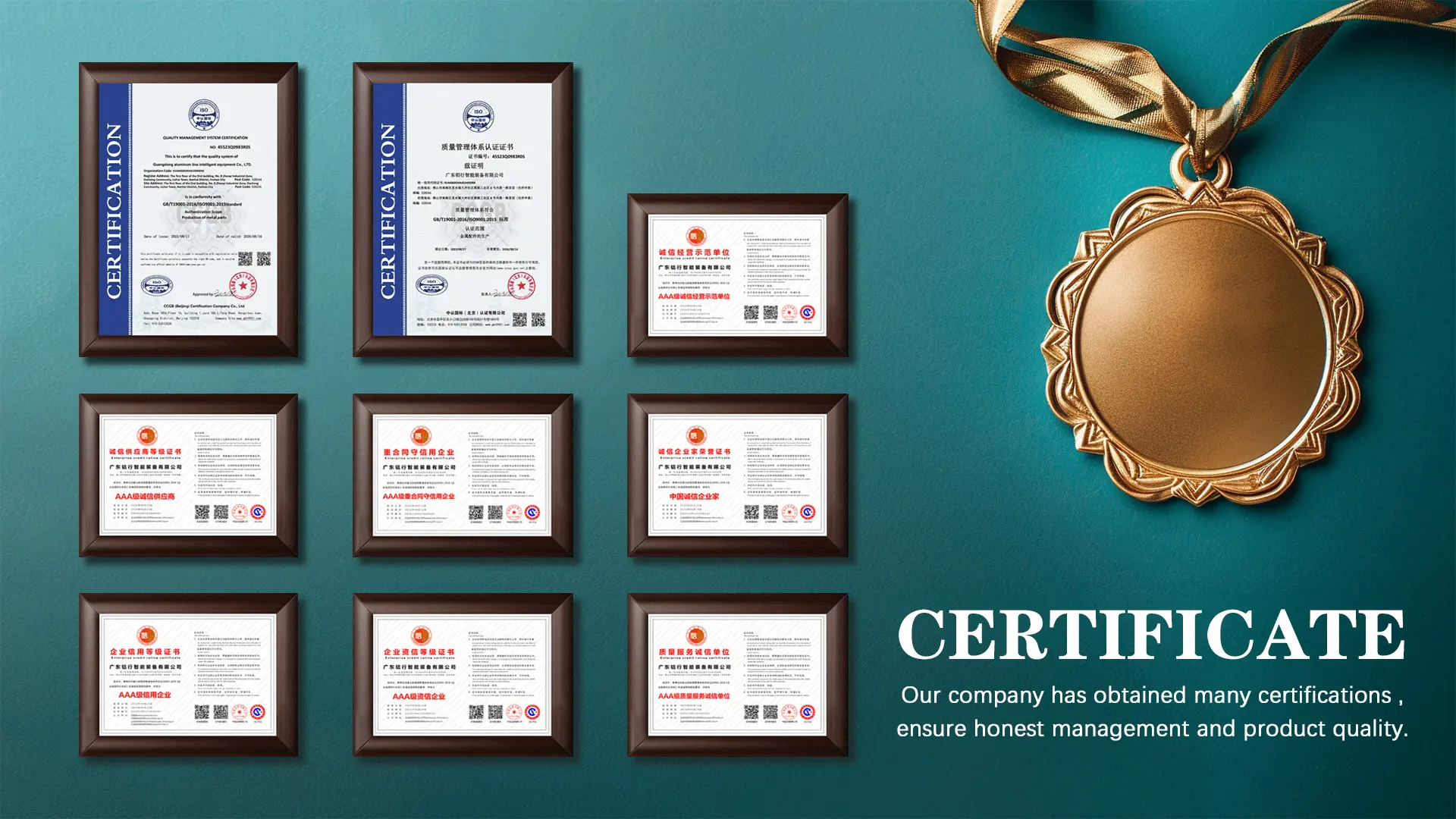
Recipient of the "Special Aluminium Materials for Aerospace" certificate. This demonstrates our ability to supply high-stress structural profiles that satisfy international aerospace safety standards.
All design and production stages follow ISO9001:2015 and GB/T19001-2016 standards. Traceability protocols apply to every batch of extruded profiles.
Our experienced R&D team converts client drawings, architectural plans, and structural calculations into physical prototypes, verifying compliance before mass production.
Industrial landing pad safety systems require customization depending on environmental challenges. Below are the primary deployment environments for our customized vertical landing pad safety nets:
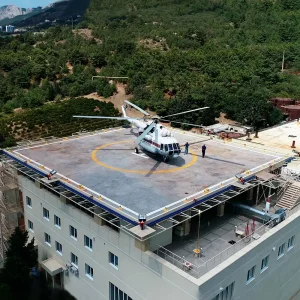
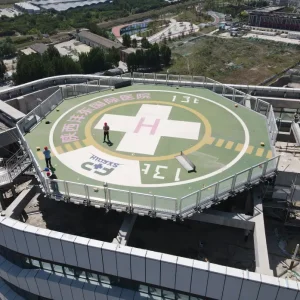
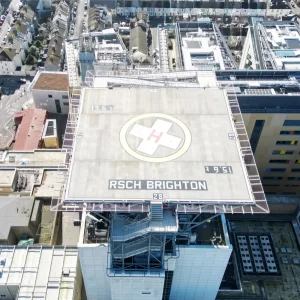
Critical for emergency medical services (EMS). These sites require lightweight structures to minimize rooftop loading, flame-retardant materials, and non-glare visual finishes. Our aluminum profiles prevent structural overloading of historical or modern hospital buildings while maintaining high wind load resistance.
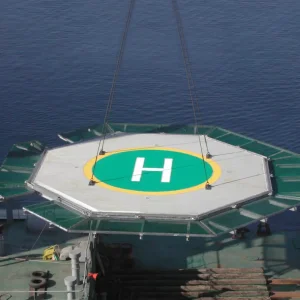
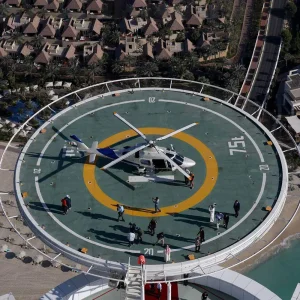
Subject to saltwater spray, high humidity, and extreme wave movements. Our systems utilize 316-grade stainless steel cables combined with hard-anodized marine-grade aluminum framing to resist C5-M high-corrosive maritime conditions.
With the rise of Advanced Air Mobility (AAM), urban rooftop vertiports are expanding. These installations demand aesthetic integration, sound damping, and quick-maintenance modular safety nets that blend with architectural envelopes.
The demand for custom helipad perimeter safety net systems is driven by building safety codes and offshore oil operations. Regulatory bodies are enforcing stricter compliance audits on older structures. Many operators are upgrading from old, heavy galvanized mesh to marine-grade aluminum alloy configurations.
In parallel, offshore wind substations are increasingly utilizing helicopter transport, requiring customized landing platforms built for high-wind environments. This shift is driving demand for safety systems that reduce weight, prevent aerodynamic drag, and demand minimal maintenance over their lifecycles.
Expert answers addressing the concerns of B2B procurement managers, structural engineers, and contractors.
Explore our complete range of customizable landing nets, marine decks, and structural profiles designed for safety-critical vertical aviation applications.
Established in 2015 and based in Foshan City, Guangdong, Lvxing Intelligent Equipment Co., Ltd. serves global civil aviation, maritime, and construction industries. We turn custom specifications into certified structural systems.
 LvXing