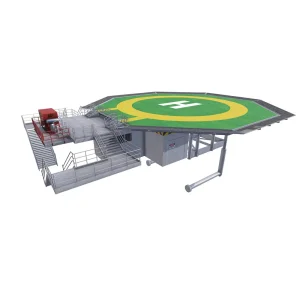
Precision-engineered extrusions for marine, aerospace, civil engineering, and specialized architectural applications.
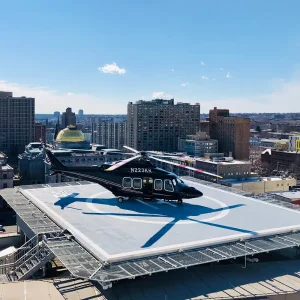
The global construction and heavy industry sectors are undergoing a paradigm shift towards structural weight optimization, durability, and decarbonization. In the developing urban centers of the Asia-Pacific region—particularly in the Philippines—there is an accelerating demand for high-strength aluminum profiles such as the 798 series and structural components. As architectural projects scale upwards, and coastal and transport infrastructures push environmental and engineering limits, the necessity for materials with superior strength-to-weight ratios, intrinsic corrosion resistance, and flexible extrusion profiles is paramount.
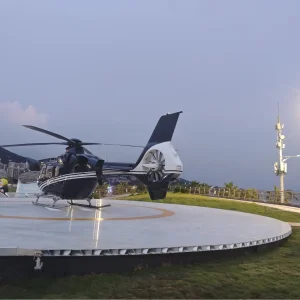
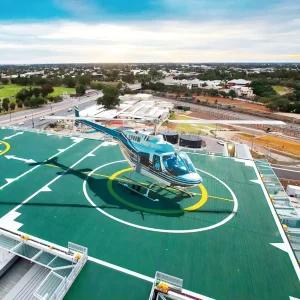
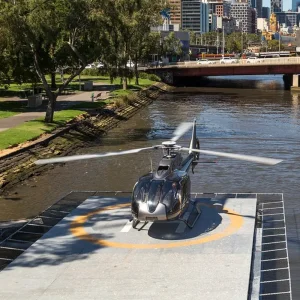
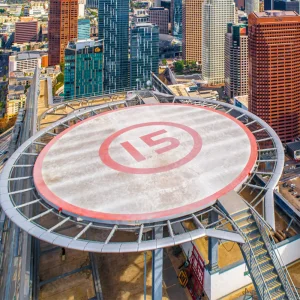
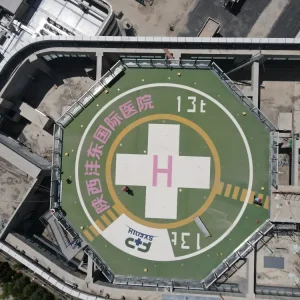
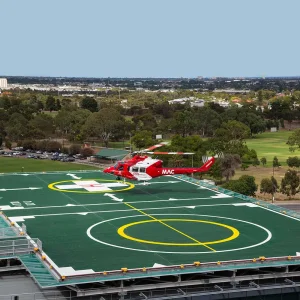
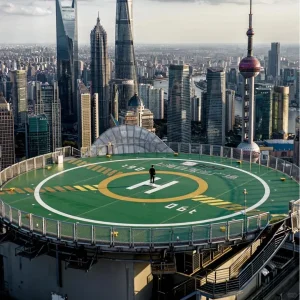
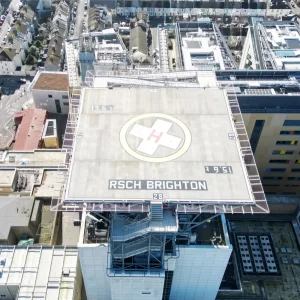
Aluminum profiles, specifically custom alloy extrusions in the 6xxx and 7xxx series, are quickly replacing structural steel in key projects. Modern developments require high structural efficiency where dead load constraints are strict—such as in urban skyscraper rooftop helipads, hospital emergency recovery platforms, marine docks, offshore structures, and large-scale industrial frames. The structural adaptability of aluminum allows engineers to execute designs with tight mechanical tolerances, while minimizing transportation and field-assembly logistics costs.
LvXing leverages premium Fenglu aluminum billets, utilizing a large fleet of heavy-duty extrusion lines ranging from 800T to 20,000T capacity. Our metallurgical process accommodates alloys from the 1xxx, 2xxx, 3xxx, 5xxx, 6xxx, and 7xxx families, producing complex profiles up to 1.2 meters in section width and 28 meters in length. These high-precision extrusions are critical for components in aerospace, maritime, high-voltage electrical arrays, and regional infrastructure developments.
The designation "798 Aluminum Profile" represents a versatile structural framing standard widely integrated in the Philippine architectural and light industrial ecosystem. By combining structural geometry with high-grade alloys, these extrusions provide high rigidity, excellent torsional load capacity, and simple modular assembly. Below is a detailed breakdown of the mechanical properties, environmental resistance profiles, and dimensional tolerances of our structural systems:
| Parameters | 6063-T6 Alloy (Standard Profile) | 6082-T6 Alloy (Heavy-Duty structural) | 7075-T6 Alloy (Aerospace Grade) |
|---|---|---|---|
| Tensile Strength (MPa) | ≥ 230 MPa | ≥ 310 MPa | ≥ 570 MPa | Yield Strength (MPa) | ≥ 170 MPa | ≥ 260 MPa | ≥ 500 MPa |
| Elongation at Break (%) | ≥ 8% | ≥ 10% | ≥ 11% |
| Brinell Hardness (HB) | 73 HB | 95 HB | 150 HB |
| Anodizing Coating Depth | Class I (15-25 microns) | Class I / Heavy Duty Anodized | Hard Anodized (up to 50 microns) |
| Corrosion Resistance | High (Excellent in atmospheric/rural) | Very High (CASS salt-spray tested) | High (Requires specialized surface treatment) |
Our heavy-duty profiles undergo customized thermal processing (T5, T6, or T6511 tempers) to achieve structural stability. This mechanical processing ensures that the structural framing profiles meet the National Structural Code of the Philippines (NSCP 2015) design criteria for wind deflection limits, seismic lateral loads, and structural integrity.
LvXing operates with strict adherence to the highest international quality benchmarks. Below are the verified metrics and production advantages that distinguish our factory in the global aluminum supply chain.
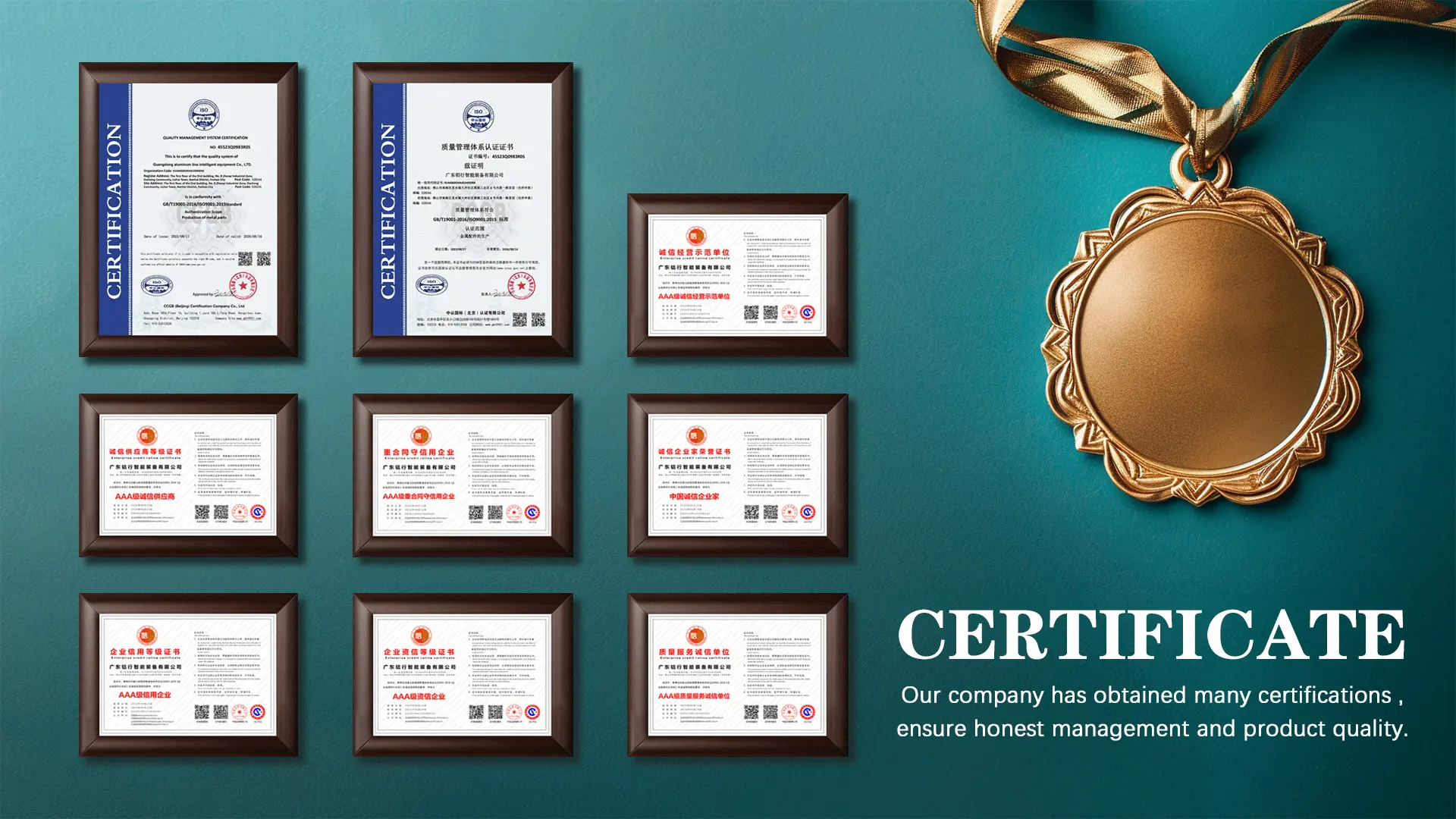
 Aerospace Standard Certification
We have obtained the prestigious "Special Aluminium Materials for Aerospace" Certificate. This validates that our metallurgical processing, trace alloy control, grain structural refinement, and quality audits meet the stringent reliability indexes required by international aerospace and marine civil structures.
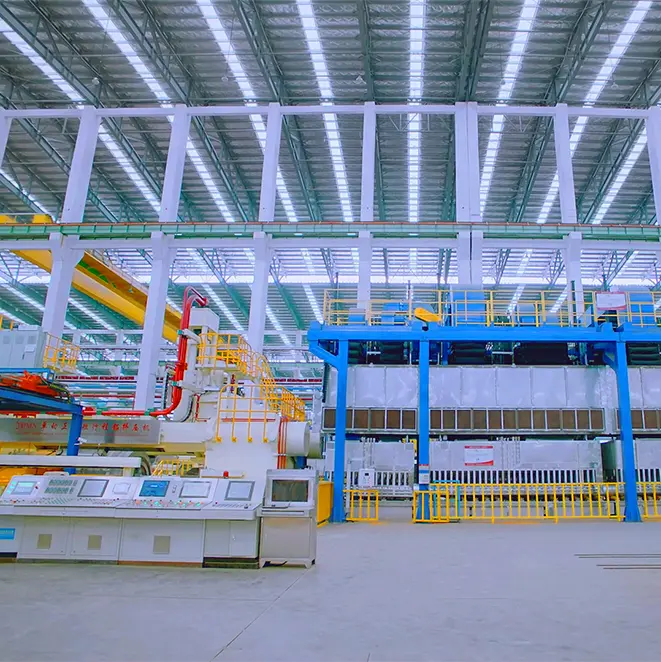
 Industrial Extrusion Might
We provide and utilize high-quality Fenglu aluminum profiles. With heavy-duty extrusion press lines ranging from 800T to 20,000T, we accommodate complex structural sections across alloys 1xxx, 2xxx, 3xxx, 5xxx, 6xxx, and 7xxx. This allows us to manufacture fully shaped structural members up to 1.2 meters in section width or 28 meters in length.
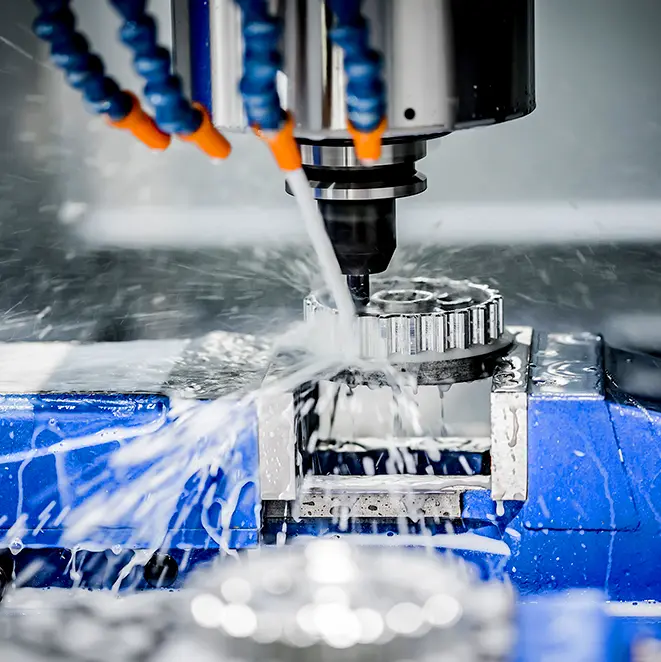
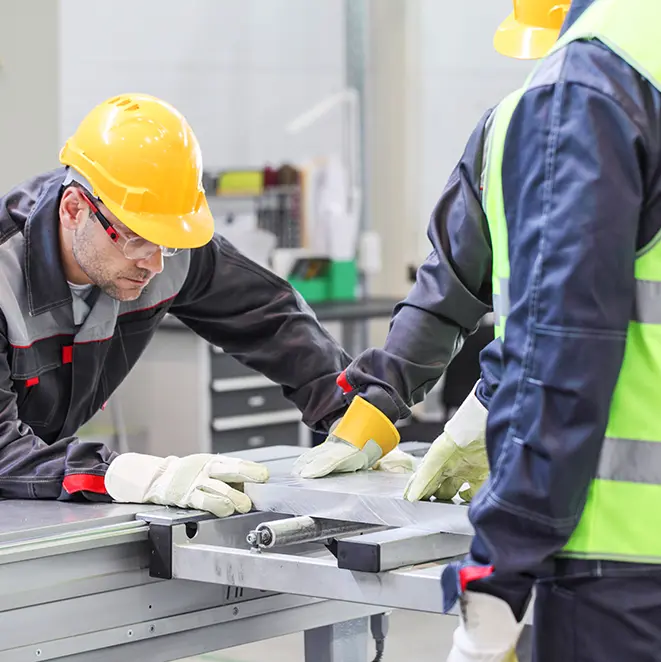
 Technical Ingenuity
Our core technician team has 15 years of experience in structural aluminum extrusion design and product manufacturing. By understanding the mechanical and spatial constraints of our clients, we identify potential issues early in the design stage, delivering practical insights and optimized custom dies.
The environmental conditions of the Philippine archipelago—high salinity index, high relative atmospheric humidity, seasonal typhoons, and localized seismic actions—demand high performance from building envelopes and structural materials. Our aluminum profiles are engineered to meet these demands across various applications:
A reliable B2B procurement chain requires consistent quality and dependable logistics. LvXing optimizes the shipping process from our Foshan production facility to major logistics hubs in the Philippines, including the Port of Manila (North/South Harbor), Port of Cebu, and Port of Davao.
Every batch of aluminum extrusions undergoes strict quality control audits in compliance with GB/T19001-2016 and ISO9001:2015 quality management systems. Our testing procedures include:
As modern engineering focuses increasingly on sustainability, LvXing is incorporating green production practices into our technical roadmap. Over the next five years, we are targeting key advancements in sustainable manufacturing:
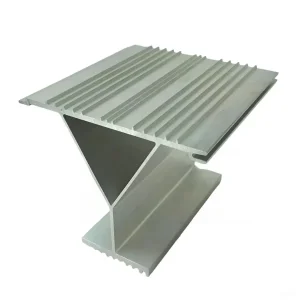
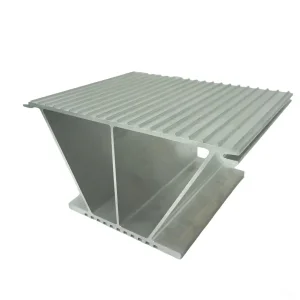
Our structural aluminum profiles are engineered with specialized internal ribbing to increase the section modulus and moment of inertia. When combined with high-tensile 6063-T6 or 6082-T6 alloys, they withstand wind pressures up to 300 km/h, satisfying wind load calculations defined under the Philippine National Structural Code (NSCP 2015).
Large tonnage extrusion capacity enables the production of wider and thicker profiles. Our 20,000T line produces single-piece, seamless structural shapes up to 1.2 meters wide. This reduces the need for joint welding and bolting, which increases structural strength and simplifies assembly.
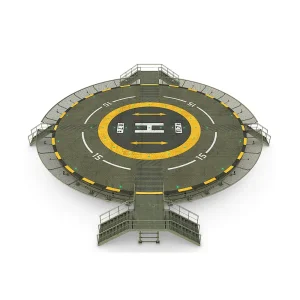
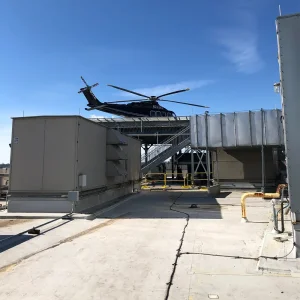
Aluminum has roughly 1/3 the density of steel while maintaining high structural strength when alloyed. For rooftop helipads, this lower weight reduces the dead load on the building's support columns, eliminating the need for expensive retrofitting. It also offers superior natural corrosion resistance, avoiding the maintenance costs of repainting rust-prone steel.
For coastal installations, we provide Class I clear or color anodization (with coating thicknesses above 20 microns) and PVDF coatings. These treatments shield the underlying alloy from seawater corrosion and salty air, passing standard 3,000-hour neutral salt spray tests.
Typically, custom die design and sample extrusion require 10 to 15 days. Once samples are approved, volume production takes 15 to 20 days. Ocean freight shipping from Foshan to Manila Port adds approximately 7 to 10 days, allowing for a total delivery timeline of roughly 35 to 45 days.
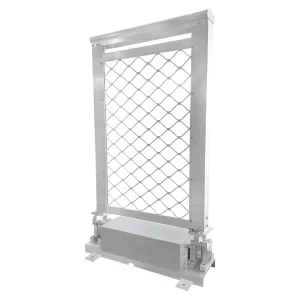
Browse our catalog of custom-extruded panels, perimeter nets, and specialized structural assemblies.
 LvXing