Explore our custom-engineered aluminum extrusions optimized for high-load platforms, glass deck integrations, and critical structural applications.
Modern architecture and industrial infrastructure demand higher structural performance, seamless material integration, and lighter structural weights.
The global market for aluminum profiles designed for structural glass interfaces is experiencing a major technological shift. Driven by urban density and strict energy regulations, engineering firms are moving beyond simple window frame channels. Today’s demand centers on heavy-duty, high-load aluminum alloys capable of carrying wind loads, dynamic stresses, and supporting massive structural safety glass modules on skyscraper roofs, heliports, and marine superstructures.
Key industry drivers include:
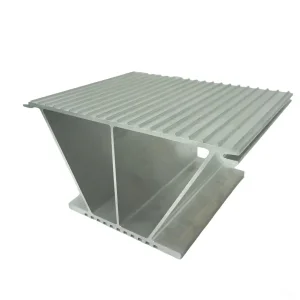
Modern designs specify single pane glass plates exceeding 6 meters. Supporting such loads requires structural aluminum profiles with high yield strengths (like alloys from the 6xxx and 7xxx series) and complex internal cross-sectional chamber designs.
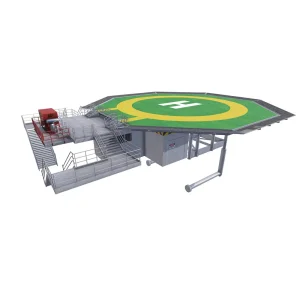
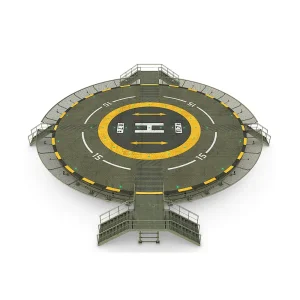
Furthermore, safety critical projects such as rooftop helicopter rescue pads and ship deck installations require non-sparking, corrosion-resistant framing that integrates safety mesh, structured structural plating, and robust industrial sub-structures.
Bridging high-volume wholesale requirements with aerospace-grade precision manufacturing.
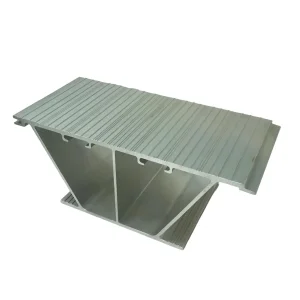
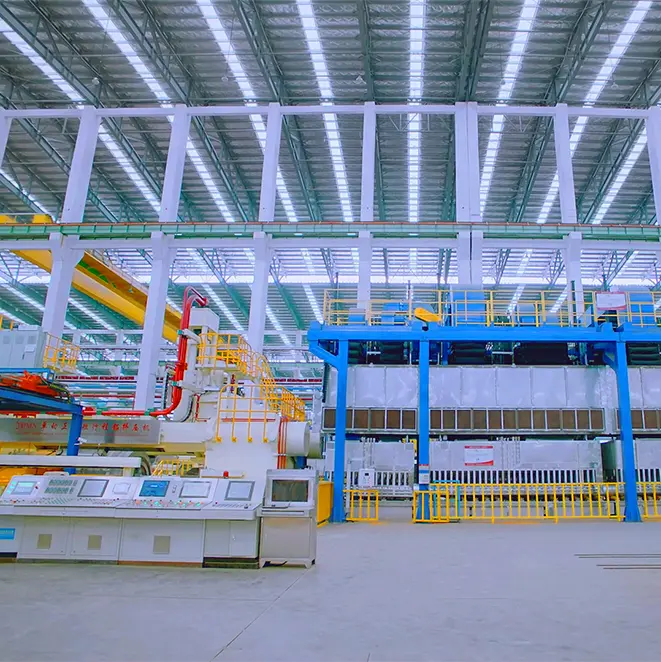
We leverage world-class extrusion lines including a massive 20,000-ton press, allowing us to produce shaped profiles up to 1.2 meters wide and 28 meters long. This is essential for structural glass assemblies and continuous helipad decking.
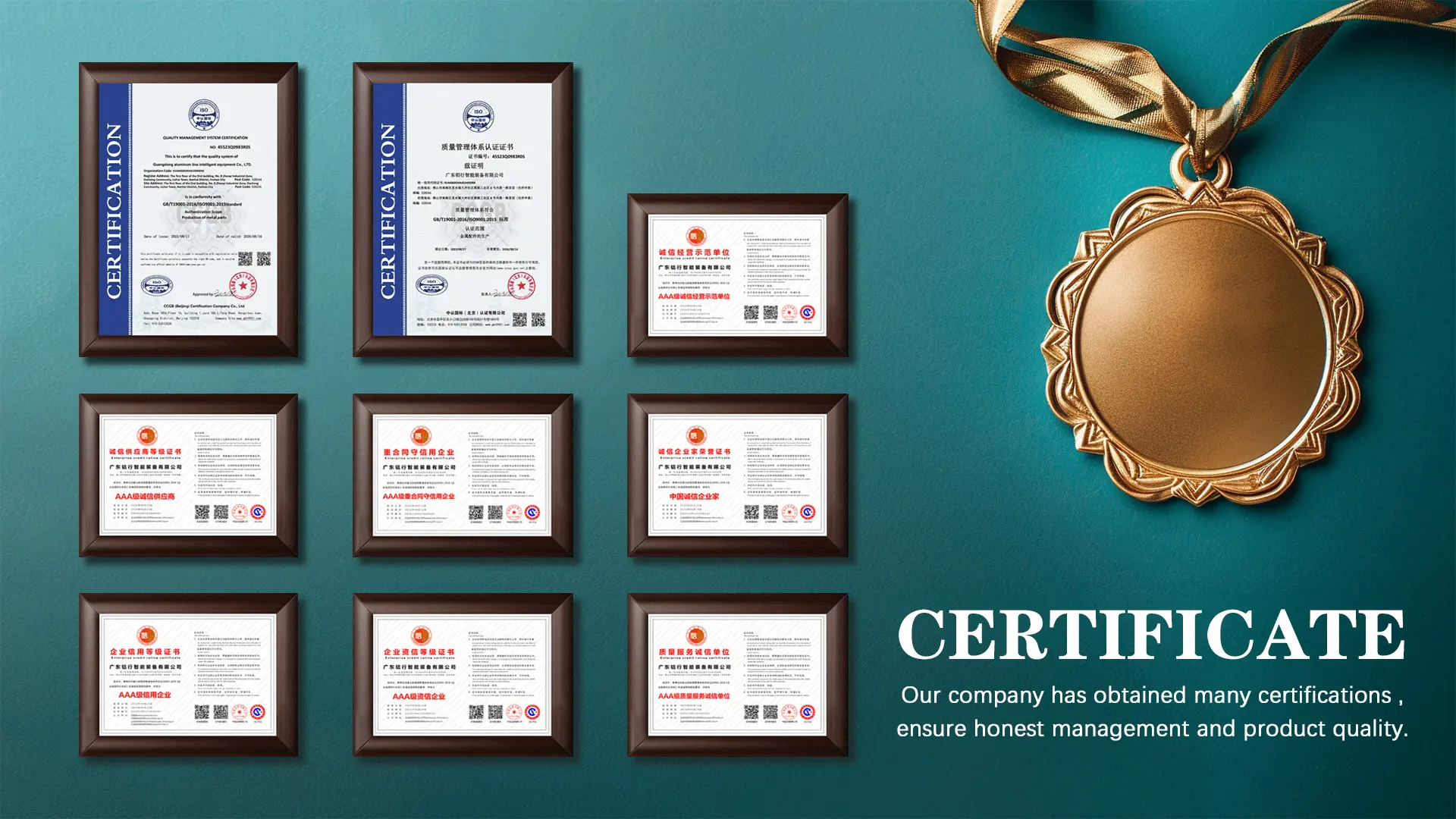
Lvxing has obtained the prestigious "Special Aluminium Materials for Aerospace" Certificate. Our quality processes conform strictly to GB/T19001-2016 and ISO9001:2015 standards, ensuring compliance under challenging load environments.
Our experienced R&D team analyzes thermal breaks, shear stress resistance, and interface designs to catch potential issues early. We turn concepts into physical, high-performance profiles.
How Lvxing leverages Foshan’s complete industrial cluster to provide global logistics advantages and robust pricing models.
International procurement managers require suppliers that provide consistent metallurgy and mechanical dimensions. Quality variations in structural aluminum profiles can cause misalignments during glass curtain wall installation or compromise structural integrity in offshore helipads.
By utilizing premium Fenglu aluminum raw materials and executing strict batch-testing, Lvxing ensures uniform grain structure, tensile strength, and anodization depth. This reduces site adjustment costs and project delays for EPC contractors worldwide.
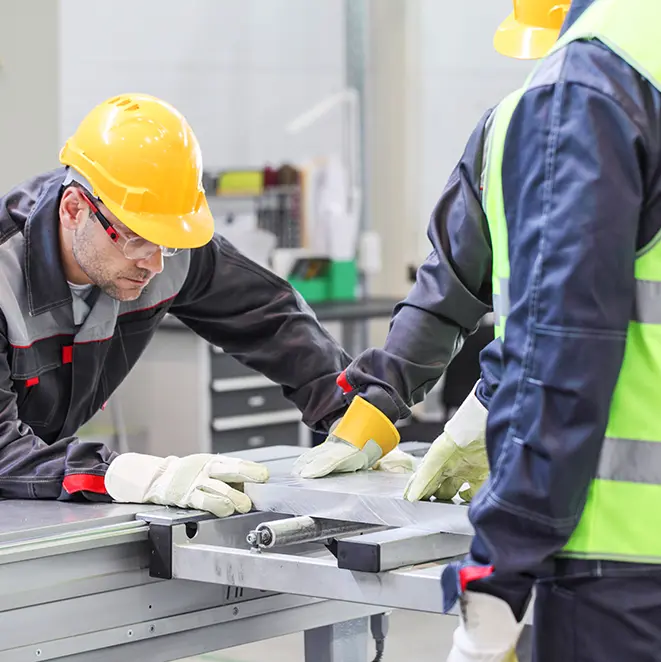
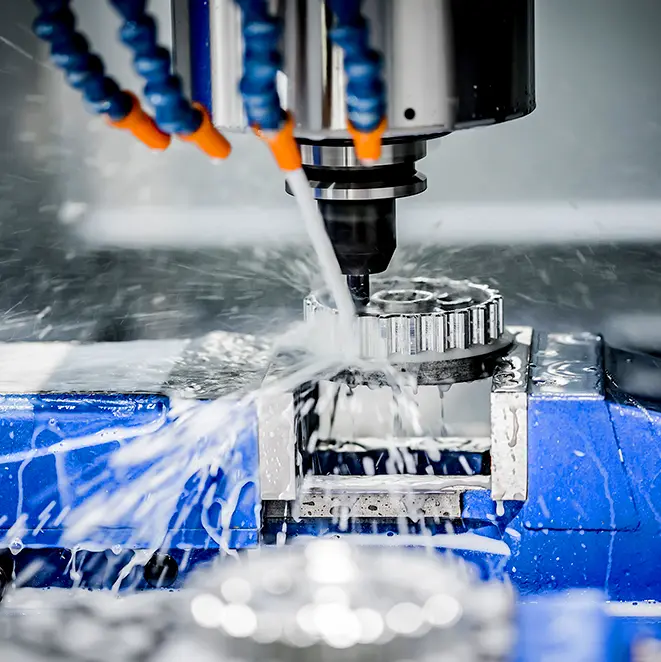
Located in Foshan, the global hub for aluminum extrusion, Lvxing integrates advanced automation into our processes. From automated temperature control on the extrusion dies to precision CNC post-processing, our facility reduces human error.
This integration enables shorter production times and flexible order volumes, helping project managers maintain scheduling timelines. We provide complete tracking from casting through heat treatment, extrusion, surface finishing, and export shipping.
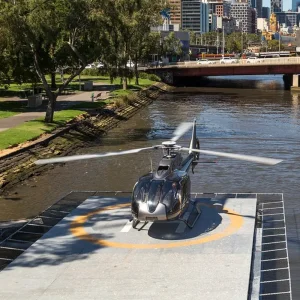
From rooftop emergency helipads to architectural structural glass, our profiles are engineered for harsh environments.
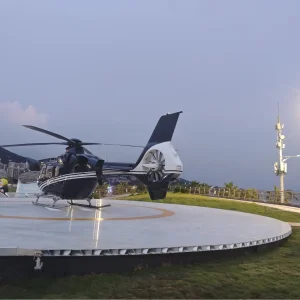
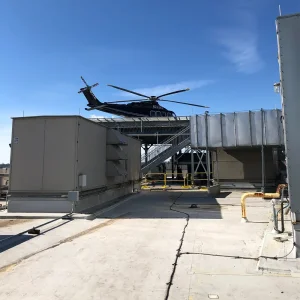
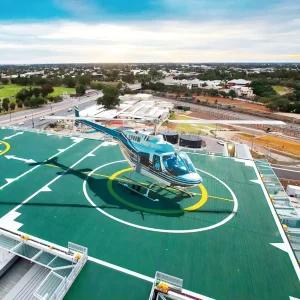
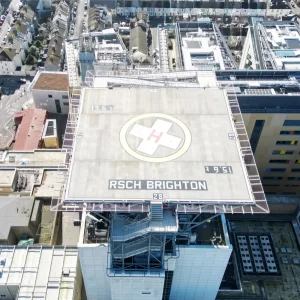
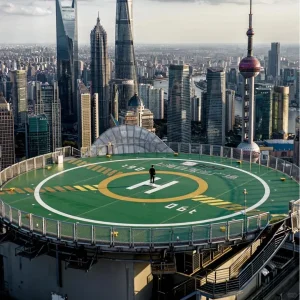
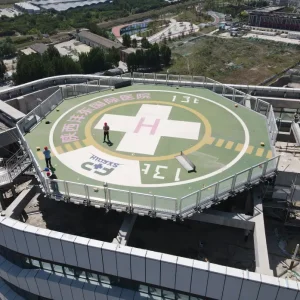
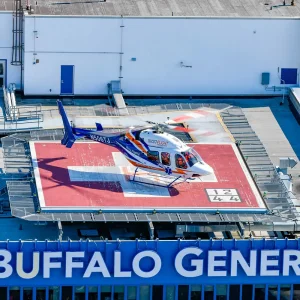
Engineered to absorb dynamic impact forces, our structural profiles integrate safety nets and decks, providing stable landings for rescue helicopters on urban skyscrapers and healthcare centers.
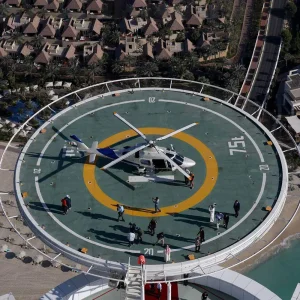
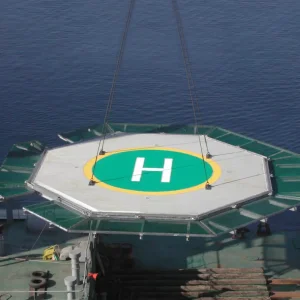
Manufactured using salt-spray resistant marine-grade alloys, these systems provide reliable performance for shipboard landing areas and offshore drilling platform structures.
Custom glass curtain wall mullions and transoms designed to handle heavy dead loads, dynamic wind pressures, and thermal expansion while maintaining narrow visual lines.
Translating advanced metallurgy into high-performance structural systems.
Technical clarifications for engineering firms, B2B procurement managers, and wholesale partners.
Premium structural profiles designed for high-stress, safety-critical glass, deck, and boundary systems.
 LvXing