Explore our precision-engineered, CE-certified structural aluminum safety systems, specifically designed for extreme marine and commercial environments.
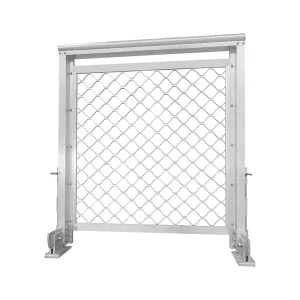
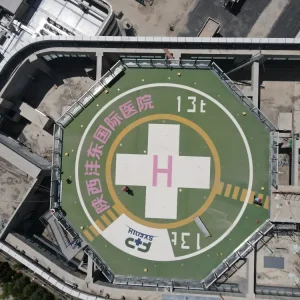
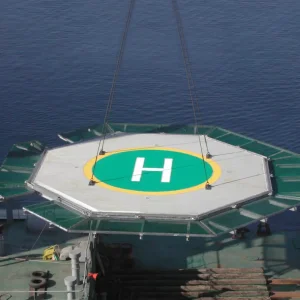
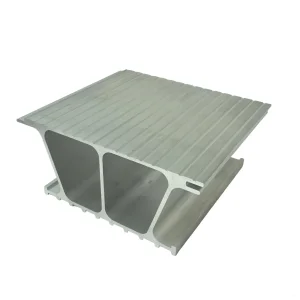
In modern industrial, maritime, and offshore engineering, structural safety requirements have evolved past simple barrier protection. Global infrastructure investments in high-density urban zones, remote maritime operations, and deep-sea energy exploration platforms require materials that offer long-lasting resilience and minimal maintenance profiles. The global aluminum safety net market has witnessed an accelerating transition from traditional galvanized or stainless-steel wire meshes to advanced, high-tensile marine-grade aluminum alloy safety nets.
This paradigm shift is driven by structural economics. In environments such as offshore oil rigs (helidecks), coastal hospital rooftop helipads, and military vessels, traditional steel nets are prone to rapid salt-spray corrosion and stress-corrosion cracking (SCC). When steel fails, the risk of structural collapse during helicopter maneuvers or rescue operations increases exponentially. High-performance aluminum profiles, specifically developed and treated with specialized anodized coatings, form an integrated passivated layer that resists atmospheric corrosion, aggressive marine salt-air, and UV radiation over multiple decades without degrading in structural integrity.
From an architectural and engineering perspective, safety net systems must meet strict regulatory codes like ICAO Annex 14, FAA Advisory Circulars, and the UK Civil Aviation Authority's CAP 437 standard. These standards outline rigorous parameters for drop tests, dynamic impact absorption, and boundary deformation. Modern factory manufacturing processes are now optimized to simulate these intense structural impacts, guaranteeing that every perimeter safety net can withstand a dynamic impact (typically a minimum of 2.3 kJ) without structural compromise, safeguarding ground personnel and flight operations.
Established in 2015 and located in Foshan City, Guangdong, LvXing Intelligent Equipment Co., Ltd. has developed into a national leader in structural aluminum systems.
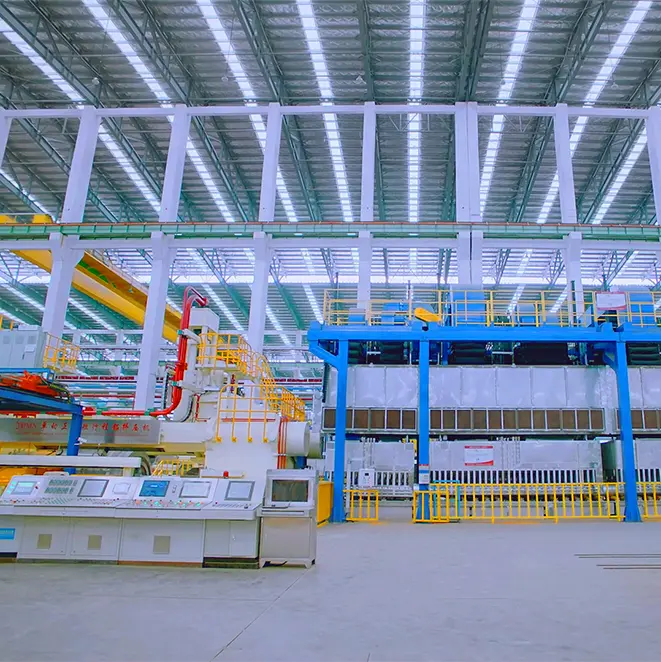

We have obtained the prestigious “Special Aluminium Materials for Aerospace” Certificate, reflecting our ability to meet the most demanding structural and safety standards in the world.
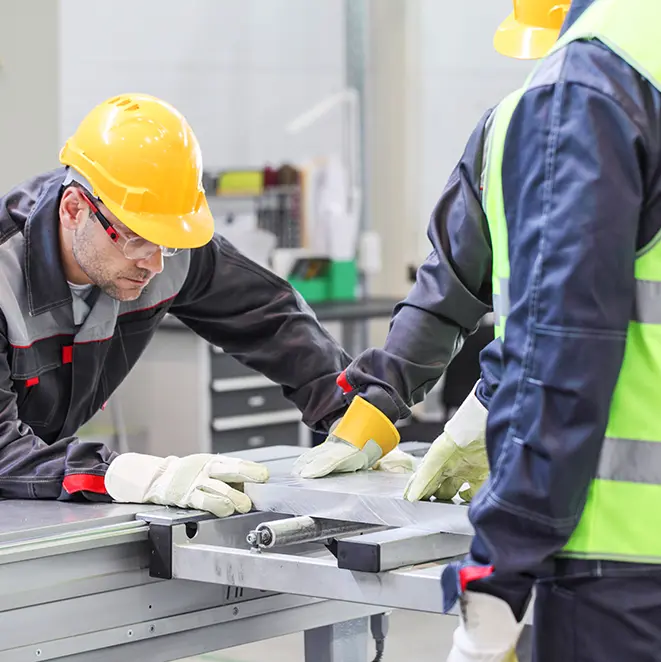

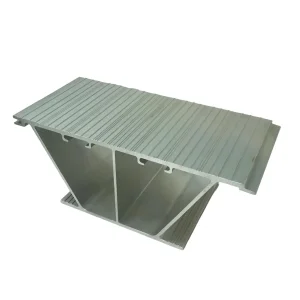
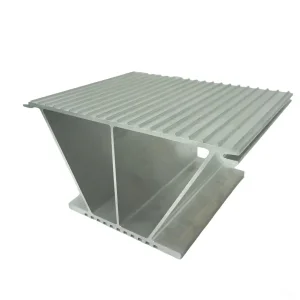
Utilizing premium Fenglu aluminum profiles. With extrusion lines ranging from 800T to 20,000T, we accommodate alloys 1xxx, 2xxx, 3xxx, 5xxx, 6xxx, and 7xxx, producing sections up to 1.2m wide and 28m long.
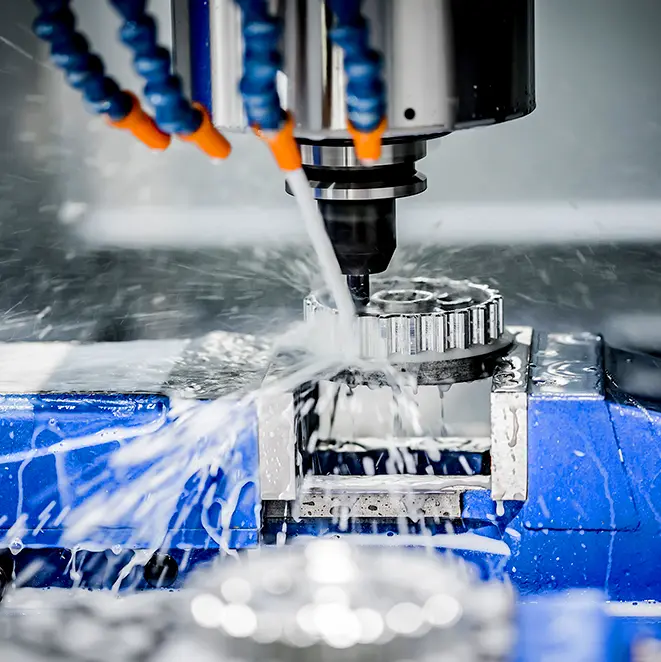

Our R&D and engineering team brings over 15 years of invaluable experience to identify complex design issues and deliver optimized, high-performance OEM/ODM structural safety products.
The manufacturing process at the LvXing Intelligent Equipment facility is structured around the unique chemical properties of aluminum alloys. Depending on the mechanical performance requirements, we process multiple alloy series:
To ensure consistent output quality, our facility operates strictly under the GB/T19001-2016/ISO9001:2015 quality management systems. Post-extrusion, profiles undergo precise mechanical processing, including CNC milling, drilling, and computerized anodizing processes that ensure a controlled oxide film depth (typically ≥ 15 microns) for long-term corrosion resistance. Testing procedures include salt-fog chambers, tensile tests, and structural load simulation testing before any shipment leaves our factory.
Optimized selections from 1000 to 7000 series aluminum, emphasizing structural T6 tempers for high load-bearing safety margins.
Extrusion capacities from 800T up to 20,000T, allowing for large-section profiles (1.2m wide, 28m long) with minimal joints.
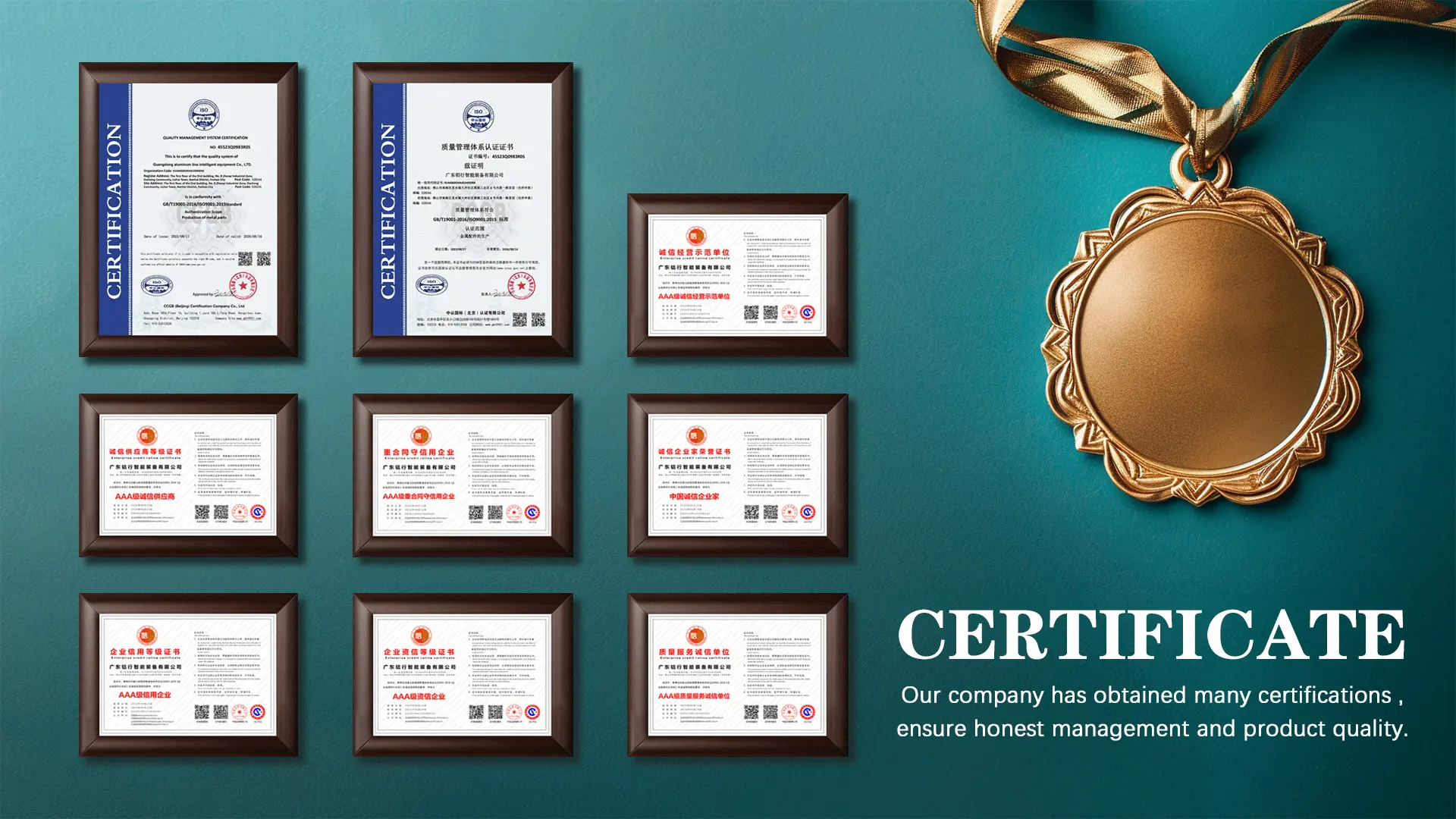
Conforms to ISO9001:2015, CE standards, and carries specialized aerospace material verification certificates.
The applications for high-grade aluminum safety nets span several specialized industries, each with unique operational challenges:
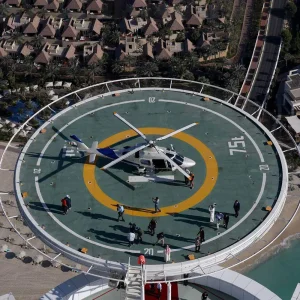
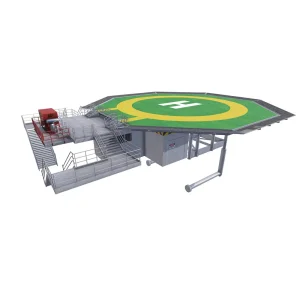
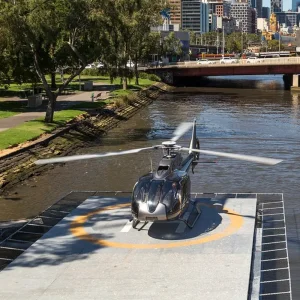
Offshore oil rigs and FPSOs operate in some of the harshest environments on Earth. High winds, wave motions, and constant saltwater spray create severe corrosive stress. Installing marine-grade aluminum perimeter safety nets (such as our CE-certified manual fold systems) ensures that helicopters can land safely in volatile sea states without safety hazards. The lightweight nature of aluminum reduces top-heavy loads on the platform superstructure, a critical factor in marine stability calculations.
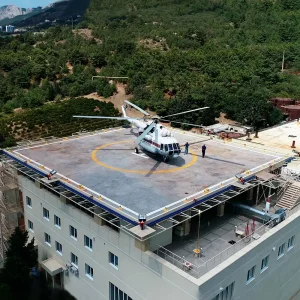
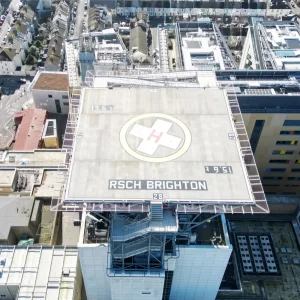
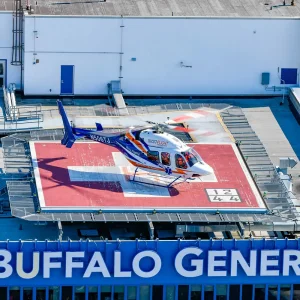
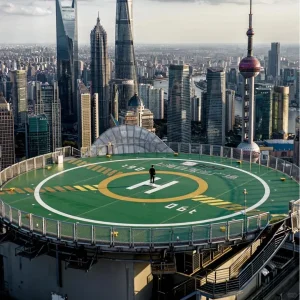
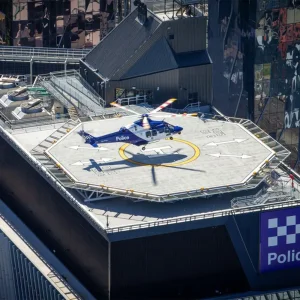
In high-density urban environments, emergency medical services (EMS) rely heavily on rooftop helipads. Safety nets on skyscraper roofs must resist high-velocity wind loads caused by urban thermals and building downdrafts. The materials used must be completely maintenance-free, as rooftop repairs on tall buildings are dangerous and costly. Aluminum safety nets provide a lightweight, non-corrosive, and visually clean solution that easily integrates with architectural building facades.
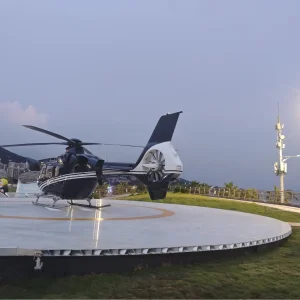
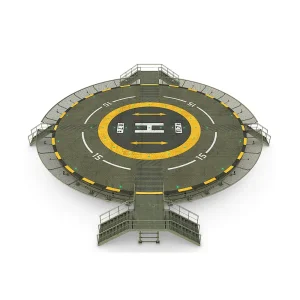
Maritime transport vessels, luxury cruise liners, and military frigates require helicopter landing decks. The safety nets must handle dynamic landing stresses while allowing easy foldability for flight operations. Our manual folding systems are engineered with marine-grade fasteners to allow rapid deployments, minimizing operational delays while guaranteeing maximum structural safety during helicopter takeoffs and landings.
The future of safety net engineering lies in structural intelligence. The industry is moving toward integrating IoT sensor networks directly into structural aluminum frames. These sensors monitor real-time strain, impact histories, and environmental load factors, feeding data back to building management systems or ship automation computers. This transition to predictive maintenance prevents structural failures and reduces long-term operational costs.
Procuring industrial-grade safety nets requires an understanding of the key cost drivers behind the manufacturer's pricelist. Wholesale pricing is typically determined by: raw material costs (aligned with the London Metal Exchange LME index), the complexity of the extrusion profiles, surface treatment requirements (anodizing/powder coating), and compliance certification costs.
| Profile Model | Alloy Composition | Primary Application | Standard Certifications | Key Features |
|---|---|---|---|---|
| LX-HP02 Series | Alloy 6082-T6 | Commercial Rooftop Helipads | CE, ISO9001:2015 | High tensile strength, optimized load distribution |
| LX-HP03 Series | Alloy 6061-T6 / 5083 | Offshore Helideck Perimeters | CE, Marine Certified | Exceptional resistance to marine salt spray |
| LX-HP04 Series | Alloy 6063-T6 | Hospital & Urban Helipads | CE, Aerospace Material Cert | Ultra-lightweight, customizable profile lengths |
| Custom Mesh Series | Alloy 5052 / 6061 | General Industrial Perimeter Protection | ISO9001:2015 | Flexible modular designs, cost-effective |
For large-scale infrastructure projects, purchasing directly from a specialized factory like LvXing offers significant cost efficiencies. By eliminating intermediary trading companies, buyers secure direct technical support, flexible profile customization (up to 28 meters long), and quality assurance documentation directly linked to the production batch.
Browse our detailed technical answers to common questions asked by structural engineers, safety officers, and purchasing managers.
View our complete range of certified aluminum safety netting and structural frame solutions, direct from our production facility.
 LvXing