Explore our foundational structural profiles, flexible landing deck nets, and customized perimeter setups manufactured to precision.
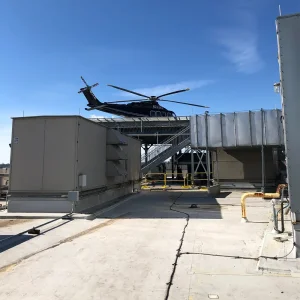
Bespoke edge configurations, structural aluminum framing, and high-tension wire netting engineered for high-altitude wind shear resistance.
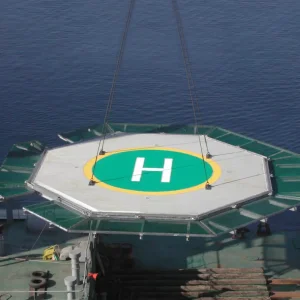
Marine-grade corrosion-resistant deck profiles utilizing advanced aluminum alloys, suitable for offshore vessels and luxury yachts.
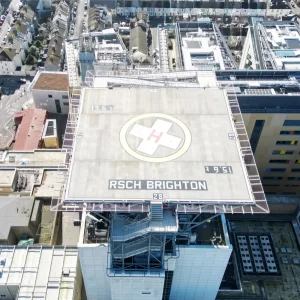
Optimized design tailored for trauma center roof structural configurations. Ensures rapid emergency landing response.
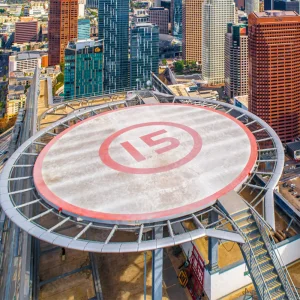
High-grade precision extruded round framing. High load absorption index and custom surface traction coating options.
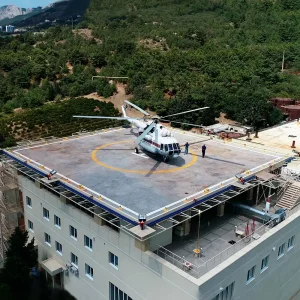
Fully certified safety landing zones compliant with EN standards, showcasing structural analysis profiles and long-term durability metrics.
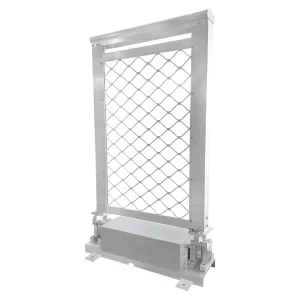
Automatic retraction mesh systems designed for flexible spatial management on rooftops and industrial platforms.
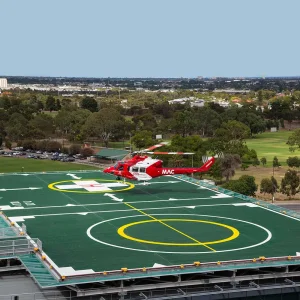
Structural heavy-duty alloy deck designs suitable for urban central business district architectures and logistics centers.
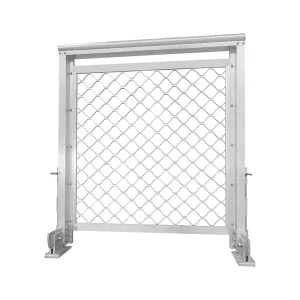
Standard compliance mechanical manual hinge and swing net systems, offering robust protection without dependent energy lines.
Analyzing structural safety, dynamic landing impact absorption, and peripheral life safety nets in urban structures.
In modern urban planning, the densification of municipal skylines has driven the rapid integration of rooftop helipads and elevated landing decks. These structures serve as vital conduits for corporate executive travel, search and rescue (SAR) logistics, and emergency medical services (EMS). Designing structural landing surfaces for multi-story buildings presents complex engineering challenges: managing severe high-altitude wind shear, accommodating dynamic structural load deflection, and preventing accidental structural falls. The integration of high-performance perimeter safety systems, commonly designated as Helicopter Deck Nets, is not merely accessory but a foundational safety requirement mandated by international aviation guidelines (e.g., CAP 437, ICAO Annex 14, and FAA directives).
These nets serve as a passive, high-impact fall arrest system installed around the perimeter of elevated heliports. They project outward and slightly upward from the platform edges, designed to catch personnel who may fall or be swept off by rotor wash without causing secondary injury. Standard industrial fall arrest systems, such as stiff metal barriers, present collision hazards for descending helicopters. Modern engineering demands specialized, flexible, high-tensile wire mesh systems that dynamically distribute energy, resist UV degradation, and withstand offshore marine or highly acidic urban air conditions. As a leading manufacturer in China, Lvxing Intelligent Equipment provides advanced aluminum alloy profiles and perimeter mesh systems that integrate structural lightness with unparalleled mechanical performance.
From a macro perspective, the helicopter deck net serves as the final barrier in a three-dimensional safety net. Elevated structures undergo significant localized wind pressure waves (updrafts and downdrafts) created by high-rise facades. During landing maneuvers, rotor downwash intensifies these air vectors, producing turbulent ground effects. Standard industrial barriers can suffer structural fatigue under repetitive wind vibration, while stiff vertical railings interfere with rotor clearance. Flexible mesh perimeter nets offset wind resistance due to their high open-area ratio (often greater than 85%), reducing aerodynamic drag and minimizing structural load transfer to the building's edge framing.
Lvxing’s structural solutions incorporate premium-grade Fenglu aluminum profiles, which leverage the outstanding material properties of 6000 and 7000 series aluminum alloys. Our manufacturing process uses custom extrusion presses ranging from 800T to 20,000T, allowing us to form continuous framing profiles up to 1.2 meters wide and 28 meters long. This long-span extrusion capability eliminates weak connection joints along the perimeter, establishing a seamless, highly integrated boundary system that handles wind load and vertical impact energy cleanly.
| Specification Parameter | Standard Grade Performance | Lvxing Heavy-Duty Alloy Performance | Regulatory Reference |
|---|---|---|---|
| Alloy Base | 6063-T6 / 6061-T6 Aluminum | Premium 6xxx / 7xxx Custom Extrusion | ASTM B221 Standards |
| Mesh Tensile Strength | 1.5 kN/m minimum | Up to 2.4 kN/m Dynamic Deflection Cap | CAP 437 / ICAO Annex 14 |
| Impact Loading Capacity | 100 kg drop test from 1m | 125 kg drop test from 1.5m (No rupture) | FAA AC 150/5390-2C |
| Corrosion Resistance | Standard Anodized (15um) | Marine-Grade Acid-Shield & PVDF Coated | ISO 9227 (Salt Spray >1000h) |
| Extrusion Scale Scope | Up to 6000T line capacity | 800T to 20,000T Single-Press Profiles | GB/T19001-2016 / ISO9001:2015 |
Lvxing Intelligent Equipment: Transforming high-grade raw materials into certified global architectural assets.
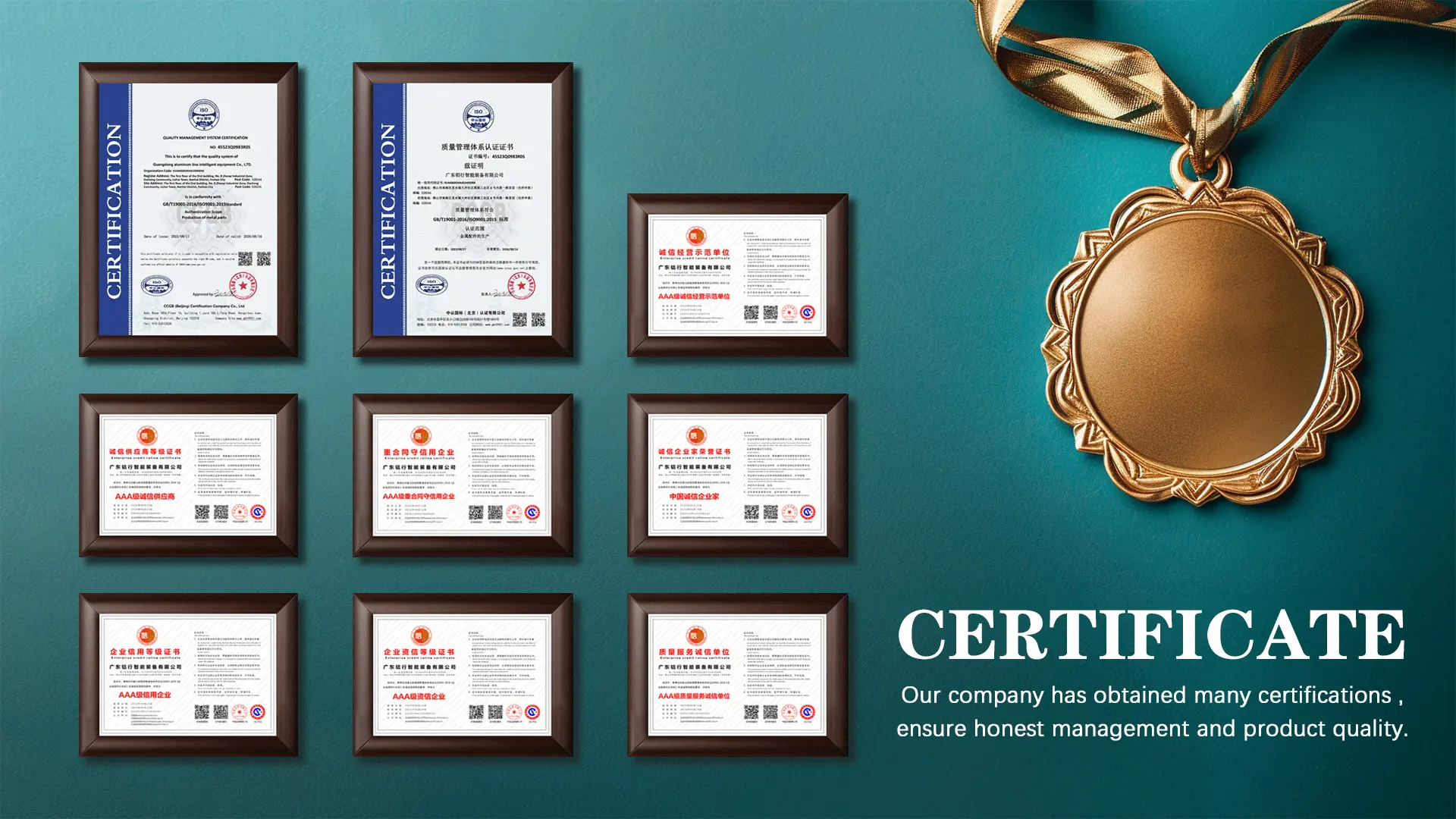
We have obtained the exclusive “Special Aluminium Materials for Aerospace” Certificate, assuring that our landing structures satisfy strict defense, aviation, and civil aerospace specifications.
Utilizing extrusion lines from 800T to 20,000T. We support structural alloys from the 1xxx, 2xxx, 3xxx, 5xxx, 6xxx, and 7xxx families, achieving maximum dimensions up to 1.2m wide or 28m long.
Our dedicated structural engineering team provides over 15 years of technical expertise. We identify potential load points, vibration weaknesses, and wind friction challenges to refine architectural concepts into reliable structures.
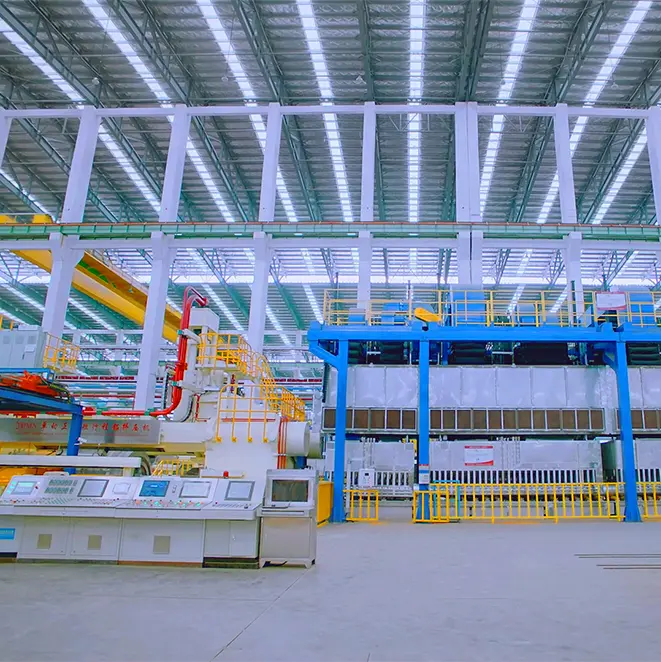
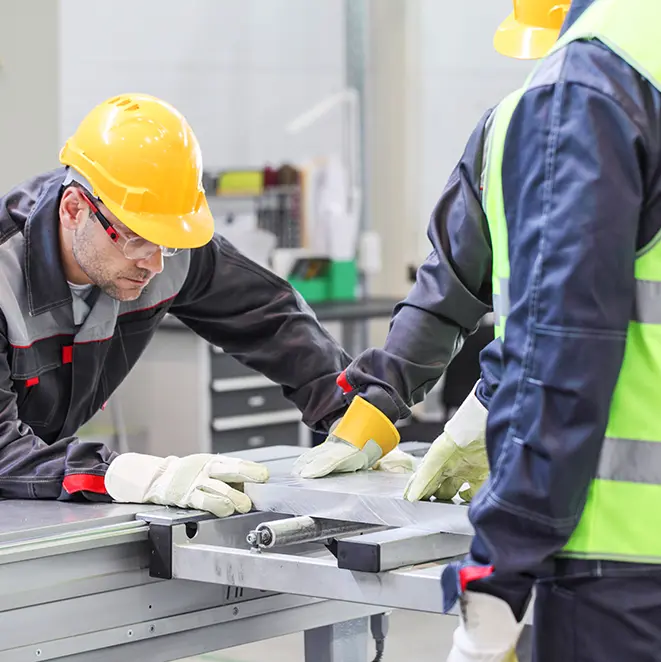
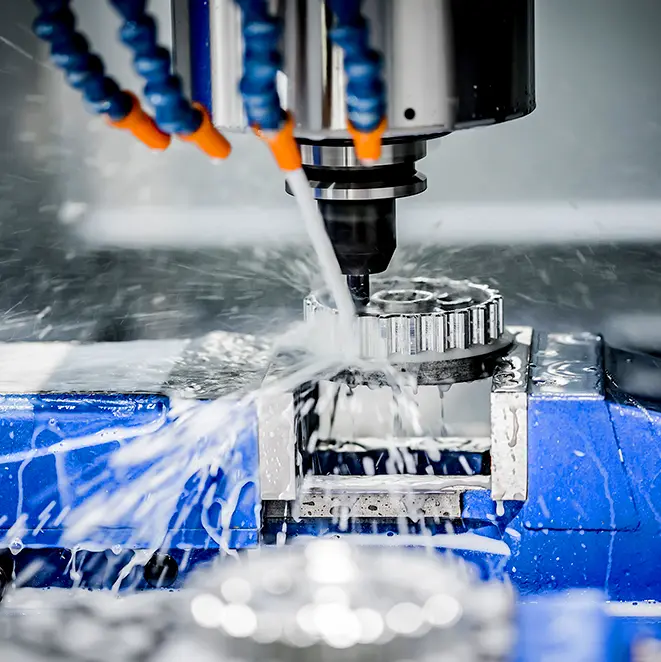
Established in 2015 and located in Foshan City, Guangdong (the heart of China's high-tech metal manufacturing sector), LvXing Intelligent Equipment Co., Ltd. has grown from a specialized metal extruder into a global innovator of integrated aviation landing platforms. We pride ourselves on executing customized project designs for demanding clients worldwide. By pairing technical engineering knowledge with modern production facilities, we deliver dependable helideck support structures, perimeter safety nets, and custom profile packages.
Our collaboration with Fenglu Aluminum ensures our raw material supply chains remain stable, clean, and of high metallurgical purity. We maintain rigorous quality control checkpoints from initial alloy formulation through dimensional testing to secure certification under the international GB/T19001-2016/ISO9001:2015 standard. Lvxing’s components are highly valued in aerospace, marine search and rescue, healthcare infrastructure, and high-rise commercial structures.
The transition toward dense urban centers has accelerated the deployment of rooftop air transportation links. In cities such as Tokyo, New York, London, Shanghai, and Dubai, the top level of skyscrapers functions as an active flight landing deck rather than mere storage. Because of this, global engineering bodies have heightened inspection guidelines for these spaces. In the past, simple chain-link fencing or solid metal walls were used; however, modern engineering reveals that solid barriers block airflow and generate localized vortices, which can destabilize low-weight aircraft during hover phases. High-tensile stainless steel wire or custom aluminum meshes have emerged as the global industry benchmark.
Furthermore, global regulations require perimeter nets to survive severe environmental stresses. On offshore oil platforms and coastal high-rises, marine salt spray accelerates electrochemical corrosion, causing steel-wire mesh systems to degrade. To address this, the industry relies on specialized treatments: high-purity aluminum alloys, high-thickness anodization (exceeding 20 microns), or duplex coating techniques (coating aluminum profiles with thermosetting PVDF resin). Our research and development focuses on optimizing these coatings to resist chemical attack, intense UV exposure, and structural loading cycles without premature mechanical failure.
Depending on geographical location, local zoning codes dictate different testing criteria for helicopter landing deck nets:
Lvxing’s multi-story building deck nets satisfy these global standards. We provide our international partners with complete structural calculations, wind-tunnel analysis models, and official metallurgical cert sheets, ensuring quick building inspection approvals and rapid local commissioning.
The next generation of helideck perimeter safety systems incorporates active technology. At Lvxing, our technology roadmap focuses on three main developments:
1. Integrated Smart Sensors: Integrating fiber-optic strain gauges and piezoelectric sensors directly into the aluminum frame components. These sensors continuously monitor structural load profiles, alerting building managers to tension losses, structural movements, or wind fatigue before visual defects appear.
2. Electric Automated Retractable Mesh Systems: In multi-purpose urban spaces where rooftops double as public observation platforms, retractable perimeter nets offer ultimate flexibility. Our motorized systems roll back or fold down flush with the facade, deploying automatically when helicopter guidance systems signal a flight approach.
3. Carbon Fiber & Aluminum Hybrids: By weaving high-modulus carbon fiber strands into our structural aluminum core wires, we achieve high strength-to-weight ratios. This material upgrade reduces the structural load on building cornices, helping architects design lighter overhang cantilevers.
Providing direct, technically detailed answers to critical engineering, pricing, and installation inquiries.
Explore our structural aluminum alloys, wire mesh configurations, and CE-certified helicopter landing pads.
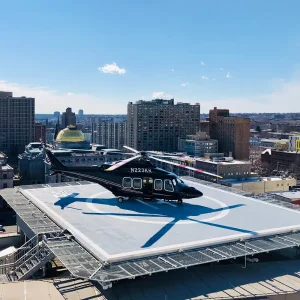
Heavy-duty landing pads engineered for multi-story buildings, corporate towers, and urban rescue hubs.
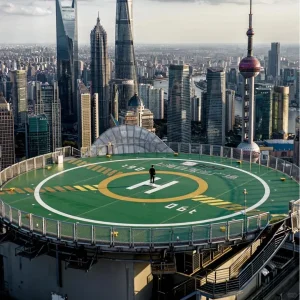
Highly integrated structural frames, featuring vibration absorption buffers and certified fall safety perimeters.
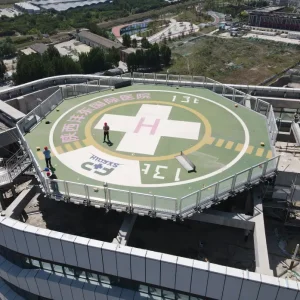
Extruded structures utilizing premium Fenglu aluminum alloys, delivering high mechanical strength with low weight.
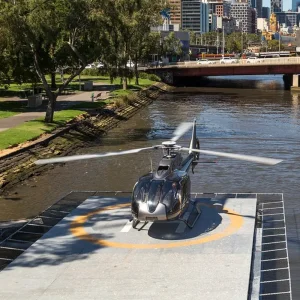
Corrosion-resistant high-tensile wire mesh designs offering robust security and easy installation.
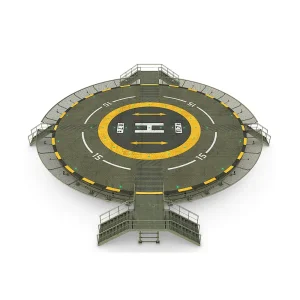
Lightweight and durable safety barriers designed to resist marine atmospheric corrosion and high winds.
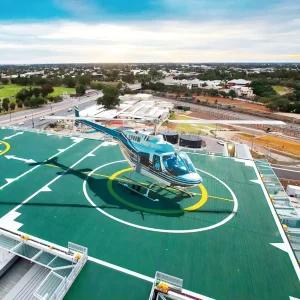
Pre-engineered modular systems configured for fast rooftop assembly and minimal maintenance.
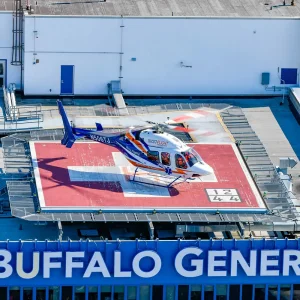
Certified helipads optimized for fast-response medical logistics and hospital emergency rescue operations.
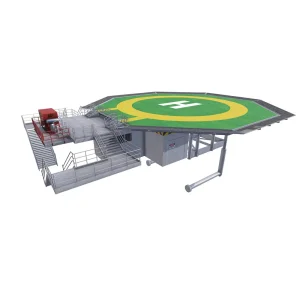
Rigid aluminum wire safety netting panels designed for commercial rooftop structures and industrial sites.
 LvXing