Explore our precision-engineered, marine-grade aluminum systems certified to international aviation standards.
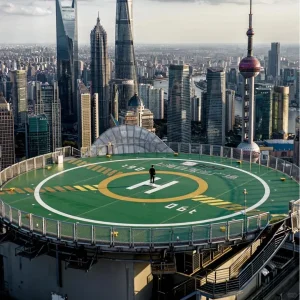
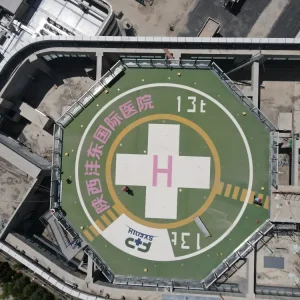
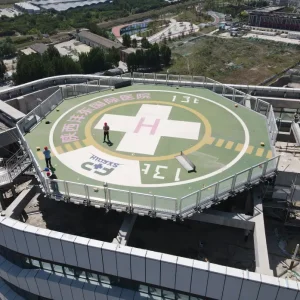
In high-risk offshore operations, maritime shipping, and rooftop medical evacuation zones, helicopter decks demand uncompromising safety installations. A Helicopter Deck Safety Net (also referred to as helideck perimeter safety netting) serves as a critical fall-prevention barrier designed to protect flight crew, ground handlers, and passengers from falling off the exposed edges of elevated landing platforms without interfering with helicopter operations.
Modern helideck safety nets have transitioned from old-fashioned steel wire setups to lightweight, high-performance, marine-grade aluminum alloy structural mesh systems. Engineered to withstand intense wind shear, saline-rich coastal corrosion, and heavy impact forces, these nets are required to comply with strict aviation rules globally. This technical whitepaper details the structural dynamics, testing protocols, factory cost parameters, and future development paths of aluminum alloy helicopter deck safety nets.
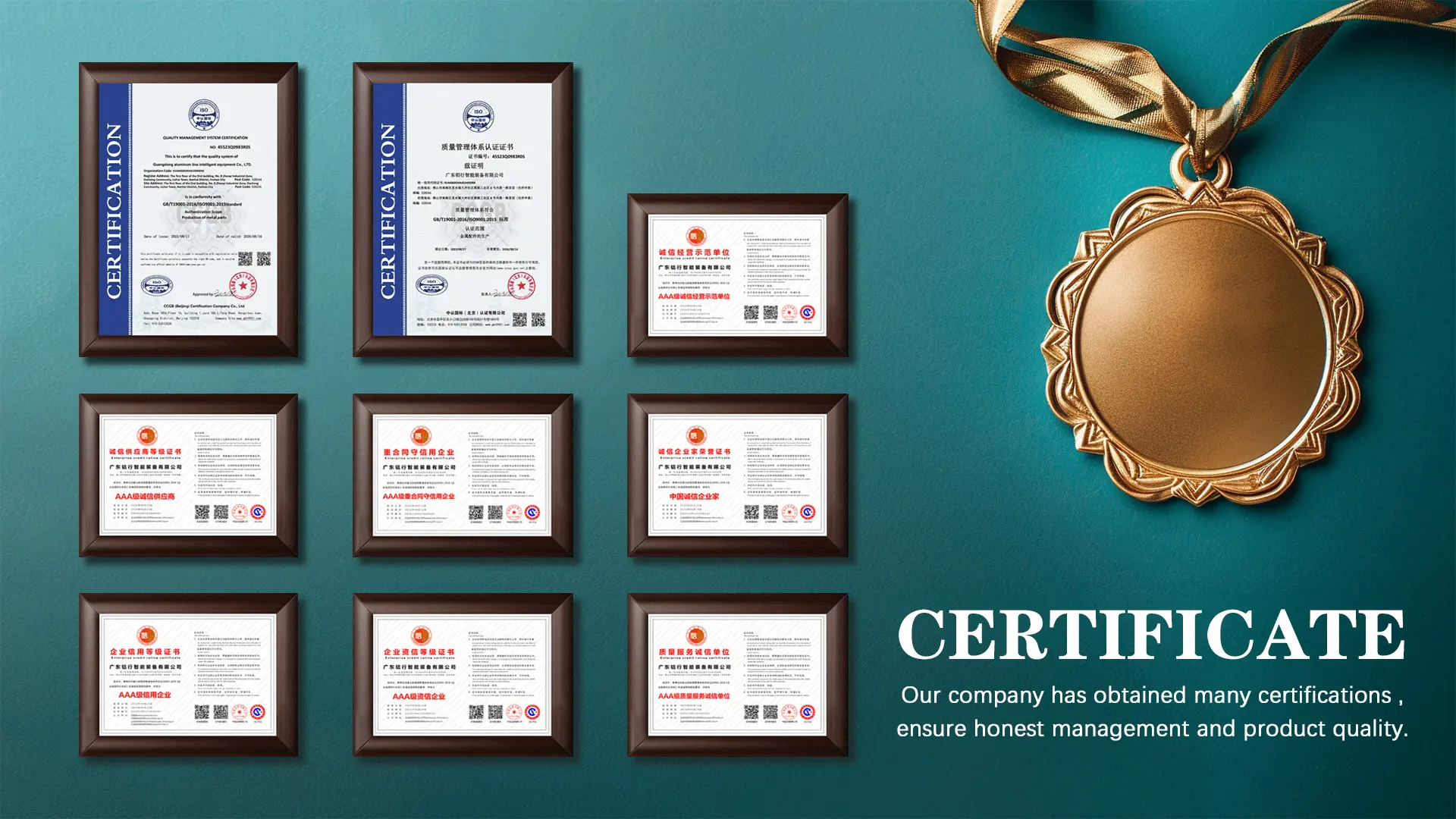
Leveraging state-of-the-art manufacturing based in China's industrial heartland, we translate high-grade aluminum into robust safety systems.
Why leading offshore operators and civil aviation contractors partner with LvXing Intelligent Equipment.
We hold the certified "Special Aluminium Materials for Aerospace" designation, ensuring that all structural base structures and safety mesh components conform to high metallurgy standards.
Operating extrusion lines from 800T to 20,000T, we shape multi-alloy profiles (1xxx to 7xxx) into continuous profiles up to 1.2m wide and 28m long, minimizing structural connection seams.
Our engineering team possesses a deep understanding of custom helideck safety configurations, allowing us to identify structural pain points and provide solutions before fabrication.
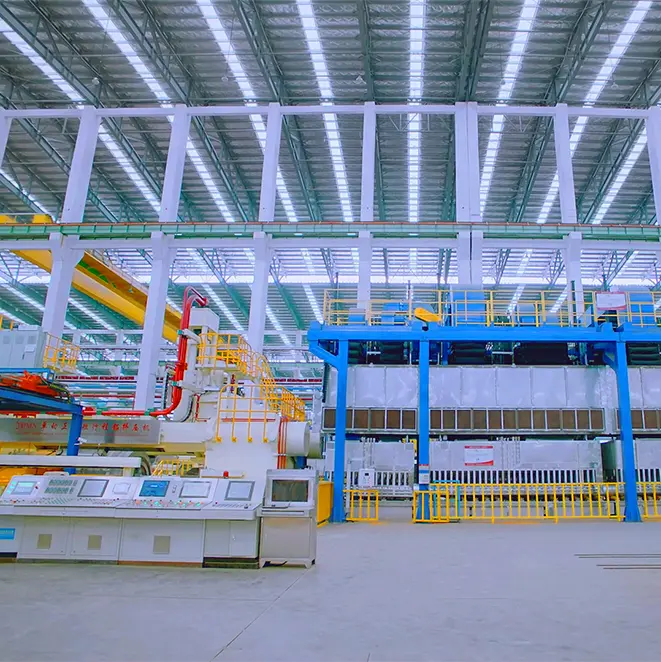
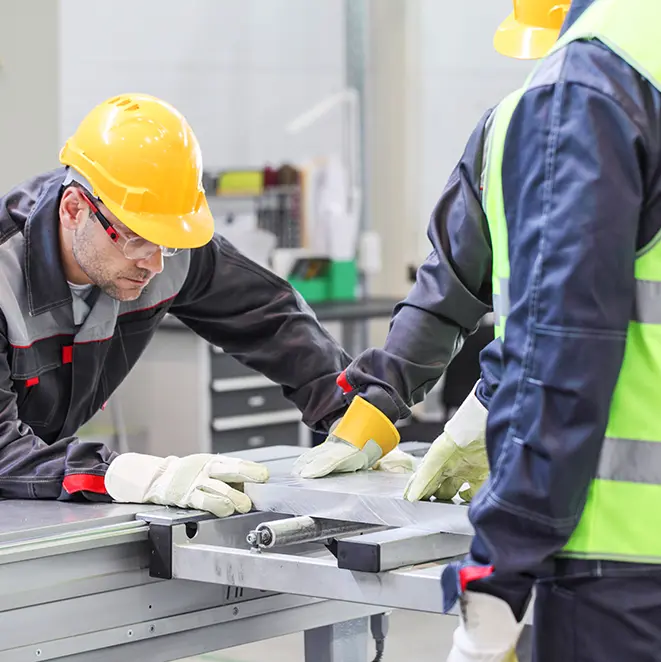
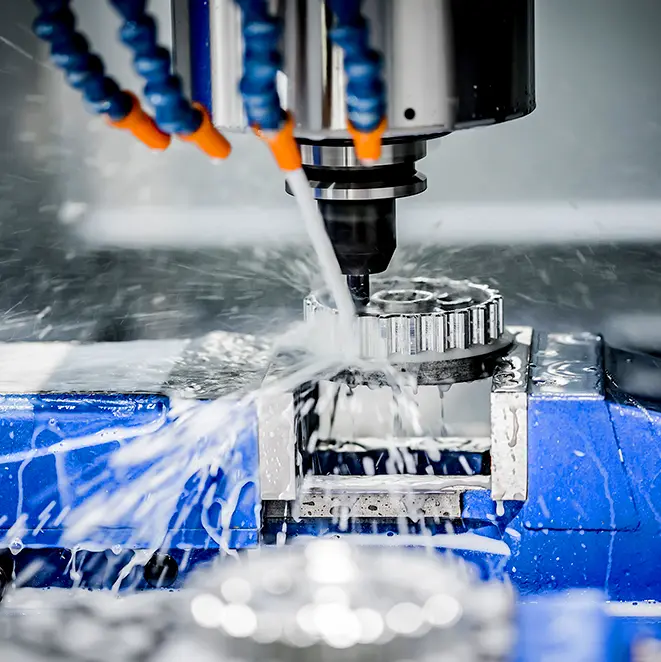
Tailoring structural designs to the specific challenges of land, marine, emergency, and commercial zones.
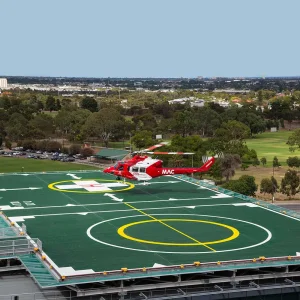
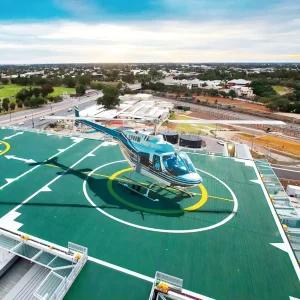
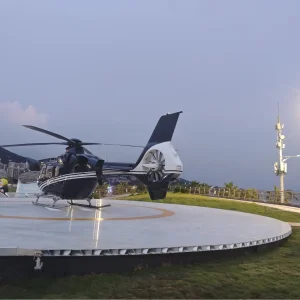
Subject to constant salt-water exposure, strong wind loads, and thermal fluctuations. Our marine-grade 6061-T6/6082-T6 aluminum perimeter safety net systems offer high resistance to atmospheric corrosion without requiring regular paint treatment.
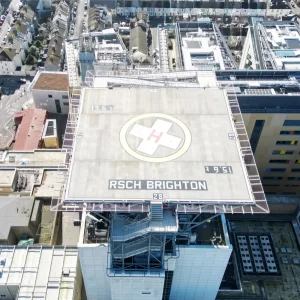
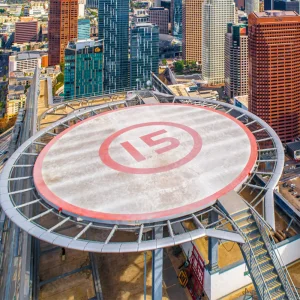
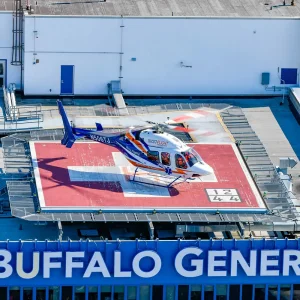
Hospital roof square helipads require vibration damping, sound reduction, and safety measures. Our mesh configurations prevent the "trampoline effect," absorbing energy smoothly in the event of an accidental fall.
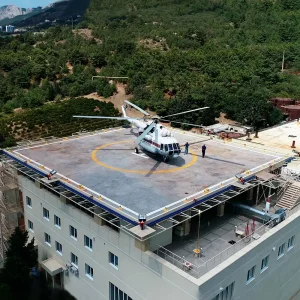
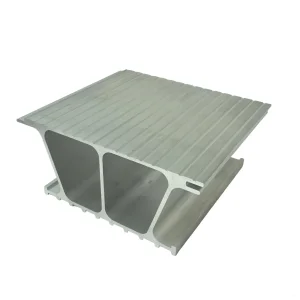
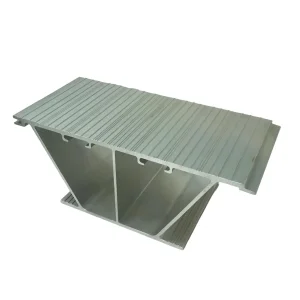
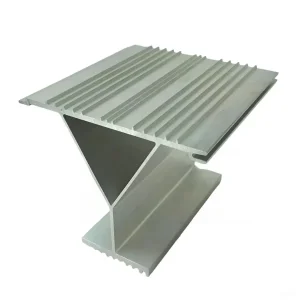
Requires structural lightness to minimize roof load profiles, coupled with wind-shear reduction. Customized aluminum profiles (like LX-HP01/02/03 series) allow for seamless integration with modern architecture.
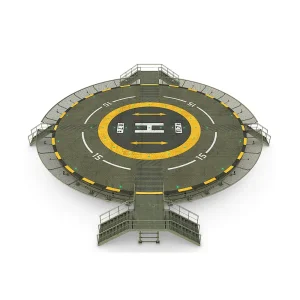
Designed to withstand extreme g-forces and vessel roll. Non-magnetic, corrosion-free properties prevent interference with sensitive onboard electronic tracking arrays, radar systems, and communication networks.
An in-depth look at the metallurgy, mechanical properties, and design configurations of our modern safety mesh systems.
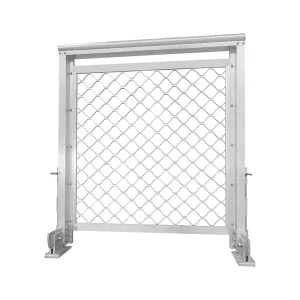
Traditional safety nets made of synthetic fiber or stainless steel wire rope can sag, rust, or degrade under UV rays, requiring high maintenance. Our modern solution features a modular structural aluminum panel frame integrated with premium grade 316 stainless steel wire mesh or high-durability marine aluminum alloy profiles.
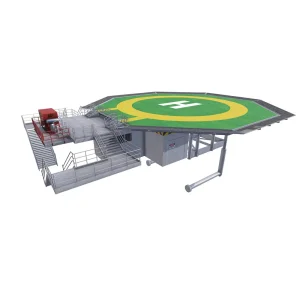
According to international safety mandates (e.g., CAP 437 and ICAO Annex 14), the helideck perimeter safety net must extend outward by at least 1.5 meters from the deck edge. It should tilt slightly upward at a 10-degree angle to catch personnel and must not act as a trampoline. Our design utilizes energy-dissipating joints that absorb the impact force, preventing rebound injuries.
| Property Parameter | Aluminum Mesh Panels | Stainless Steel Rope Mesh | Synthetic Fiber Nets (Legacy) |
|---|---|---|---|
| Primary Alloy Base | Al-Mg-Si (6082-T6 / 6061-T6) | SS316 Marine Grade | High-Density Polyethylene (HDPE) |
| Corrosion Resistance | Outstanding (Self-passivating oxide film) | High (Susceptible to crevice corrosion) | Low (Rapid UV UV-degradation) |
| Impact Absorption | Dynamic structural deflection (<200mm) | Elastic structural deflection | High stretch (High failure risk) |
| Wind Shear Profile | Aerodynamic slot ventilation profile | Minimal drag profile | High wind drag when weathered |
| Service Lifespan | Over 25 Years (Zero Maintenance) | 10-15 Years | 2-3 Years (Mandatory replacement) |
| Total System Weight | Lightweight (Approx. 6.5 kg/m²) | Medium (Approx. 9.8 kg/m²) | Light (No structural support) |
By utilizing premium Fenglu aluminum, we ensure our alloys (specifically in the 6xxx and 7xxx classes) exhibit structural strength comparable to structural steel at one-third of the weight. Extrusion lines up to 20,000 tons compress the aluminum grains, removing micro-voids and improving fatigue resistance against cyclic wind loads.

Our manufacturing facility in Foshan City, Guangdong, operates under an optimized Industry 4.0 framework. From digital extrusion monitoring to robotic cutting and punching, automation ensures consistent dimensional accuracy across large-scale production runs.
This centralized manufacturing hub allows us to offer competitive pricing. With local access to direct smelting resources, billet supply chains, and specialized surface treatment plants, we minimize logistics bottlenecks and deliver customized orders within short lead times.
The next generation of helideck safety systems: Integration of smart monitoring, green metallurgy, and advanced coatings.
We are researching structural net panels equipped with fiber-optic strain gauges. These sensors monitor structural integrity in real-time and alert maintenance teams of heavy impacts or structural fatigue.
For sub-zero offshore operations, we are developing superhydrophobic, anti-icing coatings that prevent ice accumulation, helping safety nets remain operational in cold marine climates.
Aligning with global decarbonization goals, we are incorporating low-carbon recycled aluminum alloys into our structural frames, maintaining mechanical properties while reducing carbon footprint.
How sourcing directors and lead project engineers evaluate specifications to request accurate quotes.
Provide the helideck's perimeter measurements, noting corner configurations (square, round, or polygonal). Specify if you require specialized modular profile systems like the LX-HP01, LX-HP02, or LX-HP03 series to fit custom deck beams.
Indicate the target installation site. Offshore oil platforms require high marine-grade anodized aluminum alloys, while hospital rooftop layouts focus on sound damping, aesthetic integration, and powder-coated finishes.
State the required certification standards (e.g., CE, CAP 437, CAA, or ICAO Annex 14). This ensures the factory includes certified materials, drop-test document compliance, and matching engineering approvals in the quote package.
Specify the mounting method (e.g., top-mounted, side-bracketed, fold-down hinges, or quick-release assemblies). Also indicate if specialized fasteners (such as SS316 bolts) are required for installation.
Expert answers to common queries regarding customized aluminum helicopter deck safety nets.
Select the matching profile series for your structural parameters and regulatory path.
 LvXing