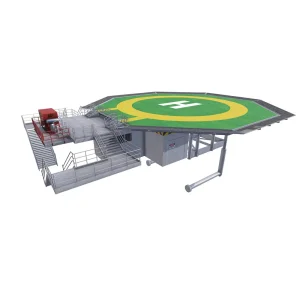
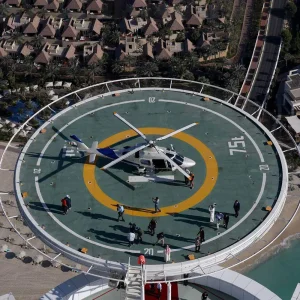
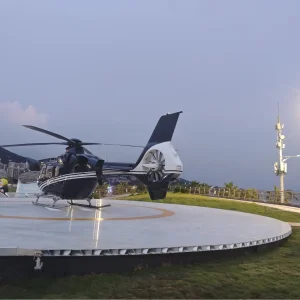
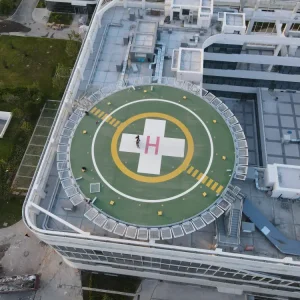
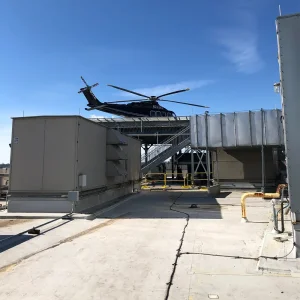
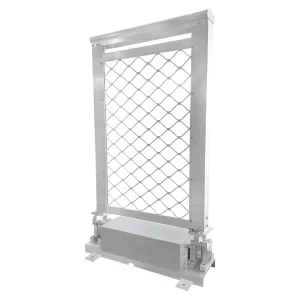
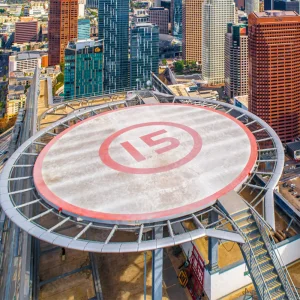
Explore our top industrial-grade aluminum helipads and perimeter safety nets designed for ultimate high-ascent aircraft security.
Understanding the safety, material science, and global demand dynamics in high-elevation helicopter operations.
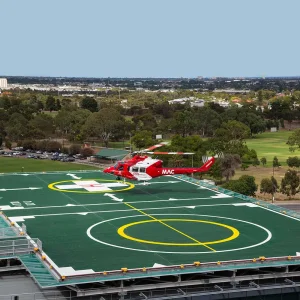
In modern B2B aviation infrastructure, High-Ascent Aircraft Landing Nets and perimeter security systems are not simple accessories; they are critical, legally mandated components of safety. Whether installed on high-elevation urban skyscrapers, dynamic offshore oil drilling platforms, naval vessels, or emergency hospital rooftops, these structural elements must withstand extreme environmental forces. The global shift toward urban air mobility (UAM), eVTOL (electric vertical take-off and landing) aircraft, and expanding offshore wind farms has driven an unprecedented demand for customized, lightweight, corrosion-resistant landing platforms and net systems.
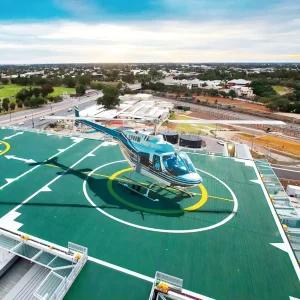
The primary function of a high-ascent landing net is twofold: first, the friction landing net laid across the deck surface stops aircraft from skidding under wet, icy, or high-pitch sea states; second, the perimeter safety net (or mesh) installed around the deck prevents personnel, crew, and ground equipment from falling over the edges of elevated landing platforms. Designing these nets requires advanced engineering, utilizing structural-grade aluminum alloys to guarantee high strength-to-weight ratios, ensuring longevity under high ultraviolet radiation and marine salinity levels.
Offshore oil platforms and gas rigs operate under severe marine environments. Systems must satisfy the stringent CAP 437 standards, incorporating C5-M marine-grade corrosion-resistant anodized aluminum alloys that resist high salinity and wind shear.
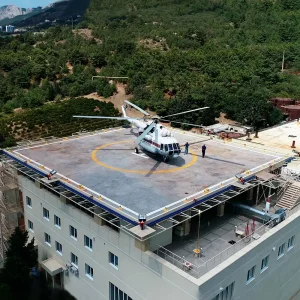
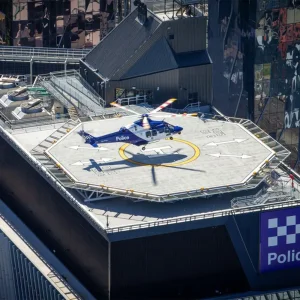
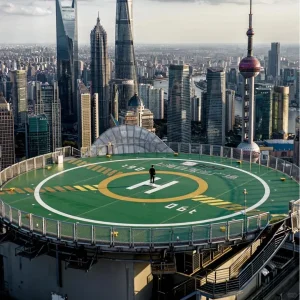
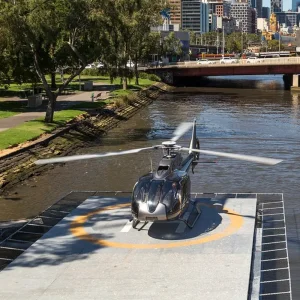
Metropolitan structures demand aesthetic integration combined with structural integrity. Modern municipal fire codes mandate helicopter rescue pads equipped with fire-retardant safety nets and lightweight configurations that reduce structural load on roofs.
Trauma centers and military bases depend on immediate flight readiness. High-impact perimeter nets protect personnel during high-stress operations, offering durable energy absorption to cushion accidental falls without damage to the landing craft.
Established in 2015 and located in Foshan City, Guangdong, LvXing Intelligent Equipment Co., Ltd. boasts a skilled R&D team with extensive experience. We leverage exceptional technical expertise to effectively transform customers' ideas into reality, consistently meeting their precise requirements.
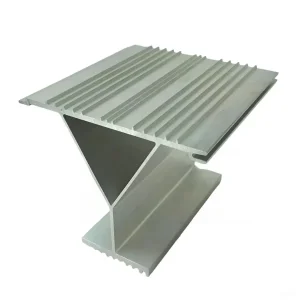
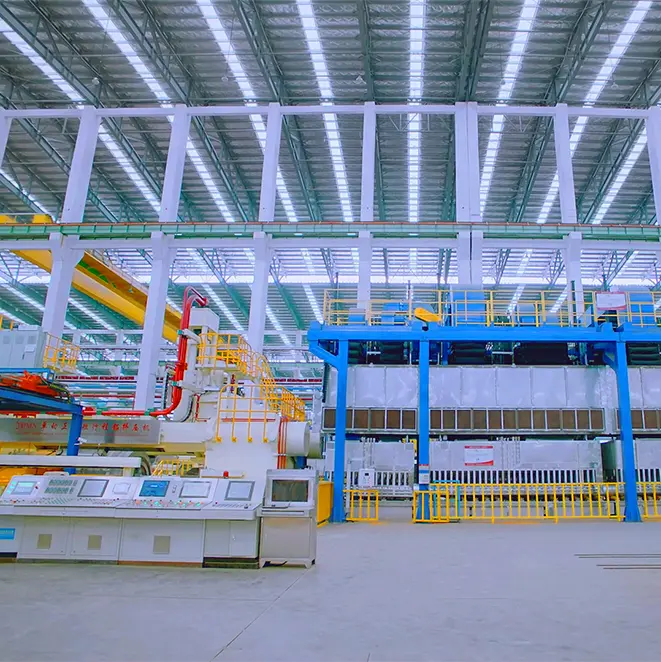
We utilize premium Fenglu aluminum, offering a diverse range of profiles for flexible applications. Our extrusion lines, ranging from 800T to 20,000T, accommodate alloys 1xxx, 2xxx, 3xxx, 5xxx, 6xxx, and 7xxx, allowing us to produce shaped products with section dimensions up to 1.2 meters in width and 28 meters in length. These products are recognized for their precision and meticulous processing, finding broad application in aerospace, military, medical, and industrial sectors.
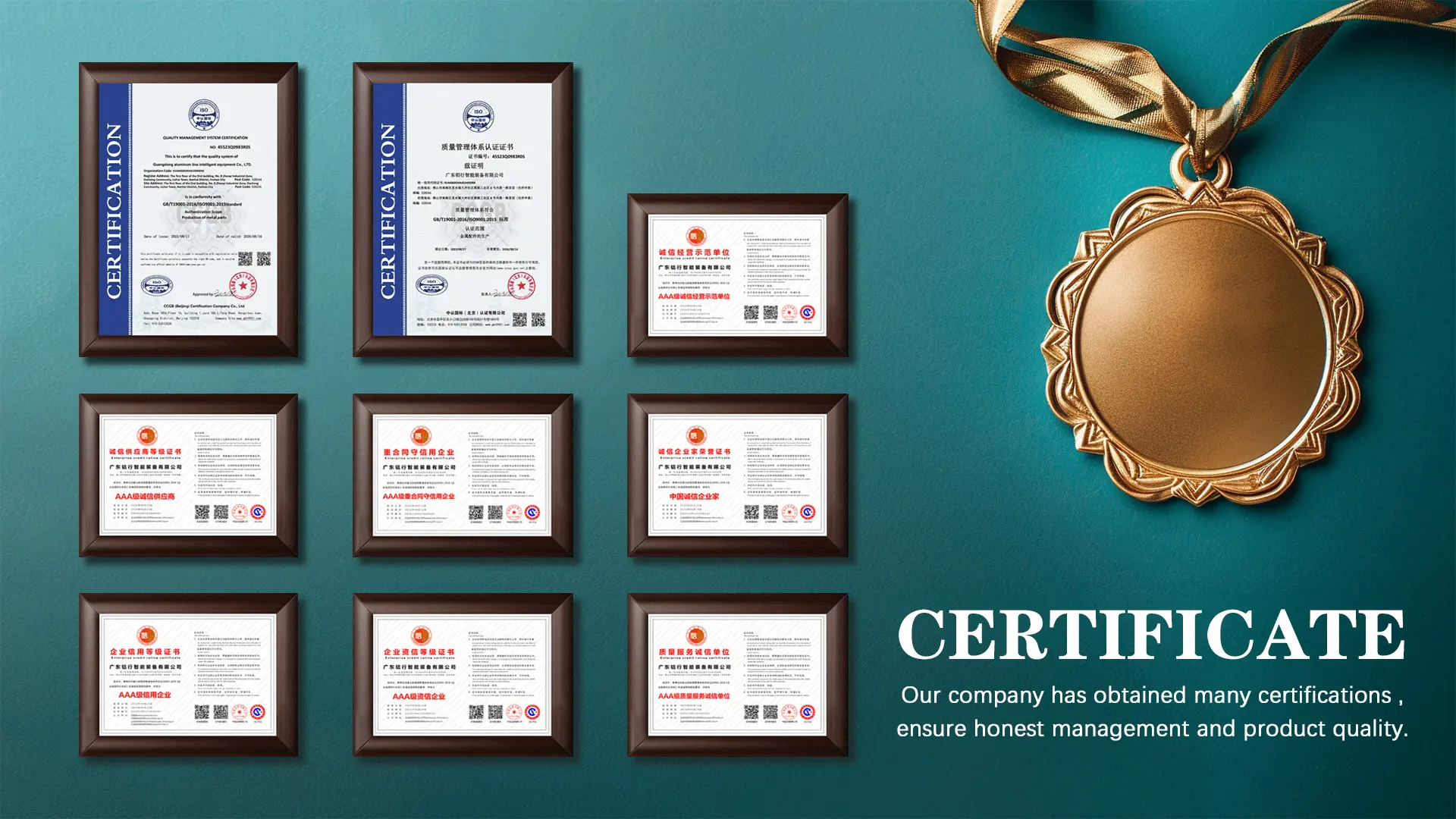
Our commitment to excellence is evident throughout the manufacturing process, rigorous quality control, thorough packaging, and efficient shipping procedures. This dedication has earned us recognition as a national excellent and honest enterprise, along with quality system certification in accordance with GB/T19001-2016/ISO9001:2015 standards.
Why LvXing Intelligent Equipment delivers unmatched value, reliability, and precision engineering globally.
Foshan is the world's leading hub for aluminum extrusion and processing. By sourcing raw Fenglu aluminum profiles directly from local refining and casting facilities, we eliminate transport lags and high material markups, offering competitive wholesale prices.
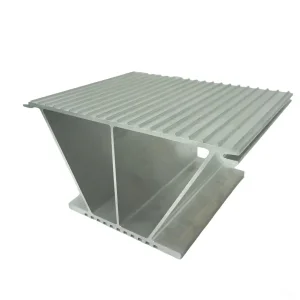
Our extrusion lines support cross-section profiles up to 1.2m wide and 28m long, allowing us to fabricate wide modular helideck decks with fewer seams. This increases overall structural strength and shortens assembly times during installation.
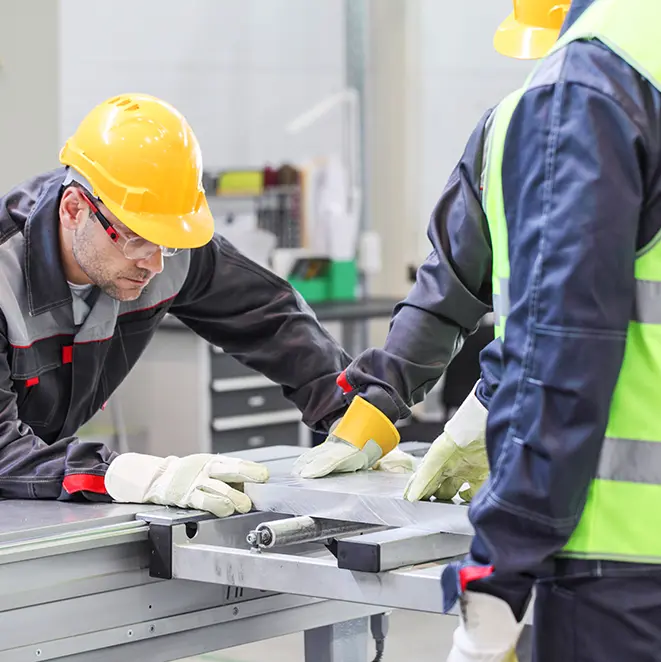
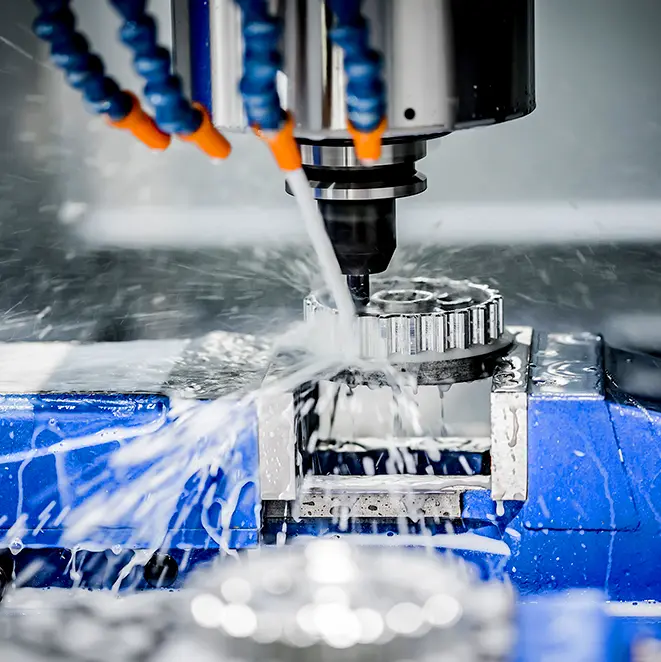
With in-house engineering and CNC precision centers, we control the process from design draft to marine coating. Anodizing, powder coating, and performance testing are performed within our facility to guarantee compliance and fast dispatch.
Compare the mechanical properties of materials used for high-ascent aircraft landing and safety nets.
| Material Class | Tensile Strength (MPa) | Corrosion Resistance | Service Lifespan | Wind Load Performance | Certification Options |
|---|---|---|---|---|---|
| 6000 Series Al-Alloy (Fenglu) | 290 - 350 | Excellent (C5-M Rated) | 25+ Years (Anodized) | Optimized Aerodynamics | CE, CAP 437, ISO9001 |
| Stainless Steel (316L Mesh) | 480 - 580 | High (Susceptible to crevice corrosion) | 15 - 20 Years | High Wind Shear Resistance | Class approval required |
| Synthetic Nylon / Polyester | 80 - 120 | Degrades under Solar UV radiation | 3 - 5 Years | High drag, prone to sagging | Standard compliance required |
| Titanium Mesh (Specialty) | 800+ | Absolute Corrosion Proof | 40+ Years | Extremely High Cost | Military Aero applications |
How specialized safety networks adapt to different demanding structural situations.
On marine vessels, helicopter landing is highly dangerous due to waves. Our aluminum alloy helipads combined with specialized non-slip deck friction landing nets ensure the aircraft stays firmly secured to the deck without slipping or sliding.
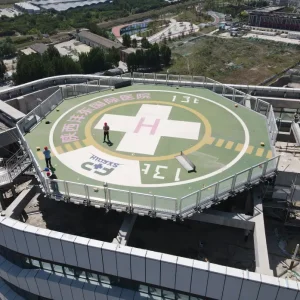
Rooftop ambulance landing pads require maximum fall safety protection for medical workers and passengers. Our CE certified perimeter nets offer soft deceleration capture upon impact, saving lives without cluttering aesthetic city views.
Tall buildings face unpredictable upward wind currents. Lightweight aluminum frame perimeter safety nets resist wind shear, reduce roof load limits, and ensure safety during high-stress rescue missions.
Proven expertise, aerospace-grade certified materials, and reliable engineering support.

We have obtained the exclusive “Special Aluminium Materials for Aerospace” Certificate, ensuring compliance with demanding structural regulations.

We utilize high-quality Fenglu aluminum profiles. Extrusion capabilities range from 800T to 20,000T, producing alloys 1xxx through 7xxx, up to 1.2m width and 28m length.

Our technical experts bring 15 years of industry experience to help clients identify structural issues, refine designs, and deliver reliable custom landing platforms.
Critical indicators purchasing managers should detail when requesting quotes for high-ascent aircraft landing nets.
Ensure the landing net width and structural layout support the Maximum Take-Off Weight (MTOW) and overall D-value of the helicopters (e.g., Sikorsky S-92, AW139, Super Puma) using the site.
Perimeter safety mesh systems must pass drop tests, catching a falling load (such as a 100 kg weight dropped from 1 meter) without breaking. Ensure the manufacturer provides dynamic test certificates.
Corrosion is the main cause of product failure in marine environments. Anodized coating thicknesses should meet minimum B2B standards (typically ≥ 15 microns or 25 microns for offshore applications).
Expert answers regarding technical details, certifications, and customization of helicopter landing nets.
Examine our complete selection of aluminum alloy structures, landing nets, and safety profiles.
 LvXing